
 EN
EN



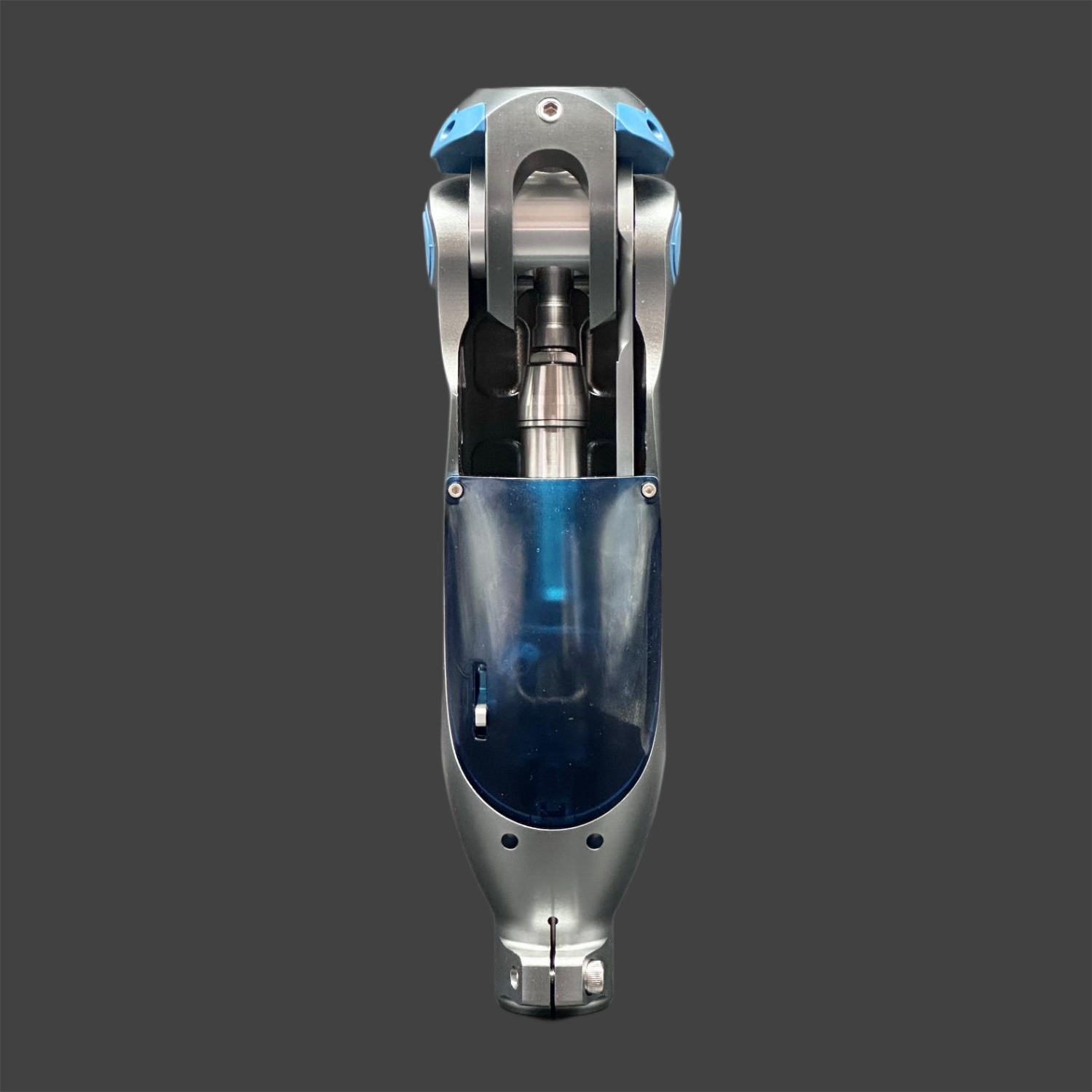
Wybieranie odpowiedniego proteza elementy stanowią jedno z najważniejszych wyzwań stojących przed osobami, które przeszły amputacja kończyny dolnej - Nie. Złożoność współczesnych układów protezowych wymaga starannego rozważenia wielu czynników, w tym charakterystyki pozostałych kończyn, poziom aktywności oraz osobiste preferencje. Zrozumienie, w jaki sposób różne części protezy współpracują, tworząc funkcjonalną i wygodną sztuczną kończynę, może znacząco wpłynąć na jakość życia i sukces rehabilitacji. Wprowadzenie nowoczesnych materiałów, zaawansowanych układów zawieszenia i precyzyjnie wykonanych stawów zrewolucjonizowało dziedzinę protez, dając niezwykłe możliwości przywrócenia ruchu.
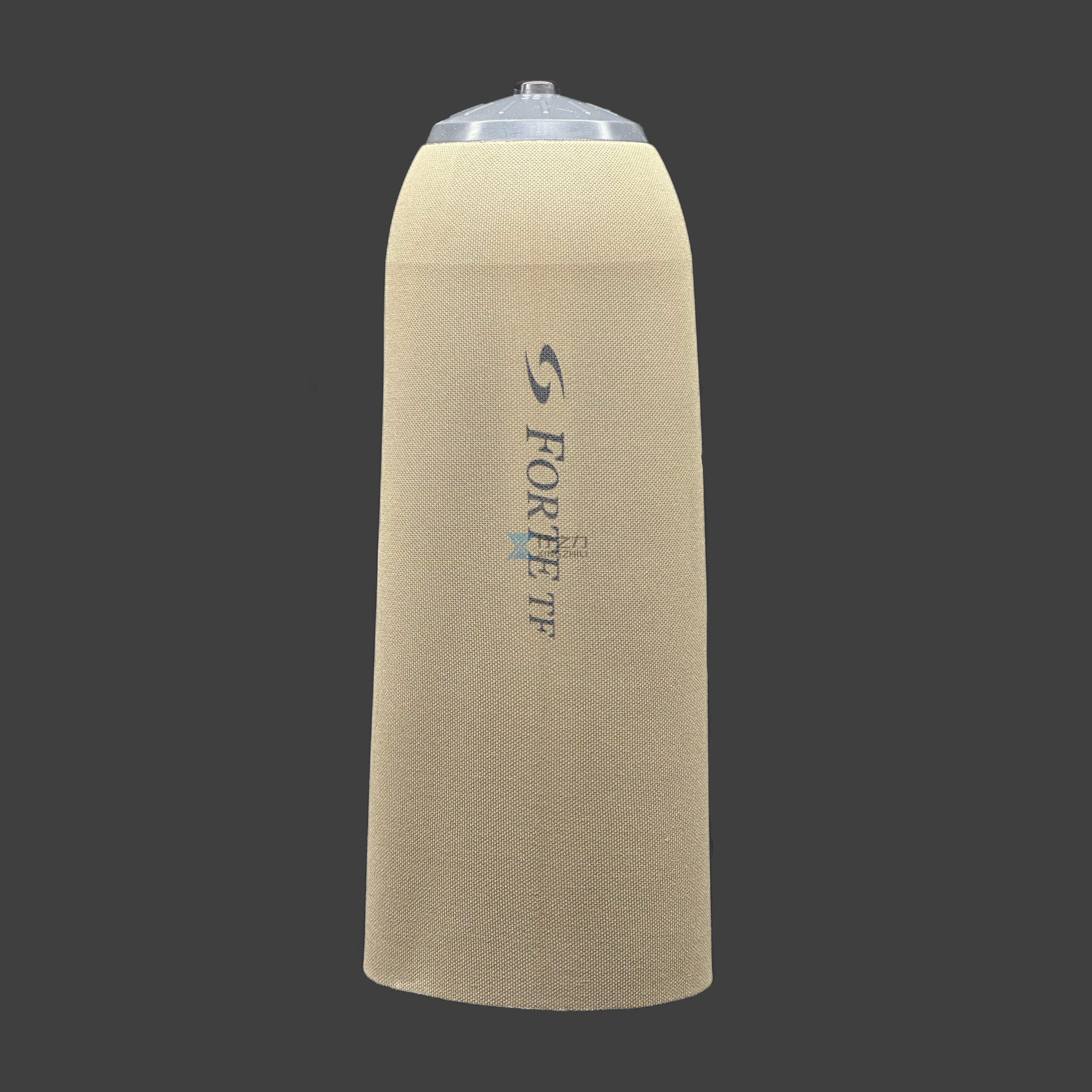
Zrozumienie podstawowych kategorii komponentów protezycznych
Systemy gniazd i komponenty stykowe
Gniazdo protetyczne stanowi główny interfejs między resztką kończyny a sztucznych elementami, co czyni je najważniejszym elementem w systemie protetycznym. Nowoczesne projekty gniazd wykorzystują zaawansowane tworzywa termoplastyczne oraz techniki produkcji wspomagane komputerem, aby osiągnąć optymalne dopasowanie i komfort. Gniazdo musi równomiernie rozkładać ciśnienie na całej powierzchni resztki kończyny, zapewniając jednocześnie bezpieczne mocowanie pozostałych elementów protezy. Odpowiedni projekt gniazda uwzględnia tolerancję tkanek, ochronę wystających części kości oraz kompensację zmian objętości, które naturalnie występują w ciągu dnia.
Komponenty interfejsu współpracują z gniazdem, aby zwiększyć komfort i poprawić wydajność zawieszenia. Wkładki silikonowe stają się coraz bardziej popularne ze względu na doskonałe właściwości amortyzacyjne i możliwość tworzenia skutecznego zawieszenia próżniowego. Te specjalistyczne protezy charakteryzują się różnymi stopniami twardości, dostosowanymi do konkretnych cech tkanki oraz wymagań aktywnościowych. Proces doboru obejmuje ocenę takich czynników jak wrażliwość skóry, poziom potnienia oraz potrzebny stopień regulacji objętości dla danego stanu kikuta.
Mechanizmy zawieszenia i mocowania
Systemy zawieszenia to kluczowe elementy protezowe, które zapewniają bezpieczne połączenie między kończyną rnącą a urządzeniem sztucznym podczas różnych aktywności. Tradycyjne metody zawieszenia obejmują opaski nadkłykciowe, paski biodrowe i zawieszenia rękawowe, z których każde oferuje wyraźne zalety dla określonych grup użytkowników. Nowoczesne systemy zawieszenia z wspomaganiem próżniowym zapewniają lepszą propriocepcję i kontrolę objętości oraz zmniejszają ruch tłokowy, który może powodować dyskomfort i podrażnienia skóry.
Elektroniczne pompy próżniowe i mechaniczne systemy próżniowe stały się zaawansowanymi elementami protez, które aktywnie utrzymują stały poziom ssania w trakcie codziennych aktywności. Te systemy stale dostosowują się do naturalnych zmian objętości kikuta, zapewniając stabilne zawieszenie bez kompromitowania krążenia. Integracja czujników ciśnienia oraz sterowania mikroprocesorowego pozwala tym nowoczesnym elementom zawieszenia na dynamiczne reagowanie na zmieniające się warunki, optymalizując zarówno komfort, jak i wydajność funkcjonalną.
Technologia stawu kolanowego i kryteria doboru
Mechaniczne systemy kolana
Mechaniczne stawy kolanowe pozostają podstawowym elementem protez dla amputowanych na poziomie uda, oferując niezawodne działanie przy minimalnych wymaganiach konserwacji. Kolana jednoosiowe zapewniają podstawową kontrolę fazy wahania i podpory poprzez mechanizmy tarcia oraz wsparcie w rozprostowaniu, co czyni je odpowiednimi dla użytkowników o ograniczonej aktywności lub tych, którzy wymagają maksymalnej niezawodności systemu. Projekt kolana poliocentrycznych wykorzystuje wiele punktów obrotu w celu poprawy prześwitu podczas fazy wahania, zapewniając jednocześnie lepszą stabilność podczas aktywności obciążających kończynę.
Hydrauliczne i pneumatyczne systemy kolanowe to bardziej zaawansowane mechaniczne elementy protez, które oferują zmienną kontrolę oporu w zależności od prędkości chodu i rytmu kroków. Te sterowane cieczą systemy automatycznie dostosowują fazę wahania, aby uwzględnić różne prędkości chodzenia, zapewniając bardziej naturalny sposób chodzenia i zmniejszając zużycie energii. Wybór odpowiednich charakterystyk tłumienia staje się kluczowy dla optymalizacji wydajności na różnym terenie oraz przy różnych poziomach aktywności, z którymi mierzysz się w codziennym życiu.
Technologia kolana sterowanego mikroprocesorowo
Kolana mikroprocesorowe stanowią najbardziej zaawansowane komponenty protetyczne dostępne w protezach kończyn dolnych, zawierające zaawansowane układy czujników i algorytmy obliczeniowe w czasie rzeczywistym. Te inteligentne systemy ciągle monitorują siły reakcji podłoża, kąt kolana oraz dane przyspieszenia, aby przewidzieć intencje użytkownika i dostosować opór odpowiednio. Wynikiem jest zwiększona stabilność w fazie podparcia oraz zoptymalizowane cechy ruchu wahadłowego, które automatycznie przystosowują się do zmieniających się warunków chodzenia.
Zaawansowane systemy kolan mikroprocesorowych oferują wiele trybów aktywności, które można wybierać za pomocą aplikacji smartfonowej lub pilota zdalnego sterowania, umożliwiając dostosowanie do konkretnych czynności, takich jak jazda na rowerze, wchodzenie po schodach czy bieganie. Te uniwersalne komponenty protetyczne korzystają z algorytmów uczenia maszynowego, które dostosowują się do Twojego indywidualnego stylu chodu z czasem, stale doskonaląc swoją wydajność, by odpowiadała Twoim unikalnym cechom biomechanicznym i preferencjom.
Wybór komponentów stopy i kosty
Stopy z magazynowaniem i zwrotem energii
Projekty stóp z magazynowaniem i zwrotem energii zrewolucjonizowały protezy kończyn dolnych poprzez wprowadzenie dynamicznych odpowiedzi, które naśladować naturalną biomechanikę stopy. Te komponenty protezowe wykorzystują konstrukcję z włókna węglowego oraz specjalne geometrie do magazynowania energii kinetycznej w fazie obciążenia i jej uwalniania podczas odepchnięcia, co zmniejsza zapotrzebowanie na energię metaboliczną oraz poprawia wydajność chodu. Wybór odpowiedniej kategorii sztywności staje się kluczowy dla dopasowania odpowiedzi stopy do własnej wagi ciała, poziomu aktywności oraz charakterystyki chodu.
Projekty z podzielonym palcem i przegubowymi sekcjami przedniego stóp zapewniają ulepszone możliwości adaptacji do terenu, szczególnie korzystne dla użytkowników, którzy regularnie stykają się z nierównym podłożem. Te specjalistyczne elementy protezowe posiadają niezależne sekcje palców, które mogą dostosowywać się do nieregularności powierzchni, zachowując przy tym odpowiedni rozkład obciążenia na platformie stopy. Integracja systemów amortyzujących w tych stopach pomaga zmniejszyć siły uderzenia przenoszone przez układ protezowy, zwiększając komfort podczas aktywności o wysokim obciążeniu.
Integracja stawu skokowego
Systemy przegubowe kosty to zaawansowane komponenty protezyczne, które zapewniają ruch grzbietowego i podeszwowego zginania, umożliwiając chodzenie po pochyłkach i schodzenie po schodach. Te stawy posiadają kontrolowany zakres ruchu z odpowiednimi charakterystykami oporu, zapobiegając nadmiernemu ruchowi, jednocześnie pozwalając na naturalne funkcje kosty podczas różnych czynności. Systemy kosty hydraulicznej oferują zmienny opór, który automatycznie dostosowuje się do prędkości chodzenia i warunków terenu.
Projektowanie kosty wieloosiowej zapewnia dodatkowe stopnie swobody poprzez zdolność do inwercji i ewercji, poprawiając stabilność na nierównych powierzchniach i zmniejszając kompensacyjne ruchy w stawach bliższych. Te zaawansowane komponenty protezyczne zawierają wyrafinowane systemy tłumienia, które kontrolują ruch w wielu płaszczyznach jednocześnie, zapewniając lepsze proprioceptywne sprzężenie zwrotne i zwiększając pewność równowagi podczas poruszania się po trudnym terenie.
Rozważania materiałowe i czynniki trwałości
Zaawansowane Materiały Kompozytowe
Kompozyty z włókna węglowego stały się materiał materiałem wyboru dla wielu komponentów protez ze względu na ich wyjątkowe współczynniki wytrzymałości do masy oraz odporność na zmęczenie. Te materiały pozwalają na tworzenie lekkich, a jednocześnie trwałe elementów, które mogą wytrzymać cykle obciążeń powtarzanych podczas normalnego chodzenia. Właściwości kierunkowe wzmocnienia z włókna węglowego można zoptymalizować tak, aby odpowiadały konkretnym schematom obciążenia występującym w różnych komponentach protez, co poprawia zarówno wydajność, jak i trwałość.
Stopy tytanu to kolejna kategoria zaawansowanych materiałów stosowanych w kluczowych elementach protez, gdzie wymagana jest maksymalna wytrzymałość i odporność na korozję. Te biokompatybilne materiały charakteryzują się doskonałymi właściwościami zmęczeniowymi i mogą być precyzyjnie obrabiane z małymi tolerancjami, co czyni je idealnym wyborem dla mechanizmów stawowych i połączeń konstrukcyjnych. Połączenie komponentów tytanowych z elementami z włókna węglowego tworzy systemy hybrydowe, które optymalizują zarówno wytrzymałość, jak i cechy związane z wagą.
Odporność środowiskowa i konserwacja
Odporność środowiskowa komponentów protez znacząco wpływa na ich długoterminową wydajność oraz potrzeby konserwacji. Konstrukcje odporne na wodę i wodoodporne pozwalają na narażenie na wilgoć i opady bez utraty funkcjonalności, co poszerza zakres czynności, które można bezpiecznie wykonywać. Powłoki odporne na korozję oraz uszczelnione systemy łożysk chronią mechanizmy wewnętrzne przed zanieczyszczeniem środowiskowym, zapewniając przy tym płynną pracę przez dłuższy czas.
Protokoły konserwacji różnych komponentów protez różnią się w zależności od ich złożoności i poziomu oddziaływania środowiska. Proste układy mechaniczne zazwyczaj wymagają okresowego smarowania oraz kontroli zużycia, podczas gdy komponenty elektroniczne mogą potrzebować aktualizacji oprogramowania i harmonogramu wymiany baterii. Zrozumienie wymagań dotyczących konserwacji konkretnych komponentów protez pomaga zapewnić optymalną wydajność i zapobiega przedwczesnemu uszkodzeniu, które mogłoby zakłócić Twoją mobilność i codzienne czynności.
Proces dopasowania i współpraca zawodowa
Ekspertyza protetyka i ocena
Współpraca z wykwalifikowanymi protetykami stanowi kluczowy aspekt doboru odpowiednich komponentów protezowych odpowiadających Twoim indywidualnym potrzebom i sytuacji. Ci specjalizowani specjaliści medyczni posiadają kompleksową wiedzę na temat sposobu, w jaki różne komponenty oddziałują w ramach zintegrowanych systemów protezowych, i mogą ocenić Twoje konkretne wymagania poprzez szczegółowe badania. Proces dopasowania obejmuje wiele wizyt, aby zagwarodnić odpowiednie wyrównanie, komfort noszenia oraz optymalną funkcjonalność wszystkich komponentów protezowych.
Protetycy wykorzystują zaawansowane techniki pomiarowe oraz systemy projektowania wspomaganego komputerowo, aby tworzyć spersonalizowane rozwiązania zawierające najbardziej odpowiednie elementy protezyczne dostosowane do Twojej indywidualnej sytuacji. Ich wiedza obejmuje nie tylko dobór komponentów, ale także analizę chodu, mapowanie ciśnienia i ocenę biomechaniczną w celu zoptymalizowania ogólnych parametrów działania całego systemu. Takie podejście współpracy zapewnia, że wszystkie komponenty protezyczne współpracują ze sobą zgodnie, by osiągnąć cele związane z mobilnością oraz spełnić wymagania wynikające z trybu życia.
Okresy próbne i dostrojenia
Integracja nowych elementów protez często wymaga okresów dostosowania, podczas których modyfikacje i dokładne dopasowanie optymalizują komfort i wydajność. Początkowe sesje dopasowania koncentrują się na osiągnięciu odpowiedniego wyrównania i podstawowego komfortu, podczas gdy kolejne wizyty dotyczą doskonalenia funkcjonalnego na podstawie rzeczywistego sposobu użytkowania i opinii. Ten iteracyjny proces pozwala na stopniowe przyzwyczajenie się do nowych elementów protez oraz na zidentyfikowanie wszelkich problemów wymagających uwagi lub modyfikacji.
Okresy próbne umożliwiają ocenę, jak różne komponenty protezyczne działają w warunkach rzeczywistych przed podjęciem ostatecznych wyborów. Wielu protystów oferuje systemy pożyczone lub jednostki demonstracyjne, które pozwalają na bezpośrednie doświadczenie różnych opcji komponentów, wspomagając decyzje oparte na rzeczywistej wydajności, a nie na teoretycznych specyfikacjach. To praktyczne podejście zapewnia, że ostateczny system protezyczny będzie zawierał komponenty rzeczywiście odpowiadające Twoim potrzebom funkcjonalnym i preferencjom komfortowym.
Rozważania dotyczące kosztów i pokrycia ubezpieczeniowego
Analiza kosztów komponentów
Wymagane inwestycje finansowe na wysokiej jakości protechniczne komponenty różnią się znacznie w zależności od poziomu technologii, zastosowanych materiałów oraz wymagań funkcjonalnych. Podstawowe mechaniczne komponenty zazwyczaj stanowią najtańszą opcję, podczas gdy zaawansowane systemy sterowane mikroprocesorem charakteryzują się wyższą ceną wynikającą z ich zaawansowanej technologii oraz nakładów na badania i rozwój. Zrozumienie konsekwencji kosztowych różnych kategorii komponentów pomaga w podejmowaniu decyzji, które równoważą potrzeby funkcjonalne z ograniczeniami budżetowymi.
Rozważania dotyczące długoterminowych kosztów wykraczają poza początkową cenę zakupu i obejmują koszty konserwacji, wymiany oraz modernizacji w całym przewidywanym okresie użytkowania elementów protez. Komponenty o wyższej jakości mogą uzasadniać swój wyższy początkowy koszt dzięki zwiększonej trwałości, mniejszym potrzebom konserwacyjnym oraz lepszej funkcjonalności, które poprawiają jakość życia. Ocena całkowitego kosztu posiadania zapewnia bardziej kompleksowy pogląd na rzeczywistą wartość różnych komponentów protez.
Opcje ubezpieczenia i finansowania
Ubezpieczenie pokrywające elementy protez różni się znacząco w zależności od dostawcy i typu polisy, dlatego ważne jest zrozumienie konkretnych korzyści i ograniczeń. Wiele planów ubezpieczeniowych klasyfikuje elementy protez według poziomów funkcjonalności i może nakładać ograniczenia dotyczące częstotliwości modernizacji lub kombinacji komponentów. Współpraca z protetykiem i przedstawicielami ubezpieczyciela pomaga w zrozumieniu wymagań pokrycia i maksymalizacji dostępnych świadczeń związanych z potrzebnymi elementami protez.
Alternatywne źródła finansowania mogą być dostępne poprzez świadczenia dla weteranów, programy odszkodowań dla pracowników lub organizacje charytatywne specjalizujące się w pomocy protetycznej. Te programy często mają określone kryteria kwalifikacyjne oraz procesy składania wniosków, które wymagają dokumentacji potrzeb związanych ze składowymi protezy i sytuacji finansowej. Przeanalizowanie wszystkich dostępnych opcji finansowania zapewnia dostęp do najbardziej odpowiednich komponentów protetycznych niezależnie od początkowych rozważań dotyczących kosztów.
Często zadawane pytania
Jak długo zazwyczaj trwają komponenty protetyczne przed koniecznością ich wymiany
Okres użytkowania elementów protez znacząco różni się w zależności od wzorców użytkowania, poziomu aktywności oraz jakości komponentów. Elementy mechaniczne, takie jak stopy czy podstawowe stawy kolanowe, zazwyczaj trwają 3-5 lat przy normalnym użyciu, podczas gdy bardziej złożone systemy, takie jak kolana z mikroprocesorem, mogą wymagać serwisu lub wymiany co 5-7 lat. Gniazda protez często trzeba wymieniać co 2-3 lata ze względu na zmiany objętości kończyny oraz zużycie. Regularna konserwacja i odpowiednia dbałość mogą wydłużyć żywotność komponentów, podczas gdy intensywne obciążenia lub trudne warunki środowiskowe mogą przyspieszyć potrzebę wymiany.
Jakie czynniki decydują o tym, które komponenty protez są najlepsze dla moich indywidualnych potrzeb
Wybór optymalnych komponentów protezowych zależy od wielu czynników, w tym poziomu amputacji, charakterystyki kikuta, poziomu aktywności, wymagań związanych z trybem życia oraz osobistych preferencji. Twój protetyk oceni takie czynniki jak siła mięśni, zakres ruchu, stan skóry i zdolność do utrzymania równowagi, aby zalecić odpowiednie komponenty. Klasyfikacje poziomu aktywności (K0-K4) pomagają określić odpowiednie kategorie komponentów, podczas gdy kwestie takie jak zawód, zainteresowania rekreacyjne i warunki środowiskowe wpływają na wybór konkretnych produktów w ramach tych kategorii.
Czy komponenty protetyczne można ulepszyć lub zmodyfikować po pierwotnym dopasowaniu
Wiele komponentów protezycznych można ulepszyć lub zmodyfikować w miarę zmiany potrzeb użytkownika lub postępów technologicznych, choć należy uwzględnić wymagania dotyczące kompatybilności. Modyfikacje gniazda są powszechne, aby dostosować je do zmian kikuta lub poprawić dopasowanie i komfort. Ulepszenia komponentów, takie jak przejście z kolan mechanicznych na kolana z mikroprocesorem, zazwyczaj wymagają kompletnego ocenienia systemu, aby zapewnić prawidłową integrację i wyrównanie. Twój protetyk może ocenić możliwości modernizacji i zalecić najbardziej opłacalny sposób włączenia nowych komponentów protezycznych do istniejącego systemu.
Skąd mam wiedzieć, czy moje obecne komponenty protezyczne działają optymalnie
Oznaki, że Twoje protetyczne komponenty działają dobrze, obejmują wygodny pasujący bez punktów ucisku, stabilne mocowanie podczas całego dnia, naturalne wzorce chodu oraz zdolność do wykonywania pożądanych czynności bez nadmiernego zmęczenia. Ostrzegawcze objawy, że komponenty mogą wymagać uwagi, to zwiększona irytacja skóry, zmiany w wzorcach chodu, nietypowe dźwięki lub drgania, luźne połączenia lub trudności w wykonywaniu czynności, które wcześniej nie sprawiały problemu. Regularne wizyty kontrolne u protetyka pomagają monitorować wydajność komponentów i wykrywać potencjalne problemy, zanim stają się poważne.
Spis treści
- Zrozumienie podstawowych kategorii komponentów protezycznych
- Technologia stawu kolanowego i kryteria doboru
- Wybór komponentów stopy i kosty
- Rozważania materiałowe i czynniki trwałości
- Proces dopasowania i współpraca zawodowa
- Rozważania dotyczące kosztów i pokrycia ubezpieczeniowego
-
Często zadawane pytania
- Jak długo zazwyczaj trwają komponenty protetyczne przed koniecznością ich wymiany
- Jakie czynniki decydują o tym, które komponenty protez są najlepsze dla moich indywidualnych potrzeb
- Czy komponenty protetyczne można ulepszyć lub zmodyfikować po pierwotnym dopasowaniu
- Skąd mam wiedzieć, czy moje obecne komponenty protezyczne działają optymalnie