
 EN
EN


Modern healthcare has witnessed remarkable advancements in developing solutions that empower individuals with disabilities to live more independent and fulfilling lives. A disability assistive device represents a crucial bridge between limitations and possibilities, transforming daily challenges into manageable tasks. These innovative tools encompass a vast spectrum of technologies and equipment designed to support mobility, communication, cognitive function, and overall quality of life for millions of people worldwide.
The evolution of assistive technology reflects society's growing commitment to inclusivity and accessibility. From simple mechanical aids to sophisticated electronic systems, these devices continue to break down barriers that once seemed insurmountable. Healthcare professionals, engineers, and researchers collaborate extensively to create solutions that address specific needs while maintaining user-friendly interfaces and affordable access points.
Understanding the Scope of Assistive Technology
Categories and Classifications
Assistive devices span multiple categories, each targeting specific functional areas. Mobility aids include wheelchairs, walkers, prosthetics, and orthotic devices that support movement and positioning. Communication devices encompass speech-generating systems, hearing aids, and specialized software that facilitates interaction with others and technology interfaces.
Cognitive assistive technology addresses memory, attention, and processing challenges through reminder systems, organizational apps, and adaptive learning platforms. Environmental control units allow users to manage home systems, lighting, temperature, and security features through voice commands or simplified interfaces. Each category serves distinct purposes while often integrating with other technologies to provide comprehensive support.
Target User Demographics
The user base for assistive technology extends across age groups and disability types. Children with developmental disabilities benefit from educational tools and communication devices that support learning and social interaction. Adults managing acquired disabilities often require mobility aids and workplace accommodations that enable continued productivity and independence.
Elderly individuals frequently utilize multiple assistive devices simultaneously, addressing age-related changes in vision, hearing, mobility, and cognitive function. Veterans with service-related injuries represent another significant demographic, often requiring specialized equipment that addresses complex, multiple-system impairments resulting from combat injuries or military service exposure.
Mobility Enhancement Solutions
Advanced Orthotic Systems
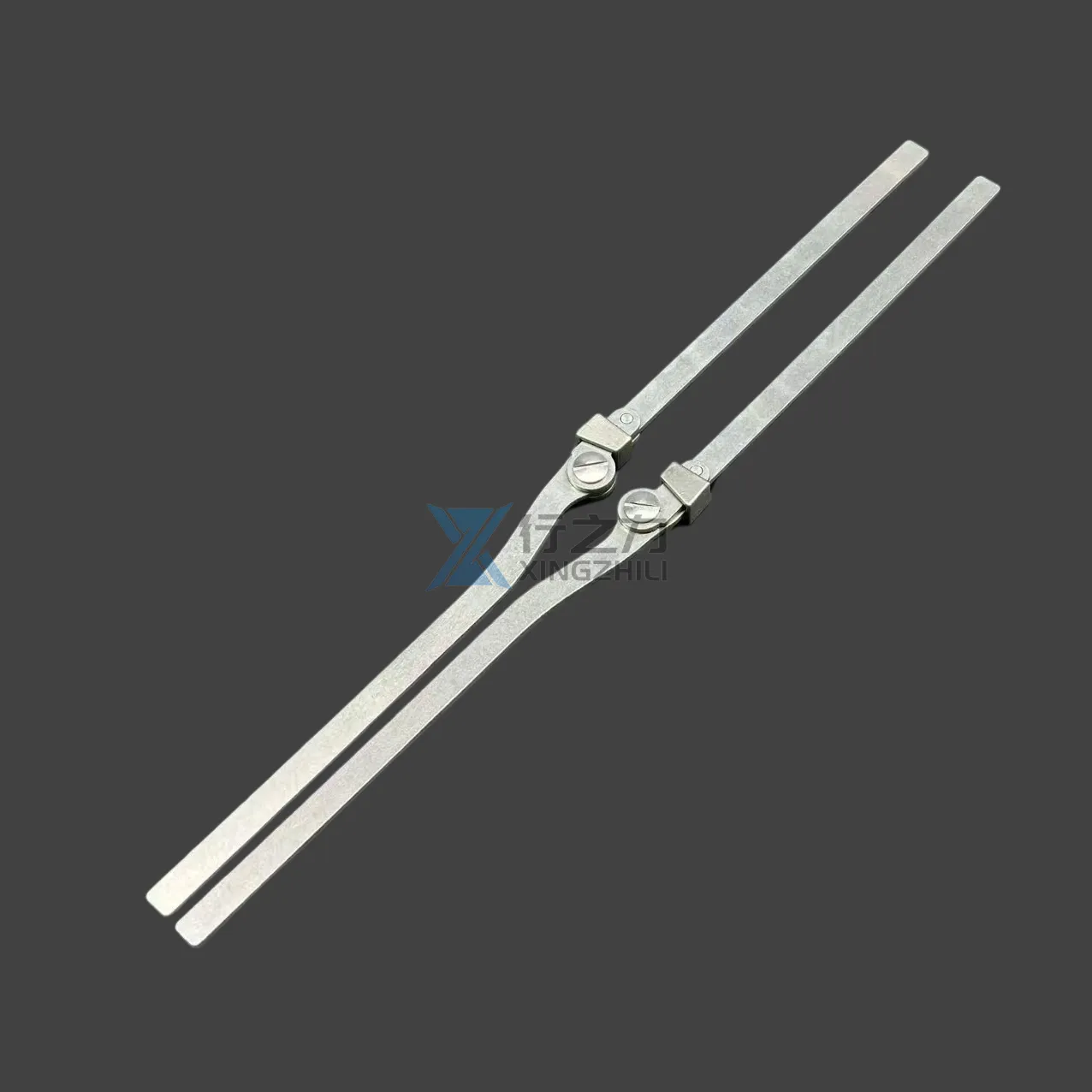
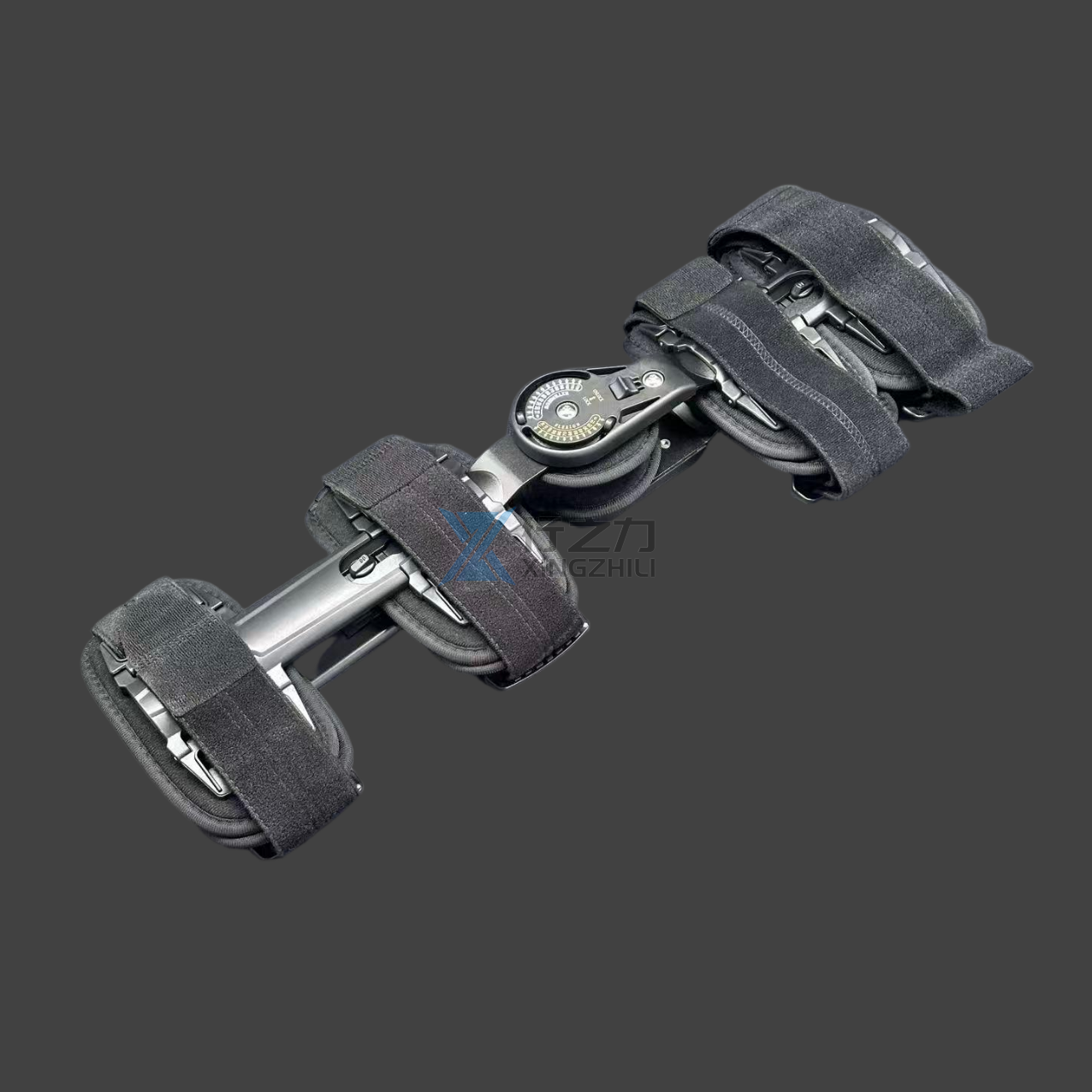
Modern orthotic devices represent significant technological advancement in mobility assistance. Disability assistive device technology now incorporates lightweight materials, precise fitting systems, and dynamic support mechanisms that adapt to user movement patterns. These systems provide crucial support for individuals with spinal cord injuries, neuromuscular conditions, and lower limb impairments.
Advanced reciprocating gait orthoses enable users with paraplegia to achieve standing and walking functions through mechanical assistance and user-initiated movement. These devices require specialized training and physical conditioning but offer significant psychological and physiological benefits including improved circulation, bone density maintenance, and enhanced social participation opportunities.
Powered Mobility Options
Electric wheelchairs and scooters provide essential mobility for individuals who cannot propel manual wheelchairs effectively. Modern powered systems feature sophisticated control interfaces, terrain adaptation capabilities, and extended battery life that supports full-day use. Customizable seating systems and positioning features address individual comfort and postural support requirements.
Smart mobility devices now integrate GPS navigation, obstacle detection, and connectivity features that enhance safety and independence. These technological additions transform basic transportation into comprehensive mobility management systems that adapt to various environments and user preferences while maintaining reliability and ease of operation.
Communication and Sensory Support Technologies
Speech and Language Assistance
Communication disorders affect millions of individuals, creating barriers to social participation, employment, and educational opportunities. Modern speech-generating devices offer natural-sounding voice output, predictive text features, and customizable vocabulary systems that reflect individual communication styles and preferences. These tools support users with conditions ranging from autism spectrum disorders to acquired brain injuries.
Alternative and augmentative communication systems extend beyond traditional speech devices to include gesture recognition, eye-tracking interfaces, and brain-computer interfaces that translate neural signals into communication output. These cutting-edge technologies open communication possibilities for individuals with severe physical limitations who cannot use conventional input methods.
Hearing and Vision Support
Hearing assistive technology has evolved from basic amplification to sophisticated sound processing systems that filter background noise, enhance speech clarity, and connect wirelessly to audio sources. Cochlear implants provide hearing sensation for individuals with profound hearing loss, while assistive listening systems improve audio access in educational and workplace environments.
Vision support devices range from magnification systems and screen readers to navigation aids and object identification tools. Smart glasses with camera systems can read text aloud, identify faces and objects, and provide GPS navigation through audio cues. These technologies enable individuals with visual impairments to access information and navigate environments with greater confidence and independence.
Impact on Daily Living and Independence
Home and Personal Care
Daily living activities become more manageable through specialized disability assistive device solutions that address personal care, household management, and safety concerns. Bathroom safety equipment, kitchen modification tools, and bedroom assistance devices enable users to maintain privacy and dignity while performing essential self-care tasks. These adaptations often prevent injuries and reduce dependence on caregivers.
Smart home integration allows voice-controlled operation of lights, appliances, security systems, and entertainment devices. Environmental control units can be programmed to accommodate individual routines and preferences, creating living spaces that respond to user needs automatically. These technologies particularly benefit individuals with limited mobility or dexterity who cannot easily reach traditional control switches.
Employment and Educational Access
Workplace accommodations through assistive technology enable individuals with disabilities to participate fully in professional environments. Computer access software, ergonomic modifications, and communication support tools remove barriers to employment and career advancement. These accommodations often benefit all employees by improving workplace accessibility and efficiency.
Educational institutions utilize assistive technology to support students with diverse learning needs and physical limitations. Digital textbooks, note-taking applications, and presentation tools create inclusive learning environments that accommodate different learning styles and abilities. These technologies level the academic playing field and promote educational success across disability categories.
Economic and Social Benefits
Healthcare Cost Reduction
Preventive benefits of disability assistive device implementation significantly reduce long-term healthcare costs through injury prevention, complications avoidance, and enhanced self-management capabilities. Mobility aids prevent falls and secondary injuries, while communication devices reduce social isolation and associated mental health challenges. These interventions create positive health outcomes that extend beyond immediate functional improvements.
Early intervention with appropriate assistive technology often prevents condition deterioration and maintains functional capacity longer. Regular use of prescribed devices supports muscle strength, joint mobility, and cardiovascular health while reducing the need for intensive medical interventions or institutional care. Healthcare systems recognize these cost-benefit relationships and increasingly support assistive technology access through insurance coverage and funding programs.
Community Integration and Social Participation
Social benefits of assistive technology extend beyond individual users to strengthen entire communities through increased diversity and inclusion. When individuals with disabilities can participate fully in community activities, educational programs, and employment opportunities, society benefits from their unique perspectives, skills, and contributions. This participation challenges stereotypes and promotes understanding across different ability levels.
Transportation accessibility, communication support, and mobility assistance enable users to maintain social relationships, pursue recreational activities, and contribute to community organizations. These connections create support networks that benefit both users and community members while promoting social cohesion and mutual understanding. Community accessibility improvements often benefit elderly residents, parents with strollers, and individuals with temporary injuries, creating universal design benefits.
Future Developments and Innovations
Artificial Intelligence Integration
Artificial intelligence is revolutionizing disability assistive device functionality through machine learning algorithms that adapt to individual user patterns and preferences. Smart devices can predict user needs, adjust settings automatically, and provide personalized recommendations based on usage data and environmental factors. These capabilities create more intuitive and responsive assistive technology experiences.
Voice recognition systems powered by artificial intelligence understand natural speech patterns and can accommodate speech impairments or accent variations. Visual recognition technology can identify objects, read text, and describe environments for users with visual impairments. These AI-powered features continue improving through cloud-based updates and expanding databases of recognition patterns.
Wearable and Implantable Technologies
Emerging wearable technologies offer discreet assistance through smartwatches, fitness trackers, and specialized monitoring devices that track health metrics, provide medication reminders, and detect emergency situations. Implantable devices include advanced cochlear implants, neural stimulation systems, and biomonitoring chips that provide continuous health surveillance and automatic intervention capabilities.
Brain-computer interfaces represent the cutting edge of assistive technology, translating thoughts into device commands for individuals with severe physical limitations. These systems continue advancing toward more natural control interfaces that require minimal training while providing comprehensive device operation capabilities. Research into neural plasticity and device integration promises even more sophisticated solutions in coming years.
FAQ
What factors should be considered when selecting a disability assistive device
Selecting the appropriate assistive device requires careful evaluation of individual needs, lifestyle requirements, and environmental factors. Healthcare professionals typically conduct comprehensive assessments that consider physical capabilities, cognitive function, living situation, and personal goals. The device must match the user's current abilities while accommodating potential changes in condition over time. Cost considerations, insurance coverage, and ongoing maintenance requirements also influence selection decisions.
How do insurance programs typically cover assistive technology costs
Insurance coverage for assistive devices varies significantly between programs and depends on medical necessity documentation, device classification, and individual policy terms. Medicare and Medicaid often cover durable medical equipment when prescribed by healthcare providers and meeting specific criteria. Private insurance plans may have different coverage levels and approval processes. Many organizations offer funding assistance, equipment loans, or refurbished device programs to improve accessibility for individuals with limited financial resources.
What training is typically required for complex assistive devices
Training requirements depend on device complexity and individual user needs, ranging from basic orientation sessions to comprehensive therapy programs. Mobility devices like advanced orthotics may require weeks of physical therapy and conditioning exercises to achieve safe, effective use. Communication devices often need speech therapy support and vocabulary customization. Healthcare teams coordinate training programs that include device operation, maintenance procedures, emergency protocols, and troubleshooting techniques to ensure successful long-term outcomes.
How often should assistive devices be evaluated and updated
Regular evaluation schedules help ensure devices continue meeting user needs effectively and safely. Most healthcare providers recommend annual assessments for complex devices, with more frequent monitoring during initial adaptation periods or when health conditions change. Technology updates, wear patterns, and evolving user needs may indicate replacement or modification requirements. Preventive maintenance schedules help extend device lifespan and prevent unexpected failures that could compromise user safety or independence.