
 EN
EN


Transforming Lives Through Advanced Prosthetic Technology
The world of prosthetic technology has witnessed remarkable advancements in recent years, with prosthetic accessories playing a pivotal role in enhancing the quality of life for amputees. These innovative components and add-ons have revolutionized the way individuals interact with their prosthetic devices, offering unprecedented levels of comfort, functionality, and independence.
Modern prosthetic accessories represent more than just additional components - they are life-changing tools that enable amputees to pursue their passions, maintain active lifestyles, and perform daily activities with greater ease. From specialized grip attachments to advanced shock absorption systems, these accessories are carefully designed to address the unique needs and challenges faced by prosthetic users.
Essential Components of Modern Prosthetic Systems
Comfort Enhancement Accessories
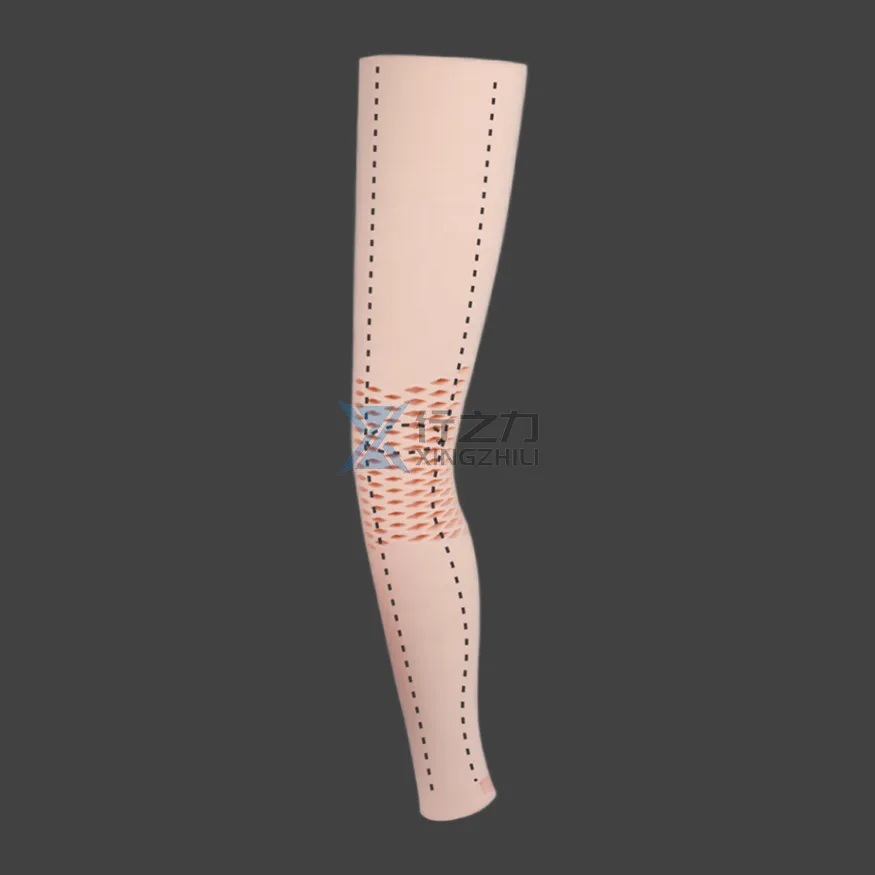
The foundation of any successful prosthetic solution lies in its comfort features. Advanced liner systems with moisture-wicking properties help maintain skin health and prevent irritation during extended wear. Cushioning accessories and gel interfaces distribute pressure evenly across the residual limb, minimizing discomfort during movement and reducing the risk of skin breakdown.
Socket technology has also evolved significantly, with adjustable systems allowing for volume fluctuations throughout the day. These adaptive components ensure a consistently secure fit, essential for maintaining proper alignment and preventing unwanted movement that could lead to discomfort or injury.
Performance-Enhancing Components
Athletic and active individuals benefit greatly from performance-focused prosthetic accessories. Energy-storing feet and specialized running blades enable participation in sports and high-impact activities. Shock absorption systems and torque absorbers help reduce stress on the residual limb and other joints, allowing for smoother movement patterns and decreased fatigue during extended use.
Waterproof components and specialized covers protect the prosthetic device during aquatic activities, while quick-release mechanisms facilitate easy transitions between different activity-specific attachments. These innovations have opened new possibilities for amputees to engage in diverse physical activities with confidence.
Daily Living and Functionality Improvements
Adaptive Grip Solutions
Modern prosthetic accessories include an array of specialized grip attachments designed for specific tasks. From precision handling of small objects to secure grips for heavy lifting, these interchangeable components allow users to tackle various daily challenges effectively. Advanced myoelectric control systems provide intuitive operation, making it easier to perform complex movements and fine motor tasks.
Quick-change wrist units enable rapid switching between different terminal devices, allowing users to adapt their prosthesis for various activities throughout the day. This versatility is particularly valuable in workplace settings where different tasks may require different types of grips or attachments.
Customization and Aesthetic Options
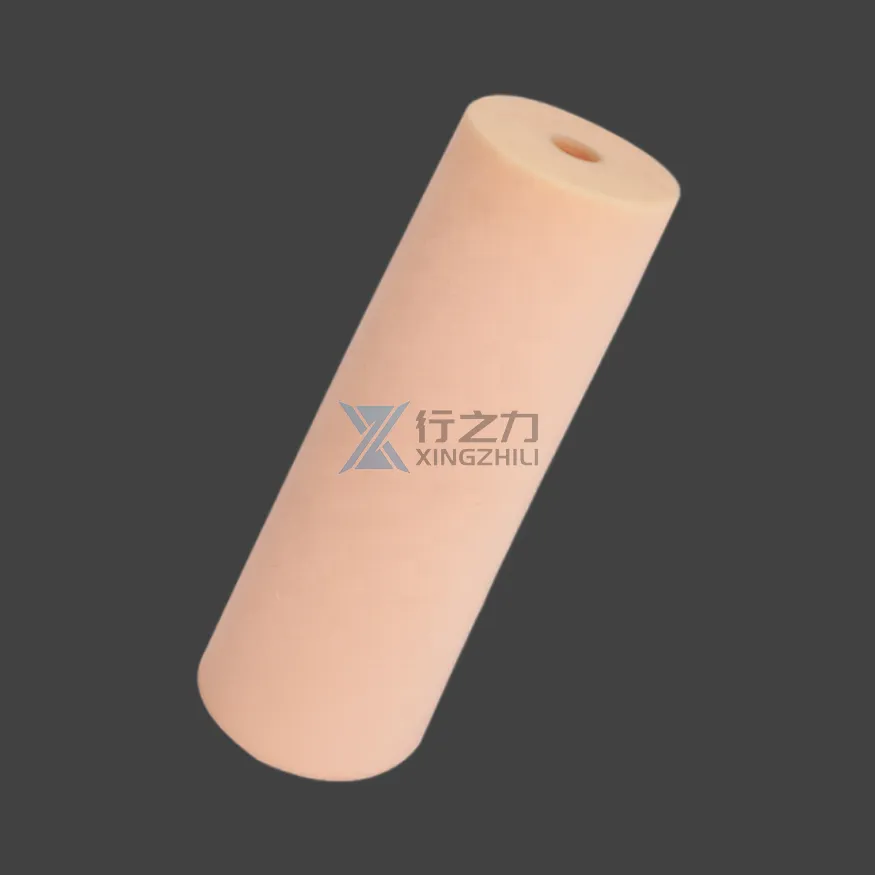
Personalization plays a crucial role in prosthetic acceptance and use. Contemporary prosthetic accessories include customizable covers and shells that can match skin tone or showcase unique designs. These aesthetic options help users express their personality while maintaining a natural appearance when desired.
Advanced finishing techniques and materials allow for detailed surface textures and patterns, providing both visual appeal and practical benefits such as improved grip and durability. The ability to personalize the appearance of prosthetic devices has proven to enhance user confidence and social comfort.
Technological Integration and Smart Features
Connected Device Capabilities
The latest prosthetic accessories incorporate smart technology features that enhance user experience and monitoring capabilities. Bluetooth-enabled components allow for easy adjustment of settings through smartphone applications, while built-in sensors provide valuable feedback about usage patterns and potential maintenance needs.
These connected features enable healthcare providers to remotely monitor prosthetic performance and make necessary adjustments, reducing the need for frequent in-person visits. Users can track their activity levels and receive notifications about optimal wear patterns or required maintenance.
Advanced Control Systems
Cutting-edge control mechanisms utilize advanced algorithms and artificial intelligence to provide more natural movement patterns. Pattern recognition technology allows for smoother transitions between different movements, while predictive programming helps anticipate user intentions for more responsive operation.
Integration with neural interfaces and advanced sensory feedback systems provides users with a more intuitive connection to their prosthetic device. These developments represent significant steps toward creating prosthetic systems that feel and function more like natural limbs.
Maintenance and Longevity Considerations
Care and Upkeep Solutions
High-quality prosthetic accessories are designed with durability in mind, but proper maintenance remains essential for optimal performance. Specialized cleaning kits and care products help preserve component integrity and ensure hygienic conditions. Protective covers and storage solutions protect sensitive components when not in use.
Regular maintenance schedules and professional servicing help identify potential issues before they become problematic, extending the lifespan of prosthetic accessories and maintaining their performance characteristics. This proactive approach to care helps minimize downtime and ensures reliable function.
Upgrade Pathways
The modular nature of modern prosthetic systems allows for strategic upgrades as new technologies become available. Compatible accessory ranges enable users to enhance their existing prosthetic setup without requiring a complete system replacement. This scalability provides a cost-effective path to accessing new features and capabilities.
Future-ready designs incorporate standardized interfaces and connection points, ensuring compatibility with upcoming innovations in prosthetic technology. This forward-thinking approach protects the investment in current components while maintaining access to future advancements.
Frequently Asked Questions
How often should prosthetic accessories be replaced or upgraded?
The replacement schedule for prosthetic accessories varies depending on usage patterns, activity levels, and specific component types. Generally, soft components like liners may need replacement every 3-6 months, while structural components can last several years with proper maintenance. Regular consultations with a prosthetist help determine optimal replacement timing based on individual needs and wear patterns.
Are high-quality prosthetic accessories covered by insurance?
Many insurance providers cover essential prosthetic accessories as part of their coverage plans. The extent of coverage varies by provider and policy type. Working with healthcare providers and insurance specialists can help navigate coverage options and secure necessary documentation for accessory approval.
What should be considered when selecting new prosthetic accessories?
Key considerations include daily activity requirements, lifestyle needs, environmental factors, and specific functional goals. Consulting with a qualified prosthetist helps identify the most appropriate accessories based on individual circumstances, ensuring optimal benefit from the investment in high-quality components.