
 EN
EN



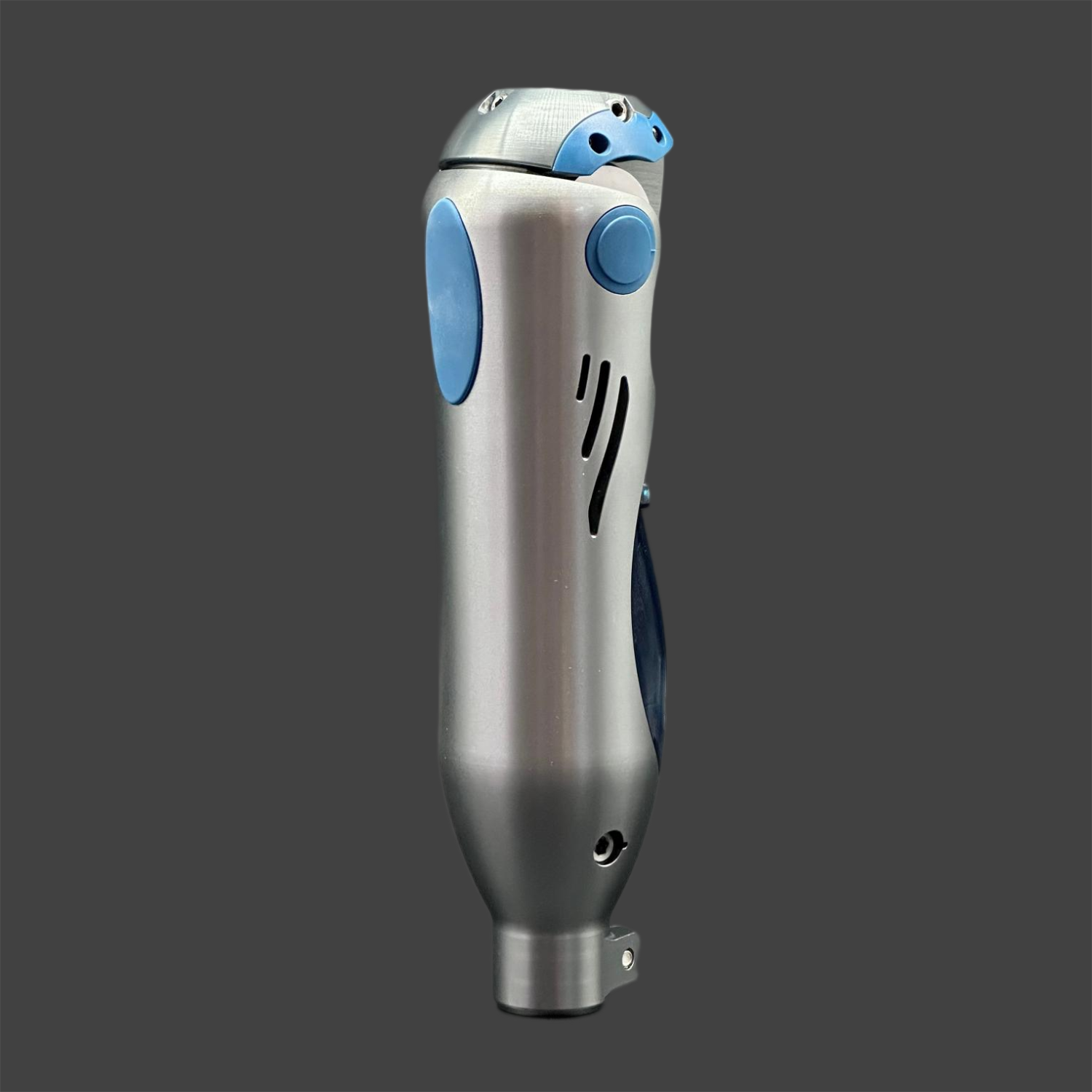
The prosthetics industry has witnessed remarkable technological advancements in recent decades, particularly in the development of knee joint systems for amputees. While intelligent joints have gained significant attention for their sophisticated sensor-driven capabilities, hydraulic knee joint systems continue to hold a vital position in the market due to their unique advantages and proven reliability. Understanding the fundamental differences between these technologies helps prosthetic users and healthcare providers make informed decisions based on individual needs, lifestyle requirements, and functional goals.
The choice between intelligent and hydraulic knee joint systems represents more than a simple technological preference. It involves careful consideration of factors including user activity level, environmental conditions, maintenance requirements, and long-term durability expectations. Many prosthetic specialists recognize that hydraulic knee joint technology offers distinct advantages that make it the preferred choice for specific user profiles and applications.
Understanding Hydraulic Knee Joint Technology
Mechanical Principles and Operation
Hydraulic knee joint systems operate on fundamental fluid dynamics principles, utilizing pressurized hydraulic fluid to control swing and stance phases during walking. The hydraulic knee joint mechanism consists of precision-engineered cylinders, pistons, and valve systems that provide smooth, controlled movement without relying on electronic sensors or processors. This mechanical approach delivers consistent performance across various environmental conditions and user scenarios.
The hydraulic system within a hydraulic knee joint responds instantaneously to changes in user input and external forces. When the user initiates movement, hydraulic fluid flows through calibrated orifices and chambers, creating the appropriate resistance and support needed for natural gait patterns. This immediate mechanical response eliminates the processing delays that can occur with sensor-based intelligent systems.
Durability and Reliability Advantages
One of the most compelling reasons why hydraulic knee joint systems are sometimes preferred involves their exceptional durability and reliability. Without electronic components, sensors, or batteries, hydraulic systems eliminate common failure points associated with digital technology. The robust mechanical construction of a hydraulic knee joint can withstand harsh environmental conditions, moisture exposure, and physical impacts that might compromise intelligent joint systems.
Professional prosthetists often recommend hydraulic knee joint solutions for users engaged in demanding occupational activities or extreme sports. The mechanical simplicity translates to fewer maintenance requirements and reduced risk of unexpected system failures during critical activities. This reliability factor becomes particularly important for users who depend on their prosthetic devices in challenging environments or remote locations where technical support may not be readily available.
Intelligent Joint Technology Overview
Sensor Integration and Processing Capabilities
Intelligent joint systems incorporate sophisticated sensor arrays, microprocessors, and algorithmic control systems to analyze user movement patterns and environmental conditions. These systems continuously monitor factors such as knee angle, loading forces, acceleration, and gait velocity to make real-time adjustments to joint resistance and support characteristics. The intelligent joint technology represents the pinnacle of modern prosthetic engineering, offering unprecedented adaptability and customization options.
The processing power within intelligent joints enables features such as adaptive stance control, variable swing resistance, and automatic mode switching based on detected activities. Users can transition seamlessly between walking, running, stair climbing, and other activities as the system recognizes movement patterns and adjusts accordingly. This technological sophistication provides exceptional functionality for users with active lifestyles and varied mobility requirements.
Customization and Programming Features
Advanced intelligent joint systems offer extensive customization options through software programming and parameter adjustment capabilities. Prosthetists can fine-tune system responses to match individual user preferences, gait characteristics, and specific functional requirements. The ability to store multiple activity profiles and automatically switch between them represents a significant advantage for users with diverse mobility needs.
However, this sophistication comes with increased complexity in setup, adjustment, and maintenance procedures. The hydraulic knee joint alternative provides consistent performance without requiring software updates, battery management, or complex programming procedures. Many users appreciate the straightforward nature of hydraulic systems that deliver reliable performance without ongoing technical adjustments.
Performance Comparison in Real-World Applications
Environmental Resistance and Weather Performance
Environmental conditions significantly impact the performance characteristics of different joint technologies. Hydraulic knee joint systems demonstrate superior resistance to moisture, temperature fluctuations, and dust exposure compared to their intelligent counterparts. The sealed hydraulic chamber construction protects internal components from environmental contamination while maintaining consistent performance across diverse weather conditions.
Users who work in construction, agriculture, or outdoor recreational activities often find that hydraulic knee joint systems provide more reliable performance in challenging environments. The absence of electronic sensors eliminates concerns about moisture damage, temperature-related malfunctions, or dust interference that can affect intelligent joint operation. This environmental resilience makes hydraulic systems particularly suitable for users with active outdoor lifestyles.
Maintenance Requirements and Long-term Costs
The maintenance profile of hydraulic knee joint systems differs significantly from intelligent alternatives. Hydraulic systems typically require periodic fluid replacement and seal inspection but avoid the complexity of software updates, battery replacement, and electronic component servicing. The mechanical nature of hydraulic systems allows many maintenance procedures to be performed by qualified technicians without specialized electronic diagnostic equipment.
Long-term cost considerations often favor hydraulic knee joint solutions due to their extended service life and reduced maintenance requirements. While intelligent joints may require battery replacements, software upgrades, and sensor recalibration over time, hydraulic systems can provide decades of reliable service with basic preventive maintenance. This cost-effectiveness appeals to users seeking dependable prosthetic solutions without ongoing technological overhead.
User Experience and Functional Considerations
Learning Curve and Adaptation Period
The adaptation process for new prosthetic users varies significantly between hydraulic and intelligent joint technologies. Hydraulic knee joint systems typically offer a more predictable learning experience, as their mechanical response characteristics remain consistent throughout the adaptation period. Users can develop muscle memory and movement patterns without concerns about system behavior changes or automatic adjustments.
New prosthetic users often find hydraulic systems easier to understand and control during initial training periods. The direct mechanical relationship between user input and joint response eliminates variables associated with sensor interpretation and algorithmic processing. This predictability can accelerate the rehabilitation process and build user confidence more quickly than complex intelligent systems.
Activity-Specific Performance Characteristics
Different joint technologies excel in specific activity categories and user scenarios. Hydraulic knee joint systems demonstrate particular advantages for users engaged in repetitive, high-impact activities or those requiring consistent performance across extended periods. The mechanical damping characteristics of hydraulic systems provide excellent energy absorption during activities such as construction work, farming, or industrial applications.
Professional athletes and recreational sports enthusiasts often prefer hydraulic knee joint solutions for activities where consistent, predictable performance takes priority over adaptive functionality. The immediate response characteristics and reliable energy return of hydraulic systems support explosive movements and high-intensity activities without the processing delays that can occur with sensor-based systems.
Economic Factors and Accessibility
Initial Investment and Insurance Coverage
Cost considerations play a crucial role in prosthetic device selection, particularly regarding initial purchase price and insurance coverage availability. Hydraulic knee joint systems typically represent a more affordable entry point into advanced prosthetic technology compared to high-end intelligent alternatives. This cost advantage makes hydraulic systems accessible to a broader range of users and healthcare systems with budget constraints.
Insurance coverage policies often favor proven technologies with established clinical outcomes and cost-effectiveness profiles. Hydraulic knee joint systems benefit from decades of successful clinical use and documented patient outcomes, making them more likely to receive favorable insurance consideration. The reduced complexity and lower failure rates associated with hydraulic systems also appeal to insurance providers concerned about long-term coverage responsibilities.
Global Availability and Service Support
The global availability of service support represents another significant advantage for hydraulic knee joint technology. Mechanical hydraulic systems can be serviced by qualified technicians worldwide using standard tools and procedures, unlike intelligent systems that may require specialized diagnostic equipment or manufacturer-specific training. This universal serviceability ensures that users can maintain their prosthetic devices regardless of geographic location or local technical infrastructure.
International users and those living in developing regions often find hydraulic knee joint systems more practical due to simplified maintenance requirements and widespread technical support availability. The mechanical nature of hydraulic systems eliminates dependencies on software updates, electronic parts availability, or specialized training that can limit intelligent joint serviceability in certain geographic regions.
Future Developments and Technology Evolution
Hybrid System Integration
Emerging prosthetic technologies increasingly focus on combining the reliability advantages of hydraulic knee joint systems with selective intelligent features. These hybrid approaches maintain the mechanical foundation of hydraulic control while incorporating limited electronic enhancements for specific functions. This evolution recognizes that different users benefit from different technological approaches and that optimal solutions may involve combining proven hydraulic principles with targeted intelligent features.
Research and development efforts continue to explore ways to enhance hydraulic knee joint performance through material innovations, precision manufacturing techniques, and optimized fluid dynamics. These improvements maintain the fundamental advantages of hydraulic systems while increasing performance capabilities and user satisfaction levels.
Material Science and Manufacturing Advances
Advances in materials science and precision manufacturing continue to enhance hydraulic knee joint performance and durability. Modern hydraulic systems benefit from improved seal materials, corrosion-resistant components, and precision-machined surfaces that extend service life and reduce maintenance requirements. These technological improvements maintain the inherent advantages of hydraulic systems while addressing historical limitations related to weight, size, and performance consistency.
Manufacturing innovations enable the production of lighter, more compact hydraulic knee joint systems without compromising strength or performance characteristics. These developments make hydraulic technology increasingly attractive to users seeking reliable performance in a more cosmetically appealing package. The continued evolution of hydraulic technology ensures its ongoing relevance in the modern prosthetics landscape.
FAQ
What makes hydraulic knee joints more reliable than intelligent joints
Hydraulic knee joint systems offer superior reliability primarily due to their mechanical design that eliminates electronic components, sensors, and batteries. Without these potential failure points, hydraulic systems can operate consistently across diverse environmental conditions and extended periods without requiring software updates or electronic maintenance. The mechanical simplicity translates to fewer variables that can malfunction, making hydraulic systems particularly dependable for users in demanding occupational or recreational environments.
How do maintenance requirements differ between hydraulic and intelligent knee joints
Hydraulic knee joint systems require primarily mechanical maintenance including periodic fluid replacement, seal inspection, and basic component lubrication. This maintenance can be performed by qualified technicians using standard tools without specialized electronic equipment. Intelligent joints require additional maintenance including battery replacement, software updates, sensor calibration, and electronic diagnostic procedures that often require manufacturer-specific training and equipment, resulting in higher long-term maintenance costs and complexity.
Which joint type performs better in harsh environmental conditions
Hydraulic knee joint systems demonstrate superior performance in challenging environmental conditions due to their sealed mechanical construction and absence of sensitive electronic components. These systems resist moisture, dust, temperature fluctuations, and physical impacts more effectively than intelligent joints, which can suffer from sensor interference, moisture damage, or temperature-related malfunctions. This environmental resilience makes hydraulic systems ideal for users working in construction, agriculture, or outdoor recreational activities.
Are hydraulic knee joints suitable for active users and athletes
Hydraulic knee joint systems excel for many active users and athletes, particularly those engaged in high-impact, repetitive activities or sports requiring consistent, predictable performance. The immediate mechanical response and reliable energy return characteristics of hydraulic systems support explosive movements and sustained physical activity without processing delays. Many professional athletes prefer hydraulic systems for activities where consistent performance takes priority over adaptive functionality, though individual needs may vary based on specific sport requirements and personal preferences.