
 EN
EN



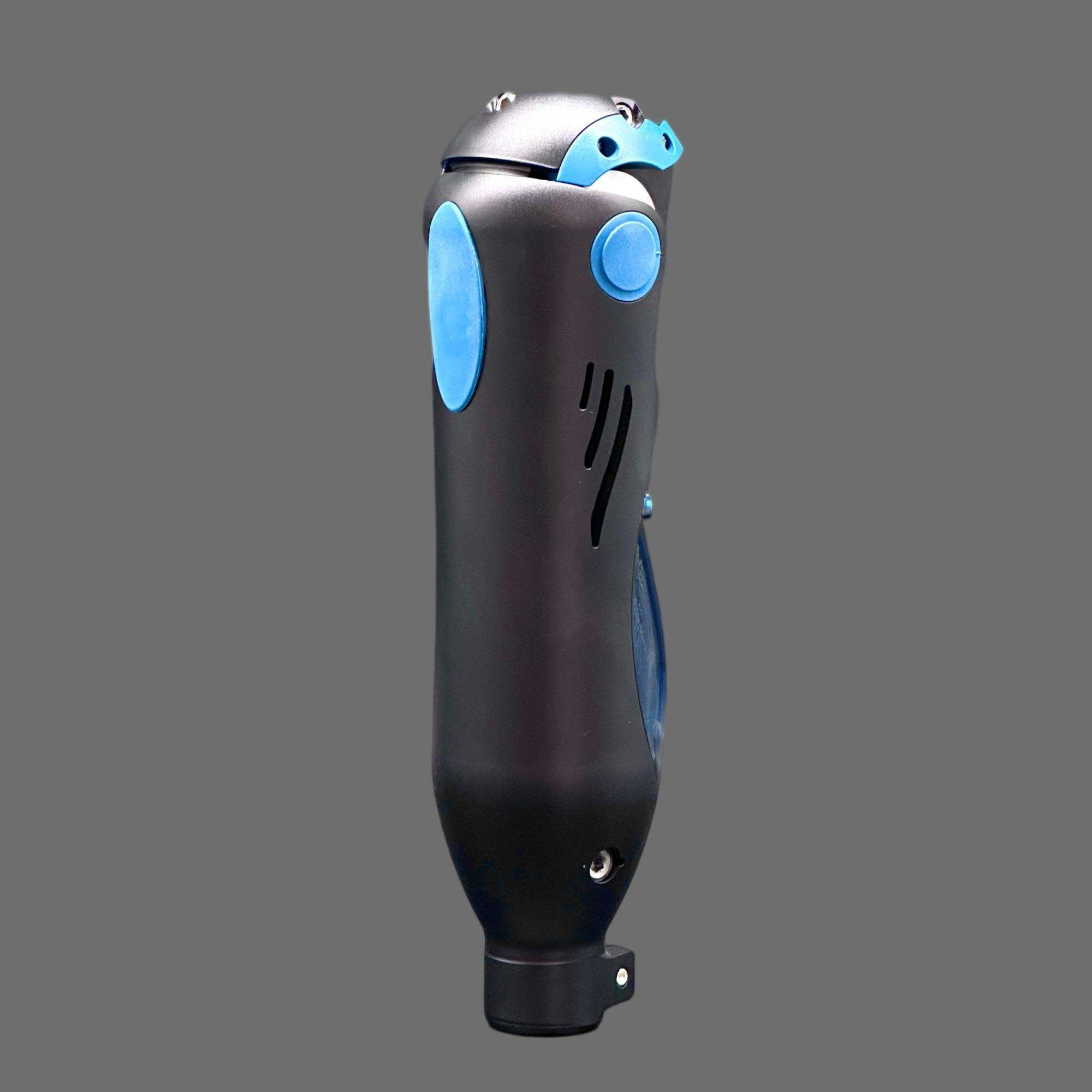
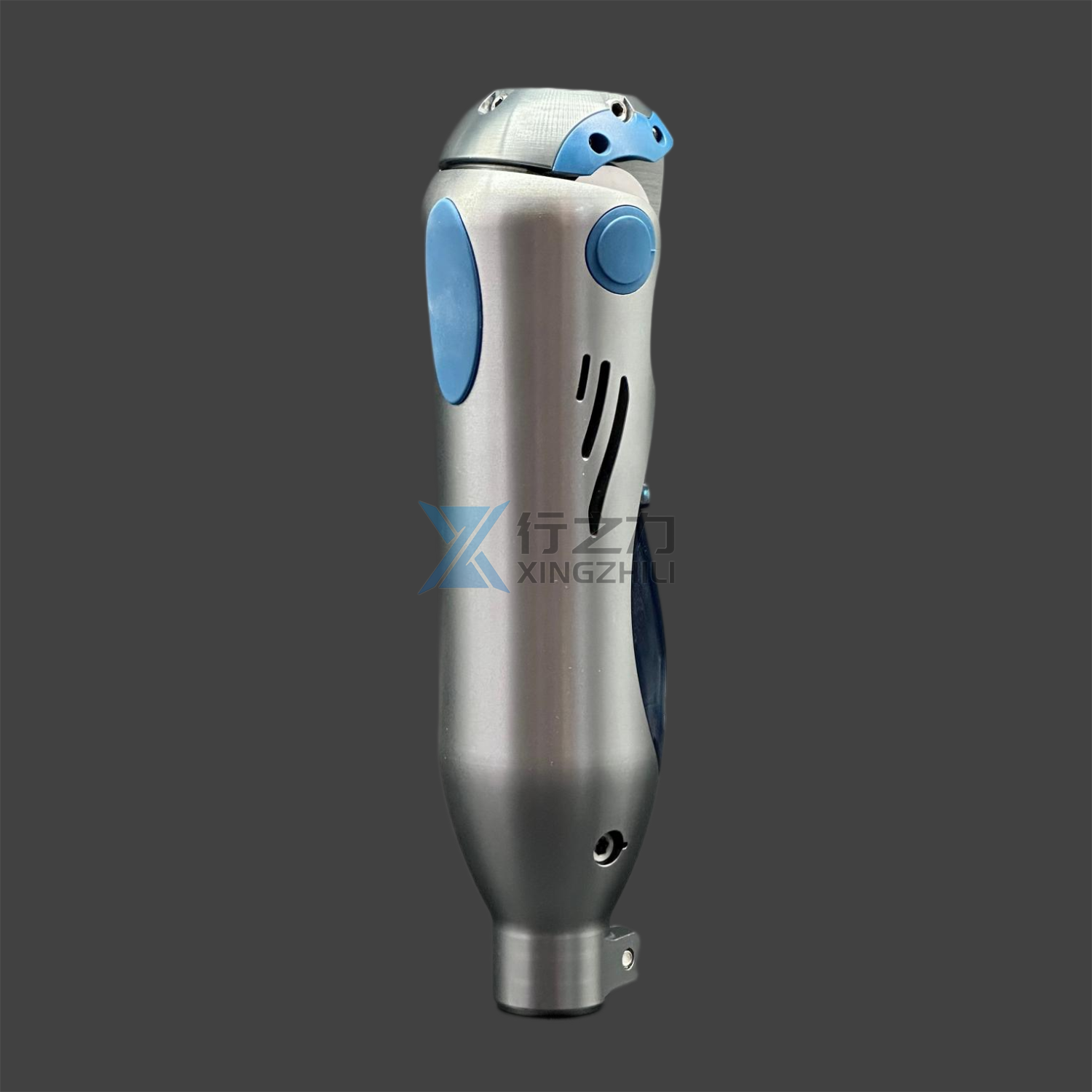
Selecting the appropriate prosthetic knee joint represents one of the most critical decisions in lower limb prosthetics, directly impacting mobility, comfort, and quality of life. The modern prosthetic knee joint market offers numerous options, each designed to accommodate specific activity levels, user requirements, and biomechanical needs. Understanding these variations and matching them to individual circumstances requires careful consideration of multiple factors including daily activities, physical capabilities, and long-term mobility goals.
Understanding Activity Level Classifications
K-Level Assessment Framework
The healthcare industry utilizes a standardized K-level classification system to categorize amputee mobility potential and determine appropriate prosthetic knee joint specifications. This system ranges from K0 to K4, with each level representing different functional capabilities and mobility expectations. K0 indicates non-ambulatory status where individuals cannot safely transfer or ambulate, while K1 represents household ambulators with limited community mobility. These initial classifications typically require basic mechanical prosthetic knee joint designs that prioritize stability over dynamic function.
K2 level ambulators demonstrate limited community mobility capabilities and benefit from prosthetic knee joint systems that provide moderate swing phase control and stance stability. K3 community ambulators require more sophisticated prosthetic knee joint mechanisms that accommodate variable cadence walking, stair navigation, and basic recreational activities. The highest classification, K4, encompasses unlimited community ambulators who engage in high-impact activities, sports, and demanding occupational tasks requiring advanced prosthetic knee joint technology with microprocessor control and adaptive response capabilities.
Daily Activity Requirements
Evaluating daily activity patterns provides essential insights for prosthetic knee joint selection beyond basic K-level classifications. Individuals who spend significant time walking on uneven terrain require prosthetic knee joint systems with enhanced stability features and terrain adaptation capabilities. Office workers may prioritize comfortable sitting mechanics and smooth transitions between sitting and standing positions, while active professionals need prosthetic knee joint designs that accommodate prolonged standing, frequent position changes, and dynamic movement patterns.
Recreational activities significantly influence prosthetic knee joint selection criteria, as different sports and hobbies place varying demands on the prosthetic system. Swimming requires waterproof prosthetic knee joint components, while cycling demands specific flexion angles and resistance characteristics. Running activities necessitate energy-return features and shock absorption capabilities that standard prosthetic knee joint designs may not provide adequately.
Mechanical Prosthetic Knee Joint Options
Single-Axis Knee Mechanisms
Single-axis prosthetic knee joint designs represent the most fundamental mechanical option, featuring a simple hinge mechanism that allows flexion and extension movements. These systems provide reliable basic function for lower activity level users, offering predictable performance and minimal maintenance requirements. The single-axis prosthetic knee joint typically incorporates friction or pneumatic swing phase control to prevent excessive heel rise during walking and ensure smooth leg advancement.
Despite their simplicity, single-axis prosthetic knee joint systems can accommodate manual locking mechanisms for enhanced security during standing activities. This feature particularly benefits new amputees developing confidence in prosthetic use and individuals with limited hip strength or balance capabilities. The straightforward design also translates to cost-effectiveness and durability, making single-axis prosthetic knee joint options suitable for users requiring reliable basic mobility without advanced features.
Polycentric Knee Designs
Polycentric prosthetic knee joint systems utilize multiple pivot points to create more anatomically correct motion patterns and enhanced stability characteristics. The multi-axis design enables the instantaneous center of rotation to shift throughout the range of motion, providing improved ground clearance during swing phase and better knee stability during stance phase. This prosthetic knee joint configuration particularly benefits individuals with longer residual limbs or those experiencing difficulty with single-axis alternatives.
The geometric stability inherent in polycentric prosthetic knee joint designs reduces the muscular effort required for stance phase control, making these systems suitable for users with compromised hip strength or balance issues. Advanced polycentric configurations incorporate adjustable stance flexion features that allow controlled knee bending during loading response, providing shock absorption benefits and more natural gait mechanics compared to rigid prosthetic knee joint alternatives.
Hydraulic and Pneumatic Systems
Hydraulic Control Mechanisms
Hydraulic prosthetic knee joint systems employ fluid-based resistance mechanisms to provide sophisticated swing and stance phase control adaptable to varying walking speeds and terrain conditions. The prosthetic knee joint utilizes pressurized hydraulic fluid to create variable resistance levels that automatically adjust based on user input forces and movement patterns. This technology enables smooth cadence transitions and natural gait mechanics across different walking speeds without requiring manual adjustments.
The hydraulic prosthetic knee joint design incorporates sophisticated valve systems that differentiate between swing and stance phase requirements, providing optimal resistance characteristics for each gait phase. During swing phase, the hydraulic system controls knee flexion and extension velocities to ensure proper foot clearance and natural leg advancement. Stance phase hydraulic control offers progressive resistance that accommodates controlled knee flexion under load while maintaining stability and preventing unwanted collapse.
Pneumatic Assistance Features
Pneumatic prosthetic knee joint systems utilize compressed air or gas springs to provide swing phase assistance and stance phase control with lighter weight characteristics compared to hydraulic alternatives. The pneumatic mechanism offers responsive control that adapts to walking speed variations while maintaining consistent performance across different environmental conditions. This prosthetic knee joint technology particularly benefits active users who require reliable performance during extended walking periods or varying activity levels.
Advanced pneumatic prosthetic knee joint designs incorporate multiple chambers and valve systems that independently control flexion and extension resistance characteristics. The pneumatic assistance reduces the energy expenditure required for leg advancement during swing phase while providing adequate stance stability through controlled resistance mechanisms. This combination enables more efficient walking patterns and reduced fatigue during extended ambulation periods.
Microprocessor-Controlled Systems
Advanced Sensor Technology
Microprocessor-controlled prosthetic knee joint systems represent the pinnacle of current prosthetic technology, incorporating sophisticated sensors and computer algorithms to provide real-time gait adaptation and enhanced safety features. These systems continuously monitor multiple parameters including ground reaction forces, knee position, acceleration, and movement patterns to optimize prosthetic knee joint performance for each individual step. The microprocessor technology enables automatic adjustments that accommodate changing terrain conditions, walking speeds, and activity transitions seamlessly.
The sensor array in advanced prosthetic knee joint systems typically includes gyroscopes, accelerometers, force sensors, and position encoders that provide comprehensive gait analysis data to the control algorithms. This information enables the prosthetic knee joint to distinguish between different activities such as walking, stair negotiation, ramp navigation, and sitting transitions, automatically adjusting resistance characteristics and control parameters for optimal performance in each situation.
Adaptive Control Algorithms
The microprocessor algorithms in advanced prosthetic knee joint systems continuously learn and adapt to individual user patterns, creating personalized gait profiles that optimize performance for specific walking styles and preferences. These adaptive control systems analyze thousands of data points per second to predict user intentions and adjust prosthetic knee joint behavior proactively rather than reactively. The learning capability enables the system to accommodate changes in user capabilities over time and provide consistent performance across varying conditions.
Advanced prosthetic knee joint algorithms incorporate predictive modeling that anticipates upcoming gait events based on current sensor inputs and historical patterns. This predictive capability enables smooth transitions between different gait phases and activities while maintaining safety margins that prevent unexpected knee behavior. The sophisticated control systems also provide stumble recovery features that detect perturbations and automatically adjust prosthetic knee joint resistance to maintain stability and prevent falls.
Fitting and Alignment Considerations
Socket Interface Requirements
Proper socket design and fitting represent critical factors in prosthetic knee joint selection and performance optimization. The socket interface must accommodate the chosen prosthetic knee joint dimensions, weight characteristics, and alignment requirements while maintaining comfortable fit and secure attachment to the residual limb. Different prosthetic knee joint designs may require specific socket modifications or interface components to achieve optimal function and user comfort.
The residual limb length and shape significantly influence prosthetic knee joint selection criteria, as longer limbs provide better leverage and control capabilities that can accommodate more sophisticated knee mechanisms. Shorter residual limbs may require prosthetic knee joint designs with enhanced stability features or external control mechanisms to compensate for reduced proprioceptive feedback and muscular control capabilities.
Biomechanical Alignment Principles
Prosthetic knee joint alignment directly impacts gait quality, energy efficiency, and component longevity, requiring precise positioning to optimize performance characteristics. The alignment process involves adjusting the prosthetic knee joint position relative to the socket and foot components to achieve proper load distribution and natural gait mechanics. Incorrect alignment can result in gait deviations, increased energy expenditure, and premature component wear regardless of the prosthetic knee joint quality or sophistication.
Dynamic alignment adjustments enable fine-tuning of prosthetic knee joint performance based on individual gait patterns and preferences observed during actual use conditions. This process involves systematic modifications to alignment parameters while monitoring gait quality, user comfort, and functional performance. The iterative alignment process ensures that the prosthetic knee joint operates within optimal parameters for each individual user's specific requirements and capabilities.
Maintenance and Durability Factors
Service Requirements
Different prosthetic knee joint technologies require varying maintenance schedules and service procedures to maintain optimal performance and safety standards. Mechanical prosthetic knee joint systems typically require periodic lubrication, wear component replacement, and adjustment procedures that can often be performed by trained technicians or users themselves. Hydraulic and pneumatic systems may require fluid changes, seal replacements, and pressure adjustments that necessitate specialized equipment and technical expertise.
Microprocessor-controlled prosthetic knee joint systems require software updates, battery maintenance, and electronic component servicing that demand specialized technical support and diagnostic equipment. The complexity of these systems necessitates regular professional maintenance to ensure proper calibration, sensor function, and algorithm performance. Users must consider the availability of qualified service providers and the associated maintenance costs when selecting advanced prosthetic knee joint technologies.
Environmental Durability
Environmental conditions significantly impact prosthetic knee joint performance and longevity, requiring consideration of exposure factors such as moisture, temperature extremes, dust, and impact loads. Water resistance varies considerably among prosthetic knee joint designs, with some systems requiring protection from moisture while others incorporate sealed components suitable for swimming or water activities. Temperature sensitivity affects hydraulic and pneumatic systems differently, with some prosthetic knee joint designs maintaining consistent performance across wider temperature ranges.
Impact resistance and wear characteristics vary among prosthetic knee joint materials and designs, influencing suitability for different activity levels and environmental conditions. High-activity users may require prosthetic knee joint systems with enhanced durability features and more frequent component replacement schedules compared to lower-activity alternatives. The cost-benefit analysis must include expected component lifespan and replacement expenses when evaluating different prosthetic knee joint options.
FAQ
What factors determine the most suitable prosthetic knee joint for my activity level
The most suitable prosthetic knee joint selection depends on your K-level classification, daily activities, recreational pursuits, and long-term mobility goals. Healthcare providers assess your walking ability, balance, strength, and lifestyle requirements to recommend appropriate technology levels. Factors include terrain navigation needs, walking speed variations, stair climbing requirements, and participation in sports or demanding activities that influence the complexity and features needed in your prosthetic knee joint system.
How do microprocessor-controlled prosthetic knee joints differ from mechanical alternatives
Microprocessor-controlled prosthetic knee joint systems provide real-time gait adaptation through sophisticated sensors and algorithms that automatically adjust resistance and control parameters for each step. These systems offer enhanced safety features, stumble recovery capabilities, and seamless transitions between different activities compared to mechanical alternatives. While mechanical prosthetic knee joint designs provide reliable basic function, microprocessor systems deliver superior performance for active users requiring advanced mobility capabilities and terrain adaptation.
Can I participate in sports with my prosthetic knee joint
Sports participation depends on your prosthetic knee joint type, individual capabilities, and specific sport requirements. Many prosthetic knee joint systems accommodate recreational activities, while specialized sports knees enable participation in running, cycling, swimming, and other athletic pursuits. Microprocessor-controlled units often provide the best sports performance through adaptive control features, while dedicated sports-specific prosthetic knee joint designs optimize function for particular activities requiring specialized biomechanical characteristics.
How often does a prosthetic knee joint require maintenance or replacement
Maintenance schedules vary significantly among prosthetic knee joint types and usage patterns. Mechanical systems typically require annual servicing and component replacement every 3-5 years depending on activity level. Hydraulic and pneumatic prosthetic knee joint systems may need fluid changes and seal replacements every 1-2 years. Microprocessor units require regular software updates, battery maintenance, and professional calibration, with major component replacement typically needed every 5-7 years based on usage intensity and environmental exposure.
Table of Contents
- Understanding Activity Level Classifications
- Mechanical Prosthetic Knee Joint Options
- Hydraulic and Pneumatic Systems
- Microprocessor-Controlled Systems
- Fitting and Alignment Considerations
- Maintenance and Durability Factors
-
FAQ
- What factors determine the most suitable prosthetic knee joint for my activity level
- How do microprocessor-controlled prosthetic knee joints differ from mechanical alternatives
- Can I participate in sports with my prosthetic knee joint
- How often does a prosthetic knee joint require maintenance or replacement