
 EN
EN


Maintaining proper hygiene and functionality of your prosthetic limb requires establishing a comprehensive cleaning routine that protects both the device and your residual limb health. Regular prosthetic device cleaning prevents bacterial growth, extends equipment lifespan, and ensures optimal comfort during daily activities. Understanding the specific care requirements for different prosthetic components helps amputees maintain their independence while avoiding costly repairs or replacements.
Understanding Prosthetic Components and Their Cleaning Needs
Socket and Liner Care Requirements
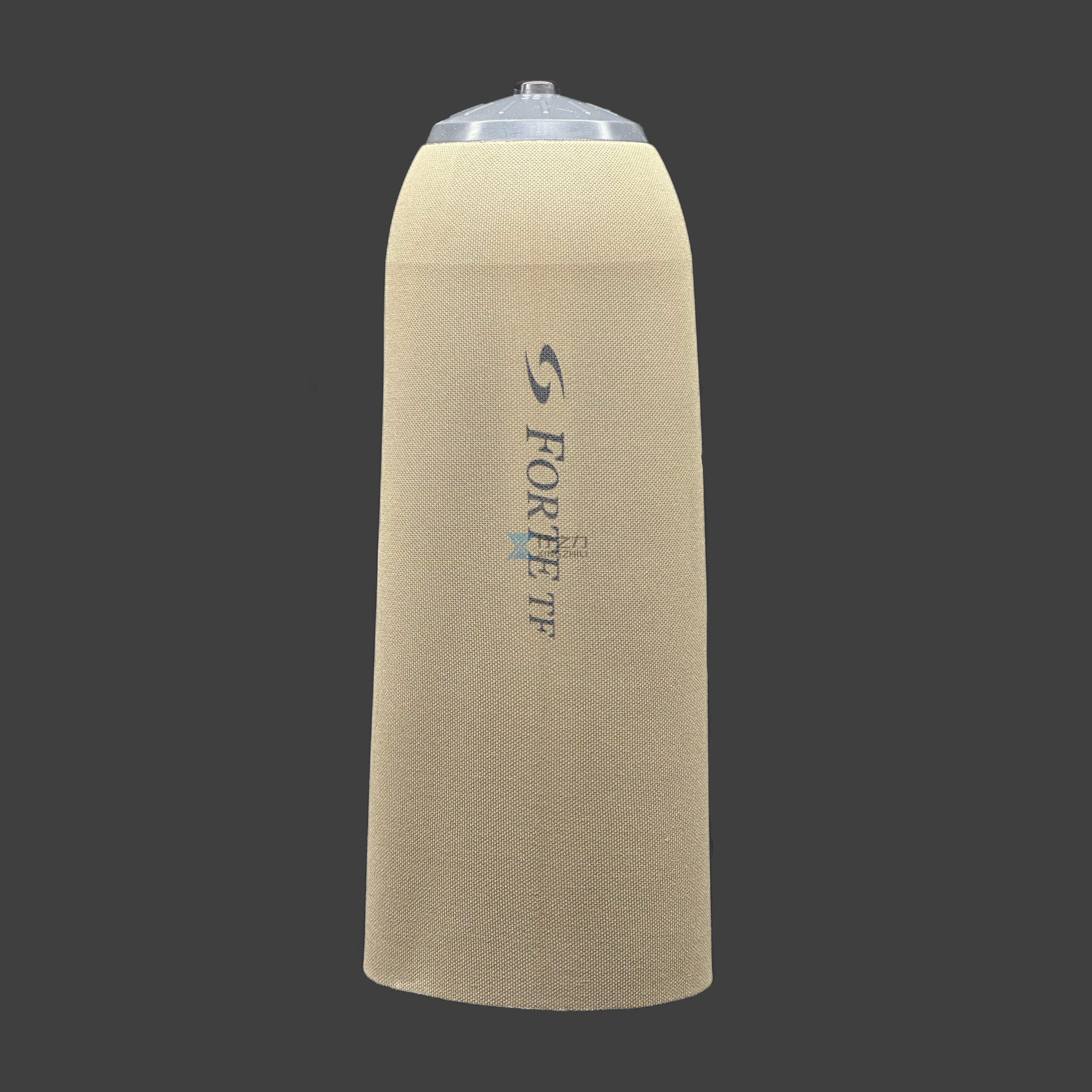
The prosthetic socket serves as the primary interface between your residual limb and the artificial limb, making it the most critical component for prosthetic device cleaning protocols. Daily accumulation of perspiration, dead skin cells, and environmental debris creates an ideal breeding ground for bacteria if not properly addressed. The socket's interior surface requires gentle yet thorough cleaning to maintain hygiene without damaging sensitive materials or compromising the fit.
Silicone liners demand specialized attention during your prosthetic device cleaning routine because they come into direct contact with your skin for extended periods. These components are particularly susceptible to odor retention and bacterial colonization due to their porous nature and constant exposure to moisture. Understanding the manufacturer's recommended cleaning agents ensures you avoid products that might degrade the silicone material or cause allergic reactions.
Mechanical Components and Joint Systems
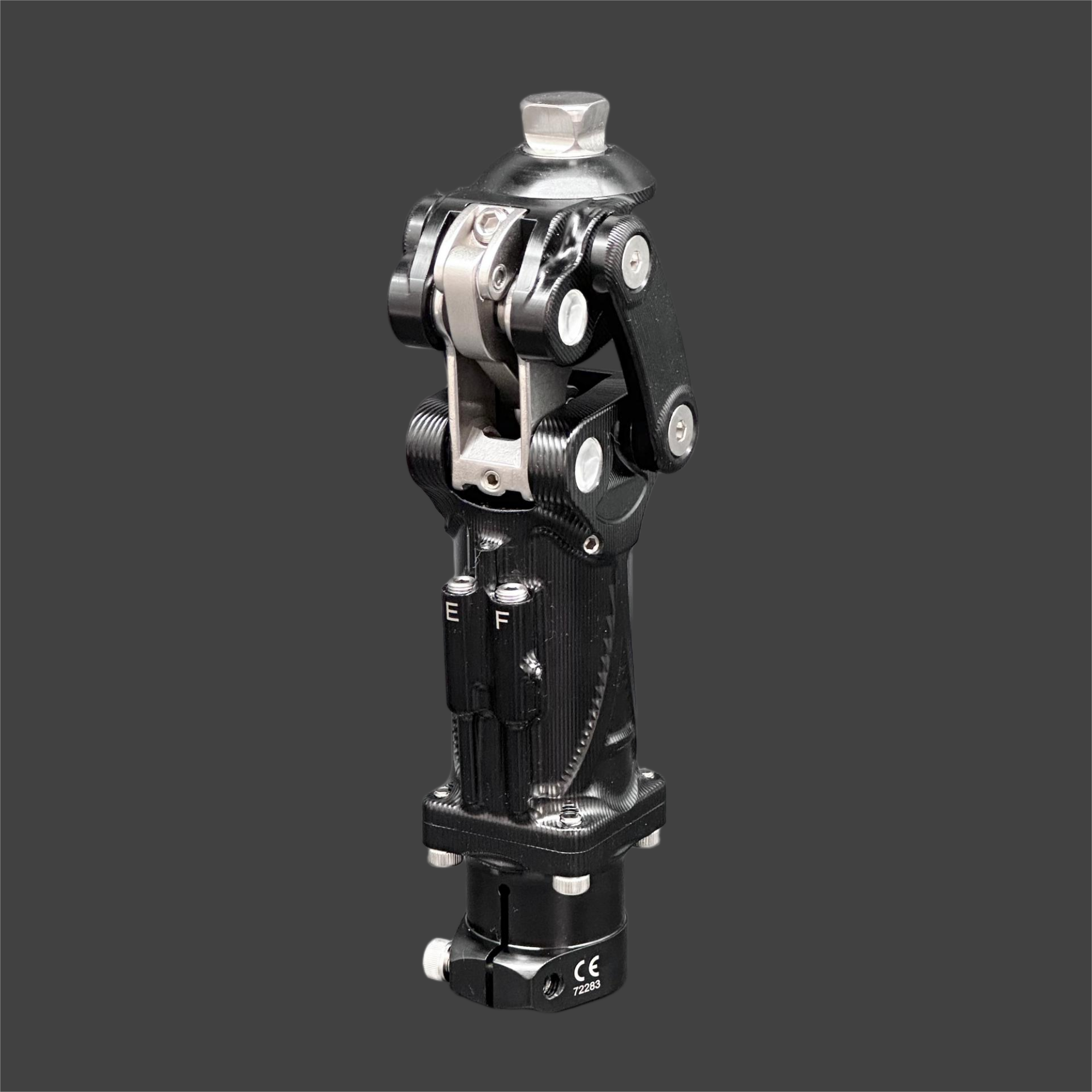
Prosthetic joints, hinges, and mechanical components require different cleaning approaches compared to skin-contact surfaces during your prosthetic device cleaning routine. These elements are susceptible to dust accumulation, moisture corrosion, and mechanical wear that can compromise functionality if neglected. Regular inspection and cleaning of moving parts prevents premature failure and maintains smooth operation throughout the device's lifespan.
Electronic components in advanced prosthetic systems need particular care during prosthetic device cleaning procedures to avoid water damage or electrical malfunction. Understanding which components can be safely exposed to moisture and which require protective measures helps prevent costly repairs while maintaining optimal device performance.
Daily Cleaning Protocols and Best Practices
Morning Preparation Routines
Beginning each day with proper prosthetic device cleaning establishes a foundation for comfortable wear and optimal hygiene throughout your daily activities. Start by inspecting your residual limb for any signs of irritation, wounds, or changes in volume that might affect the prosthetic fit. This daily assessment helps identify potential issues before they develop into serious complications requiring medical intervention.
Clean the socket interior using a lint-free cloth dampened with mild antibacterial solution specifically designed for prosthetic care. Avoid harsh chemicals or alcohol-based products that might damage socket materials or cause skin irritation during extended wear. Allow the socket to air dry completely before donning your liner to prevent moisture trapping that could lead to skin maceration or bacterial growth.
Evening Removal and Cleaning Procedures
Your evening prosthetic device cleaning routine should focus on thorough removal of accumulated debris, perspiration, and bacteria that build up during daily activities. Remove the prosthetic carefully to avoid sudden pressure changes that might cause discomfort to your residual limb. Inspect both your limb and the prosthetic components for any signs of wear, damage, or irritation that require attention.
Wash removable components like liners and socks in warm water with appropriate cleaning agents, following manufacturer specifications for temperature and detergent selection. Proper prosthetic device cleaning includes thorough rinsing to remove all soap residue that could cause skin irritation or material degradation over time. Air drying overnight ensures complete moisture removal and prevents bacterial growth in closed storage containers.
Weekly Deep Cleaning and Maintenance
Comprehensive Socket Sanitization
Weekly deep cleaning sessions provide opportunities for more thorough prosthetic device cleaning that addresses areas difficult to reach during daily maintenance routines. Remove all removable components and clean each element separately using appropriate cleaning agents and techniques. This comprehensive approach ensures no area is neglected and helps identify developing problems before they require professional intervention.
Use specialized prosthetic cleaning solutions designed to penetrate porous materials and eliminate embedded bacteria without damaging sensitive components. Pay particular attention to crevices, adjustment mechanisms, and areas where different materials meet, as these locations often harbor bacteria and debris despite regular prosthetic device cleaning efforts.
Mechanical System Inspection and Lubrication
Weekly maintenance should include systematic inspection of all mechanical components, joints, and adjustment mechanisms that contribute to prosthetic function. Clean accumulated debris from moving parts using appropriate tools and techniques that won't damage precision components. This preventive approach to prosthetic device cleaning helps maintain smooth operation and extends the functional lifespan of expensive mechanical elements.
Apply manufacturer-recommended lubricants to appropriate mechanical components following specific guidelines for frequency and quantity. Over-lubrication can attract dirt and debris, while insufficient lubrication leads to premature wear and reduced functionality. Proper prosthetic device cleaning includes maintaining optimal lubrication levels for all mechanical systems.
Specialized Cleaning Techniques for Different Materials
Silicone and Thermoplastic Care
Silicone components require gentle cleaning techniques that preserve material integrity while ensuring thorough sanitization during prosthetic device cleaning routines. Use mild, pH-neutral cleaning agents specifically formulated for medical-grade silicone to avoid chemical degradation or surface damage. Avoid scrubbing with abrasive materials that could create microscopic scratches where bacteria might colonize.
Thermoplastic materials respond well to warm water cleaning but require careful temperature control to prevent deformation or material stress. Understanding the thermal limits of different prosthetic materials helps optimize your prosthetic device cleaning procedures without risking component damage that could affect fit or function.
Metal and Carbon Fiber Components
Metal components in prosthetic systems require different cleaning approaches compared to soft materials during comprehensive prosthetic device cleaning routines. Stainless steel and titanium elements can tolerate more aggressive cleaning agents but still require appropriate care to maintain surface finishes and prevent corrosion. Regular inspection for signs of wear, corrosion, or mechanical damage helps identify maintenance needs before they compromise device function.
Carbon fiber components demand careful handling during prosthetic device cleaning to avoid delamination or structural damage that could lead to catastrophic failure. Use soft brushes and appropriate cleaning solutions designed for composite materials, avoiding harsh chemicals that might weaken the resin matrix or damage protective coatings.
Common Cleaning Mistakes and How to Avoid Them
Product Selection Errors
Many prosthetic users inadvertently damage their devices by using inappropriate cleaning products during their prosthetic device cleaning routines. Household cleaners, bleach, and alcohol-based products can degrade prosthetic materials, cause discoloration, or create chemical residues that irritate skin. Always consult manufacturer guidelines and use products specifically designed for prosthetic care to avoid costly damage.
Selecting cleaning products based on fragrance or marketing claims rather than material compatibility can lead to unexpected reactions or component failure. Proper prosthetic device cleaning requires understanding the chemical compatibility between cleaning agents and prosthetic materials to ensure long-term safety and functionality.
Technique and Timing Issues
Rushing through prosthetic device cleaning procedures often results in incomplete sanitization or inadvertent damage to sensitive components. Take sufficient time to properly clean all surfaces, allow appropriate contact time for cleaning agents to work effectively, and ensure thorough rinsing to remove all chemical residues.
Inadequate drying time between cleaning and use can trap moisture that promotes bacterial growth and skin irritation. Establish prosthetic device cleaning schedules that allow sufficient drying time while maintaining your daily activity requirements and comfort needs.
Professional Maintenance and Support
When to Seek Professional Cleaning Services
Certain aspects of prosthetic device cleaning require professional expertise and specialized equipment that exceed typical home care capabilities. Deep sanitization of complex mechanical systems, electronic component maintenance, and structural integrity assessments should be performed by qualified prosthetic technicians using appropriate tools and techniques.
Persistent odors, visible damage, or functional changes despite proper prosthetic device cleaning indicate the need for professional evaluation and intervention. Regular professional maintenance complements home care routines and helps identify developing problems before they require expensive repairs or replacements.
Establishing Maintenance Schedules
Work with your prosthetic care team to establish appropriate maintenance schedules that balance your activity levels, environmental exposures, and device complexity. Professional prosthetic device cleaning and maintenance intervals vary based on usage patterns, material types, and individual user needs.
Document your cleaning routines, maintenance activities, and any observed changes in device performance to help your prosthetic team optimize care recommendations. This information assists in identifying patterns that might indicate the need for adjustments to your prosthetic device cleaning protocols or professional maintenance schedules.
FAQ
How often should I perform thorough prosthetic device cleaning
Daily basic cleaning is essential for all prosthetic users, while comprehensive prosthetic device cleaning should occur weekly or more frequently depending on your activity level and environmental exposure. High-activity users or those in dusty, humid environments may require more frequent deep cleaning to maintain optimal hygiene and device function.
Can I use regular household cleaners for prosthetic device cleaning
Avoid household cleaners for prosthetic device cleaning as they may contain harsh chemicals that can damage prosthetic materials, cause discoloration, or leave residues that irritate skin. Use only cleaning products specifically designed for prosthetic care and recommended by your device manufacturer.
What should I do if my prosthetic develops persistent odors despite regular cleaning
Persistent odors despite proper prosthetic device cleaning may indicate bacterial colonization in porous materials, component degradation, or the need for professional deep cleaning. Consult your prosthetic care provider for evaluation and potential component replacement or specialized cleaning procedures.
How do I know if my prosthetic device cleaning routine is effective
Effective prosthetic device cleaning results in odor-free components, absence of visible debris or discoloration, comfortable skin condition without irritation, and optimal device function. Regular inspection of both your residual limb and prosthetic components helps assess the effectiveness of your cleaning routine and identify areas needing improvement.