
 EN
EN


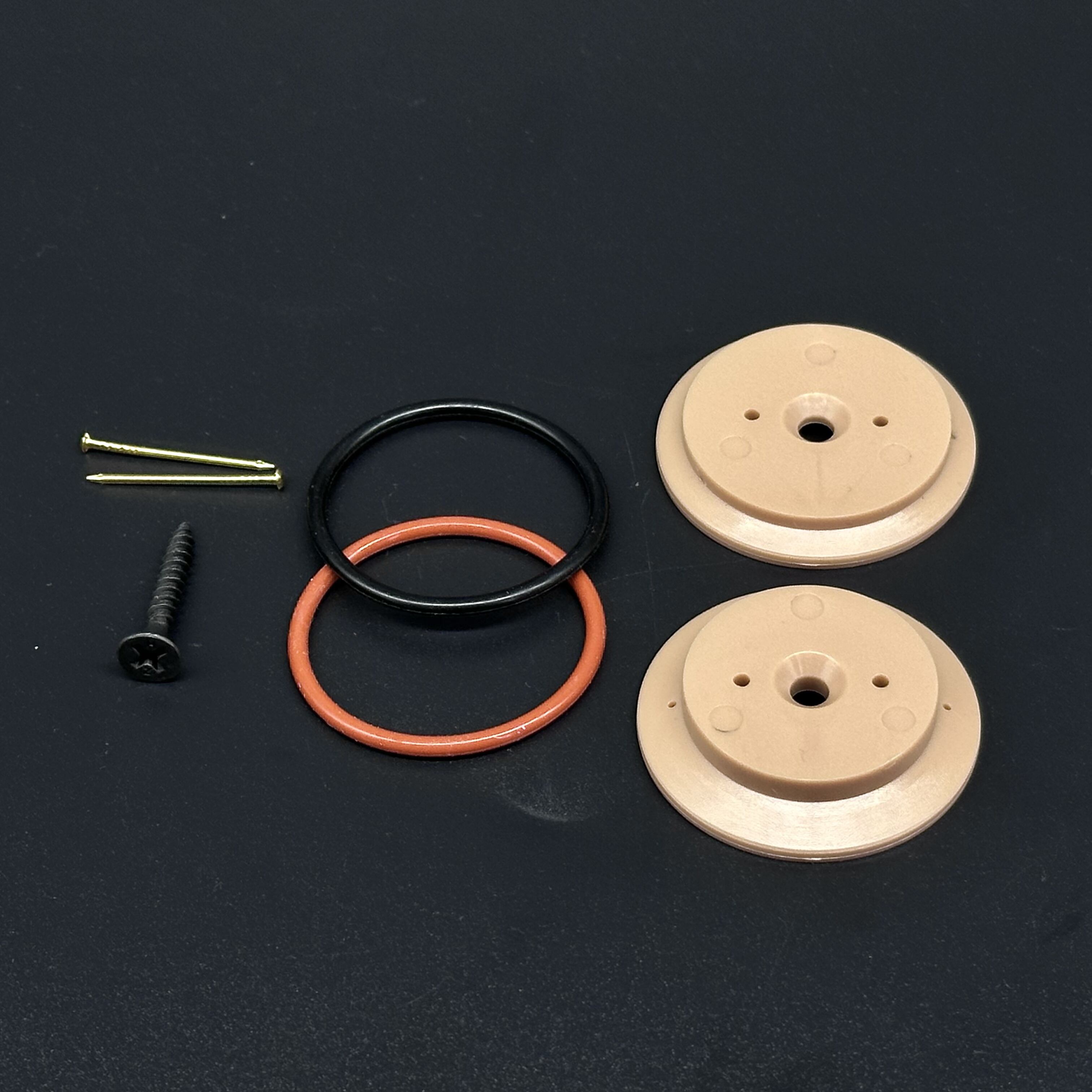
Advanced prosthetic sockets represent a significant evolution in prosthetic technology, transforming the daily experience for amputees through improved comfort, fit, and functionality. The comfort of prosthetic sockets directly impacts user mobility, confidence, and quality of life, making socket design innovations crucial for successful prosthetic rehabilitation. Modern prosthetic sockets incorporate sophisticated materials, precision fitting techniques, and biomechanical engineering principles to address the common discomfort issues that have historically challenged prosthetic users.
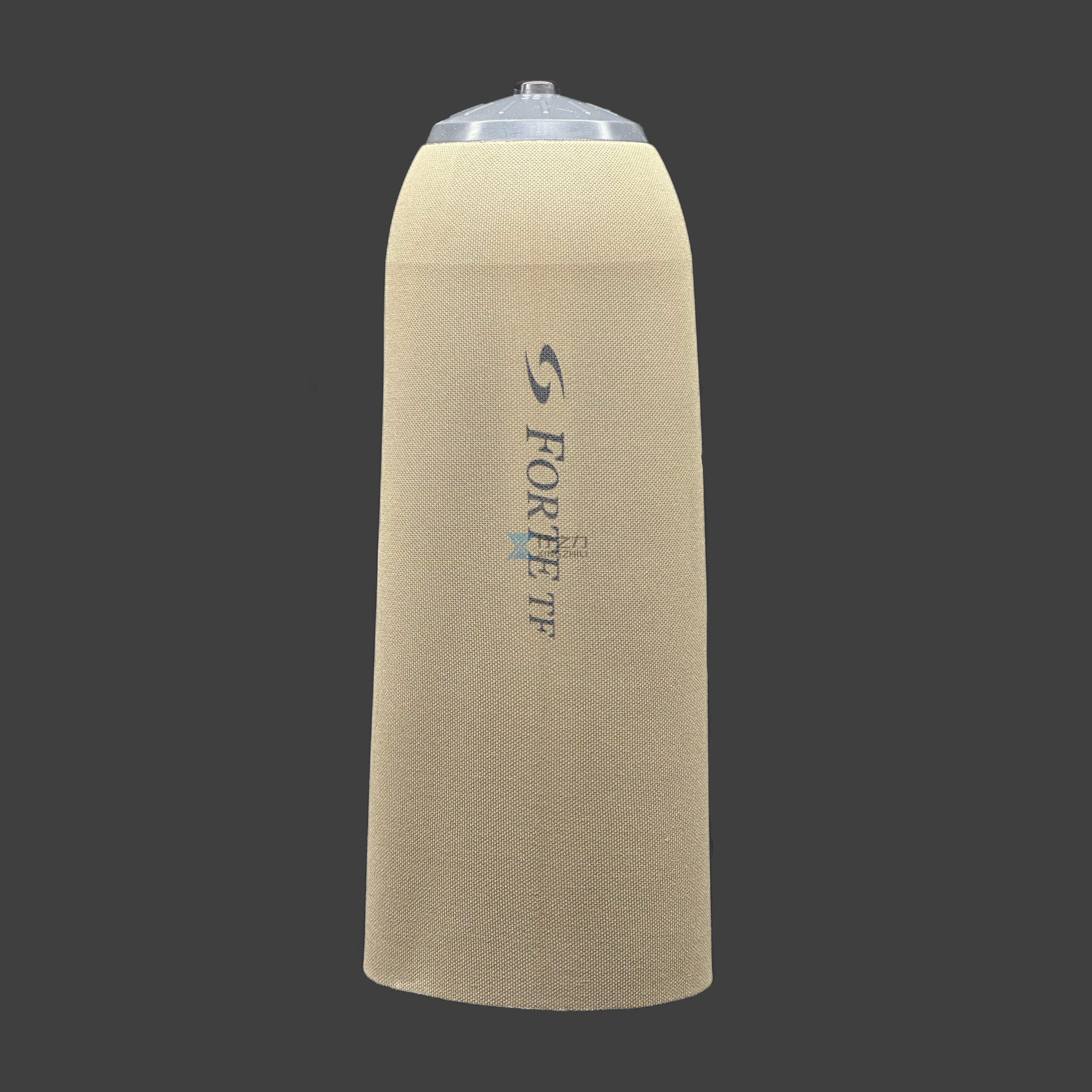
The journey toward comfortable prosthetic sockets involves understanding the complex interaction between residual limb anatomy, socket interface materials, and daily activity demands. Traditional prosthetic sockets often caused pressure points, skin irritation, and limited range of motion, leading to reduced wearing time and compromised mobility. Today's advanced prosthetic sockets address these challenges through innovative design features that prioritize user comfort while maintaining structural integrity and functional performance for extended daily wear.
Material Innovation in Advanced Prosthetic Socket Design
Silicone Interface Technology
Silicone materials have revolutionized prosthetic socket comfort by providing superior skin-friendly interfaces that reduce friction and pressure distribution issues. Advanced silicone liners create a cushioning layer between the residual limb and the rigid socket wall, absorbing impact forces and minimizing shear stresses during movement. These silicone components offer excellent biocompatibility, reducing the risk of allergic reactions and skin irritation that commonly affect prosthetic sockets users.
The molecular structure of medical-grade silicones allows for controlled flexibility and durability, maintaining consistent performance characteristics over extended use periods. Modern prosthetic sockets utilize varying silicone densities within the same liner, creating zones of different compression that correspond to anatomical pressure tolerance areas. This selective density approach ensures that bony prominences receive adequate cushioning while maintaining stability in areas that can tolerate higher loads.
Temperature regulation properties of advanced silicone materials help manage moisture and heat buildup inside prosthetic sockets, addressing one of the primary comfort concerns for daily wear. The breathable nature of specially formulated silicones allows for better air circulation while maintaining the necessary seal for vacuum or suction suspension systems.
Carbon Fiber and Composite Socket Walls
Carbon fiber composite construction in prosthetic sockets provides an optimal balance between strength and weight reduction, directly contributing to wearing comfort throughout extended daily use. The lightweight nature of carbon fiber reduces the overall prosthetic weight, decreasing fatigue and improving mobility efficiency for users who wear their prosthetic sockets for many hours each day. Advanced carbon fiber layup techniques allow prosthetists to create prosthetic sockets with variable stiffness zones that match the biomechanical requirements of different anatomical regions.
The flexibility characteristics of carbon fiber enable prosthetic sockets to provide some degree of dynamic response during walking and other activities, reducing the rigid feeling associated with traditional socket materials. This flexibility helps distribute loads more evenly across the residual limb surface, preventing concentrated pressure points that can cause discomfort or tissue damage over time.
Composite materials also offer excellent fatigue resistance, ensuring that prosthetic sockets maintain their structural integrity and comfort characteristics even after thousands of loading cycles during daily activities. The durability of carbon fiber construction means users can rely on consistent socket performance without experiencing degradation in comfort or fit over the prosthetic's service life.
Precision Fitting Technologies for Enhanced Comfort
Digital Scanning and CAD Design Integration
Three-dimensional scanning technology has transformed how prosthetic sockets are designed and fabricated, enabling unprecedented precision in capturing residual limb geometry and creating perfectly contoured socket interfaces. Digital scanning eliminates the discomfort and inaccuracy associated with traditional plaster casting methods, providing detailed anatomical data that informs optimal socket design for individual users. Advanced prosthetic sockets benefit from this precise fit by eliminating gaps and pressure concentrations that contribute to discomfort during daily wear.
Computer-aided design software allows prosthetists to analyze pressure distribution patterns and modify prosthetic sockets virtually before fabrication, ensuring optimal comfort characteristics are built into the design from the beginning. This predictive approach to socket design reduces the number of fitting adjustments required, allowing users to achieve comfortable daily wear more quickly after receiving their prosthetic sockets.
The integration of biomechanical modeling with digital design enables the creation of prosthetic sockets that account for dynamic limb volume changes and activity-specific loading patterns. This comprehensive approach ensures that comfort is maintained across a full range of daily activities rather than just in static positions.
Adjustable Socket Systems
Adjustable socket technologies address the challenge of residual limb volume fluctuations that occur throughout the day due to activity levels, temperature changes, and physiological factors. These systems allow users to modify socket fit without requiring professional adjustment, maintaining optimal comfort during extended daily wear periods. Advanced prosthetic sockets with adjustability features include dial systems, inflatable bladders, or telescoping mechanisms that enable real-time fit optimization.
Volume accommodation systems within prosthetic sockets provide consistent suspension and pressure distribution even as residual limb dimensions change during daily activities. This adaptability prevents the development of pressure points and maintains socket stability throughout varying conditions, ensuring reliable comfort and function for users with active lifestyles.
The psychological benefit of user-controlled adjustability cannot be understated, as it provides confidence and autonomy for prosthetic sockets wearers who previously required frequent professional visits for comfort-related adjustments. This independence contributes significantly to user satisfaction and consistent daily wear compliance.
Suspension and Interface Optimization
Vacuum-Assisted Suspension Systems
Vacuum suspension technology creates an intimate fit between the residual limb and prosthetic sockets by removing air from the socket chamber, resulting in consistent contact pressure and improved proprioceptive feedback. This suspension method eliminates the need for restrictive straps or belts that can cause discomfort and limit range of motion during daily activities. Advanced vacuum systems maintain consistent negative pressure throughout various activity levels, ensuring reliable socket attachment without compromising comfort.
The uniform pressure distribution achieved through vacuum suspension reduces peak pressure points that commonly develop with traditional suspension methods, resulting in improved comfort during extended wear periods. Users report significantly reduced fatigue and improved endurance when wearing prosthetic sockets with properly functioning vacuum suspension systems.
Modern vacuum pumps integrated into prosthetic sockets are lightweight, quiet, and energy-efficient, making them practical for all-day use without adding significant bulk or maintenance requirements. The reliability of these systems ensures consistent comfort performance, giving users confidence in their prosthetic sockets for demanding daily activities.
Lock-and-Pin Mechanisms
Lock-and-pin suspension systems provide secure attachment while allowing for easy donning and doffing of prosthetic sockets, contributing to user independence and comfort in daily routines. These mechanisms distribute suspension forces over a broader area compared to traditional strap systems, reducing concentrated pressure and improving overall wearing comfort. The positive locking feature provides confidence in socket security during vigorous activities while maintaining the ability to quickly release when needed.
Advanced locking mechanisms incorporate multiple engagement points that distribute loads evenly around the socket interface, preventing the concentration of forces that can cause discomfort or tissue irritation. The mechanical reliability of these systems ensures consistent performance over thousands of engagement cycles, maintaining user confidence and comfort throughout the prosthetic's service life.
The audible and tactile feedback provided by quality lock-and-pin systems gives users clear confirmation of proper engagement, eliminating uncertainty about socket security that can cause psychological discomfort and altered gait patterns. This confidence in prosthetic sockets attachment contributes to more natural movement patterns and improved overall comfort during daily activities.
Pressure Distribution and Load Management
Anatomical Pressure Mapping
Advanced prosthetic sockets utilize sophisticated pressure mapping techniques to identify optimal load distribution patterns that align with individual anatomy and activity requirements. Pressure-sensitive mapping systems capture detailed data about contact forces during various activities, enabling prosthetists to modify socket design for optimal comfort and performance. This scientific approach to socket design ensures that prosthetic sockets provide comfortable pressure distribution that accommodates both static and dynamic loading conditions.
The identification of pressure-tolerant and pressure-sensitive areas of the residual limb allows for strategic socket design modifications that maximize comfort while maintaining necessary control and stability. Advanced prosthetic sockets incorporate relief areas over bony prominences and nerve pathways while providing adequate support in muscle and soft tissue regions that can tolerate higher loads.
Real-time pressure monitoring capabilities in some advanced prosthetic sockets provide feedback to users about loading patterns, enabling them to adjust their movement strategies to optimize comfort and prevent overloading of sensitive anatomical structures. This biofeedback approach helps users develop movement patterns that maximize comfort and minimize the risk of pressure-related complications.
Dynamic Load Redistribution
Dynamic load redistribution technologies in prosthetic sockets address the changing pressure patterns that occur during different phases of walking and other activities, ensuring consistent comfort throughout varied movement cycles. These systems utilize materials and design features that adapt to changing load conditions, preventing pressure concentrations that can develop during high-impact activities or prolonged static positions.
Advanced prosthetic sockets incorporate shock absorption elements that attenuate impact forces before they reach the residual limb, reducing stress and improving comfort during walking on hard surfaces or during vigorous activities. These absorption systems work in conjunction with the socket's overall design to provide comprehensive load management that addresses both vertical and rotational forces.
The integration of flexible zones within rigid socket structures allows for controlled deformation that accommodates muscle expansion and contraction during activities, maintaining consistent contact and pressure distribution. This approach prevents the development of gaps or excessive pressure areas that can cause discomfort during extended daily wear of prosthetic sockets.
Daily Wear Considerations and User Experience
Hygiene and Maintenance Features
Advanced prosthetic sockets incorporate design features that simplify cleaning and maintenance procedures, contributing to better hygiene and long-term comfort for daily wear applications. Removable liner systems allow users to maintain proper hygiene without compromising the integrity of the socket structure, preventing the buildup of bacteria and odors that can cause discomfort and skin irritation. The ease of maintenance directly impacts user compliance with hygiene protocols, which is essential for comfortable daily wear of prosthetic sockets.
Antimicrobial surface treatments on socket interfaces help prevent bacterial growth and reduce odor development during extended wear periods, maintaining a comfortable environment within the prosthetic sockets throughout demanding daily activities. These treatments are particularly important for users with active lifestyles who may experience increased perspiration and challenging hygiene conditions.
Quick-drying materials and ventilation features in modern prosthetic sockets help manage moisture accumulation, preventing the skin maceration and discomfort associated with prolonged exposure to trapped moisture. The ability to maintain a dry, comfortable environment within the socket significantly improves user satisfaction and wearing tolerance for extended daily use.
Activity-Specific Performance
Modern prosthetic sockets are designed to accommodate diverse daily activities while maintaining consistent comfort and performance characteristics across varying demands. The versatility required for daily wear means that prosthetic sockets must provide appropriate support and comfort for activities ranging from prolonged sitting to vigorous walking and stair climbing. Advanced socket designs consider these varied requirements to ensure that comfort is maintained regardless of the user's activity level or duration.
Flexibility zones in prosthetic sockets allow for full range of motion during activities like sitting, kneeling, or reaching, preventing restrictions that can cause discomfort or compensatory movement patterns. The strategic placement of these flexible areas ensures that comfort is maintained during position changes while preserving the structural integrity necessary for weight-bearing activities.
Temperature regulation becomes particularly important during vigorous activities, and advanced prosthetic sockets incorporate materials and design features that promote heat dissipation and moisture management. This thermal management capability ensures that users can engage in demanding activities without experiencing the discomfort associated with overheating within the socket environment.
FAQ
How long does it take to adjust to wearing advanced prosthetic sockets daily?
The adjustment period for advanced prosthetic sockets typically ranges from 2 to 6 weeks, depending on individual factors such as residual limb condition, previous prosthetic experience, and activity goals. Advanced socket technologies generally reduce adjustment time compared to traditional designs due to improved comfort features and better initial fit. Users should expect gradual increases in wearing time during the adaptation period, with most individuals achieving full-day comfortable wear within 4-8 weeks of receiving properly fitted advanced prosthetic sockets.
What maintenance is required to keep prosthetic sockets comfortable for daily wear?
Daily maintenance of prosthetic sockets includes cleaning the socket interior with mild soap and water, inspecting liner components for wear or damage, and ensuring proper drying before the next use. Weekly maintenance should include thorough cleaning of all removable components and inspection of suspension mechanisms for proper function. Professional maintenance and adjustments are typically recommended every 3-6 months to ensure optimal fit and comfort, with more frequent visits during the initial fitting period or if significant residual limb changes occur.
Can prosthetic sockets be adjusted for volume changes throughout the day?
Many advanced prosthetic sockets feature adjustability mechanisms that allow users to accommodate daily volume fluctuations in their residual limb. These adjustments can include dial systems, inflatable bladders, or removable padding that enables fine-tuning of socket fit without professional intervention. Users typically learn to make these adjustments based on their daily routine and activity levels, maintaining optimal comfort and suspension throughout extended wearing periods. The ability to self-adjust socket fit significantly improves user independence and satisfaction with daily prosthetic use.
What signs indicate that prosthetic sockets need professional adjustment for better comfort?
Signs that prosthetic sockets require professional attention include persistent redness or irritation after socket removal, loss of suction or suspension during normal activities, pain or pressure points that don't resolve with position changes, and changes in gait patterns or mobility. Additionally, difficulty donning or doffing the prosthetic, unusual sounds from mechanical components, or decreased wearing tolerance compared to previous comfort levels indicate the need for professional evaluation and potential socket modifications to restore optimal daily wearing comfort.
Table of Contents
- Material Innovation in Advanced Prosthetic Socket Design
- Precision Fitting Technologies for Enhanced Comfort
- Suspension and Interface Optimization
- Pressure Distribution and Load Management
- Daily Wear Considerations and User Experience
-
FAQ
- How long does it take to adjust to wearing advanced prosthetic sockets daily?
- What maintenance is required to keep prosthetic sockets comfortable for daily wear?
- Can prosthetic sockets be adjusted for volume changes throughout the day?
- What signs indicate that prosthetic sockets need professional adjustment for better comfort?