
 EN
EN


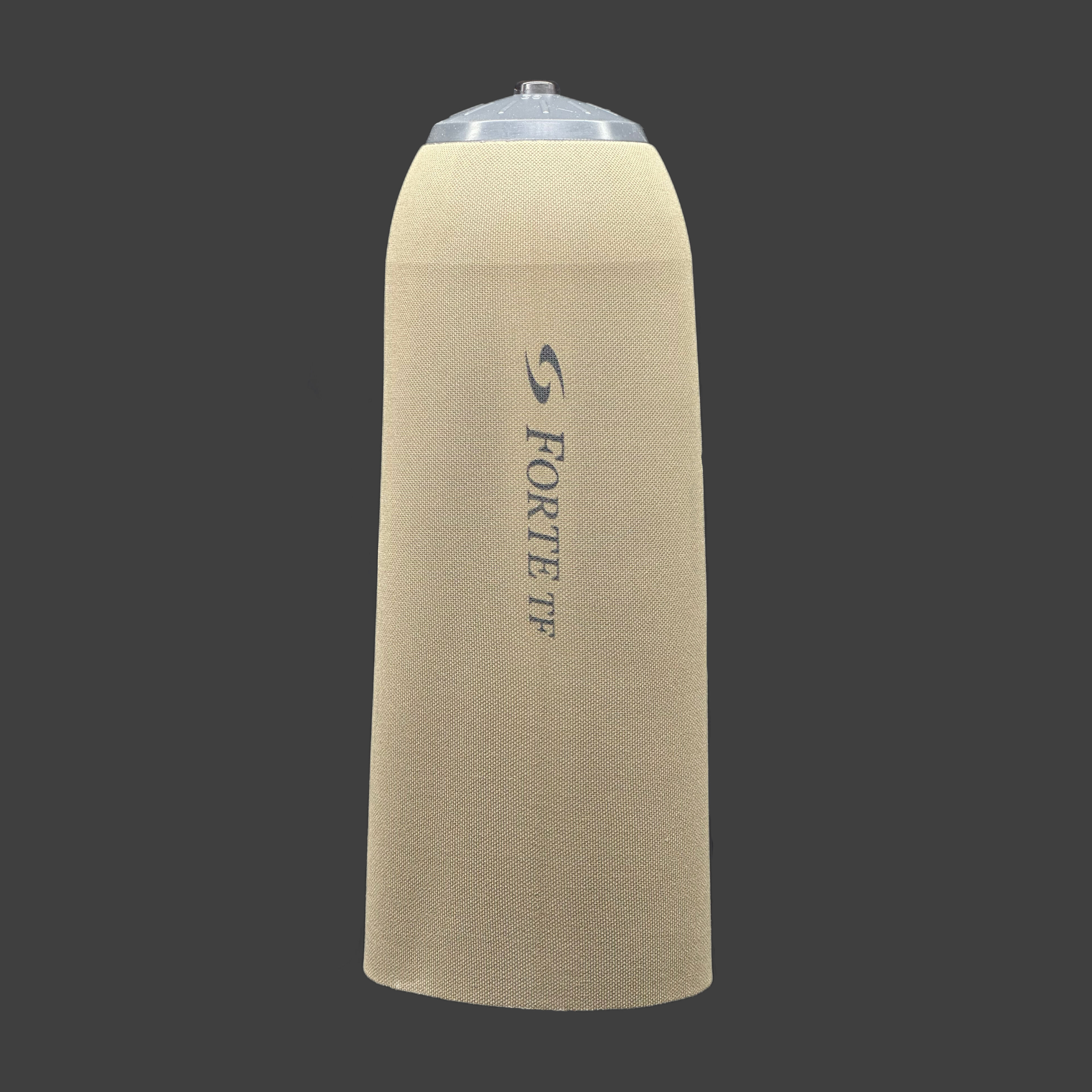
Active individuals who require lower limb prosthetics face unique challenges that traditional mechanical knee joints simply cannot address effectively. The revolutionary advancement of microprocessor-controlled prosthetic knees has transformed the landscape of prosthetic technology, offering unprecedented functionality for users who refuse to let limb loss limit their active lifestyles. These sophisticated devices represent the pinnacle of engineering innovation, combining advanced sensors, real-time processing capabilities, and adaptive control systems to deliver performance that closely mimics natural knee function.
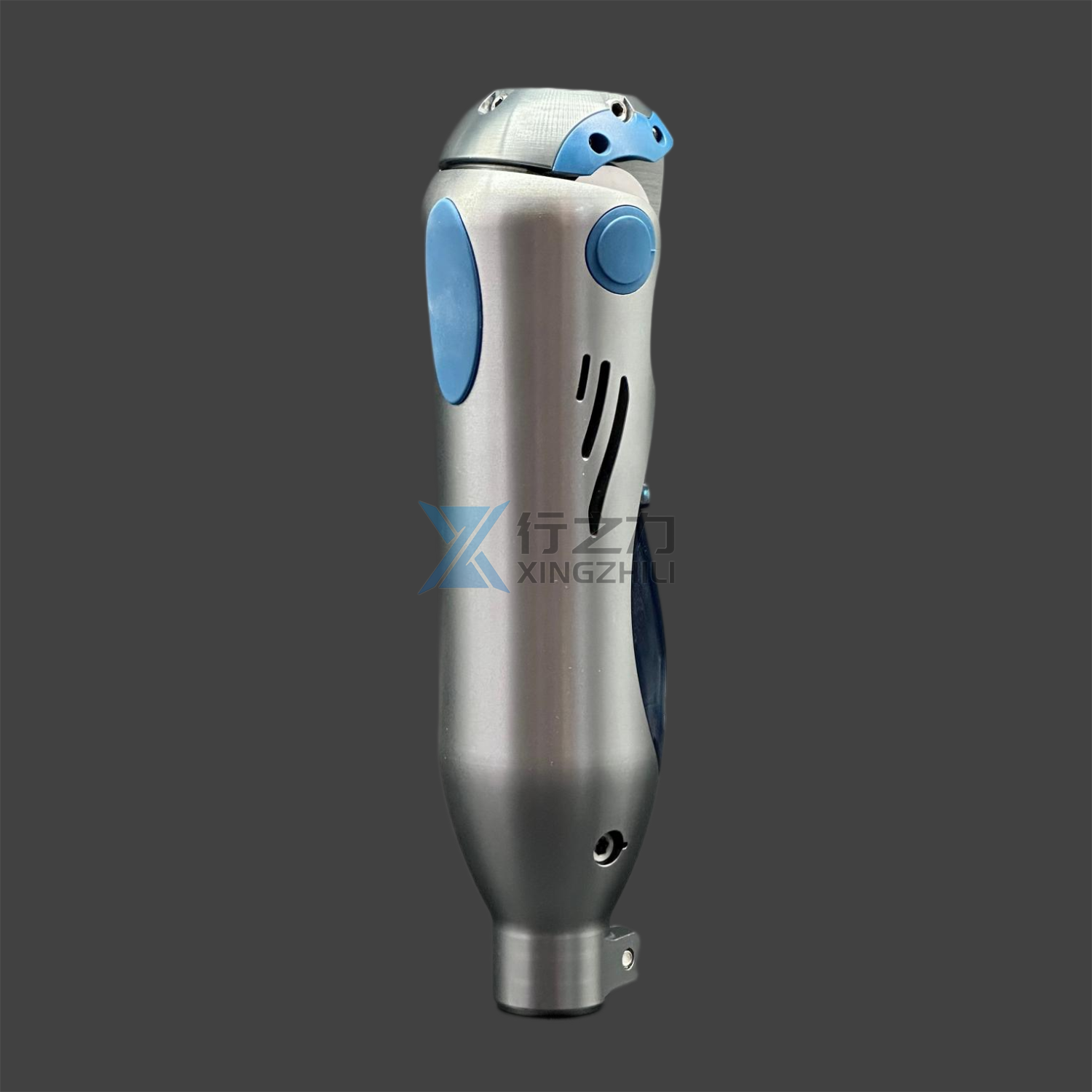
The superiority of microprocessor-controlled prosthetic knees for active users stems from their ability to continuously monitor and adjust to changing conditions in real-time. Unlike passive mechanical systems that rely solely on user input and basic hydraulic or pneumatic mechanisms, these intelligent prosthetics utilize sophisticated algorithms to predict user intent and automatically optimize knee behavior for each specific activity. This technological leap has enabled countless amputees to return to demanding physical activities, from competitive sports to challenging outdoor adventures, with confidence and safety that was previously unattainable with conventional prosthetic solutions.
Advanced Sensor Technology and Real-Time Adaptation
Comprehensive Environmental Monitoring Systems
Microprocessor-controlled prosthetic knees incorporate multiple sensor arrays that continuously gather data about the user's gait pattern, ground conditions, and movement intentions. These sensors include gyroscopes, accelerometers, and force sensors that work together to create a comprehensive picture of the user's current activity and environmental conditions. The real-time data collection enables the prosthetic to make instantaneous adjustments to resistance levels, swing phase timing, and stance phase stability, ensuring optimal performance across diverse terrains and activities.
The sophistication of these monitoring systems allows microprocessor-controlled prosthetic knees to detect subtle changes in walking speed, incline variations, and even predict when the user is preparing to sit down or stand up. This predictive capability is particularly valuable for active users who frequently transition between different activities and environments throughout their day. The sensors can distinguish between walking on level ground, navigating stairs, hiking on uneven terrain, or engaging in sports activities, automatically adjusting the knee's behavior to match the specific demands of each situation.
Intelligent Algorithm Processing
The heart of microprocessor-controlled prosthetic knees lies in their sophisticated processing algorithms that analyze sensor data and make real-time adjustments to knee function. These algorithms are developed through extensive research into human biomechanics and gait analysis, incorporating data from thousands of users to create responsive control systems that adapt to individual walking patterns and preferences. The processing power allows for hundreds of calculations per second, ensuring that adjustments are made seamlessly and imperceptibly to the user.
Advanced machine learning capabilities enable these prosthetics to learn from the user's specific movement patterns over time, creating increasingly personalized responses to their unique gait characteristics and activity preferences. This adaptive learning process means that microprocessor-controlled prosthetic knees become more intuitive and responsive the longer they are used, developing a deeper understanding of the individual's movement style and automatically optimizing performance for their specific needs and activity levels.
Enhanced Safety Features for Active Lifestyles
Stumble Recovery and Fall Prevention
One of the most significant advantages of microprocessor-controlled prosthetic knees for active users is their advanced stumble recovery capabilities. These systems can detect when the user encounters an unexpected obstacle or uneven surface and immediately adjust knee resistance to help prevent falls. The rapid response time, measured in milliseconds, allows the prosthetic to provide additional stability and support during potentially dangerous situations that could result in serious injury.
The fall prevention technology integrated into microprocessor-controlled prosthetic knees is particularly crucial for users who engage in outdoor activities, sports, or work in challenging environments. The system continuously monitors for irregular gait patterns that might indicate a loss of balance or impending fall, automatically engaging protective measures to help the user maintain stability. This safety feature provides users with the confidence to pursue more adventurous activities while minimizing the risk of injury from unexpected falls or stumbles.
Variable Terrain Adaptation
Active users frequently encounter diverse terrain conditions that can challenge the stability and performance of traditional prosthetic knees. Microprocessor-controlled prosthetic knees excel in these situations by automatically detecting and adapting to different ground conditions, from soft sand and loose gravel to steep inclines and uneven surfaces. The system adjusts stance phase resistance and swing phase timing to provide optimal stability and energy efficiency regardless of the terrain challenges.
The terrain adaptation capabilities of these advanced prosthetics enable users to confidently navigate hiking trails, participate in outdoor sports, and tackle challenging work environments that would be difficult or dangerous with conventional mechanical knees. The automatic adjustment to varying conditions eliminates the need for manual settings changes and ensures consistent performance across all environments, allowing active users to focus on their activities rather than managing their prosthetic function.
Superior Energy Efficiency and Reduced Fatigue
Optimized Gait Mechanics
Microprocessor-controlled prosthetic knees significantly reduce the energy expenditure required for walking and other activities compared to traditional mechanical alternatives. The intelligent control systems optimize swing phase timing and stance phase resistance to work in harmony with the user's natural gait pattern, reducing the compensatory movements and muscle strain typically associated with conventional prosthetics. This efficiency improvement is particularly noticeable during extended periods of activity, where the reduced effort translates to less fatigue and improved endurance.
The energy efficiency benefits of microprocessor-controlled prosthetic knees become increasingly apparent as activity levels and duration increase. Active users report being able to participate in longer hikes, extended work shifts, and more demanding physical activities without experiencing the excessive fatigue that often accompanies the use of mechanical prosthetics. The optimized gait mechanics also reduce stress on other joints and muscles throughout the body, helping to prevent secondary injuries and long-term musculoskeletal problems.
Dynamic Activity Optimization
These advanced prosthetics continuously adjust their performance parameters based on the specific demands of different activities, ensuring optimal energy efficiency across a wide range of physical pursuits. Whether the user is walking at a leisurely pace, power walking for exercise, or engaging in more intensive activities, the microprocessor-controlled prosthetic knees automatically optimize their function to match the energy requirements and movement patterns of each activity.
The dynamic optimization capabilities allow active users to seamlessly transition between different activities without manual adjustments or performance compromises. The prosthetic recognizes when the user shifts from walking to jogging, climbing stairs, or navigating slopes, automatically adjusting resistance levels and timing parameters to maintain optimal efficiency and performance. This adaptability is essential for active individuals who engage in varied daily activities and refuse to accept limitations imposed by their prosthetic device.
Improved Quality of Life and Functional Independence
Natural Movement Patterns
The sophisticated control systems in microprocessor-controlled prosthetic knees enable users to achieve more natural walking patterns that closely approximate normal human gait. This naturalistic movement reduces the obvious visual indicators of prosthetic use and helps users feel more confident in social and professional settings. The improved gait symmetry also reduces the risk of developing secondary complications such as back pain, hip problems, and overuse injuries in the intact limb.
Active users particularly benefit from the natural movement capabilities when participating in group activities or competitive sports, where smooth, coordinated movement is essential for both performance and safety. The microprocessor-controlled prosthetic knees allow users to focus on their activity goals rather than consciously managing their gait mechanics, leading to improved performance and greater enjoyment of physical pursuits. The psychological benefits of natural movement patterns contribute significantly to overall quality of life and self-confidence.
Expanded Activity Participation
The advanced capabilities of microprocessor-controlled prosthetic knees open up opportunities for active users to participate in activities that were previously challenging or impossible with conventional prosthetics. From competitive sports and adventure activities to demanding occupational tasks, these sophisticated devices provide the stability, responsiveness, and safety features necessary for high-level physical performance. Users report being able to return to activities they enjoyed before amputation and even discover new interests that take advantage of their prosthetic's capabilities.
The expanded activity participation enabled by microprocessor-controlled prosthetic knees has profound implications for physical and mental health, social engagement, and overall life satisfaction. Active users can maintain their fitness levels, pursue career opportunities that require physical demands, and engage in recreational activities that contribute to their sense of identity and well-being. The technology effectively removes many of the barriers that traditionally limited the lifestyle choices available to prosthetic users.
Long-Term Durability and Maintenance Considerations
Robust Construction for Active Use
Microprocessor-controlled prosthetic knees are engineered to withstand the increased demands placed on them by active users who engage in challenging physical activities. The construction incorporates high-strength materials, advanced sealing systems to protect electronic components from moisture and debris, and robust mechanical elements designed to handle the stresses of intensive use. The durability standards for these devices exceed those of conventional mechanical prosthetics, ensuring reliable performance even under demanding conditions.
The engineering focus on durability means that active users can confidently pursue their interests without constant concern about damaging their prosthetic device. The robust construction allows for participation in water sports, outdoor adventures, and physically demanding occupations while maintaining the sophisticated functionality that makes these prosthetics so valuable. Regular maintenance requirements are designed to be manageable and not overly restrictive to active lifestyles.
Advanced Diagnostic and Monitoring Capabilities
Modern microprocessor-controlled prosthetic knees incorporate comprehensive diagnostic systems that monitor component performance and alert users to potential maintenance needs before problems develop. These predictive maintenance capabilities help ensure optimal performance and prevent unexpected failures that could compromise safety or interrupt active pursuits. The diagnostic data can also be valuable for prosthetists in optimizing device settings and identifying opportunities for performance improvements.
The monitoring capabilities extend beyond basic component health to include detailed analysis of usage patterns, performance metrics, and user behavior data that can inform ongoing adjustments and improvements. This information helps ensure that the prosthetic continues to meet the evolving needs of active users and can identify opportunities for enhanced performance or functionality through software updates or setting modifications.
FAQ
How long do the batteries last in microprocessor-controlled prosthetic knees for active users?
Battery life in microprocessor-controlled prosthetic knees typically ranges from 24 to 48 hours of active use, depending on the specific model and activity level. Most devices feature rechargeable battery systems with quick-charging capabilities, allowing users to maintain their active schedules without significant downtime. Advanced power management systems optimize energy consumption based on activity patterns, and many units include low-battery alerts to prevent unexpected power loss during activities.
Can microprocessor-controlled prosthetic knees be used for swimming and water activities?
Many modern microprocessor-controlled prosthetic knees feature water-resistant or waterproof designs that allow for swimming and water-based activities. However, users should verify the specific water resistance rating of their device and follow manufacturer guidelines for water exposure. Some models may require special preparation or protective covers for extended water activities, while others are designed for full submersion without additional protection.
How much do microprocessor-controlled prosthetic knees cost compared to mechanical alternatives?
Microprocessor-controlled prosthetic knees typically cost significantly more than mechanical alternatives, with prices ranging from $30,000 to $100,000 or more depending on features and manufacturer. However, many insurance plans and healthcare systems recognize the clinical benefits and may provide coverage for active users who can demonstrate medical necessity. The long-term value includes reduced healthcare costs from fewer falls and injuries, improved quality of life, and enhanced functional capabilities that may justify the higher initial investment.
What training is required to effectively use microprocessor-controlled prosthetic knees?
Users typically undergo specialized training with certified prosthetists and physical therapists to learn optimal techniques for using microprocessor-controlled prosthetic knees. The training process usually involves gait analysis, device customization, activity-specific instruction, and gradual progression to more challenging movements and environments. Most users can achieve basic proficiency within several weeks, while mastery of advanced features for high-level activities may require several months of practice and refinement with professional guidance.
Table of Contents
- Advanced Sensor Technology and Real-Time Adaptation
- Enhanced Safety Features for Active Lifestyles
- Superior Energy Efficiency and Reduced Fatigue
- Improved Quality of Life and Functional Independence
- Long-Term Durability and Maintenance Considerations
-
FAQ
- How long do the batteries last in microprocessor-controlled prosthetic knees for active users?
- Can microprocessor-controlled prosthetic knees be used for swimming and water activities?
- How much do microprocessor-controlled prosthetic knees cost compared to mechanical alternatives?
- What training is required to effectively use microprocessor-controlled prosthetic knees?