
 EN
EN



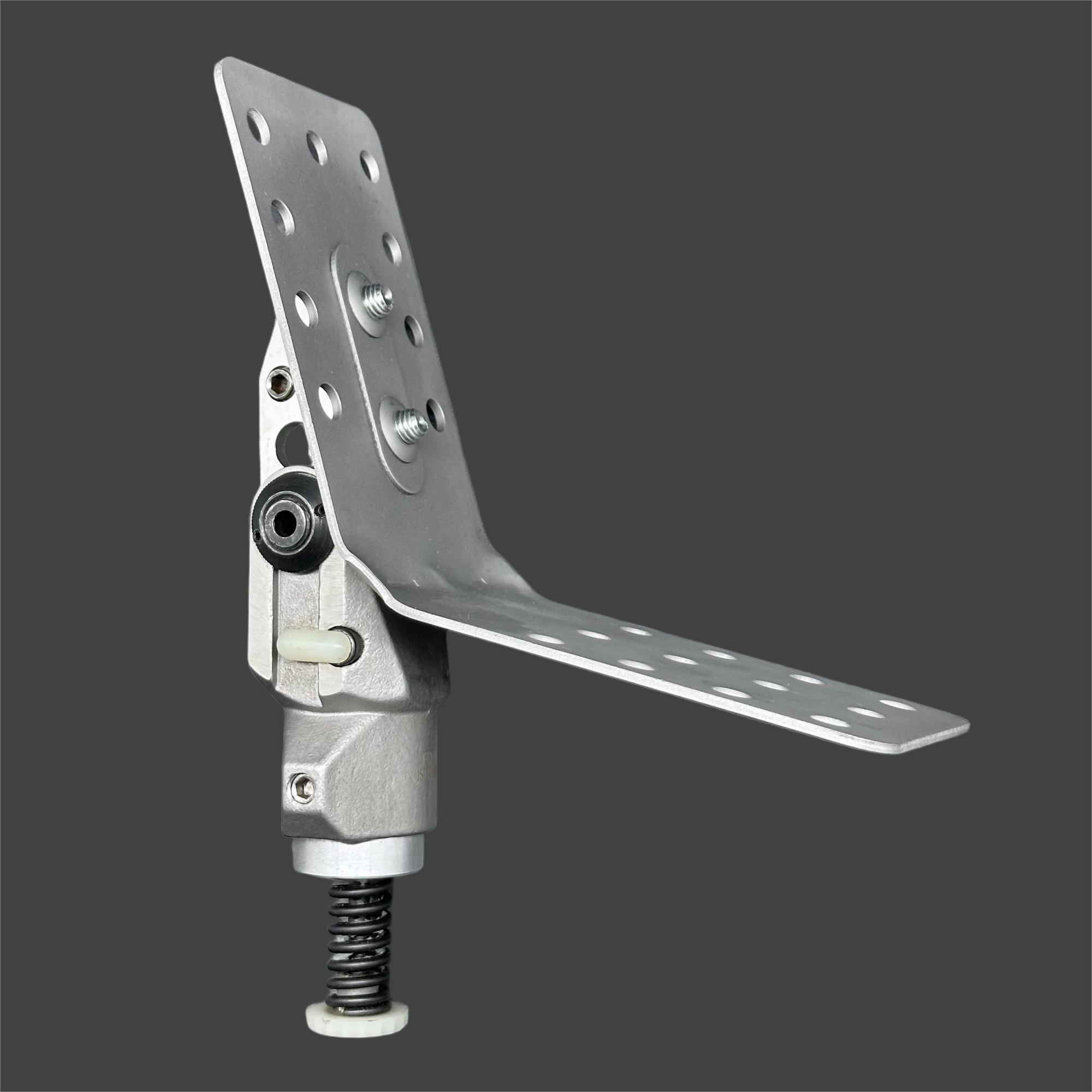
Choosing the right prosthetic foot for different walking surfaces is a critical decision that directly impacts mobility, comfort, and quality of life for amputees. The selection process involves understanding how various prosthetic foot designs perform across different terrains, from smooth indoor floors to uneven outdoor paths, stairs, and specialized surfaces. Each walking environment presents unique challenges that require specific biomechanical responses from the prosthetic foot, making surface-specific selection essential for optimal function and user satisfaction.
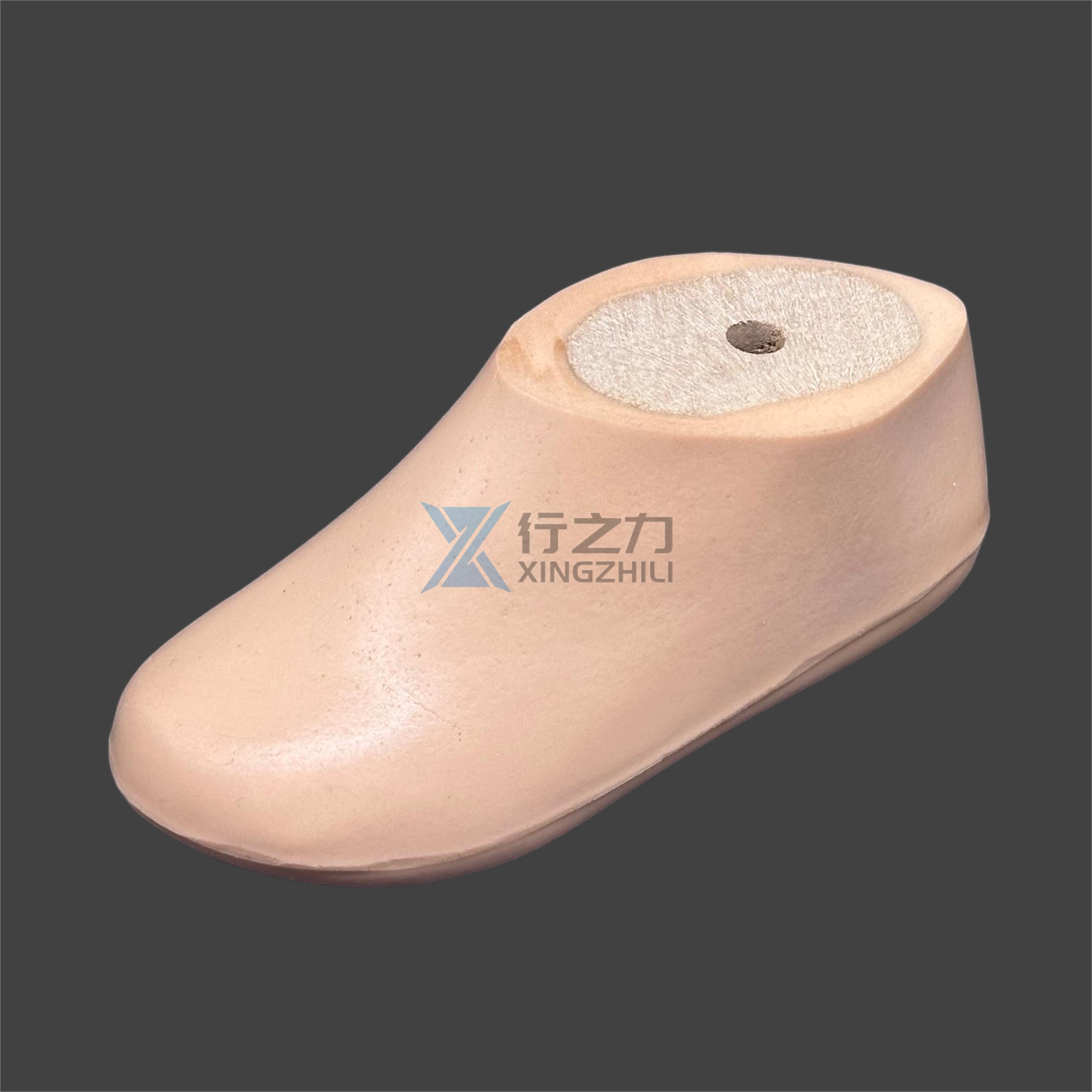
The complexity of surface-specific prosthetic foot selection stems from the diverse mechanical demands each terrain places on the device. Indoor surfaces typically require different ankle flexibility and heel-to-toe transition characteristics compared to outdoor gravel paths or inclined surfaces. Understanding these biomechanical requirements enables prosthetists and users to make informed decisions that enhance walking efficiency, reduce energy expenditure, and minimize the risk of falls across various walking environments.
Understanding Surface-Specific Biomechanical Requirements
Indoor Surface Considerations for Prosthetic Foot Selection
Indoor walking surfaces present relatively predictable conditions that allow for specific prosthetic foot optimization. Smooth floors, carpeted areas, and level indoor pathways require a prosthetic foot that provides controlled heel strike, smooth weight transfer, and stable push-off phases. The prosthetic foot must accommodate the consistent friction patterns and minimal elevation changes typical of indoor environments while maintaining energy return efficiency.
For indoor use, the prosthetic foot should offer moderate ankle flexibility to allow natural dorsiflexion during the stance phase while providing adequate plantarflexion resistance for controlled forward progression. The heel design becomes crucial for managing the initial contact phase on hard indoor surfaces, requiring sufficient shock absorption to prevent jarring impacts while maintaining stability throughout the gait cycle.
Weight distribution characteristics of the prosthetic foot significantly impact indoor walking performance. The device must facilitate smooth weight transfer from heel to forefoot while providing adequate medial-lateral stability on potentially slippery indoor surfaces. This requires careful consideration of the prosthetic foot's base of support dimensions and the tread pattern design for optimal indoor traction.
Outdoor Terrain Challenges and Prosthetic Foot Adaptation
Outdoor walking surfaces introduce variable conditions that demand enhanced adaptability from the prosthetic foot design. Uneven terrain, loose surfaces like gravel or sand, and natural obstacles require a prosthetic foot that can accommodate irregular ground contact patterns while maintaining user stability and confidence. The device must provide sufficient ground clearance during swing phase and reliable ground contact during stance phase across diverse outdoor conditions.
Outdoor prosthetic foot selection must account for the increased energy demands associated with navigating irregular surfaces. The prosthetic foot should offer enhanced energy storage and return capabilities to compensate for the additional muscular effort required for outdoor ambulation. This includes optimized carbon fiber spring mechanisms or hydraulic damping systems that can adapt to varying ground compliance and surface irregularities.
Weather-related surface conditions further complicate outdoor prosthetic foot selection. Wet surfaces, snow, ice, and temperature variations affect both traction requirements and material performance characteristics. The prosthetic foot must maintain consistent performance across temperature ranges while providing adequate traction on potentially slippery outdoor surfaces through appropriate sole design and material selection.
Analyzing Activity-Specific Prosthetic Foot Requirements
Stair Navigation and Vertical Surface Challenges
Stair climbing and descent present unique biomechanical challenges that require specialized prosthetic foot characteristics for safe and efficient navigation. During stair ascent, the prosthetic foot must provide adequate dorsiflexion range to allow proper foot placement on stair treads while maintaining sufficient toe clearance. The device should offer controlled plantarflexion resistance to support body weight during the push-off phase of stair climbing.
Stair descent places different demands on the prosthetic foot, requiring enhanced shock absorption capabilities and controlled dorsiflexion to manage the increased impact forces associated with downward movement. The prosthetic foot must provide stable heel contact on stair edges while maintaining adequate friction to prevent slipping during the controlled lowering phase of stair descent.
Edge stability becomes critical for stair navigation, requiring a prosthetic foot design that maintains stability even when only partially supported by the stair tread. This necessitates careful consideration of the prosthetic foot's longitudinal and transverse stability characteristics to ensure safe navigation of stairs with varying tread depths and surface conditions.
Recreational and Sports Surface Considerations
Recreational activities and sports participation require prosthetic foot selection that addresses the specific demands of athletic surfaces and movement patterns. Gymnasium floors, running tracks, grass fields, and swimming pool decks each present unique challenges that influence prosthetic foot design requirements and performance characteristics.
For athletic applications, the prosthetic foot must provide enhanced energy return capabilities to support dynamic movement patterns and increased activity levels. This includes consideration of spring rate characteristics, energy storage capacity, and return efficiency to match the user's athletic performance goals and activity intensity requirements.
Multi-directional movement capabilities become essential for sports participation, requiring a prosthetic foot that can accommodate lateral forces, rotational movements, and rapid direction changes. The device must provide adequate torsional flexibility while maintaining longitudinal stability to support complex athletic movement patterns across various recreational surfaces.
Material Properties and Surface Interaction Dynamics
Traction and Grip Optimization for Different Surfaces
The sole material composition and tread pattern design significantly influence prosthetic foot performance across different walking surfaces. Rubber compounds with varying durometer ratings provide different traction characteristics optimized for specific surface types. Softer rubber compounds typically offer superior grip on smooth surfaces but may wear more rapidly on abrasive outdoor terrain.
Tread pattern geometry affects both traction performance and debris management across various surfaces. Deep, aggressive tread patterns provide enhanced grip on loose outdoor surfaces but may create instability on smooth indoor floors. Conversely, minimal tread patterns optimize indoor performance but may compromise outdoor traction and safety on irregular terrain.
Surface-specific sole designs may incorporate multiple material zones to optimize performance across different areas of the prosthetic foot. Heel regions may utilize different rubber compounds than forefoot areas to address the specific functional requirements of each gait phase while maintaining overall prosthetic foot integrity and performance consistency.
Durability and Wear Patterns Across Surface Types
Different walking surfaces create distinct wear patterns on prosthetic foot components, influencing both replacement schedules and surface-specific design optimization. Abrasive outdoor surfaces typically accelerate sole wear compared to smooth indoor environments, requiring consideration of material durability and replacement frequency in the selection process.
Wear pattern analysis provides valuable insights into prosthetic foot performance and alignment optimization for specific surface conditions. Unusual wear patterns may indicate alignment issues or inappropriate prosthetic foot selection for the user's primary walking environments, necessitating adjustments or alternative prosthetic foot recommendations.
Cost-effectiveness considerations must balance initial prosthetic foot investment with long-term durability across the user's typical walking surfaces. Higher-performance prosthetic foot designs may offer superior functionality but require more frequent replacement or maintenance when used on demanding outdoor surfaces compared to indoor-optimized alternatives.
Clinical Assessment and Surface-Specific Selection Criteria
Gait Analysis and Surface Performance Evaluation
Comprehensive gait analysis across multiple surface types provides essential data for optimal prosthetic foot selection. Clinical evaluation should include assessment of walking performance on various surfaces encountered in the user's typical environment, including smooth floors, carpeted areas, outdoor pavement, grass, gravel, and stairs when applicable to the user's lifestyle and mobility goals.
Objective measurement of energy expenditure, stability parameters, and gait efficiency across different surfaces helps identify the most appropriate prosthetic foot characteristics for the user's specific needs. This includes analysis of step length consistency, cadence variations, and compensatory movement patterns that may indicate suboptimal prosthetic foot performance on specific surface types.
Balance assessment on various surfaces reveals the prosthetic foot's contribution to overall stability and fall risk reduction. Clinical evaluation should include both static balance measures and dynamic stability assessment during surface transitions to ensure the selected prosthetic foot provides adequate support across all anticipated walking environments.
User Lifestyle and Environmental Assessment
Detailed analysis of the user's daily activities and environmental exposure patterns guides surface-specific prosthetic foot selection. This includes documentation of typical walking surfaces, activity levels, occupational requirements, and recreational pursuits that influence the optimal prosthetic foot characteristics for individual users.
Geographic and climatic considerations affect both surface conditions and prosthetic foot material performance throughout the year. Users in regions with significant seasonal variations may benefit from prosthetic foot selection that accommodates changing surface conditions, including wet weather performance and temperature-related material property changes.
Future mobility goals and lifestyle changes should be considered in prosthetic foot selection to ensure the device continues to meet user needs as activities and environmental exposure patterns evolve. This forward-looking approach helps optimize long-term prosthetic foot satisfaction and functional outcomes across diverse surface conditions.
FAQ
How does walking surface affect prosthetic foot performance?
Walking surface characteristics directly influence prosthetic foot biomechanics, including shock absorption requirements, traction needs, and stability demands. Smooth indoor surfaces require different ankle flexibility and heel-to-toe transition patterns compared to uneven outdoor terrain. The prosthetic foot must adapt to varying friction coefficients, surface compliance, and irregularities while maintaining user stability and energy efficiency across all encountered surfaces.
What prosthetic foot features are most important for outdoor walking?
Outdoor walking demands enhanced energy return capabilities, superior shock absorption, and robust traction systems in prosthetic foot design. Key features include aggressive tread patterns for grip on loose surfaces, increased ankle flexibility for terrain adaptation, and durable construction materials that withstand outdoor environmental conditions. The prosthetic foot should also provide adequate ground clearance and multi-directional stability for navigating irregular outdoor terrain safely.
Can one prosthetic foot work well on all surface types?
While modern prosthetic foot designs offer improved versatility, no single prosthetic foot performs optimally across all surface types. However, many contemporary prosthetic foot models provide acceptable performance across a range of common surfaces through adaptive design features and adjustable characteristics. Users with diverse surface exposure may benefit from prosthetic foot selection that prioritizes their most frequent walking environments while providing adequate performance in secondary conditions.
How often should prosthetic foot selection be reassessed for different surfaces?
Prosthetic foot selection should be reassessed annually or whenever significant lifestyle changes occur that alter surface exposure patterns. Changes in activity level, residential location, occupational requirements, or recreational pursuits may necessitate prosthetic foot modifications or replacement to optimize performance for new surface conditions. Regular clinical evaluation ensures the prosthetic foot continues to meet evolving surface-specific needs and maintains optimal functional outcomes.