
 EN
EN



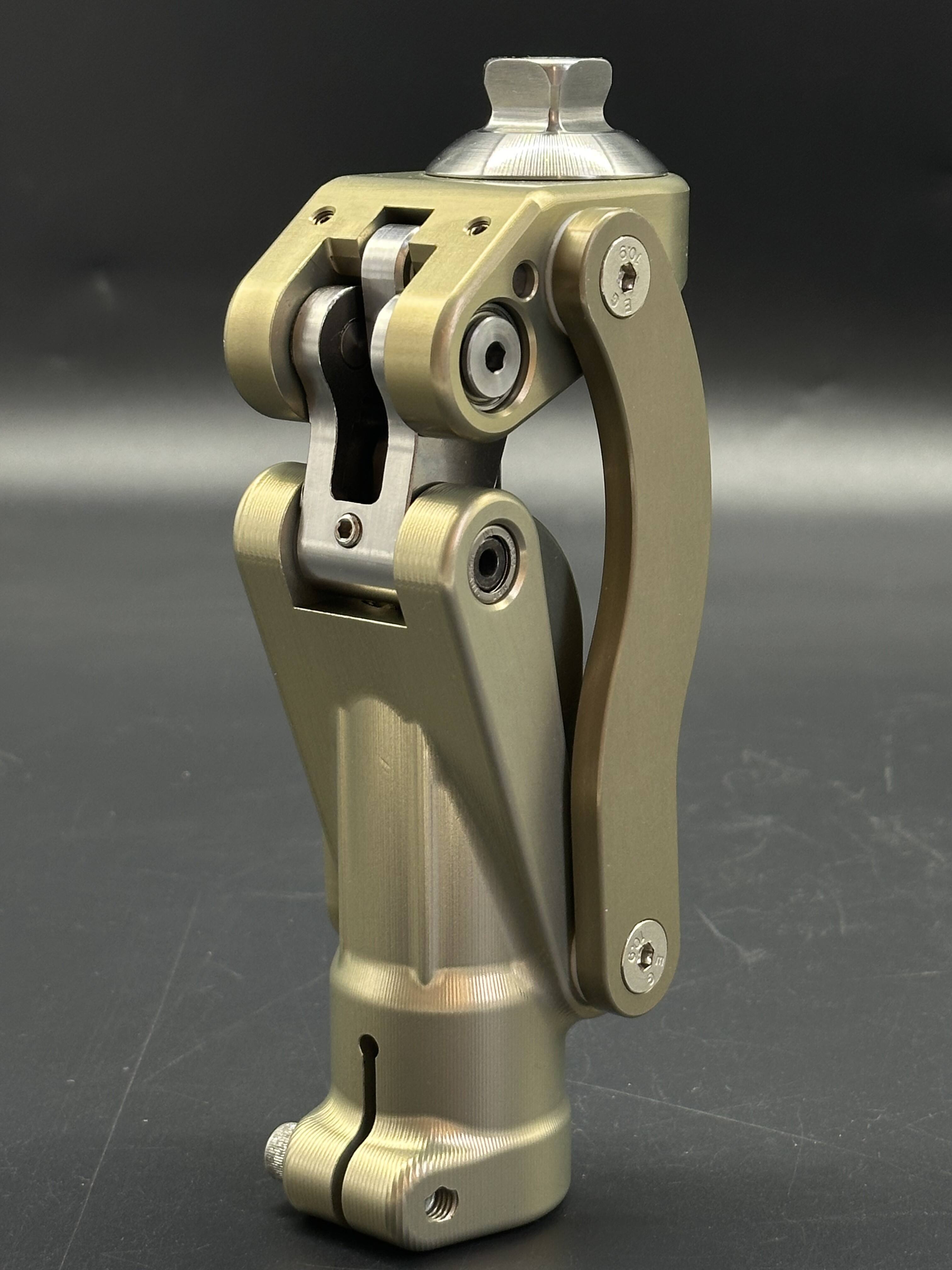
A prosthetic liner is one of the most critical components in a lower-limb prosthetic system, yet it is also one of the most frequently neglected when it comes to daily maintenance. For transtibial and transfemoral amputees alike, the liner acts as the primary interface between the residual limb and the prosthetic socket, absorbing shear forces, providing suspension, and protecting sensitive skin tissue throughout the day. Without consistent daily attention, even a high-quality prosthetic liner will degrade far sooner than its expected service life.
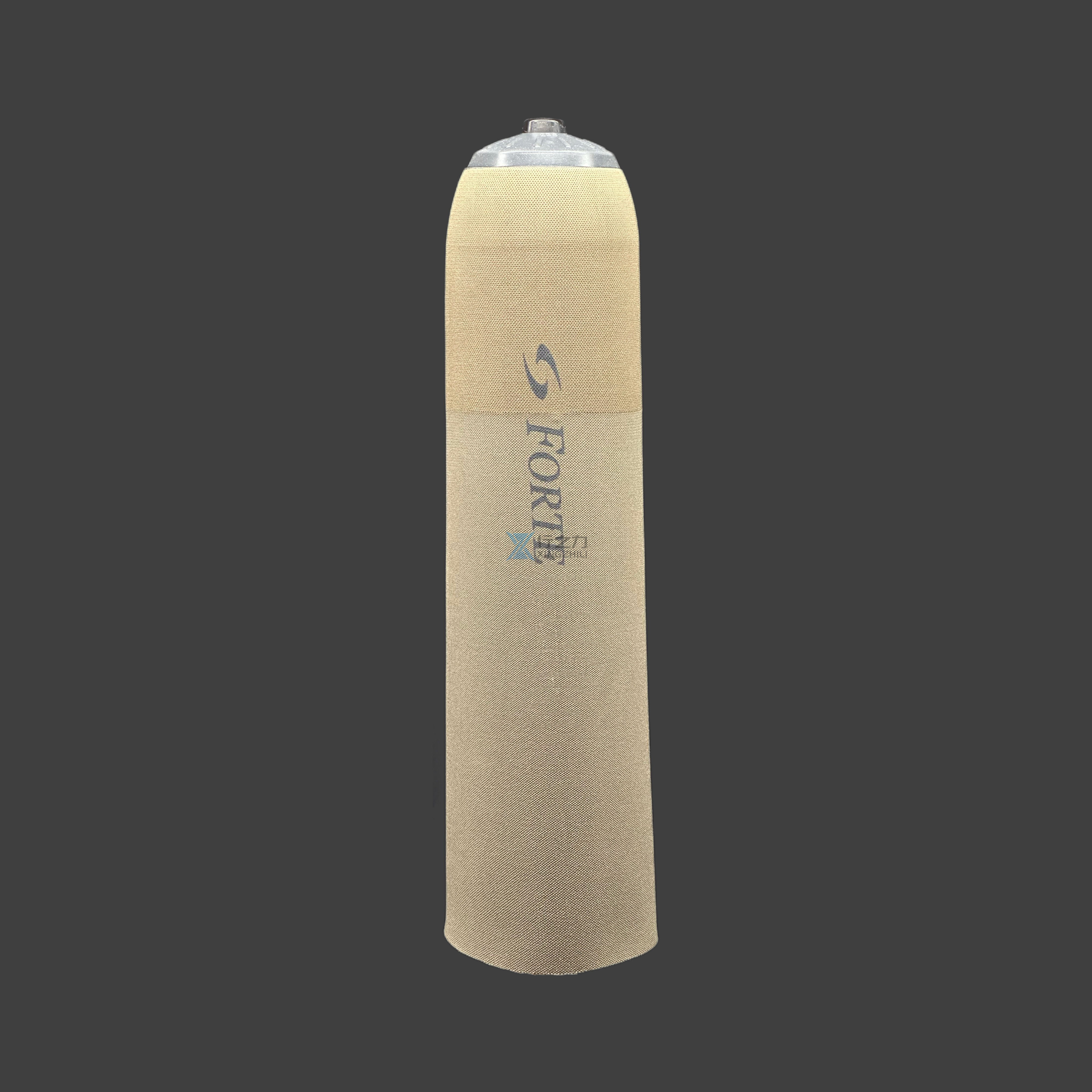
The good news is that extending the functional life of your prosthetic liner does not require expensive tools or lengthy procedures. It requires a disciplined daily check — a structured routine that takes only a few minutes but delivers measurable results in durability, hygiene, and comfort. This article explains exactly which daily checks matter most, why each one protects your prosthetic liner, and how to build a sustainable inspection habit that keeps your liner performing at its best for as long as possible.
Understanding Why Daily Checks Matter for Your Prosthetic Liner
The Cumulative Effect of Daily Wear
Every time you don your prosthetic liner, it undergoes mechanical stress. The silicone or urethane material stretches over the residual limb, compresses inside the socket, and flexes with every step you take. Over hundreds of daily cycles, this stress accumulates in ways that are not always visible to the naked eye at first. Micro-tears begin forming in areas of highest tension, typically around the distal end and along the proximal brim, long before a visible crack appears.
A daily check allows you to catch these early warning signs before they escalate into structural failure. When a prosthetic liner develops a small tear and continues to be used without intervention, that tear propagates rapidly under load. What could have been addressed with a simple adjustment or early replacement becomes an urgent problem that disrupts your mobility and potentially causes skin breakdown on the residual limb.
Consistent inspection also builds familiarity with your liner's baseline condition. When you know exactly how your prosthetic liner looks and feels when it is in good condition, any deviation becomes immediately noticeable. This familiarity is one of the most underrated aspects of liner longevity management.
How Neglect Shortens Liner Lifespan
Prosthetic liner materials, whether silicone, urethane, or thermoplastic elastomer, are engineered to be durable, but they are not indestructible. Sweat, body oils, residual limb skin cells, and environmental contaminants degrade the material chemistry over time. When these substances are not removed daily, they accelerate oxidation and surface breakdown, causing the liner to become sticky, discolored, or brittle far ahead of schedule.
Neglecting to check the suspension pin or locking mechanism daily is another common source of premature liner failure. A pin that is slightly misaligned or a locking liner whose distal attachment shows early wear will place uneven stress on the prosthetic liner body, creating localized fatigue zones. Catching this during a daily check means you can correct the alignment or notify your prosthetist before the liner sustains irreversible damage.
The Core Daily Check Routine for Prosthetic Liner Longevity
Visual Inspection of the Liner Surface
Begin every daily check by holding your prosthetic liner up to a good light source and rotating it slowly through a full 360 degrees. You are looking for any surface irregularities including small cuts, abrasions, thin spots where the material appears translucent, or areas where the fabric backing has begun to separate from the silicone body. Pay particular attention to the distal end, which endures the greatest compressive and tensile forces during ambulation.
Run your fingertips along the inner surface of the prosthetic liner as well. The tactile check often reveals texture changes — roughness, stickiness, or unusual softness — that are not immediately visible. These texture changes frequently indicate early chemical degradation or contamination that needs to be addressed through cleaning before it progresses further.
Check the proximal brim carefully. This area is prone to rolling and folding during donning, and repeated mechanical stress at the brim edge can cause delamination or tearing. If the brim feels stiffer than usual or shows any whitening along the fold line, this is a signal that the prosthetic liner material is beginning to fatigue in that zone.
Cleaning as a Non-Negotiable Daily Step
Cleaning is not separate from the daily check — it is an integral part of it. After removing your prosthetic liner at the end of the day, wash both the inner and outer surfaces with mild soap and lukewarm water. Avoid hot water, which can alter the dimensional stability of silicone liners, and avoid alcohol-based cleaners unless specifically recommended by the manufacturer, as these can dry out and crack the material over time.
Use a soft cloth or your hands rather than abrasive sponges or brushes. The inner surface of a prosthetic liner is precision-engineered to maintain intimate contact with the residual limb, and any surface scratching from abrasive cleaning tools creates nucleation points for future tearing. Rinse thoroughly to remove all soap residue, which can itself become a source of skin irritation and material degradation if left in contact with the liner overnight.
Allow the prosthetic liner to air dry completely before storing it. Storing a damp liner traps moisture inside the material matrix, promoting microbial growth and accelerating the breakdown of the polymer structure. Lay it flat or hang it inverted in a clean, dry location away from direct sunlight and heat sources, both of which cause UV and thermal degradation of silicone and urethane materials.
Checking the Suspension System and Distal Attachment
Pin and Locking Mechanism Inspection
For users of pin-lock suspension systems, the daily check must include a close examination of the distal pin integrated into the prosthetic liner. Inspect the pin for straightness, surface corrosion, and any signs of thread wear. A pin that has developed even slight corrosion or thread damage will not engage the locking mechanism cleanly, causing micro-movement inside the socket that places repetitive shear stress on the liner body at the attachment point.
Check the area of the prosthetic liner immediately surrounding the pin attachment. This zone is subject to concentrated stress during every step, and it is one of the first areas to show fatigue cracking. If you notice any whitening, surface crazing, or material thinning around the pin base, bring this to your prosthetist's attention promptly. Continuing to use a prosthetic liner with a compromised distal attachment zone risks sudden failure during ambulation.
Seal and Suction Integrity Check
For elevated vacuum or seal-in suspension systems, the daily check should include a functional test of the liner's sealing capability. Don the prosthetic liner and socket as normal, then pay attention to whether the suspension feels consistent and secure throughout your initial steps. Any sensation of pistoning — the socket moving up and down relative to the residual limb — suggests that the prosthetic liner's sealing surface has been compromised.
Inspect the sealing brim or integrated seal ring for any deformation, flattening, or surface contamination. Oils and skin residues on the sealing surface dramatically reduce the liner's ability to maintain negative pressure, and these contaminants must be removed as part of the daily cleaning routine. A prosthetic liner that cannot maintain its designed suspension function is not only less comfortable but also places abnormal mechanical loads on the socket and residual limb tissues.
Residual Limb Skin Assessment as Part of the Daily Check
Reading the Skin for Liner Performance Signals
The condition of your residual limb skin is one of the most reliable indicators of how well your prosthetic liner is performing. As part of your daily check, examine the skin of the residual limb carefully after removing the liner. Look for areas of redness, blistering, abrasion, or unusual pressure marks. These skin responses are direct feedback about how the prosthetic liner is distributing load and managing friction.
Persistent redness in a specific zone often indicates that the prosthetic liner has developed a thin spot or a localized stiffness change that is concentrating pressure in that area. Blistering suggests that shear forces are exceeding the liner's protective capacity, which may mean the liner has stretched beyond its optimal fit range and needs replacement. Tracking these skin signals daily allows you to correlate them with specific liner conditions and make informed decisions about when to replace the prosthetic liner.
Hygiene Practices That Protect Both Skin and Liner
Washing the residual limb thoroughly before donning the prosthetic liner each morning is as important as cleaning the liner itself. Skin oils, sweat residues, and topical products such as lotions or creams can transfer to the inner surface of the prosthetic liner and accelerate material degradation. Use a gentle, fragrance-free soap and ensure the skin is completely dry before rolling on the liner.
Avoid applying moisturizers, petroleum-based products, or silicone-based skin preparations immediately before donning the prosthetic liner unless your prosthetist has specifically recommended a compatible product. Many common skin care products are chemically incompatible with silicone liner materials and will cause swelling, tackiness, or surface breakdown of the liner over time. If you use any topical skin treatment, apply it at night after removing the liner and allow it to fully absorb before the next morning's donning.
Recognizing When Daily Checks Signal Replacement Is Needed
Objective Signs That the Liner Has Reached End of Life
Even with perfect daily maintenance, every prosthetic liner has a finite service life. The daily check routine is valuable precisely because it allows you to recognize end-of-life indicators early rather than being caught off guard by sudden failure. Key objective signs include visible tearing or cracking of the liner body, permanent deformation that prevents the liner from returning to its original shape after removal, and significant thinning of the distal end material.
A prosthetic liner that has lost its original elasticity and no longer rolls smoothly onto the residual limb is another clear replacement signal. Loss of elasticity means the polymer chains within the material have broken down to the point where the liner can no longer provide consistent compression and suspension. Continuing to use such a liner compromises both comfort and safety.
Communicating Daily Check Findings to Your Prosthetist
Your daily check observations are valuable clinical data. Keep a simple log of anything unusual you notice during your inspections — the date, the location on the prosthetic liner, and the nature of the finding. This log gives your prosthetist a longitudinal picture of how the liner is wearing and helps them make better-informed recommendations about replacement timing and socket adjustments.
Do not wait for your scheduled appointment if your daily check reveals a significant finding such as a visible tear, a failed pin, or persistent skin breakdown. Contact your prosthetist promptly. Early intervention almost always results in a simpler, less costly solution than waiting until a problem becomes severe. The daily check is only as valuable as the follow-through it enables.
FAQ
How often should I perform a full inspection of my prosthetic liner?
A basic visual and tactile inspection should be performed every single day, ideally when you remove the prosthetic liner at the end of the day. A more thorough check that includes testing suspension integrity and examining the distal attachment should be done at least once a week. If you notice any changes in comfort, suspension, or skin condition, perform a full check immediately regardless of your regular schedule.
Can I use any soap to clean my prosthetic liner?
Use only mild, pH-neutral soap without added fragrances, antibacterial agents, or abrasive particles. Harsh detergents, alcohol-based cleaners, and bleach-containing products can chemically degrade the silicone or urethane material of the prosthetic liner, causing it to become brittle, sticky, or dimensionally unstable. When in doubt, ask your prosthetist to recommend a cleaning product that is specifically compatible with your liner's material.
How long should a prosthetic liner typically last with proper daily care?
With consistent daily cleaning, inspection, and proper storage, most silicone prosthetic liners last between three and six months under typical daily use conditions. Activity level, body weight, perspiration rate, and the specific demands of the user's lifestyle all influence actual service life. Some highly active users may need to replace their prosthetic liner more frequently, while less active users may achieve longer service intervals. Your prosthetist can give you a more personalized estimate based on your specific situation.
What is the most common mistake people make that shortens prosthetic liner life?
The single most common mistake is inconsistent or improper cleaning. Allowing sweat, body oils, and skin residues to accumulate on the inner surface of the prosthetic liner accelerates material degradation significantly. The second most common mistake is storing the liner while it is still damp or in direct sunlight, both of which cause rapid deterioration of the polymer structure. Establishing a consistent end-of-day cleaning and storage routine addresses both of these issues and is the single most impactful habit for extending prosthetic liner longevity.