
 EN
EN



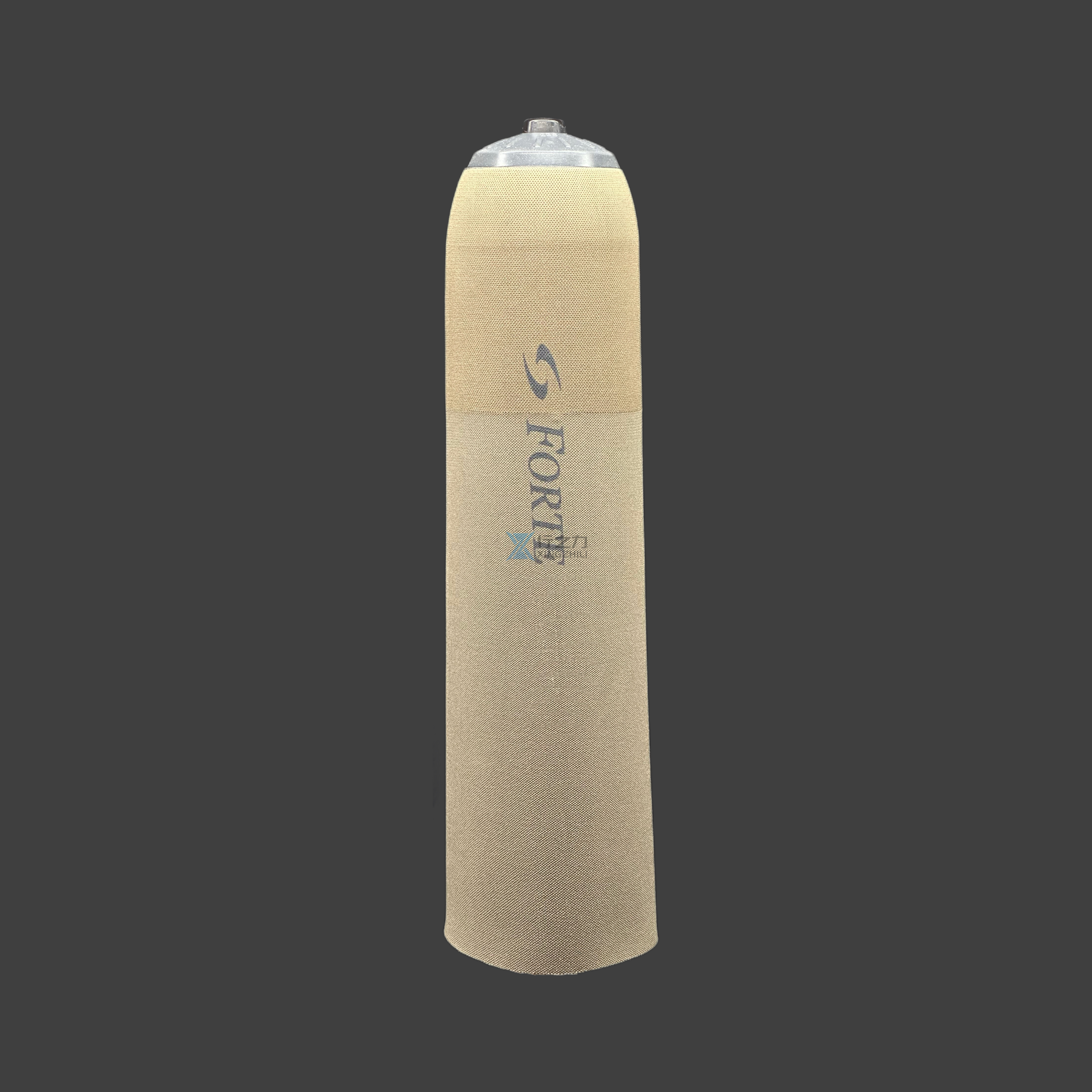
Maintaining a prosthetic limb is a daily responsibility that directly affects comfort, hygiene, and the longevity of every component. For many users, one of the most important yet overlooked parts of that routine is properly cleaning the silicone liner — the soft, skin-contact sleeve that sits between the residual limb and the prosthetic socket. Without the right cleaning habits, bacteria, odor, and skin irritation can develop quickly, even when no specialized equipment is available.
The good news is that effective prosthetic cleaning does not require expensive or specialized tools. With a few household items and a consistent routine, users can keep their silicone liner and prosthetic components in excellent condition. This guide walks through the best methods, practical tips, and important precautions for cleaning a prosthetic safely and thoroughly using only everyday materials.
Understanding What Needs to Be Cleaned
The Silicone Liner as the Primary Contact Surface
The silicone liner is the component that requires the most frequent and careful attention. It sits directly against the skin for hours each day, absorbing sweat, skin oils, and dead cells. This creates an environment where bacteria and fungi can thrive if the liner is not cleaned consistently. Because the material is soft and flexible, it also tends to trap residue in its inner surface more readily than rigid components.
A silicone liner that is not cleaned daily will begin to develop odor within a short period. More importantly, the buildup of biological material can cause skin breakdown, folliculitis, or contact dermatitis on the residual limb. These conditions are not just uncomfortable — they can force a user to stop wearing their prosthetic entirely while the skin heals.
Understanding that the silicone liner is the highest-priority cleaning target helps users allocate their time and effort correctly. Other components like the socket and pylon also need attention, but the liner demands daily care without exception.
The Socket and Outer Components
The prosthetic socket, which encases the residual limb and holds the silicone liner in place, also accumulates sweat and skin contact residue over time. While it does not require the same daily intensity as the liner, it should be wiped down regularly to prevent odor transfer and material degradation.
Outer structural components such as the pylon, foot shell, and any exposed hardware are less prone to hygiene issues but can collect dust, dirt, and moisture. A simple wipe-down with a damp cloth is usually sufficient for these parts. The key is not to neglect them entirely, as moisture trapped in joints or covers can eventually cause corrosion or material fatigue.
The Best Way to Clean a Silicone Liner Without Special Tools
Using Mild Soap and Warm Water
The most effective and universally accessible method for cleaning a silicone liner is a combination of mild soap and warm water. This approach requires nothing more than what is already available in most bathrooms. The process is straightforward: turn the silicone liner inside out, apply a small amount of mild, fragrance-free soap to the inner surface, and gently work it in with your fingers or a soft cloth.
Warm water helps loosen oils and biological residue without damaging the silicone material. Avoid hot water, as prolonged exposure to high temperatures can degrade the elasticity of the silicone liner over time. Rinse thoroughly to ensure no soap residue remains, as leftover detergent can irritate sensitive skin on the residual limb.
After rinsing, gently pat the silicone liner dry with a clean, lint-free towel. Do not wring or twist the liner, as this can stress the material and cause micro-tears that shorten its lifespan. Allow it to air dry completely before putting it back on, ideally in a clean, ventilated space away from direct sunlight.
Using Isopropyl Alcohol for Disinfection
When a deeper level of disinfection is needed — for example, after illness, skin irritation, or extended wear in hot conditions — isopropyl alcohol at a concentration of 70% is a practical tool that most households already have. Apply a small amount to a soft cloth or cotton pad and wipe the inner surface of the silicone liner carefully.
Isopropyl alcohol evaporates quickly and does not leave residue, making it a convenient option for quick disinfection between full washes. However, it should not replace regular soap-and-water cleaning, and it should not be used excessively. Frequent alcohol exposure can gradually dry out the silicone liner material, reducing its softness and fit over time.
Always allow the silicone liner to dry fully after any alcohol application before wearing it. Even though alcohol evaporates fast, wearing the liner while it is still damp can trap moisture against the skin, which is counterproductive to hygiene goals.
Cleaning the Socket and Frame Without Specialized Equipment
Wiping Down the Socket Interior
The interior of the prosthetic socket can be cleaned effectively with a damp cloth and a small amount of mild soap. Focus on the areas that come into direct contact with the silicone liner, as these surfaces accumulate the most residue. Use a soft cloth rather than abrasive materials to avoid scratching the socket surface, which could create rough spots that wear down the liner faster.
After wiping with soapy water, follow up with a clean damp cloth to remove any soap film, then allow the socket to air dry before reassembly. This process takes only a few minutes and should be done at least two to three times per week, or more frequently in warm climates or during periods of high physical activity.
Addressing Odor in the Socket
Odor in the socket is a common concern and can persist even after cleaning if the source is not addressed properly. A diluted solution of white vinegar and water — roughly one part vinegar to three parts water — applied with a cloth can neutralize odor-causing bacteria effectively. White vinegar is a natural antimicrobial agent and is safe for most socket materials.
After applying the vinegar solution, wipe the socket with a clean damp cloth and allow it to dry completely. The vinegar smell dissipates as it dries, leaving the socket fresh. This method is particularly useful for users who notice persistent odor despite regular cleaning of the silicone liner, as the socket itself may be harboring bacteria.
Baking soda is another household option for odor control. A light dusting inside the dry socket, left overnight and then wiped out in the morning, can absorb residual odors without introducing moisture or chemicals that could affect the material.
Building a Daily and Weekly Cleaning Routine
What to Do Every Day
A daily cleaning routine for the silicone liner should become as automatic as brushing teeth. Each evening after removing the prosthetic, the silicone liner should be washed with mild soap and warm water, rinsed thoroughly, and left to dry overnight. This single habit prevents the majority of hygiene problems that prosthetic users encounter.
The residual limb itself should also be washed daily with mild soap and water, and inspected for any signs of redness, irritation, or skin breakdown. Catching these issues early prevents them from escalating into conditions that require medical attention or a break from prosthetic use.
Storing the silicone liner properly overnight also matters. Keep it in a clean, dry location away from direct sunlight and heat sources. Avoid leaving it on surfaces that may transfer dust or contaminants back onto the cleaned material.
What to Do Each Week
A weekly deep-clean routine should include a more thorough inspection and cleaning of all prosthetic components. This is the time to clean the socket interior, check for any visible wear or damage on the silicone liner, and address any persistent odor issues using the vinegar or baking soda methods described above.
Inspect the silicone liner carefully during the weekly routine. Look for small tears, thinning areas, or changes in texture that might indicate the material is beginning to degrade. A silicone liner that is compromised structurally will not provide the same suspension and comfort, and may need to be replaced regardless of how well it has been cleaned.
Weekly cleaning is also a good opportunity to check the fit of the silicone liner. Changes in residual limb volume due to weight fluctuation, activity level, or health conditions can affect how the liner fits inside the socket. Noticing these changes early allows for timely adjustments before they cause skin problems.
Common Mistakes to Avoid When Cleaning a Prosthetic
Using Harsh Chemicals or Abrasive Materials
One of the most damaging mistakes users make is reaching for strong household cleaners when they want a thorough clean. Bleach, acetone, hydrogen peroxide at high concentrations, and solvent-based cleaners can all degrade the silicone liner material rapidly. Even a single exposure to these substances can cause the silicone to stiffen, crack, or lose its adhesive properties.
Similarly, abrasive scrubbing pads or stiff brushes should never be used on the silicone liner. The surface of a silicone liner is designed to be smooth and skin-friendly. Scratching it creates micro-abrasions that harbor bacteria and can irritate the residual limb. A soft cloth or clean fingers are always the right tools for this task.
Skipping the Drying Step
Putting on a silicone liner that has not dried completely is a mistake that many users make when they are in a hurry. A damp liner traps moisture against the skin, creating exactly the warm, wet environment that bacteria and fungi need to grow. This can quickly lead to skin maceration, fungal infections, or folliculitis.
If time is limited in the morning, consider washing the silicone liner the night before and allowing it to dry overnight. This ensures it is always clean and fully dry when needed. Having a second silicone liner as a backup also allows one to be worn while the other is being cleaned and dried, which is a practical solution for active users.
FAQ
How often should I clean my silicone liner?
The silicone liner should be cleaned every day without exception. Daily washing with mild soap and warm water removes sweat, skin oils, and bacteria that accumulate during wear. Skipping even one day can allow enough buildup to cause odor or skin irritation, particularly in warm weather or during periods of high activity.
Can I use hand sanitizer to clean my silicone liner?
Hand sanitizer is not recommended as a primary cleaning method for a silicone liner. Most hand sanitizers contain additives like fragrances, moisturizers, or gelling agents that can leave residue on the liner surface and potentially irritate the skin. If disinfection is needed between full washes, plain 70% isopropyl alcohol applied with a clean cloth is a better option.
What should I do if my silicone liner develops a persistent odor despite regular cleaning?
Persistent odor in a silicone liner despite regular cleaning usually indicates that bacteria have become embedded in the material, or that the socket itself is the source of the smell. Try soaking the liner briefly in a diluted mild soap solution, then rinse and dry thoroughly. Also clean the socket interior with a diluted white vinegar solution. If the odor continues, the liner may have reached the end of its usable life and should be evaluated for replacement.
How do I know when my silicone liner needs to be replaced rather than just cleaned?
A silicone liner that has visible tears, thinning patches, loss of elasticity, or a permanently altered shape should be replaced regardless of cleaning frequency. Other signs include a persistent fit problem that was not present when the liner was new, or skin irritation that does not resolve after improving the cleaning routine. Regular inspection during the weekly cleaning routine helps identify these signs early before they cause more serious issues.