
 EN
EN



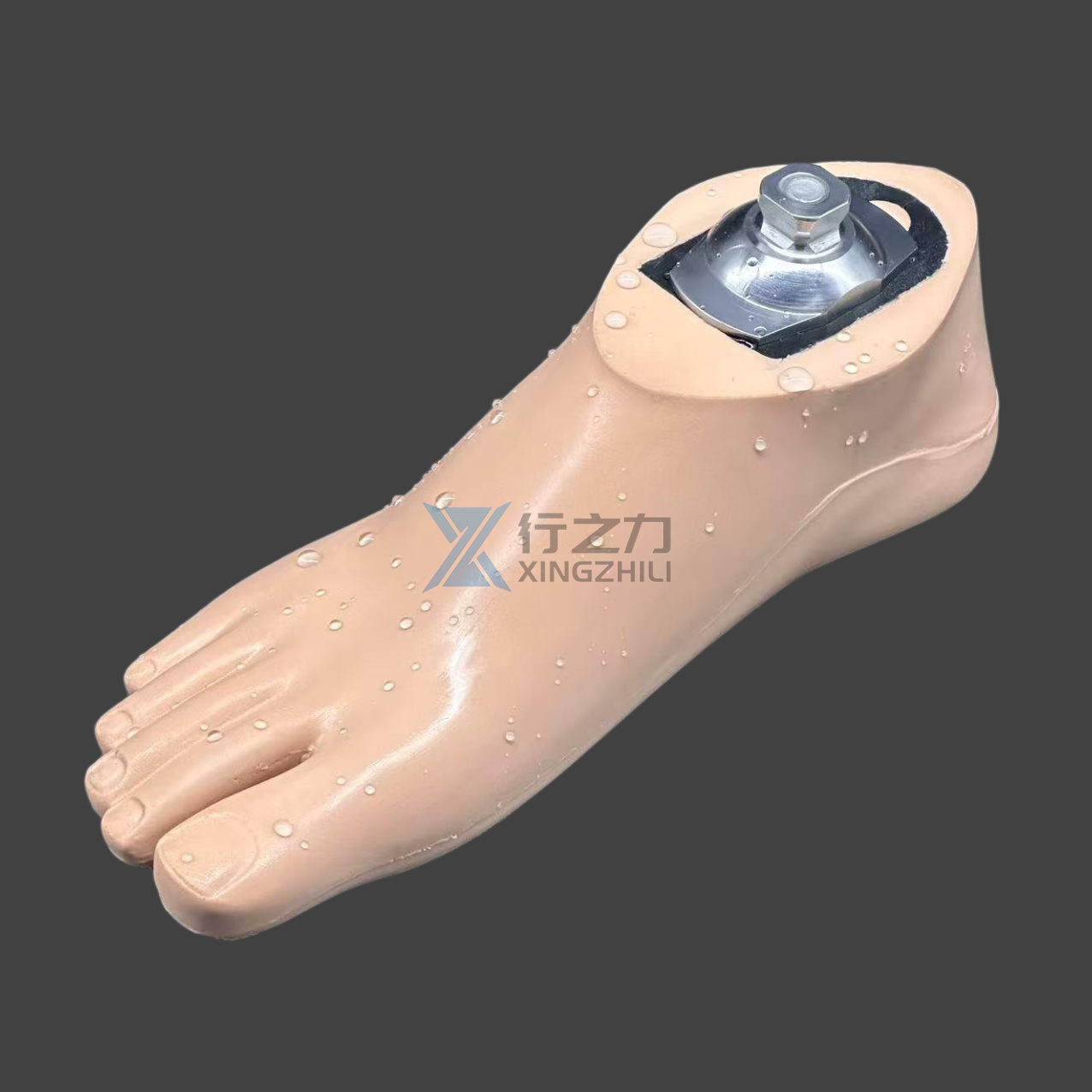
For amputees who want to reclaim a fully active lifestyle, the question of whether a waterproof prosthetic can genuinely survive the demands of daily showering is far more than a technical curiosity — it is a practical, everyday concern. Showering is not an optional activity, and the idea of removing a prosthetic limb every single time you step into the bathroom creates real friction in daily life. Understanding what a waterproof prosthetic is actually built to withstand helps users, caregivers, and clinicians make informed decisions about long-term use and care.
The short answer is yes — a properly engineered waterproof prosthetic is designed to handle daily shower exposure without sustaining damage. However, the full picture is more nuanced. Not every component labeled 'water-resistant' offers the same level of protection, and the difference between a device that tolerates occasional splashes and one that can be worn through a full shower every day comes down to materials, sealing technology, and structural design. This article breaks down exactly what makes a waterproof prosthetic durable enough for daily wet environments and what users should understand before relying on one in the shower.
What Makes a Waterproof Prosthetic Different from a Standard One
Core Material Differences
A standard prosthetic foot or lower-limb device is typically constructed with materials that prioritize weight, flexibility, and energy return — but not necessarily water resistance. Carbon fiber components, foam cosmetic covers, and certain adhesives used in conventional prosthetics can degrade, delaminate, or absorb moisture over time when exposed to repeated wet conditions. A waterproof prosthetic, by contrast, is engineered from the ground up with moisture exposure as a primary design constraint.
Materials commonly used in waterproof prosthetic construction include corrosion-resistant alloys, sealed carbon fiber laminates, and thermoplastic polymers that do not absorb water. These materials maintain their structural integrity even after prolonged and repeated exposure to warm shower water. The goal is not just to prevent immediate water ingress but to ensure that the cumulative effect of daily moisture does not cause internal corrosion, material fatigue, or joint degradation over months of use.
The cosmetic cover, if present, is also a critical consideration. Many standard foam covers are highly porous and will retain water, creating conditions for bacterial growth and unpleasant odors. A waterproof prosthetic designed for shower use typically either omits the foam cover entirely or uses a sealed, non-porous alternative that dries quickly and resists microbial buildup.
Sealing and Closure Systems
Beyond raw materials, the sealing architecture of a waterproof prosthetic determines how well it performs in a daily shower environment. Mechanical joints, ankle articulation points, and any internal electronic components must be protected by gaskets, O-rings, or sealed housings that prevent water from penetrating into areas where it can cause damage. In passive waterproof prosthetic feet, this is relatively straightforward since there are no electronics to protect, but the structural joints still require careful sealing to prevent corrosion and wear.
For microprocessor-controlled or powered waterproof prosthetic devices, the sealing challenge is significantly more complex. These devices must meet specific ingress protection ratings — commonly expressed as IP ratings — that certify the level of protection against water and particulate matter. A waterproof prosthetic intended for shower use should carry at minimum an IPX5 or IPX7 rating, indicating resistance to water jets or temporary immersion respectively. Users should always verify the specific IP rating of their device rather than relying on general marketing language.
Daily Shower Conditions and What They Actually Demand
Temperature, Pressure, and Duration
A daily shower is not a static water exposure event. It involves warm to hot water, variable pressure from a showerhead, soap and shampoo residues, and durations that typically range from five to twenty minutes. For a waterproof prosthetic to survive this environment without damage, it must handle all of these variables simultaneously and repeatedly over years of use. Warm water accelerates the degradation of certain adhesives and sealants, so a waterproof prosthetic must use materials and bonding agents rated for elevated temperatures.
Soap and cleaning product residues are another underappreciated factor. Some chemical compounds in body washes and shampoos can interact with certain polymers or surface coatings over time, causing discoloration, surface degradation, or seal weakening. A well-designed waterproof prosthetic uses chemically inert surface materials that resist these interactions, ensuring that the device looks and performs consistently even after hundreds of shower exposures.
The mechanical stress of standing and moving in a wet shower environment also matters. Wet surfaces create different load distribution patterns compared to dry ground, and a waterproof prosthetic foot must maintain adequate grip and structural response under these conditions. Slip-resistant sole materials and stable ankle geometry are important features that contribute to both safety and device longevity in the shower.
Cumulative Wear Over Time
One of the most important questions users ask is not whether a waterproof prosthetic survives a single shower, but whether it survives a thousand showers. Cumulative exposure is the real test of durability. Seals can degrade gradually, surface coatings can thin, and micro-cracks in structural components can propagate over time if the device was not designed with long-term wet exposure in mind.
High-quality waterproof prosthetic devices are tested under accelerated aging protocols that simulate years of daily use in wet environments. These tests evaluate seal integrity, material hardness retention, joint play, and surface finish durability. Users should ask their prosthetist or supplier for documentation of these test results when selecting a waterproof prosthetic intended for daily shower use, as this data provides a much more reliable picture of long-term performance than general product descriptions.
Routine maintenance also plays a role in extending the service life of a waterproof prosthetic. Rinsing the device with clean water after each shower to remove soap residue, periodically inspecting seals for signs of wear, and following the manufacturer's recommended service intervals all contribute to keeping the device in optimal condition. A waterproof prosthetic that is well maintained will consistently outperform one that is neglected, regardless of initial build quality.
Structural Integrity Under Wet Load Conditions
Foot and Ankle Mechanics in Wet Environments
The structural demands placed on a waterproof prosthetic foot during showering are distinct from those encountered during walking on dry ground. Wet surfaces reduce friction, which changes how load is distributed across the foot during standing and weight shifting. A waterproof prosthetic foot must be designed with a sole geometry and material that provides adequate grip on wet tile or shower floor surfaces, preventing slips that could damage both the device and the user.
Ankle articulation in a waterproof prosthetic must also function reliably when wet. Water can act as a lubricant in some joint configurations, altering the resistance and response characteristics of the ankle mechanism. Designers of waterproof prosthetic feet account for this by using joint materials and geometries that maintain consistent performance whether wet or dry, ensuring that the user's gait and balance are not compromised in the shower environment.
Attachment and Socket Compatibility
A waterproof prosthetic foot is only one part of the system. The socket, liner, and suspension mechanism that connect the device to the residual limb also need to be considered in the context of shower use. Many standard liners are not designed for prolonged water exposure and can degrade, lose their sealing properties, or become uncomfortable when wet. Users who intend to shower with their waterproof prosthetic should ensure that the entire system — not just the foot component — is rated and designed for wet use.
Some users choose to use a dedicated waterproof prosthetic specifically for shower and aquatic activities, keeping their primary everyday device dry. This approach extends the service life of both devices and allows each to be optimized for its specific use environment. A waterproof prosthetic used exclusively in wet conditions can be lighter and simpler in design since it does not need to meet the same energy return and cosmetic requirements as a full-time walking device.
Practical Guidance for Daily Shower Use
Establishing a Safe Shower Routine
Using a waterproof prosthetic in the shower safely requires more than just having the right device. The shower environment itself should be set up to support safe use, including non-slip mats, grab bars, and a shower seat if needed. Even with a reliable waterproof prosthetic, the combination of wet surfaces and the physical demands of showering creates fall risk that should be managed through environmental modifications as well as device selection.
Users should also establish a consistent post-shower care routine for their waterproof prosthetic. This typically involves rinsing the device under clean water to remove soap and shampoo residue, shaking out any pooled water from recessed areas, and allowing the device to air dry in a well-ventilated space. These simple steps significantly reduce the risk of seal degradation, odor development, and surface staining over time.
When to Inspect and Service the Device
Even the most durable waterproof prosthetic benefits from periodic professional inspection. Prosthetists can assess seal condition, check for micro-cracks or surface wear, and verify that all mechanical components are functioning within specification. For users who shower daily with their waterproof prosthetic, an annual inspection is a reasonable minimum, with more frequent checks if the device shows any signs of water ingress, unusual sounds, or changes in performance.
Signs that a waterproof prosthetic may need servicing include visible corrosion on metal components, softening or cracking of seals, unusual resistance or looseness in articulating joints, and any evidence of water inside sealed housings. Addressing these issues promptly prevents minor wear from becoming major structural problems and ensures that the device continues to provide reliable protection during daily shower use.
Replacement schedules for seals and gaskets in a waterproof prosthetic should follow manufacturer guidelines rather than being deferred until visible failure occurs. Proactive seal replacement is far less disruptive and costly than dealing with water damage to internal components, and it keeps the waterproof prosthetic performing at the level it was designed to achieve.
FAQ
Can I wear my waterproof prosthetic in the shower every single day without shortening its lifespan?
Yes, a waterproof prosthetic that is specifically designed and rated for daily wet use can handle daily showers without significant lifespan reduction, provided it is properly maintained. Rinsing after each use, following the manufacturer's care instructions, and scheduling periodic professional inspections are the key factors that preserve long-term performance. Devices not rated for continuous wet exposure should not be used in this way, as daily shower use will accelerate their degradation.
Is there a difference between 'water-resistant' and 'waterproof' when it comes to prosthetic devices?
Yes, and the distinction matters significantly for daily shower use. A water-resistant waterproof prosthetic can tolerate light moisture exposure such as rain or splashing but is not designed for full immersion or prolonged wet contact. A truly waterproof prosthetic is engineered and tested to withstand sustained water exposure, including showers and shallow water activities. Always check the IP rating and manufacturer specifications to confirm the actual level of water protection before using any device in the shower.
Do I need a separate waterproof prosthetic just for showering, or can my everyday device handle it?
This depends entirely on whether your everyday waterproof prosthetic is rated for continuous wet use. Some high-quality waterproof prosthetic feet are designed to function as both everyday walking devices and shower-safe devices. Others are optimized for dry-land performance and should not be used in wet environments. Consulting with your prosthetist is the best way to determine whether your current device is suitable for daily shower use or whether a dedicated waterproof prosthetic for wet activities would better serve your needs.
What should I do if I notice water inside my waterproof prosthetic after a shower?
Water ingress into a waterproof prosthetic is a sign that the sealing system has been compromised and requires immediate attention. Stop using the device in wet environments until it has been inspected and repaired by a qualified prosthetist or the manufacturer's service team. Continuing to use a waterproof prosthetic with compromised seals can lead to internal corrosion, component damage, and potentially unsafe performance. Early intervention is always less costly and disruptive than waiting for a full failure.
Table of Contents
- What Makes a Waterproof Prosthetic Different from a Standard One
- Daily Shower Conditions and What They Actually Demand
- Structural Integrity Under Wet Load Conditions
- Practical Guidance for Daily Shower Use
-
FAQ
- Can I wear my waterproof prosthetic in the shower every single day without shortening its lifespan?
- Is there a difference between 'water-resistant' and 'waterproof' when it comes to prosthetic devices?
- Do I need a separate waterproof prosthetic just for showering, or can my everyday device handle it?
- What should I do if I notice water inside my waterproof prosthetic after a shower?