
 EN
EN


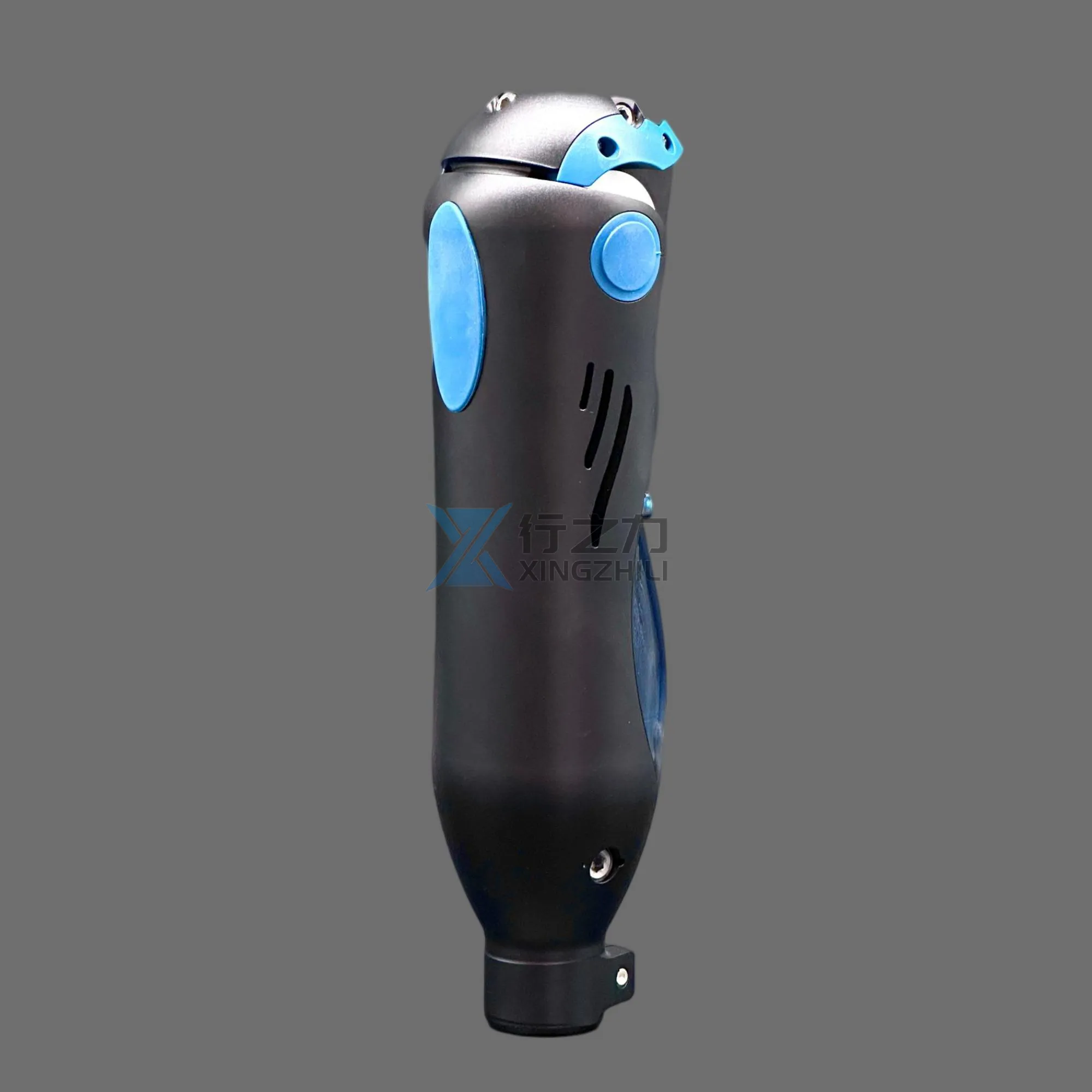
For individuals who rely on lower limb prosthetics, the ability to adapt seamlessly to varying walking speeds represents a crucial factor in regaining functional mobility and independence. A hydraulic prosthetic knee joint stands out as an advanced solution specifically engineered to address the dynamic challenges posed by real-world ambulation, where walking pace naturally fluctuates based on environment, task demands, and social context. Unlike simpler mechanical knee systems that operate with fixed resistance levels, hydraulic technology incorporates fluid-based damping mechanisms that automatically adjust resistance in response to changes in gait velocity, providing a more natural and secure walking experience across multiple speed ranges.
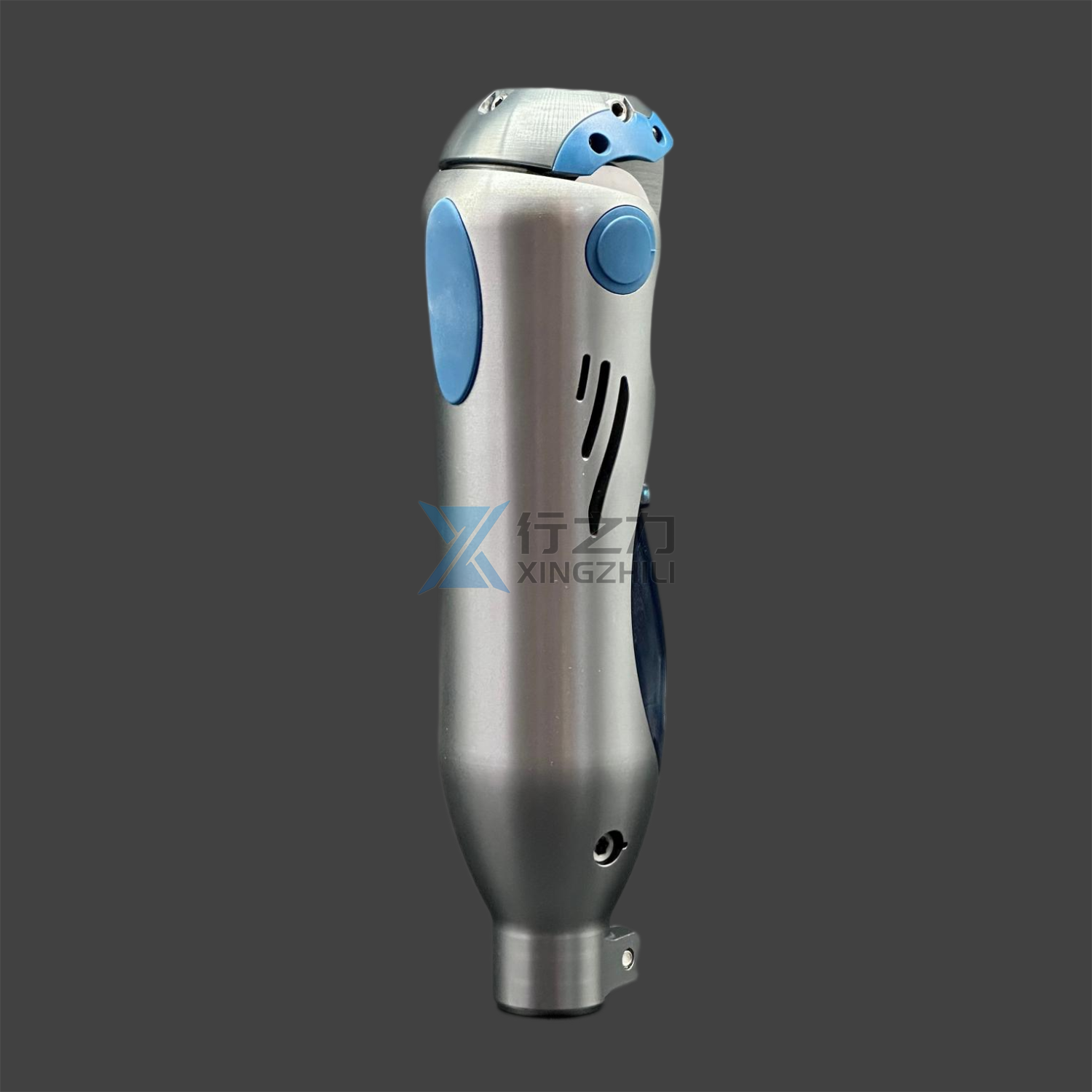
The question of what makes a hydraulic prosthetic knee joint ideal for changing walking speeds centers on understanding how hydraulic resistance systems respond to biomechanical forces during gait transitions. When an amputee accelerates from a slow stroll to a brisk walk or decelerates when approaching obstacles, the prosthetic knee must provide appropriate swing phase control and stance phase stability without requiring conscious adjustment. This adaptive capability stems from the fundamental physics of hydraulic fluid dynamics, where resistance levels automatically correlate with the speed of knee flexion and extension, creating an intelligent mechanical response that mimics the neuromuscular coordination present in biological limbs.
The Biomechanical Foundation of Speed-Adaptive Knee Function
Gait Cycle Requirements Across Different Walking Velocities
Human walking involves a complex interplay of stance phase stability and swing phase clearance, with timing and force parameters that vary substantially across different speeds. During slow walking, the swing phase occupies a relatively longer proportion of the gait cycle, requiring extended control periods with moderate resistance to prevent excessive heel rise or terminal impact. Conversely, faster walking demands quicker limb advancement with reduced swing time, necessitating lower resistance during early swing to allow rapid knee flexion while maintaining sufficient control to prevent uncontrolled motion. A hydraulic prosthetic knee joint addresses these competing demands through velocity-dependent damping characteristics that automatically modulate resistance based on angular velocity.
The stance phase presents equally demanding requirements when walking speeds change. At slower velocities, weight acceptance occurs over a longer time period with gradual loading, while faster walking involves more abrupt loading transitions and higher impact forces. Hydraulic systems excel in this context by providing stance flexion resistance that scales proportionally with loading rate, offering stability during weight transfer regardless of approach speed. This adaptive resistance prevents the sudden knee collapse that can occur with fixed-resistance systems when users unexpectedly encounter speed changes, such as when navigating crowded spaces or responding to external perturbations.
Fluid Dynamics Principles in Adaptive Resistance Control
The operational principle underlying speed adaptation in a hydraulic prosthetic knee joint relies on the behavior of incompressible fluids forced through calibrated orifices under varying pressures. When the knee joint rotates, a piston moves within a cylinder filled with hydraulic fluid, forcing the fluid through precisely engineered channels and valve systems. At low angular velocities, the fluid flows relatively easily through these passages, generating minimal resistance. As rotational speed increases, the same volume of fluid must transit the orifices more quickly, creating exponentially higher pressure differentials and correspondingly greater resistance forces.
This velocity-squared relationship between flow rate and pressure drop represents the mathematical foundation of hydraulic speed sensitivity. The resistance force experienced by the user increases proportionally to the square of the knee's angular velocity, meaning that doubling the walking speed results in approximately four times the damping resistance. This nonlinear response profile closely approximates the natural resistance characteristics of biological muscle-tendon systems during dynamic movement, contributing to the intuitive feel reported by experienced hydraulic knee users. Advanced hydraulic prosthetic knee joint designs further refine this response through variable orifice geometries and bypass valve systems that modulate the resistance curve across the full range of functional walking speeds.
Engineering Features That Enable Multi-Speed Performance
Progressive Hydraulic Circuit Architecture
Modern hydraulic prosthetic knee joint systems incorporate sophisticated circuit designs that go beyond simple single-chamber damping. Multi-chamber configurations with interconnected fluid pathways allow for differentiated control during flexion versus extension phases, accommodating the asymmetric requirements of swing phase dynamics. During swing initiation, when the knee must flex rapidly to achieve ground clearance, the hydraulic circuit permits relatively free fluid movement through larger cross-sectional pathways. As the knee approaches full flexion and begins extending toward heel strike, secondary resistance circuits engage to decelerate the shank and position the foot appropriately for the subsequent stance phase.
The integration of check valves and directional flow restrictors within the hydraulic circuit enables this phase-specific tuning. These components function as intelligent fluid gates, opening to facilitate motion in one direction while restricting flow in the opposite direction. When properly calibrated to individual user characteristics and walking patterns, this circuit architecture provides seamless transitions between walking speeds without requiring electronic sensors or external power sources. The purely mechanical nature of this adaptation mechanism contributes to the reliability and maintenance simplicity that makes hydraulic technology particularly suitable for users in varied environmental conditions and activity contexts.
Adjustable Damping Parameters for Individualized Response
Recognizing that amputees vary significantly in residual limb strength, overall fitness level, and preferred walking speeds, quality hydraulic prosthetic knee joint systems incorporate adjustment mechanisms that allow prosthetists to customize the speed-response characteristics. External adjustment screws or rotary dials typically control the effective orifice size or bypass flow capacity, enabling fine-tuning of the resistance curve without disassembling the hydraulic unit. This adjustability ensures that the knee provides appropriate support for both the cautious slow walking of a novice user and the more aggressive gait patterns of an athletic amputee.
The clinical fitting process for a hydraulic prosthetic knee joint involves systematic evaluation of gait characteristics across multiple speeds, with iterative adjustments to damping parameters based on observed performance. Prosthetists assess swing phase symmetry, terminal impact forces, and the user's subjective perception of control and naturalness. By establishing optimal settings for the individual's typical walking speed while ensuring adequate reserve capacity for faster walking, the adjustment process creates a functional speed range that accommodates the natural velocity variations encountered in daily living without compromising safety or efficiency at any point within that range.
Mechanical Stance Control Integration
While hydraulic damping primarily governs swing phase behavior, many advanced hydraulic prosthetic knee joint designs incorporate complementary mechanical elements that enhance stance phase security across different loading conditions. Weight-activated friction brakes or geometric locking mechanisms engage automatically during weight bearing, providing stability that supplements the hydraulic resistance. These stance control features operate independently of walking speed, ensuring that the knee remains secure whether the user is standing still, walking slowly, or transitioning rapidly from swing to stance phase at higher velocities.
The interaction between hydraulic swing control and mechanical stance stability creates a comprehensive control system optimized for speed variability. As the user accelerates into faster walking, the hydraulic system manages the increasingly forceful swing phase dynamics while the stance control mechanism maintains consistent security during the brief but critical weight acceptance phase. This dual-system approach prevents the instability that can occur when relying solely on hydraulic resistance to provide stance security, particularly during the rapid loading transients characteristic of faster walking speeds or uneven terrain navigation.
Clinical Advantages for Variable Speed Ambulation
Energy Efficiency Across the Walking Speed Spectrum
Metabolic energy expenditure represents a critical consideration for prosthetic users, who typically expend significantly more energy during walking compared to non-amputees due to the absence of biological ankle power generation and the need to compensate for prosthetic limitations. A hydraulic prosthetic knee joint contributes to improved energy efficiency across varying speeds by minimizing the muscular effort required to control limb motion. The automatic resistance modulation eliminates the need for compensatory hip and trunk movements that amputees often employ when using simpler prosthetic knees that cannot adapt to changing speeds.
Research examining oxygen consumption during prosthetic gait has demonstrated that velocity-responsive hydraulic systems enable more normalized walking speeds with reduced cardiovascular demand compared to constant-friction or single-axis knee mechanisms. This efficiency advantage becomes particularly pronounced during activities that involve frequent speed changes, such as urban pedestrian navigation or social walking scenarios where matching the pace of companions requires continuous adjustment. By allowing the prosthetic knee to handle swing phase control automatically, the hydraulic prosthetic knee joint preserves the user's energy reserves for balance maintenance and forward propulsion, the aspects of gait that cannot be passively managed by prosthetic components.
Fall Risk Reduction During Speed Transitions
Transitions between walking speeds represent high-risk moments for prosthetic users, as the neuromuscular control strategies appropriate for one velocity may prove inadequate when suddenly shifting to another pace. Acceleration requires rapid limb advancement and confident weight transfer, while deceleration demands precise timing to prevent stumbling or excessive forward momentum. Hydraulic systems enhance safety during these transitions by providing resistance that scales proportionally with movement speed, effectively creating a stabilizing force that opposes uncontrolled motion regardless of the user's intended velocity.
The inherent damping characteristics of a hydraulic prosthetic knee joint function as a mechanical safety buffer during unexpected perturbations or deliberate speed changes. If a user stumbles and the knee begins to flex unexpectedly during stance phase, the hydraulic resistance increases proportionally to the collapse velocity, providing time for corrective muscle activation. Similarly, if the user accelerates more rapidly than intended during swing phase, the increased hydraulic damping prevents excessive heel rise or shank whip that could compromise subsequent foot placement. This passive stability enhancement operates continuously without requiring conscious attention, reducing the cognitive burden of prosthetic control and allowing users to navigate dynamic environments with greater confidence.
Gait Symmetry Enhancement Across Multiple Speeds
Asymmetric gait patterns commonly develop in prosthetic users as compensatory strategies to manage inadequate prosthetic function, leading to secondary musculoskeletal complications including back pain, hip pathology, and sound-side knee degeneration. These asymmetries often become more pronounced when walking speed varies, as users may subconsciously favor the sound limb during faster walking due to uncertainty about prosthetic response. A hydraulic prosthetic knee joint addresses this issue by providing consistent, predictable control across the full functional speed range, enabling users to load the prosthetic limb more symmetrically regardless of walking pace.
Kinematic analysis of amputee gait with hydraulic knee systems reveals improvements in temporal symmetry metrics, including more balanced stance and swing phase durations between prosthetic and sound limbs. Step length symmetry similarly improves as users develop confidence in the prosthetic knee's ability to handle the swing phase dynamics at various speeds without requiring compensatory trunk movements or circumduction patterns. These symmetry improvements translate directly to reduced long-term injury risk and improved overall function, as more normalized gait mechanics distribute forces more evenly across the musculoskeletal system and reduce the cumulative stress associated with chronic asymmetric loading patterns.
Real-World Performance Contexts and Activity Scenarios
Urban Pedestrian Environment Navigation
City walking presents unique challenges characterized by frequent speed variations driven by traffic signals, crosswalks, crowd density changes, and architectural features such as doorways and corridors. Prosthetic users navigating these environments must regularly accelerate to cross streets within signal timing windows, decelerate when approaching obstacles or other pedestrians, and adjust pace when walking in groups. A hydraulic prosthetic knee joint proves particularly valuable in these contexts by eliminating the need for conscious knee control adjustments, allowing the user to focus attention on environmental navigation and social interaction rather than prosthetic management.
The automatic resistance adaptation provided by hydraulic technology enables more natural participation in pedestrian flow dynamics. Users can match the walking speed of companions without struggling with prosthetic swing control at unfamiliar velocities, reducing the social isolation that sometimes accompanies visible gait abnormalities or difficulty maintaining conversation pace. The confidence gained through reliable multi-speed performance often translates to increased community participation and willingness to engage in activities that require walking in varied and unpredictable environments, outcomes directly linked to improved quality of life and psychosocial well-being.
Occupational and Recreational Walking Demands
Many occupations and recreational activities involve sustained walking at varying speeds across extended time periods. Retail workers may alternate between slow browsing assistance and brisk transit between store sections. Healthcare professionals frequently walk hospital corridors at different speeds depending on urgency. Recreational walkers may vary pace based on terrain, conversation intensity, or fitness training objectives. In all these contexts, the hydraulic prosthetic knee joint delivers consistent performance without requiring manual adjustment or limiting the user to a narrow speed range.
The mechanical simplicity and reliability of hydraulic systems make them particularly suitable for users whose activities expose the prosthesis to repetitive speed cycling or extended use periods. Unlike electronic microprocessor-controlled knees that require battery management and are vulnerable to moisture or impact damage, hydraulic components function through entirely passive mechanical principles that remain operational across diverse environmental conditions. This durability and maintenance simplicity prove especially valuable for users in physically demanding occupations or those who engage in outdoor recreational activities where prosthetic reliability directly impacts safety and participation capability.
Terrain Variation and Incline Walking
While often discussed primarily in terms of level-ground walking, speed adaptation capabilities remain relevant during incline and decline ambulation where gait velocity naturally decreases compared to level walking. A hydraulic prosthetic knee joint provides appropriate resistance scaling during uphill walking, where slower speeds and increased hip flexion moments place different demands on swing phase control. The reduced walking velocity on inclines results in proportionally lower hydraulic resistance, facilitating the higher knee flexion angles required for foot clearance on ascending slopes without creating excessive damping that would impede limb advancement.
Downhill walking presents an inverse challenge, where gravitational acceleration tends to increase walking speed while simultaneously requiring greater knee control to prevent uncontrolled forward momentum. The velocity-responsive damping of hydraulic systems automatically increases resistance as descent speed rises, providing a stabilizing influence that helps users maintain controlled deceleration. This automatic adaptation proves particularly valuable on varied terrain where slopes of different gradients require continuous adjustment to walking speed and control strategy, conditions where the cognitive burden of manual prosthetic adjustment would significantly compromise attention available for balance maintenance and environmental navigation.
Selection Considerations for Speed-Variable Hydraulic Systems
User Capability and Activity Level Matching
Determining whether a hydraulic prosthetic knee joint represents an appropriate choice for a particular individual requires careful assessment of current and anticipated activity levels, walking speed range preferences, and residual limb control capability. Users classified as limited community ambulators who maintain relatively consistent slow walking speeds may not fully utilize the speed-adaptive capabilities of hydraulic systems, potentially finding adequate function with simpler constant-friction mechanisms. Conversely, unlimited community ambulators and those engaged in variable-speed occupational or recreational activities represent ideal candidates for hydraulic technology, where the automatic resistance modulation directly addresses their functional requirements.
Prosthetists evaluate several factors when considering hydraulic knee prescription, including hip extensor and flexor strength, balance capability, cognitive function for prosthetic management, and lifestyle goals. Users with strong residual limb musculature and good dynamic balance can more effectively leverage the speed-adaptive characteristics of a hydraulic prosthetic knee joint, using muscular control to initiate speed changes while relying on the hydraulic system to manage the resulting swing phase dynamics. Those with compromised strength or balance may initially require more training to develop confidence with the increased functional capability that hydraulic systems provide, but often achieve superior long-term outcomes compared to prosthetic knees with more limited speed ranges.
Weight and Build Considerations
Hydraulic prosthetic knee joint systems vary in weight capacity ratings, physical size, and overall mass, parameters that directly influence suitability for different users. Heavier individuals generate higher inertial forces during walking and require hydraulic systems with robust construction and appropriate fluid viscosity to handle the increased mechanical loads across the speed range. Manufacturers specify maximum user weight limits for each hydraulic knee model, ratings that account for the cumulative stresses experienced during dynamic loading at various walking speeds rather than simply static weight bearing capacity.
The component weight of the hydraulic knee itself represents another consideration, particularly for individuals with shorter residual limbs or those concerned about energy expenditure. Hydraulic mechanisms typically add mass compared to simple single-axis or polycentric designs due to the fluid-filled cylinder, piston assembly, and supporting structural components. However, this additional weight is distributed proximally near the anatomical knee center, minimizing the pendular moment of inertia during swing phase. Many users find that the functional benefits of speed-adaptive control outweigh the modest mass increase, particularly when comparing energy expenditure across complete gait cycles that include both stance and swing phases at multiple walking speeds.
Maintenance Requirements and Longevity Expectations
Unlike microprocessor knees with electronic components requiring regular software updates and battery service, hydraulic prosthetic knee joint systems demand relatively minimal maintenance under normal use conditions. The sealed hydraulic chamber protects the fluid from contamination, while precision manufacturing of cylinder bores and piston surfaces ensures long-term dimensional stability. Routine maintenance typically involves periodic inspection of external seals, verification of attachment hardware security, and general cleaning, tasks that can often be performed during regular prosthetic fitting appointments without requiring specialized hydraulic service.
Hydraulic fluid degradation represents the primary long-term maintenance concern, as repeated thermal cycling and mechanical shearing can gradually alter fluid viscosity and damping characteristics. Quality hydraulic knee designs incorporate fluid formulations resistant to breakdown and maintain damping consistency across typical service intervals of three to five years before fluid service becomes necessary. Some systems employ user-replaceable fluid cartridges that simplify maintenance, while others require factory service for fluid replacement. Understanding these maintenance patterns and their associated costs helps users and funding agencies evaluate the total lifecycle expense of hydraulic technology compared to alternative prosthetic knee mechanisms with different service requirements.
FAQ
How does a hydraulic prosthetic knee joint differ from a microprocessor-controlled knee in handling speed changes?
A hydraulic prosthetic knee joint uses purely mechanical fluid dynamics to automatically adjust resistance based on movement speed, requiring no electronics, batteries, or sensors. Microprocessor knees employ electronic sensors to measure motion parameters and actively adjust resistance through motor-controlled valves or magnetorheological fluids. While microprocessor systems can theoretically provide more precise control and accommodate more extreme speed variations, hydraulic systems offer comparable performance for typical walking speed ranges with greater mechanical simplicity, environmental durability, and lower maintenance requirements. The choice between technologies often depends on individual activity demands, environmental exposure, and personal preferences regarding technology complexity versus mechanical reliability.
Can users consciously control walking speed with a hydraulic knee, or does it only react to speed changes?
Users maintain full volitional control over walking speed initiation with a hydraulic prosthetic knee joint through normal hip and trunk muscle activation patterns. The hydraulic system functions as an intelligent swing phase damper that automatically provides appropriate resistance once the user initiates movement at a particular speed, rather than limiting or dictating the speed itself. Users learn to leverage the velocity-responsive damping by developing confidence that the knee will provide adequate control regardless of chosen pace, eventually walking with natural speed variations without conscious attention to prosthetic function. This relationship between user intent and hydraulic response creates an intuitive control paradigm that experienced users describe as feeling automatic or transparent during normal walking activities.
What happens if someone with a hydraulic knee unexpectedly needs to walk much faster than their typical speed?
When a hydraulic prosthetic knee joint user attempts walking speeds significantly exceeding their typical range, the velocity-squared resistance relationship causes hydraulic damping to increase substantially, potentially creating a sensation of increased knee stiffness or resistance to swing phase flexion. For speeds within the system's designed functional range, this increased damping enhances control and prevents uncontrolled limb motion. However, attempting speeds well beyond the knee's calibrated range may feel restrictive and require greater muscular effort to achieve swing phase knee flexion. Quality hydraulic systems are calibrated with sufficient damping capacity to accommodate reasonable speed increases beyond typical walking pace, providing a safety margin for unexpected situations while maintaining comfortable resistance at normal velocities. Users who regularly require very high walking speeds may need prosthetic re-evaluation to ensure their hydraulic system is appropriately configured for their actual activity demands.
Do hydraulic prosthetic knee joints require different walking techniques at different speeds?
One of the primary advantages of a hydraulic prosthetic knee joint lies in its ability to accommodate natural walking technique across varying speeds without requiring conscious modification of gait patterns. The automatic resistance adaptation means users can employ the same fundamental hip extension and flexion strategies regardless of chosen velocity, with the hydraulic system providing appropriately scaled damping in response to the resulting limb motion. This consistency reduces the cognitive burden of prosthetic control and enables more natural speed transitions compared to prosthetic knees requiring manual adjustment or specific technique modifications for different velocities. Users typically report that walking with a properly configured hydraulic knee feels increasingly automatic with experience, eventually requiring no more conscious attention to speed changes than individuals with biological limbs employ during normal walking activities.
Table of Contents
- The Biomechanical Foundation of Speed-Adaptive Knee Function
- Engineering Features That Enable Multi-Speed Performance
- Clinical Advantages for Variable Speed Ambulation
- Real-World Performance Contexts and Activity Scenarios
- Selection Considerations for Speed-Variable Hydraulic Systems
-
FAQ
- How does a hydraulic prosthetic knee joint differ from a microprocessor-controlled knee in handling speed changes?
- Can users consciously control walking speed with a hydraulic knee, or does it only react to speed changes?
- What happens if someone with a hydraulic knee unexpectedly needs to walk much faster than their typical speed?
- Do hydraulic prosthetic knee joints require different walking techniques at different speeds?