
 EN
EN



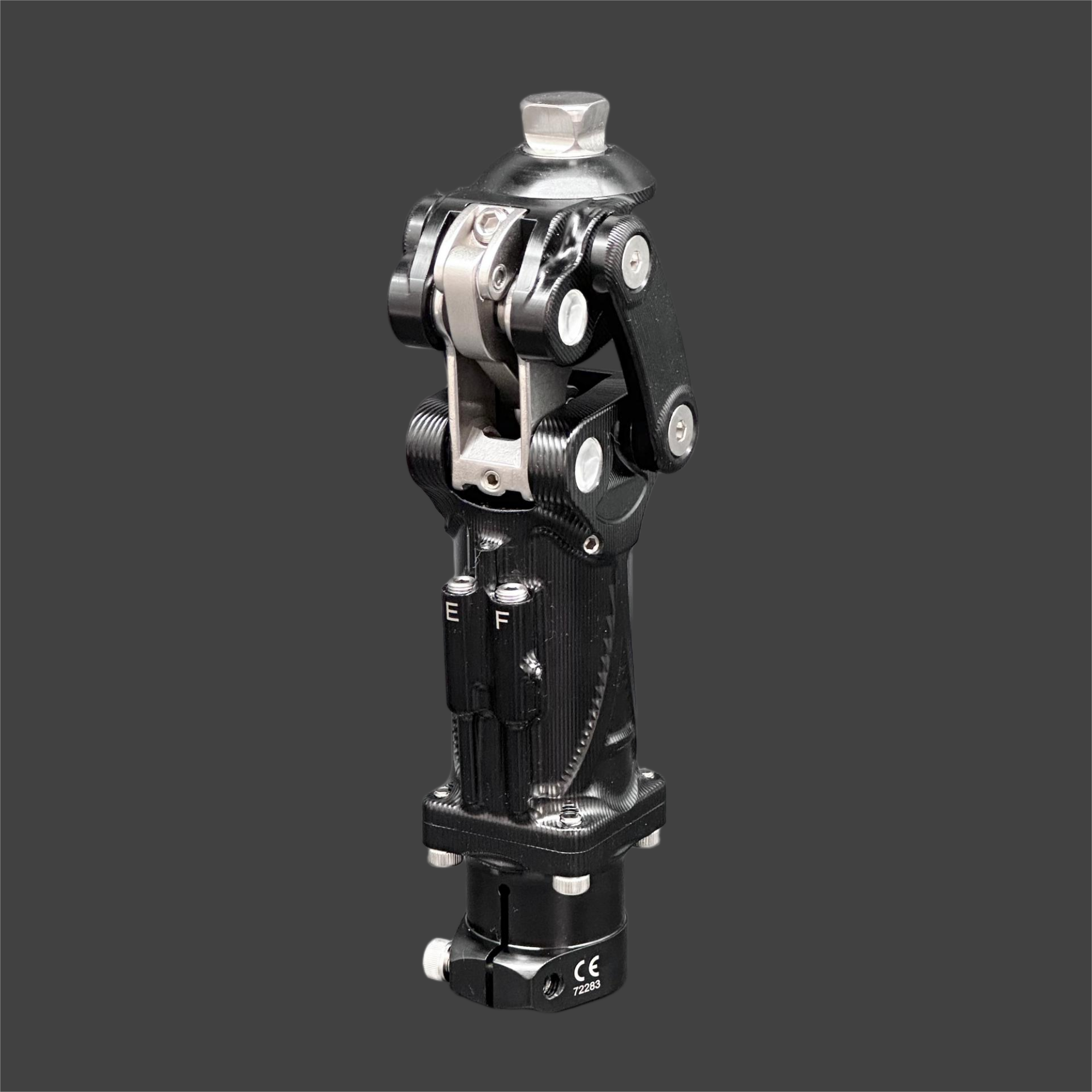
For individuals relying on lower-limb prosthetic joints and prosthetic feet, the longevity and reliability of these devices directly impact mobility, independence, and quality of life. Understanding what routine maintenance keeps your lower-limb prosthetic joints and foot reliable for years is essential for preventing premature wear, avoiding costly repairs, and ensuring consistent performance throughout daily activities. Prosthetic components, especially hydraulic and mechanical knee joints, require systematic care that addresses mechanical stress, environmental exposure, and material degradation over time.
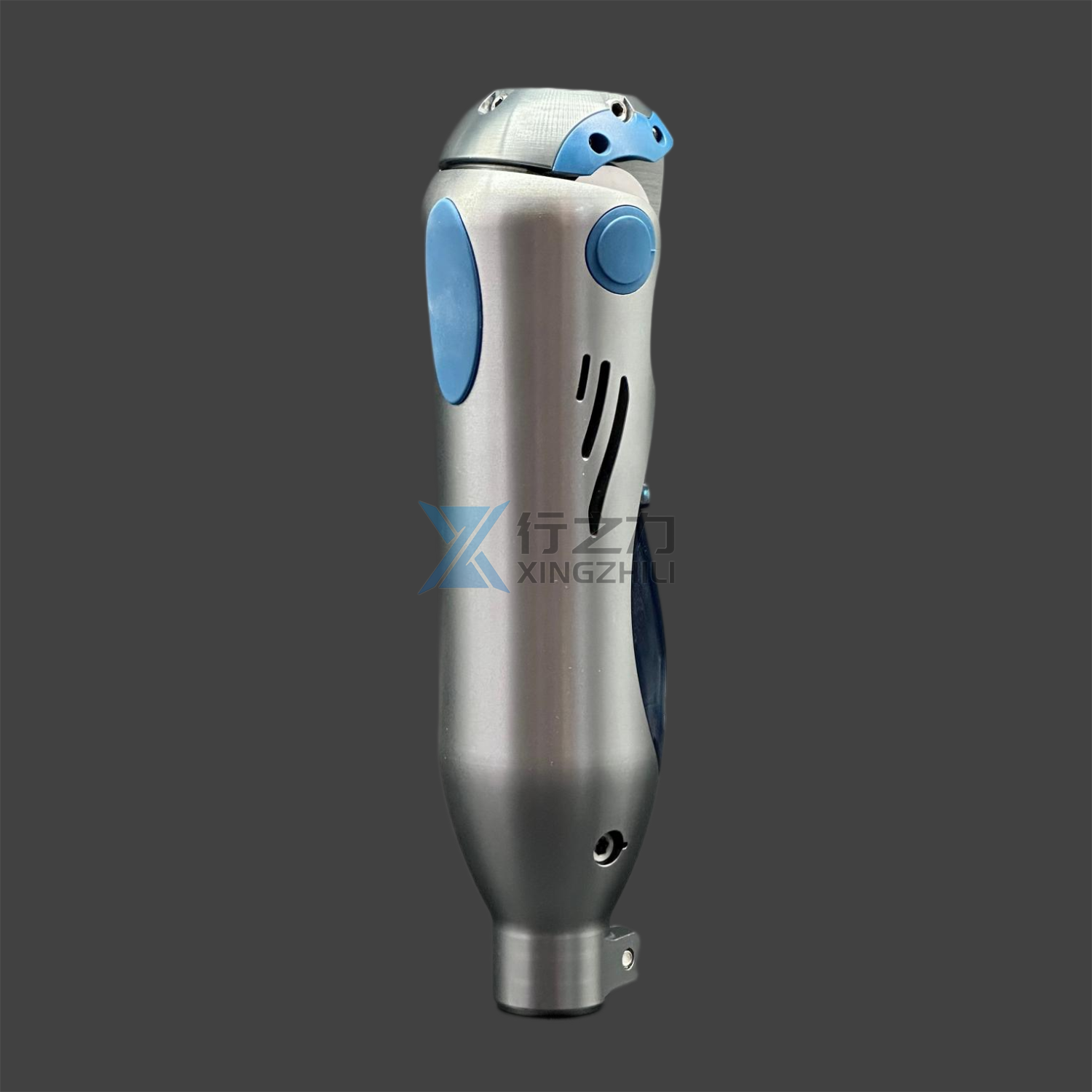
Routine maintenance protocols extend beyond simple cleaning and involve structural inspections, lubrication schedules, alignment verification, and component-specific care tailored to the prosthetic system's design. Whether dealing with microprocessor-controlled joints, hydraulic damping systems, or dynamic response feet, each element demands attention to specific maintenance intervals and techniques. This comprehensive guide explores the practical maintenance strategies that preserve functionality, prevent mechanical failure, and maximize the service life of lower-limb prosthetic joints and prosthetic foot systems across diverse usage conditions and activity levels.
Understanding the Critical Role of Maintenance in Prosthetic Longevity
Why Regular Maintenance Directly Affects Performance and Safety
The mechanical complexity of lower-limb prosthetic joints creates multiple points where wear, contamination, and structural fatigue can compromise performance. Hydraulic knee joints contain precision-machined cylinders, seals, and fluid chambers that control swing phase damping and stance phase stability. Without regular inspection and maintenance, seal degradation allows fluid leakage, which reduces damping effectiveness and creates unpredictable gait patterns. Similarly, mechanical linkages in polycentric joints experience bearing wear that increases play and reduces alignment accuracy, potentially leading to asymmetric loading and discomfort.
Prosthetic foot components, particularly those with energy-return systems and adaptive response mechanisms, accumulate fatigue damage through repetitive loading cycles. Carbon fiber keels can develop microfractures invisible to casual observation, while elastomer components lose resilience through oxidative degradation and mechanical stress. Routine maintenance identifies these degradation patterns before they progress to functional failure, preserving the biomechanical advantages that modern lower-limb prosthetic joints provide. The connection between maintenance frequency and device reliability becomes particularly evident in active users whose higher step counts and varied terrain exposure accelerate component wear.
How Maintenance Schedules Vary by Component Type and Usage Pattern
Different lower-limb prosthetic joints require maintenance approaches tailored to their mechanical principles and exposure conditions. Hydraulic systems typically need quarterly fluid level checks and annual seal inspections, while microprocessor-controlled joints require battery management, software updates, and sensor calibration on manufacturer-specified intervals. Single-axis mechanical joints with simpler designs may require less frequent professional servicing but benefit from regular user-performed inspections of pivot points and friction control mechanisms.
Usage patterns significantly influence maintenance scheduling, with higher activity levels demanding more frequent attention. Individuals engaged in sports, outdoor recreation, or physically demanding occupations place greater mechanical stress on lower-limb prosthetic joints, accelerating wear on bearings, bushings, and damping systems. Environmental factors such as exposure to moisture, dust, temperature extremes, and chemical contaminants also modify maintenance requirements. Coastal environments with salt air exposure require more aggressive corrosion prevention, while dusty industrial settings necessitate enhanced seal protection and more frequent cleaning protocols for prosthetic joints and feet.
The Connection Between Maintenance and Total Cost of Ownership
Systematic maintenance substantially reduces the total cost of ownership for lower-limb prosthetic joints by preventing catastrophic failures that require complete component replacement. Minor interventions such as seal replacement, bearing lubrication, and alignment correction cost a fraction of major repairs or premature device replacement. Insurance coverage and warranty considerations further emphasize maintenance importance, as many manufacturers condition warranty validity on adherence to prescribed maintenance schedules documented through professional service records.
Beyond direct component costs, maintenance affects indirect expenses related to mobility disruption, backup device needs, and lost productivity during repair periods. Preventive maintenance performed during scheduled appointments minimizes unexpected failures that interrupt daily activities and require emergency prosthetist visits. For working individuals, the economic impact of unplanned prosthetic downtime can substantially exceed the cost of regular maintenance, making systematic care an essential investment rather than discretionary expense. The reliability that proper maintenance provides for lower-limb prosthetic joints translates directly into consistent mobility and reduced lifetime prosthetic expenses.
Essential Daily and Weekly Maintenance Tasks for Prosthetic Users
Visual Inspection Protocols for Early Problem Detection
Daily visual inspection represents the first line of defense against progressive damage in lower-limb prosthetic joints and feet. Users should examine the entire prosthetic system for visible cracks, deformation, loose fasteners, and unusual wear patterns before donning the device each morning. Particular attention should focus on connection points between components, where stress concentrations can initiate crack propagation. Socket interface areas require scrutiny for edge cracks or delamination that could cause skin irritation or structural failure during use.
Hydraulic knee joints warrant specific attention to seal areas and cylinder housings where fluid leakage manifests as oil residue or discoloration. Even minor seepage indicates seal degradation requiring professional service before complete failure occurs. Prosthetic foot components should be checked for carbon fiber splaying, elastomer cracking, or sole wear patterns that suggest alignment issues. These visual checks typically require only two to three minutes but provide critical early warning of conditions that could progress to functional failure if unaddressed.
Cleaning Techniques That Preserve Component Integrity
Proper cleaning removes contaminants that accelerate wear without introducing moisture or chemicals that damage prosthetic materials. For lower-limb prosthetic joints, gentle wiping with slightly dampened lint-free cloths removes surface dirt and perspiration salts that promote corrosion. Structural components should be dried immediately after moisture exposure to prevent water intrusion into bearing surfaces and electronic compartments. Harsh solvents, abrasive cleaners, and high-pressure water should be avoided as they can damage seals, coatings, and composite materials.
Prosthetic foot cleaning requires special consideration for the interface between cosmetic covers and functional components. Moisture trapped between cosmetic shells and structural elements creates conditions for corrosion and material degradation. Weekly removal of cosmetic covers allows thorough drying and inspection of underlying components. For users in wet or humid environments, more frequent cosmetic removal and drying cycles prevent moisture accumulation. Socket liners and interface components benefit from daily cleaning with manufacturer-approved solutions that remove biological contaminants without degrading materials. This regular hygiene practice extends liner life while preventing skin irritation that could limit prosthetic wearing time.
Fastener Verification and Torque Maintenance
Connection security throughout the prosthetic system directly affects both safety and mechanical efficiency. Weekly inspection of all accessible fasteners, including pyramid adapter set screws, ankle bolt assemblies, and component mounting hardware, prevents loosening that can cause sudden alignment shifts or component separation. Lower-limb prosthetic joints contain numerous threaded connections subject to vibration loosening through normal gait cycles. Users should verify that these connections remain snug without over-tightening, which can strip threads or crack components.
Torque-critical fasteners, particularly those securing heavy load-bearing components, should be checked with calibrated torque tools during prosthetist appointments to ensure proper preload. Some microprocessor-controlled joints include self-monitoring systems that alert users to loose connections, but mechanical systems require manual verification. Documentation of fastener checks creates maintenance records useful for identifying recurring loosening patterns that might indicate alignment issues or inadequate initial installation. This systematic approach to connection security prevents the cascade failures that can occur when loose components allow excessive motion and impact loading.
Professional Maintenance Intervals and Service Procedures
Quarterly Inspections for Hydraulic and Pneumatic Systems
Hydraulic knee joints require professional evaluation every three to six months depending on usage intensity and manufacturer specifications. These inspections assess fluid levels, seal condition, damping consistency, and structural integrity of pressure vessels. Prosthetists use specialized gauges to measure hydraulic response characteristics, comparing actual performance against baseline specifications to detect gradual degradation before it affects gait quality. Fluid analysis can reveal contamination or degradation products indicating internal wear requiring more detailed investigation.
Pneumatic systems in some lower-limb prosthetic joints similarly require periodic pressure verification and seal inspection. These components can develop slow leaks that gradually reduce performance without sudden failure. Professional service includes leak detection using specialized equipment, pressure adjustment to optimal levels, and seal replacement when elastomer aging is detected. The precision required for these assessments exceeds typical user capabilities, making professional service essential for maintaining hydraulic and pneumatic system reliability over multi-year service periods.
Annual Comprehensive Evaluations and Alignment Verification
Annual comprehensive evaluations provide systematic assessment of all prosthetic components, including lower-limb prosthetic joints, foot systems, suspension mechanisms, and socket fit. Prosthetists perform structural load testing, range of motion verification, and alignment analysis using both static measurements and dynamic gait evaluation. This thorough examination identifies wear patterns, material fatigue, and alignment drift that accumulate gradually through normal use. Alignment verification ensures that loading patterns remain symmetric and that joint axes maintain proper orientation relative to body segments.
Gait analysis during annual evaluations reveals compensatory patterns that may indicate prosthetic component deterioration or patient adaptation to gradual performance changes. Video recording and pressure mapping provide objective documentation of gait characteristics for comparison across evaluation periods. These assessments guide decisions about component replacement timing, allowing planned upgrades before catastrophic failure rather than emergency replacement following breakdown. For users with multiple prosthetic devices, annual evaluations coordinate maintenance scheduling across all systems to optimize availability and minimize disruption.
Manufacturer-Specific Service Requirements and Warranty Compliance
Each manufacturer of lower-limb prosthetic joints establishes specific maintenance protocols that balance performance preservation with practical service accessibility. Compliance with these protocols typically conditions warranty coverage, making adherence both functionally and economically important. Manufacturer requirements may include specific service intervals, approved lubricants, calibration procedures, and documentation standards. Microprocessor-controlled joints often require annual software updates and sensor calibration performed by certified technicians using proprietary diagnostic equipment.
Documentation of all professional services creates the maintenance history essential for warranty claims and insurance coverage. Detailed service records identify recurring issues, track component replacement history, and provide baseline data for evaluating performance trends. Many manufacturers now offer digital service tracking through patient portals or device-connected applications that automatically log service events and remind users of upcoming maintenance intervals. This systematic documentation approach ensures continuity of care even when users change prosthetists or relocate, as service history follows the device rather than residing solely in local clinical records.
Component-Specific Maintenance Strategies for Extended Reliability
Hydraulic Knee Joint Preservation Through Proper Lubrication and Seal Care
Hydraulic knee joints represent the most maintenance-intensive lower-limb prosthetic joints due to their precision mechanical systems and fluid-dependent operation. Seal integrity determines whether hydraulic systems maintain proper damping characteristics over extended periods. Regular inspection identifies early signs of seal degradation such as slight fluid seepage, surface cracking, or hardening that precedes complete failure. Preventive seal replacement at manufacturer-recommended intervals prevents the internal contamination and cylinder scoring that occurs when failed seals allow dirt infiltration.
Hydraulic fluid maintenance involves both level verification and quality assessment. Fluid levels should remain within specified ranges to ensure consistent damping throughout the range of motion. Fluid contamination or degradation reduces damping effectiveness and can damage internal components. Professional service includes fluid replacement on schedules determined by usage intensity and environmental exposure, with more frequent changes required for heavy users or those in dusty, humid conditions. External cylinder protection through careful cosmetic cover design and impact avoidance prevents damage that could compromise seal seating surfaces or cylinder wall integrity.
Microprocessor Joint Battery Management and Electronic System Care
Microprocessor-controlled lower-limb prosthetic joints require electrical system maintenance distinct from mechanical care. Battery management represents the primary user responsibility, with daily charging habits significantly affecting battery longevity and device reliability. Lithium-ion batteries in prosthetic joints experience capacity degradation through charge cycles, with lifespan typically ranging from two to four years depending on usage patterns and charging practices. Shallow discharge cycles and avoiding complete depletion extend battery life, while extreme temperature exposure accelerates degradation.
Electronic components within microprocessor joints require protection from moisture, impact, and electromagnetic interference. Waterproof covers and proper seal maintenance prevent moisture intrusion that can cause corrosion or short circuits. Software updates provided by manufacturers address bugs, improve algorithms, and enhance functionality, making regular update installation important for maintaining optimal performance. Users should monitor device behavior for anomalies such as unexpected mode changes, delayed responses, or sensor errors that might indicate electronic system degradation requiring professional diagnosis. Backup battery availability ensures continuous mobility during primary battery charging or replacement, representing an essential component of comprehensive maintenance planning.
Prosthetic Foot Component Care Across Different Design Categories
Prosthetic foot maintenance varies substantially across energy-storing designs, multi-axial ankle systems, and microprocessor-controlled adaptive feet. Carbon fiber energy-return feet require inspection for delamination, fiber breakage, and cosmetic cover damage that could allow environmental exposure to structural components. These feet typically operate reliably for several years with minimal maintenance beyond cosmetic replacement and periodic alignment verification. However, impact damage from stumbles or drops can initiate crack propagation requiring professional assessment even when external damage appears minor.
Multi-axial ankle joints incorporate elastomer components and mechanical linkages requiring lubrication and wear inspection. Elastomer degradation manifests as hardening, cracking, or permanent deformation that reduces shock absorption and ankle motion range. Regular replacement of elastomer bumpers and bushings maintains proper ankle function and prevents metal-to-metal contact that accelerates wear. Microprocessor-controlled feet combine mechanical maintenance requirements with electronic system care similar to microprocessor knees, requiring battery management, software updates, and sensor calibration. The integration of multiple component types in advanced prosthetic feet demands comprehensive maintenance approaches addressing mechanical, electronic, and material-specific considerations simultaneously.
Environmental Protection and Activity-Specific Maintenance Considerations
Moisture Protection Strategies for Wet and Humid Conditions
Moisture represents one of the most significant threats to lower-limb prosthetic joints and feet, promoting corrosion, electronic damage, and material degradation. Users in humid climates or those engaged in water-adjacent activities require enhanced moisture protection protocols. Waterproof covers provide barrier protection for electronic components but require proper installation and periodic seal inspection to maintain effectiveness. Even water-resistant prosthetic systems benefit from prompt drying after moisture exposure to prevent gradual water intrusion through microscopic pathways.
Condensation within sealed compartments can occur during temperature transitions, creating internal moisture even without external water exposure. Desiccant packs placed within cosmetic covers and electronic housings absorb this condensation, requiring periodic replacement when saturation occurs. For swimmers and water sports participants, dedicated water-activity prosthetics eliminate concerns about damaging primary devices, but these specialized systems require their own maintenance protocols focused on freshwater rinsing after saltwater exposure and prevention of biological growth in crevices. Shower protocols vary by prosthetic design, with some systems tolerating brief exposure while others require complete removal, making clear understanding of device limitations essential for preventing moisture damage.
Impact Protection and Damage Prevention During High-Activity Use
Athletic activities and physically demanding occupations expose lower-limb prosthetic joints to impact loads and abrasion exceeding typical ambulation stress. Protective covers and guards shield vulnerable components from direct impact, particularly for users engaged in contact sports or industrial work. Regular inspection for impact damage becomes more critical for active users, as hairline cracks and small deformations can propagate rapidly under high loading conditions. Cosmetic covers serve protective functions beyond aesthetics, absorbing impacts that might otherwise damage structural components.
Activity-specific maintenance includes post-use inspection protocols after particularly demanding events such as long-distance running, hiking on rocky terrain, or participation in sports. These inspections verify that no acute damage occurred and that all connections remain secure after elevated stress exposure. Some active users maintain activity logs correlating prosthetic performance characteristics with usage patterns, allowing early detection of degradation trends. This data-driven approach to maintenance timing optimizes service intervals based on actual stress accumulation rather than calendar schedules alone, potentially extending component life while maintaining reliability.
Seasonal Adjustments for Temperature Extremes and Weather Conditions
Temperature variations affect material properties and mechanical performance of lower-limb prosthetic joints throughout seasonal cycles. Cold temperatures increase viscosity in hydraulic fluids, potentially stiffening damping characteristics and requiring adjustment for optimal winter performance. Conversely, high temperatures reduce fluid viscosity and can soften elastomer components, altering mechanical response characteristics. Seasonal prosthetist visits allow recalibration of adjustable components to compensate for temperature effects, maintaining consistent gait characteristics year-round.
Winter conditions introduce salt exposure from de-icing chemicals, requiring enhanced cleaning protocols to prevent accelerated corrosion. Snow and ice infiltration into mechanical joints can cause temporary binding or long-term moisture damage if not addressed promptly. Summer heat combined with perspiration increases humidity within socket environments, potentially affecting electronic components and promoting material degradation. Protective measures tailored to seasonal conditions, including sealed covers during winter and enhanced ventilation during summer, preserve prosthetic integrity across weather extremes. Users in regions with extreme seasonal variation benefit from discussing climate-specific maintenance strategies with prosthetists familiar with local environmental challenges.
FAQ
How often should I have my lower-limb prosthetic joints professionally serviced?
Professional servicing frequency depends on component type and usage intensity, but generally ranges from quarterly inspections for hydraulic systems to annual comprehensive evaluations for all users. Active individuals with microprocessor-controlled lower-limb prosthetic joints may require more frequent calibration and software updates, while those with simpler mechanical systems might maintain reliability with less frequent professional intervention. Manufacturer specifications provide baseline service intervals that should be adjusted based on individual usage patterns, environmental exposure, and any performance changes noticed between scheduled appointments. Establishing a relationship with a prosthetist who understands your activity level and prosthetic system allows personalized maintenance scheduling that balances convenience with reliability.
What signs indicate my prosthetic knee or foot needs immediate professional attention?
Several warning signs demand immediate professional evaluation rather than waiting for scheduled maintenance. Sudden changes in gait feel, such as unexpected resistance, looseness, or instability in lower-limb prosthetic joints, may indicate mechanical failure requiring urgent attention. Visible fluid leakage from hydraulic components, unusual sounds during walking, or electronic error messages in microprocessor systems all warrant prompt prosthetist consultation. Structural damage including cracks, deformation, or fastener failure poses safety risks requiring immediate assessment. Any change that affects your confidence in the prosthetic system's stability should prompt contact with your prosthetist, as continuing to use compromised components risks injury and may cause secondary damage to other prosthetic elements.
Can I perform any maintenance tasks myself, or must everything be done professionally?
Users can and should perform several routine maintenance tasks including daily visual inspections, regular cleaning, fastener verification, and battery management for electronic systems. These user-level tasks prevent problems and extend intervals between professional services. However, tasks requiring specialized tools, calibration equipment, or technical expertise should be reserved for qualified prosthetists. Hydraulic fluid changes, seal replacement, alignment adjustments, and software updates typically exceed appropriate user intervention. Manufacturer guidelines specify which tasks users can safely perform versus those requiring professional service. Following these guidelines prevents inadvertent damage while maximizing user involvement in maintaining their lower-limb prosthetic joints. Documentation of user-performed maintenance creates valuable records that complement professional service history.
How does proper maintenance extend the lifespan of prosthetic components?
Systematic maintenance extends component lifespan by preventing minor issues from progressing to major failures and by optimizing operating conditions that minimize wear. Regular lubrication reduces friction and wear in mechanical lower-limb prosthetic joints, while proper alignment prevents asymmetric loading that accelerates fatigue. Early detection of seal degradation, bearing wear, or structural damage allows targeted repair of specific elements rather than replacement of entire assemblies. Environmental protection through cleaning and moisture management prevents corrosion and material degradation that otherwise shortens service life. Well-maintained prosthetic systems typically provide reliable service for five to seven years or longer, while neglected components may require replacement in half that time, making maintenance a critical factor in both functional reliability and economic value.
Table of Contents
- Understanding the Critical Role of Maintenance in Prosthetic Longevity
- Essential Daily and Weekly Maintenance Tasks for Prosthetic Users
- Professional Maintenance Intervals and Service Procedures
- Component-Specific Maintenance Strategies for Extended Reliability
- Environmental Protection and Activity-Specific Maintenance Considerations
-
FAQ
- How often should I have my lower-limb prosthetic joints professionally serviced?
- What signs indicate my prosthetic knee or foot needs immediate professional attention?
- Can I perform any maintenance tasks myself, or must everything be done professionally?
- How does proper maintenance extend the lifespan of prosthetic components?