
 EN
EN



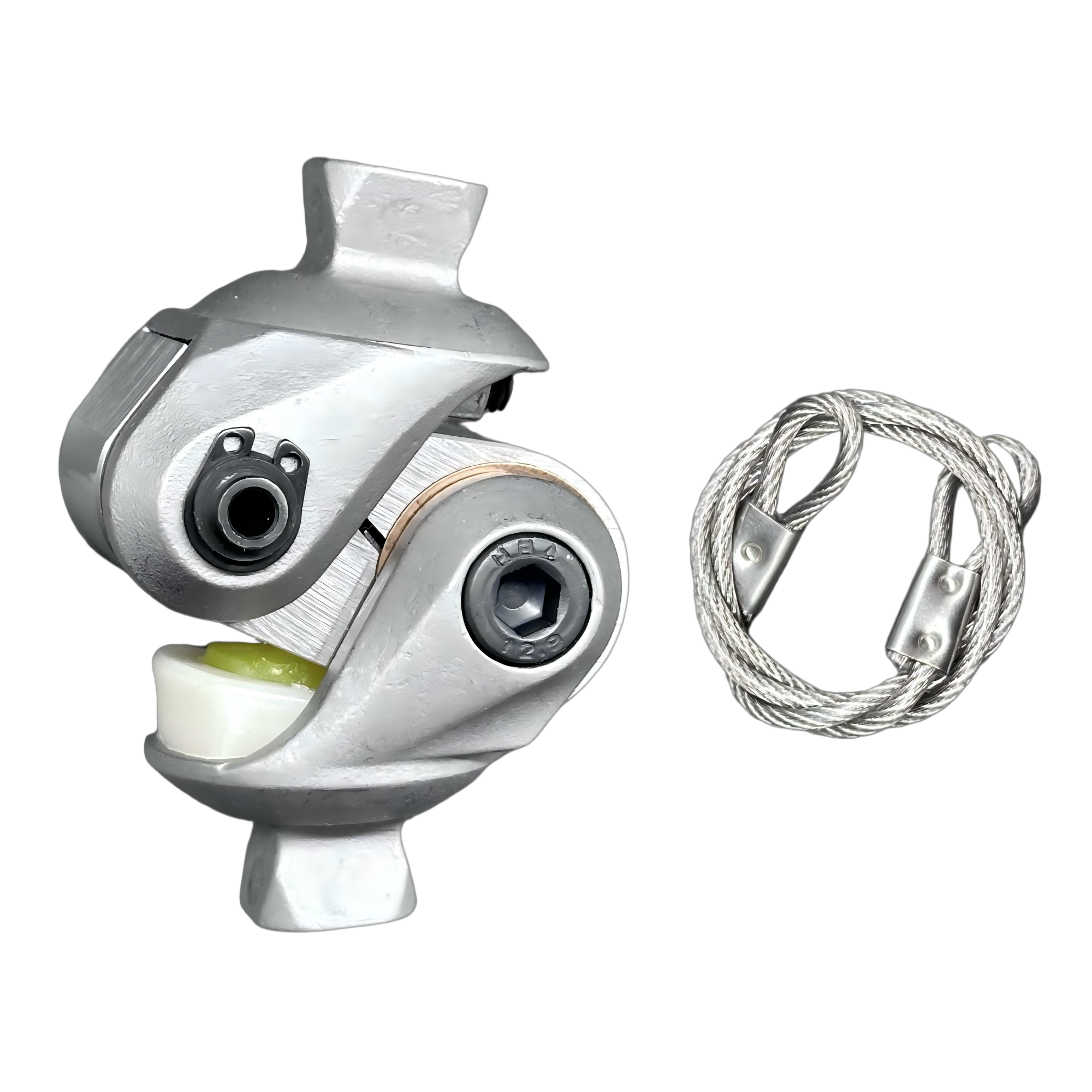
An adjustable knee joint plays a foundational role in how a prosthetic limb user experiences everyday movement. From the first fitting session to long-term daily wear, the adjustable knee joint directly shapes how well the prosthesis aligns with the residual limb, how natural the gait feels, and how much fatigue the user accumulates over hours of activity. Understanding why the adjustable knee joint holds such central importance helps clinicians, users, and caregivers make better-informed decisions about prosthetic care.
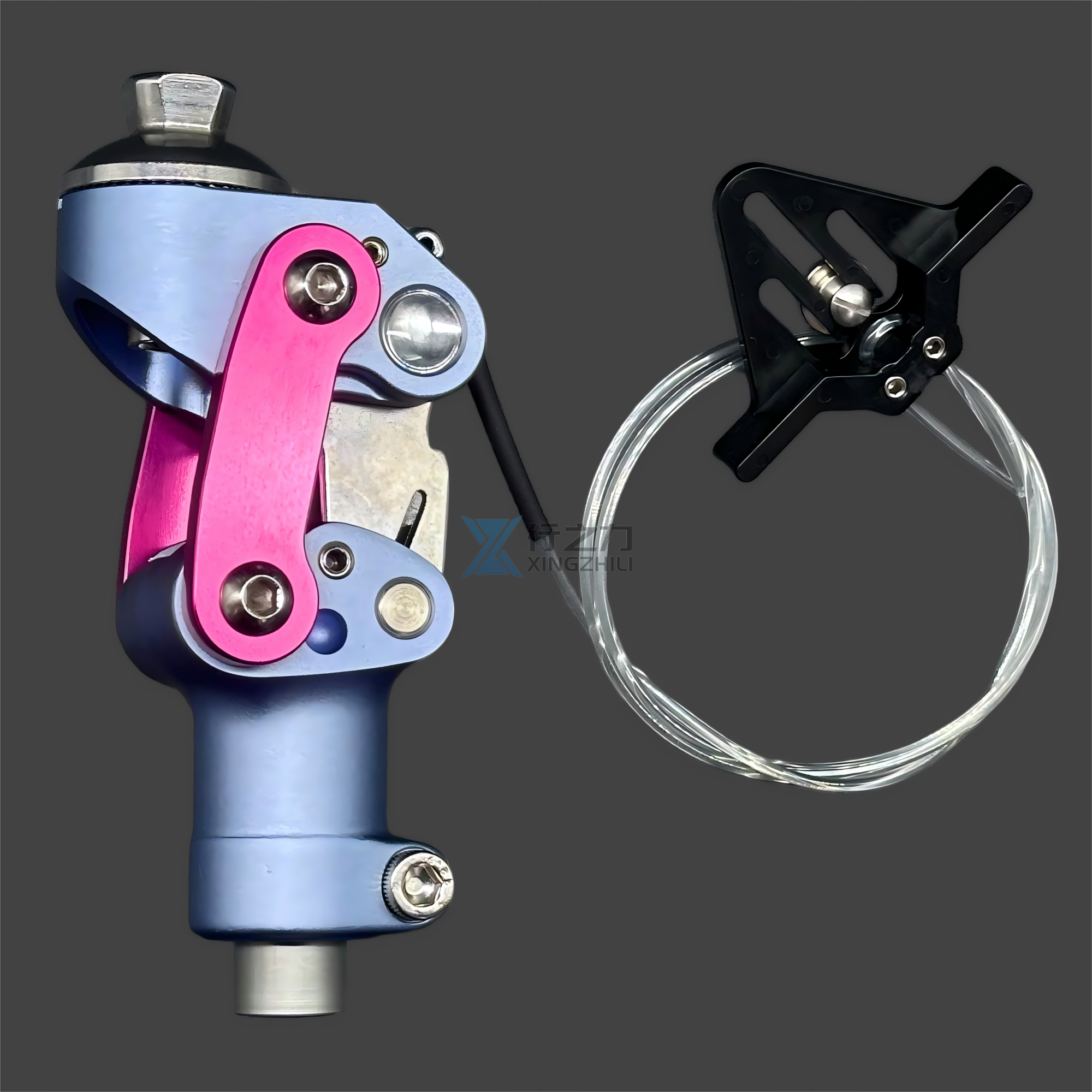
The adjustable knee joint is not simply a mechanical hinge. It is a precision component that bridges the socket and the lower limb structure, allowing the prosthetist to fine-tune alignment according to each user's unique anatomy and activity demands. When the adjustable knee joint is correctly set, the entire prosthetic system functions as an extension of the body rather than a separate device strapped onto it. This distinction matters enormously for comfort, safety, and long-term user confidence.
The Role of the Adjustable Knee Joint in Daily Comfort
Alignment and Pressure Distribution
Daily comfort in a prosthetic limb begins with alignment, and the adjustable knee joint is the primary means by which alignment is achieved and maintained. An incorrectly positioned adjustable knee joint creates uneven pressure across the socket walls, leading to skin irritation, tissue breakdown, and persistent discomfort. When the adjustable knee joint allows fine angular and positional corrections, the prosthetist can redistribute load more evenly across the residual limb surface.
Pressure distribution is not a one-time concern. As users gain muscle tone, change body weight, or transition between activity levels, the optimal position of the adjustable knee joint shifts. A well-designed adjustable knee joint accommodates these changes without requiring complete socket replacement, which saves time, reduces cost, and keeps the user active during transitions.
Gait Symmetry and Energy Efficiency
Gait symmetry is closely tied to the positioning of the adjustable knee joint. When the adjustable knee joint is misaligned even slightly, the user compensates through the hip, spine, and sound limb, creating asymmetrical loading patterns that lead to joint pain and fatigue. A properly adjusted adjustable knee joint promotes a more natural stride cadence, reduces compensatory movements, and lowers the metabolic cost of walking.
For users who walk long distances or stand for extended periods, the energy savings delivered by a well-tuned adjustable knee joint are substantial. Clinical observations consistently show that users fitted with a correctly calibrated adjustable knee joint report lower perceived exertion and greater willingness to remain active throughout the day.
How the Adjustable Knee Joint Supports Proper Socket Fit
Dynamic Fit Changes Over Time
Socket fit is a dynamic challenge in prosthetic rehabilitation. Residual limb volume fluctuates with hydration, activity level, and body composition changes, meaning the relationship between the socket and the limb is never permanently fixed. The adjustable knee joint helps address this challenge by allowing the prosthetist to compensate for fit changes through alignment adjustments rather than immediately fabricating a new socket.
When the adjustable knee joint can be repositioned to accommodate minor volume changes, the socket continues to function within an acceptable fit range for longer. This flexibility is particularly valuable during early rehabilitation, when residual limb maturation produces rapid volume shifts. An adjustable knee joint that supports quick recalibration keeps the user progressing through therapy without unnecessary interruptions.
Precision Fitting for Complex Anatomies
Not every residual limb presents a straightforward fitting scenario. Users with unusual residual limb lengths, scar tissue, bony prominences, or asymmetrical muscle distribution require highly individualized socket positioning. The adjustable knee joint provides the mechanical latitude needed to position the socket interface precisely, ensuring that critical pressure-tolerant areas carry appropriate load while sensitive areas are protected.
A rigid, non-adjustable knee joint forces the prosthetist to work within narrow tolerances, often resulting in compromises that reduce both comfort and function. The adjustable knee joint removes those constraints, giving the clinical team greater control over the final fit outcome and allowing iterative refinement based on user feedback during walking trials.
Practical Importance of the Adjustable Knee Joint Across User Groups
Active Users and Variable Terrain
Active prosthetic users face terrain variability that demands a responsive adjustable knee joint. Walking on inclines, descending stairs, or navigating uneven surfaces changes the biomechanical demands placed on the adjustable knee joint significantly. An adjustable knee joint designed with locking and repositioning features allows the user or clinician to optimize settings for different activity profiles, ensuring stable performance across environments.
For users who divide time between sedentary work and physical activity, the adjustable knee joint serves as the critical adaptation point that makes the same prosthesis functional across both contexts. Without this adaptability, users would require multiple prosthetic configurations, increasing both complexity and cost.
Older and Less Active Users
Older users or those with lower activity levels benefit from the adjustable knee joint in different but equally important ways. For this population, the adjustable knee joint supports postural stability and reduces the risk of falls by ensuring the prosthetic limb maintains proper alignment during slow, deliberate movement. The ability to fine-tune the adjustable knee joint position also means that comfort adjustments can be made as the user's condition evolves, without frequent clinical interventions.
The adjustable knee joint also supports the fitting of users who have recently undergone amputation and are building confidence with a prosthetic limb for the first time. A forgiving, adjustable knee joint setup encourages early ambulation, which is a strong predictor of long-term prosthetic success and quality of life.
FAQ
How often should an adjustable knee joint be recalibrated?
The frequency of recalibration depends on the user's activity level, residual limb stability, and overall health. During early rehabilitation, the adjustable knee joint may need reassessment at every clinical visit. Once the residual limb has matured and the user has reached a stable activity level, the adjustable knee joint typically requires review during routine prosthetic check-ups, usually every three to six months or whenever the user reports changes in comfort or gait.
Can an adjustable knee joint be used with all socket types?
Most modern adjustable knee joint designs are compatible with a wide range of socket systems, including pin-lock, suction, and elevated vacuum suspension. However, compatibility should always be confirmed with the prescribing prosthetist, as specific adjustable knee joint models may have weight limits, alignment range restrictions, or interface requirements that affect their suitability for a given socket configuration.
What signs indicate that an adjustable knee joint needs repositioning?
Common indicators that an adjustable knee joint requires repositioning include increased skin redness or abrasions at the socket rim, asymmetrical gait patterns, discomfort during weight-bearing, or a sense that the prosthetic limb feels unstable. If a user notices any of these signs, consulting a prosthetist promptly is important, as timely adjustment of the adjustable knee joint can prevent more serious complications from developing.