
 EN
EN



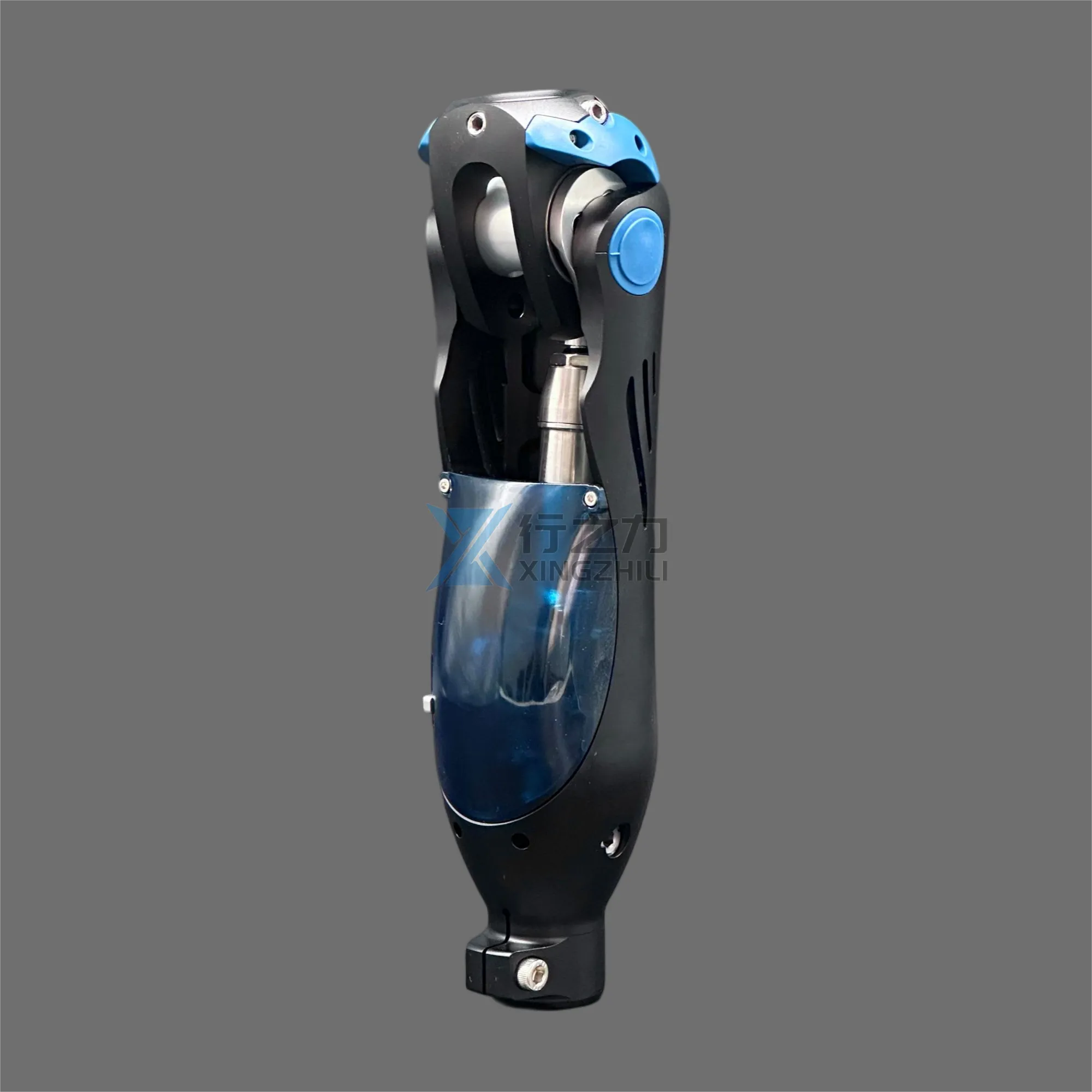
The world of prosthetic limbs has evolved dramatically over the past decades, with knee joint designs representing one of the most critical components in lower limb prosthetics. Understanding the various knee joint designs available today is essential for prosthetists, patients, and healthcare professionals who work with amputees. Each design offers unique advantages and limitations that can significantly impact a user's mobility, comfort, and overall quality of life. From simple single-axis designs to sophisticated microprocessor-controlled systems, the range of options continues to expand as technology advances and our understanding of biomechanics improves.
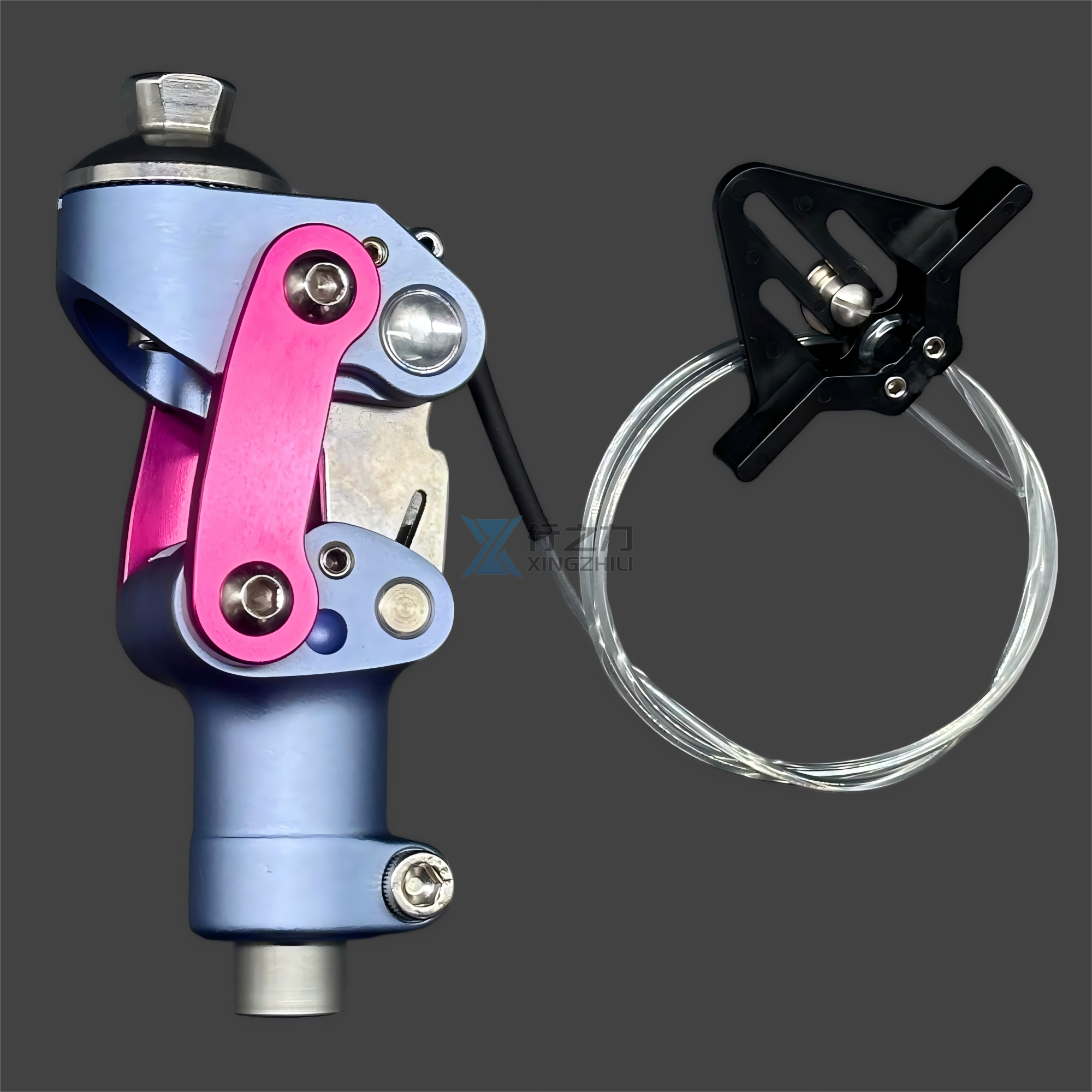
Fundamental Types of Prosthetic Knee Systems
Single-Axis Knee Mechanisms
Single-axis knee joint designs represent the most straightforward approach to prosthetic knee functionality, operating on a simple hinge mechanism that allows flexion and extension in one plane of motion. These designs have been the foundation of prosthetic knee technology for decades and continue to serve many users effectively today. The simplicity of single-axis systems makes them highly reliable, cost-effective, and relatively easy to maintain, which explains their continued popularity in many clinical settings.
The primary advantage of single-axis knee joint designs lies in their mechanical reliability and predictable behavior during walking cycles. Users can develop confidence in the consistent response of these systems, knowing that the knee will behave in a predictable manner during stance and swing phases. However, the limitation of movement to a single plane means that these designs cannot replicate the complex multi-planar motion of a biological knee, which may affect the naturalness of gait patterns.
Modern single-axis designs often incorporate various locking mechanisms, friction controls, and extension assists to enhance their functionality. These additions help address some of the inherent limitations while maintaining the fundamental simplicity that makes single-axis systems attractive for many users, particularly those who prioritize reliability over advanced biomechanical features.
Polycentric Knee Configurations
Polycentric knee joint designs utilize multiple axis points to create a more anatomically correct motion pattern that better mimics the natural movement of the human knee. These systems employ a four-bar linkage mechanism or similar multi-bar configurations that allow the instantaneous center of rotation to shift during the knee's range of motion. This shifting center of rotation provides several biomechanical advantages over simple single-axis designs.
The variable center of rotation in polycentric knee joint designs offers improved ground clearance during the swing phase of walking, reducing the likelihood of stumbling or catching the toe on uneven surfaces. Additionally, these systems typically provide better stability during the stance phase due to their ability to create a more favorable alignment between the user's center of gravity and the knee's instantaneous center of rotation.
Polycentric designs are particularly beneficial for users with longer residual limbs or those who require above-knee prosthetics where space constraints make it challenging to accommodate traditional single-axis systems. The compact nature of many polycentric mechanisms allows for better cosmetic outcomes while maintaining functional performance that closely approximates natural knee motion.
Advanced Control Mechanisms in Modern Knee Designs
Hydraulic and Pneumatic Systems
Hydraulic and pneumatic control systems represent a significant advancement in knee joint designs, offering variable resistance and damping characteristics that can adapt to different walking speeds and terrains. These fluid-based systems use the compression and flow of hydraulic fluid or compressed air to provide controlled resistance during the swing phase and stability during stance. The ability to modulate resistance in real-time allows users to achieve more natural gait patterns across various walking speeds.
Hydraulic knee joint designs typically offer superior performance for active users who engage in varied activities and need their prosthetic to respond appropriately to different demands. The fluid dynamics within these systems can be calibrated to match individual user preferences and activity levels, providing customized performance that single-axis systems cannot achieve. Many hydraulic systems also incorporate stance control features that prevent unwanted knee buckling during weight-bearing activities.
The sophistication of modern hydraulic and pneumatic systems extends to their ability to distinguish between different phases of the gait cycle and adjust resistance accordingly. This intelligent response capability helps users maintain more natural walking patterns while reducing the energy expenditure typically associated with prosthetic ambulation. However, these systems require more maintenance and are generally more expensive than simpler mechanical alternatives.
Microprocessor-Controlled Technology
Microprocessor-controlled knee joint designs represent the pinnacle of current prosthetic technology, incorporating sophisticated sensors, algorithms, and actuators to provide near-natural knee function. These systems continuously monitor various parameters including knee angle, loading conditions, acceleration, and gyroscopic data to make real-time adjustments to knee behavior. The result is a prosthetic knee that can adapt to changing conditions and user intentions with remarkable precision.
The adaptive capabilities of microprocessor-controlled systems extend far beyond simple resistance modulation, encompassing features such as stumble recovery, stair descent assistance, and terrain adaptation. These advanced knee joint designs can detect when a user encounters unexpected obstacles or changes in walking surface and respond appropriately to maintain stability and prevent falls. Such capabilities are particularly valuable for users who lead active lifestyles or work in challenging environments.
While microprocessor-controlled knee joint designs offer the most sophisticated functionality available today, they also come with increased complexity, higher costs, and greater maintenance requirements. Users must also consider factors such as battery life, water resistance, and the availability of technical support when choosing these advanced systems. Despite these considerations, many users find that the enhanced mobility and confidence provided by microprocessor control justify the additional investment and complexity.
Specialized Design Features and Considerations
Locking Mechanisms and Safety Features
Safety features and locking mechanisms play crucial roles in many knee joint designs, providing users with additional security and confidence during various activities. Manual locks allow users to secure the knee in full extension for activities that require maximum stability, such as standing for extended periods or working in demanding occupations. These locks can typically be engaged and disengaged quickly, giving users control over when they need maximum stability versus natural knee motion.
Automatic safety locks represent another category of protective features found in advanced knee joint designs, engaging automatically when potentially dangerous conditions are detected. These systems can prevent knee buckling during unexpected loading conditions or when the user's balance is compromised. The integration of such safety features requires sophisticated sensing and control systems but provides invaluable protection against falls and injuries.
Some knee joint designs incorporate stance control features that automatically lock the knee during weight-bearing activities while allowing free motion during swing phase. This intelligent locking capability provides the best of both worlds, offering stability when needed while preserving natural motion patterns during walking. Such systems are particularly beneficial for users who have limited strength or control over their residual limb muscles.
Weight and Durability Considerations
The weight and durability of knee joint designs are critical factors that significantly impact user satisfaction and long-term performance. Lightweight materials such as carbon fiber and advanced alloys are increasingly used in modern designs to reduce the overall weight of prosthetic systems while maintaining structural integrity. Reducing prosthetic weight is particularly important for knee joints since they are located relatively high on the prosthetic limb, where additional mass has a greater impact on user energy expenditure.
Durability requirements for knee joint designs are extensive, as these components must withstand millions of loading cycles throughout their service life while maintaining precise mechanical tolerances. Advanced materials and manufacturing techniques have enabled the development of knee joints that can provide years of reliable service under demanding conditions. However, the trade-off between weight reduction and durability requires careful engineering to ensure that lightweight designs do not compromise longevity.
Environmental resistance is another crucial aspect of durability in knee joint designs, as prosthetic components must function reliably in various weather conditions and activity environments. Water resistance, dust protection, and temperature tolerance are all important considerations that influence the design and material selection for prosthetic knee systems. Users who lead active outdoor lifestyles require knee joints that can perform consistently regardless of environmental conditions.
Selection Criteria and User Matching
Activity Level Assessment
Matching users with appropriate knee joint designs requires careful assessment of their activity levels, lifestyle demands, and functional goals. Healthcare professionals use established mobility grade systems to categorize users based on their ambulatory potential and activity requirements. These assessments consider factors such as walking speed, terrain navigation capabilities, recreational activities, and occupational demands to determine which knee joint designs will best serve individual needs.
High-activity users who engage in sports, demanding occupations, or varied terrain navigation typically benefit from advanced knee joint designs that offer sophisticated control and adaptability. These users require systems that can respond quickly to changing conditions and provide the stability and responsiveness needed for challenging activities. Conversely, users with limited mobility or primarily indoor lifestyles may find that simpler, more reliable designs better meet their needs without unnecessary complexity.
The assessment process also considers progression potential, as many users improve their mobility and activity levels following their initial prosthetic fitting. Selecting knee joint designs that can accommodate increased activity levels or that can be upgraded with additional features helps ensure long-term user satisfaction and functional progression. This forward-looking approach to component selection helps avoid the need for premature system replacements as user capabilities evolve.
Anatomical and Physiological Factors
Individual anatomical and physiological characteristics significantly influence the selection of appropriate knee joint designs for each user. Residual limb length, muscle strength, joint range of motion, and overall physical condition all impact which knee systems will provide optimal function and comfort. Users with shorter residual limbs may require more compact knee designs or systems that provide additional stability to compensate for reduced lever arm length.
Muscle strength and control capabilities play crucial roles in determining which knee joint designs will function effectively for individual users. Strong, well-conditioned users can typically manage more sophisticated systems that require active participation and control, while users with limited strength may benefit from designs that provide more passive stability and support. Understanding these individual capabilities helps ensure that selected systems match user abilities rather than exceeding them.
Age-related considerations also influence knee joint design selection, as younger users typically adapt more readily to complex systems while older users may prefer simpler, more predictable designs. Additionally, concurrent medical conditions, cognitive factors, and learning capabilities all contribute to the decision-making process when selecting appropriate knee joint designs for individual users. A comprehensive evaluation of all these factors helps ensure optimal matching between user needs and system capabilities.
Maintenance and Longevity Factors
Service Requirements and Accessibility
Different knee joint designs have varying maintenance requirements that users must consider when selecting their prosthetic systems. Simple mechanical designs typically require basic lubrication, periodic inspections, and occasional adjustments that can often be performed by local prosthetists or even by users themselves with proper training. These minimal service requirements make mechanical knee joint designs attractive for users in remote areas or those who prefer low-maintenance solutions.
Advanced knee joint designs with hydraulic, pneumatic, or microprocessor control systems require more specialized maintenance and may need periodic software updates, seal replacements, or sensor calibrations. Users considering these sophisticated systems must ensure they have access to qualified service providers and understand the ongoing maintenance commitments required to keep their systems functioning optimally. The availability of service support can be a limiting factor for some users, particularly those in rural or underserved areas.
Warranty coverage and manufacturer support policies vary significantly among different knee joint designs and manufacturers. Understanding these policies before selection helps users plan for long-term ownership costs and service requirements. Some manufacturers offer comprehensive support packages that include regular maintenance, emergency repairs, and component upgrades, while others provide more basic warranty coverage that places greater responsibility on users for ongoing maintenance and care.
Upgrade and Adaptation Possibilities
The ability to upgrade or adapt knee joint designs over time provides significant value for users whose needs and capabilities may change throughout their prosthetic journey. Modular design approaches allow certain components to be upgraded without replacing entire systems, providing cost-effective paths for accessing new technologies or enhanced features. This upgradeability is particularly valuable given the rapid pace of advancement in prosthetic technology.
Some knee joint designs incorporate software-based features that can be updated remotely or during routine service appointments, allowing users to benefit from improvements and new functionalities without hardware changes. These software-upgradeable systems provide ongoing value and help extend the useful life of prosthetic investments. Users should consider the upgrade potential of different systems when making initial selections to ensure long-term flexibility.
Compatibility with other prosthetic components is another important consideration that affects long-term adaptability of knee joint designs. Systems that follow industry standards and interface protocols provide greater flexibility for component combinations and future modifications. This compatibility consideration becomes particularly important when users need to replace or upgrade other prosthetic components while retaining their existing knee system.
FAQ
What is the most important factor when choosing between different knee joint designs
The most important factor when choosing between knee joint designs is matching the system's capabilities to your individual activity level, lifestyle requirements, and physical capabilities. Your prosthetist will assess your mobility grade, strength, balance, and daily activity demands to recommend systems that provide appropriate function without being overly complex or insufficient for your needs. Consider factors such as your walking environments, recreational activities, occupational requirements, and long-term goals when evaluating different options.
How do microprocessor-controlled knees differ from hydraulic systems in daily use
Microprocessor-controlled knees offer more sophisticated adaptation and safety features compared to hydraulic systems, including automatic terrain recognition, stumble recovery, and real-time gait optimization. However, they require battery charging, are more expensive, and need specialized service support. Hydraulic systems provide excellent variable resistance and smooth function across different walking speeds but lack the intelligent adaptation capabilities of microprocessor systems. Your choice depends on whether you prioritize advanced features and are willing to manage the additional complexity and costs.
Can knee joint designs be upgraded or modified after initial fitting
Many modern knee joint designs offer upgrade possibilities, particularly those with modular construction or software-based features. Mechanical systems can often be enhanced with additional control components, while microprocessor systems may receive software updates that add new functionalities. However, significant upgrades may require complete system replacement depending on compatibility and interface standards. Discuss upgrade potential with your prosthetist during initial selection to ensure your chosen system can adapt to changing needs over time.
What maintenance is required for different types of knee joint designs
Maintenance requirements vary significantly among different knee joint designs. Simple mechanical systems need basic lubrication and periodic inspections, while hydraulic systems require seal maintenance and fluid checks. Microprocessor-controlled knees need battery charging, software updates, and sensor calibrations. More complex systems generally require specialized service providers and may have higher long-term maintenance costs. Consider your local service availability and willingness to manage maintenance requirements when selecting knee joint designs for your prosthetic system.
Table of Contents
- Fundamental Types of Prosthetic Knee Systems
- Advanced Control Mechanisms in Modern Knee Designs
- Specialized Design Features and Considerations
- Selection Criteria and User Matching
- Maintenance and Longevity Factors
-
FAQ
- What is the most important factor when choosing between different knee joint designs
- How do microprocessor-controlled knees differ from hydraulic systems in daily use
- Can knee joint designs be upgraded or modified after initial fitting
- What maintenance is required for different types of knee joint designs