
 EN
EN


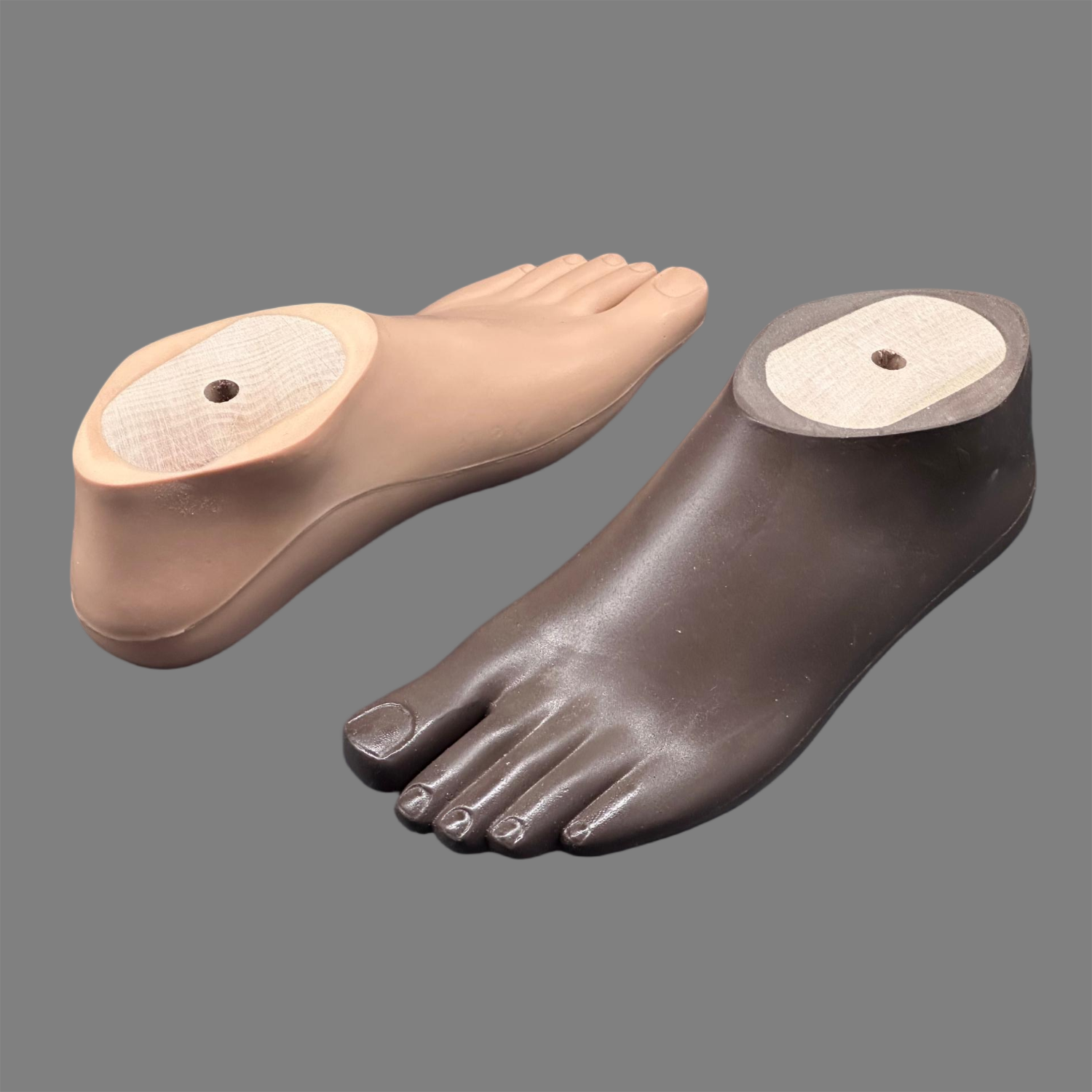
The impact of a professionally fitted prosthetic limb extends far beyond basic mobility restoration, fundamentally transforming how individuals maintain proper alignment and preserve joint health over decades of use. When prosthetic devices are expertly fitted and properly aligned, they create a foundation for natural movement patterns that protect the entire musculoskeletal system from compensatory stress and premature wear. Understanding the intricate relationship between prosthetic fitting quality and long-term orthopedic health reveals why professional fitting services represent a critical investment in lifelong wellness and functional independence.
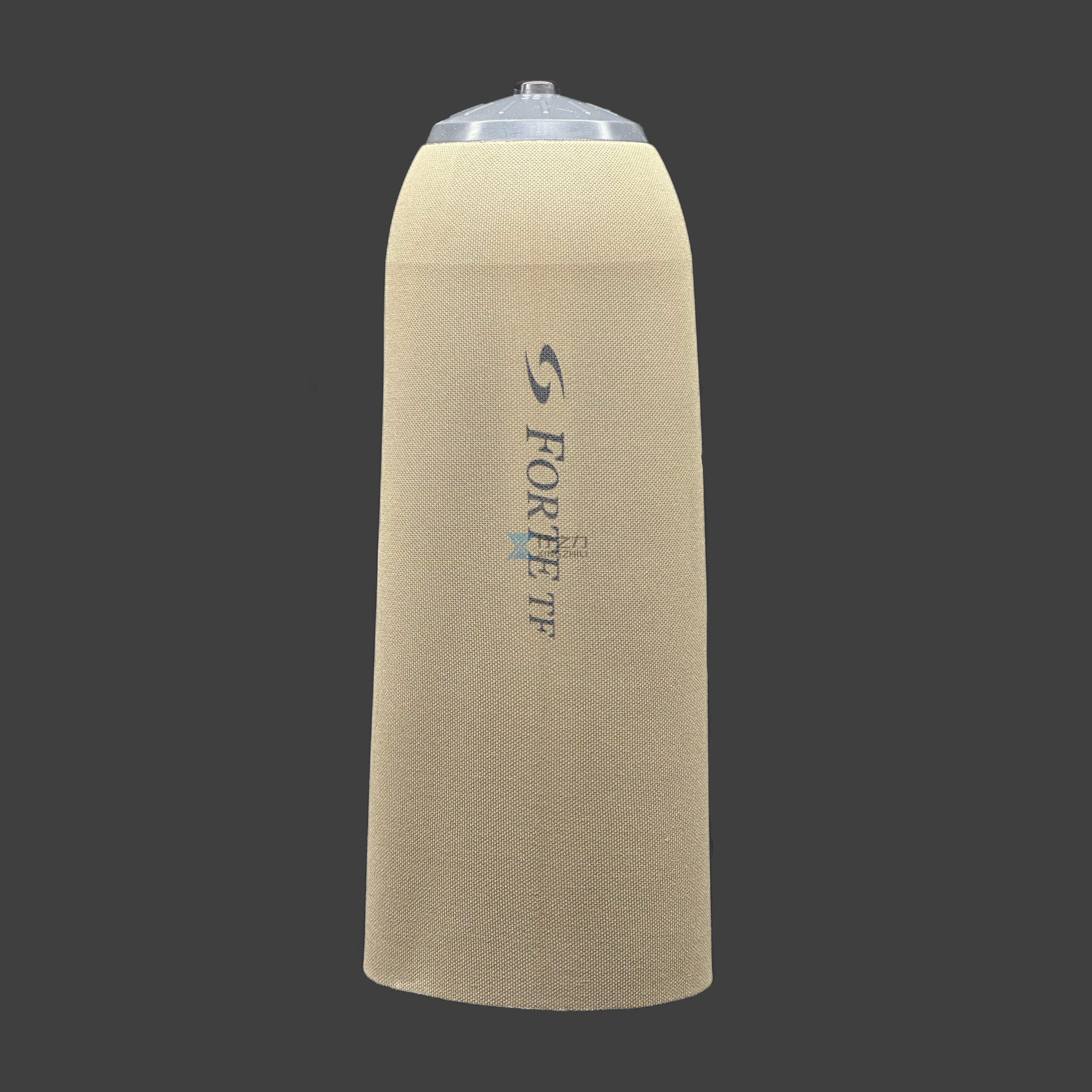
Professional prosthetic fitting involves comprehensive biomechanical analysis that considers each individual's unique anatomy, activity level, and movement preferences. This detailed approach ensures that the prosthetic limb integrates seamlessly with existing body mechanics rather than forcing adaptation to poorly aligned components. The resulting harmony between natural and artificial components creates sustainable movement patterns that protect vulnerable joints from excessive loading and repetitive strain injuries that commonly develop with improperly fitted devices.
Biomechanical Foundation of Professional Prosthetic Fitting
Anatomical Assessment and Alignment Principles
The biomechanical foundation of professional prosthetic fitting begins with thorough anatomical assessment that maps the residual limb's unique characteristics and the individual's remaining skeletal structure. Professional prosthetists analyze bone density, soft tissue distribution, nerve pathways, and vascular patterns to create a fitting strategy that maximizes comfort while optimizing force distribution. This comprehensive evaluation ensures that the prosthetic limb interfaces naturally with existing anatomy rather than creating pressure points or alignment discrepancies that compromise long-term joint health.
Proper alignment principles guide the positioning of prosthetic components to recreate natural biomechanical relationships throughout the kinetic chain. When a prosthetic limb maintains correct spatial relationships with adjacent joints, it preserves normal loading patterns that prevent compensatory movement strategies. These compensatory patterns often develop when poorly fitted devices force the body to adapt, leading to asymmetrical loading that accelerates joint degeneration and creates chronic pain conditions throughout the spine and remaining limbs.
Dynamic Movement Analysis Integration
Dynamic movement analysis forms a crucial component of professional prosthetic fitting, utilizing advanced gait analysis technology to observe real-time biomechanical interactions during various activities. This analysis reveals subtle movement compensations that might not be apparent during static assessment, allowing prosthetists to fine-tune alignment and component selection for optimal performance. The integration of dynamic analysis ensures that the prosthetic limb supports natural movement patterns across a full range of activities rather than optimizing for limited static positions.
Professional fitting protocols incorporate multiple movement scenarios to validate prosthetic performance under varying conditions that users encounter in daily life. This comprehensive approach identifies potential issues before they develop into chronic problems, allowing for proactive adjustments that maintain optimal alignment throughout the prosthetic limb's service life. The resulting device supports consistent biomechanical patterns that preserve joint health and prevent the development of secondary musculoskeletal complications.
Postural Stability and Spinal Health Protection
Vertebral Alignment Maintenance Systems
Professional prosthetic fitting prioritizes vertebral alignment maintenance by ensuring that the artificial limb restores natural weight distribution patterns that support proper spinal curvature. When a prosthetic limb maintains correct length and alignment relationships, it prevents the development of compensatory spinal curves that commonly develop when individuals adapt to poorly fitted devices. This attention to spinal health protection extends the benefits of professional fitting far beyond the immediate amputation site, preserving the integrity of the entire axial skeleton.
Advanced fitting techniques incorporate spinal health considerations into every aspect of prosthetic design and alignment, recognizing that lower limb prosthetics directly influence pelvic positioning and lumbar spine mechanics. Professional prosthetists utilize specialized measurement techniques to ensure that prosthetic length matches the contralateral limb precisely, preventing pelvic obliquity that leads to scoliotic changes and chronic back pain. This comprehensive approach to spinal health protection demonstrates why professional fitting represents an investment in long-term orthopedic wellness.
Core Stability Enhancement Protocols
Core stability enhancement protocols integrated into professional prosthetic fitting address the fundamental need for central stability that supports optimal prosthetic function and protects spinal health. When a prosthetic limb provides appropriate sensory feedback and stability, it enables the core musculature to function efficiently rather than compensating for prosthetic instability. This enhanced core function creates a stable platform for both prosthetic and natural limb movement, reducing the risk of overuse injuries and joint degeneration.
Professional fitting services incorporate core stability assessment and training recommendations that complement optimal prosthetic alignment and function. This integrated approach recognizes that prosthetic success depends not only on device quality but also on the strength and coordination of supporting musculature. The resulting combination of proper prosthetic alignment and enhanced core stability creates sustainable movement patterns that protect joint health throughout the kinetic chain while maximizing functional independence and quality of life.
Joint Preservation Through Optimal Load Distribution
Weight-Bearing Pattern Optimization
Weight-bearing pattern optimization represents a fundamental aspect of professional prosthetic fitting that directly influences long-term joint health across multiple body systems. When a prosthetic limb distributes weight appropriately during stance and swing phases of gait, it prevents excessive loading on remaining joints that would otherwise compensate for prosthetic inadequacy. Professional prosthetists utilize advanced pressure mapping technology to visualize weight distribution patterns and make precise adjustments that optimize loading throughout the gait cycle.
The optimization process considers not only static weight distribution but also dynamic loading patterns that occur during various activities of daily living. This comprehensive approach ensures that the prosthetic limb supports natural movement mechanics during walking, climbing stairs, and transitional movements that place varying demands on the musculoskeletal system. The resulting weight-bearing patterns preserve joint health by maintaining physiological loading relationships that prevent premature cartilage wear and inflammatory responses.
Shock Absorption and Impact Management
Shock absorption and impact management systems integrated into professionally fitted prosthetic devices play crucial roles in protecting joints from repetitive loading forces that accumulate over years of use. Advanced prosthetic components incorporate sophisticated shock-absorbing materials and mechanical systems that replicate the natural cushioning provided by intact limbs. This attention to impact management prevents the transmission of excessive forces through the prosthetic interface to vulnerable joints and soft tissues.
Professional fitting protocols evaluate individual activity levels and impact requirements to select appropriate shock absorption systems that match specific functional needs. This customized approach ensures that active individuals receive adequate protection during high-impact activities while providing appropriate feedback for balance and proprioceptive awareness. The resulting impact management system protects joint health while maintaining the sensory feedback necessary for confident movement and activity participation.
Long-Term Adaptation and Maintenance Strategies
Progressive Fitting Adjustment Protocols
Progressive fitting adjustment protocols acknowledge that optimal prosthetic function requires ongoing refinement as individuals adapt to their prosthetic limb and as their physical condition evolves over time. Professional prosthetists implement systematic follow-up schedules that monitor prosthetic fit, alignment, and function to identify changes before they compromise joint health or functional performance. These proactive maintenance strategies prevent the development of secondary complications that often result from gradual changes in residual limb volume or alignment drift.
The progressive adjustment process incorporates regular biomechanical assessments that evaluate how well the prosthetic limb continues to support optimal movement patterns and joint health. Professional fitting services utilize objective measurement tools to track changes in gait parameters, pressure distribution, and alignment relationships that might indicate the need for adjustments. This systematic approach to long-term prosthetic care ensures that the device continues to provide optimal support for joint health throughout its service life.
Preventive Care Integration Systems
Preventive care integration systems developed by professional prosthetic providers connect prosthetic fitting services with comprehensive healthcare teams that monitor overall musculoskeletal health and identify potential issues before they become symptomatic. This integrated approach recognizes that prosthetic limb users benefit from coordinated care that addresses both prosthetic function and general orthopedic health. Professional prosthetists work closely with physicians, physical therapists, and other healthcare providers to ensure that prosthetic care supports overall health objectives.
The integration of preventive care includes regular screening for common complications such as joint contractures, muscle imbalances, and overuse injuries that may develop despite optimal prosthetic fitting. Professional prosthetic providers utilize their expertise in biomechanics and movement analysis to identify early warning signs of developing problems and recommend appropriate interventions. This proactive approach to preventive care maximizes the long-term benefits of professional prosthetic fitting while minimizing the risk of secondary complications that could compromise joint health or functional independence.
Technology Integration and Advanced Materials
Smart Prosthetic Systems and Feedback Mechanisms
Smart prosthetic systems integrated through professional fitting services utilize advanced sensors and microprocessor technology to provide real-time feedback about prosthetic limb performance and biomechanical function. These sophisticated systems monitor parameters such as ground reaction forces, joint angles, and temporal gait characteristics to ensure that the prosthetic limb continues to support optimal movement patterns. The integration of smart technology allows for continuous optimization of prosthetic function without requiring frequent clinic visits or manual adjustments.
Professional prosthetists trained in advanced technology integration can customize smart prosthetic systems to individual user preferences and activity requirements while maintaining focus on long-term joint health protection. These systems provide valuable data about prosthetic limb utilization patterns and biomechanical performance that inform ongoing care decisions and preventive maintenance strategies. The resulting technology integration enhances the precision of professional prosthetic fitting while providing objective measures of long-term success in maintaining joint health and functional performance.
Material Science Advances in Interface Design
Material science advances in prosthetic interface design have revolutionized the ability of professional prosthetists to create comfortable, durable connections between residual limbs and prosthetic devices that support long-term joint health. Advanced silicone compounds, thermoplastic materials, and cushioning systems provide superior pressure distribution and shock absorption while maintaining the structural integrity necessary for optimal biomechanical function. Professional fitting services utilize these advanced materials to create custom interfaces that protect both soft tissues and joint structures from excessive stress.
The integration of advanced materials requires specialized knowledge of material properties and application techniques that professional prosthetists develop through extensive training and experience. These materials offer superior durability and performance characteristics that extend prosthetic limb service life while maintaining consistent support for optimal joint health. Professional prosthetists evaluate individual skin sensitivity, activity levels, and environmental exposure factors to select appropriate materials that provide long-term comfort and function while protecting vulnerable joint structures throughout the kinetic chain.
FAQ
How long does professional prosthetic fitting take to complete
Professional prosthetic fitting typically requires 6-12 weeks from initial evaluation to final delivery, depending on the complexity of the amputation and individual requirements. The process includes multiple appointments for measurements, test fittings, adjustments, and training sessions. This timeframe allows for proper healing, gradual adaptation, and fine-tuning to ensure optimal long-term joint health protection. Rush fitting processes often compromise the biomechanical precision necessary for preventing secondary complications and maintaining proper alignment relationships throughout the kinetic chain.
What makes professional fitting different from standard prosthetic services
Professional prosthetic fitting incorporates comprehensive biomechanical analysis, advanced measurement techniques, and individualized alignment strategies that standard services may not provide. Professional prosthetists utilize sophisticated gait analysis equipment, pressure mapping technology, and specialized training in movement science to optimize prosthetic function for long-term joint health. This advanced approach contrasts with basic fitting services that may focus primarily on achieving basic function without considering long-term orthopedic implications or biomechanical optimization for sustained joint health protection.
How often should professionally fitted prosthetics be adjusted or serviced
Professionally fitted prosthetic limbs require regular follow-up appointments every 3-6 months during the first year, then annually or bi-annually thereafter, depending on usage patterns and physical changes. Professional prosthetists monitor prosthetic fit, alignment, and function to identify changes before they compromise joint health or create secondary complications. Additionally, component replacement schedules vary based on activity level and wear patterns, with most mechanical components requiring replacement every 1-3 years to maintain optimal performance and joint protection capabilities.
Can professional fitting prevent all long-term joint problems for prosthetic users
While professional prosthetic fitting significantly reduces the risk of joint problems and secondary complications, it cannot eliminate all potential issues that may arise from factors such as aging, underlying medical conditions, or extreme activity demands. However, professional fitting provides the best possible foundation for long-term joint health by optimizing biomechanical relationships, distributing forces appropriately, and supporting natural movement patterns. Regular follow-up care and proactive maintenance further enhance the protective benefits of professional fitting, maximizing the potential for sustained joint health and functional independence throughout the prosthetic limb user's lifetime.