
 EN
EN



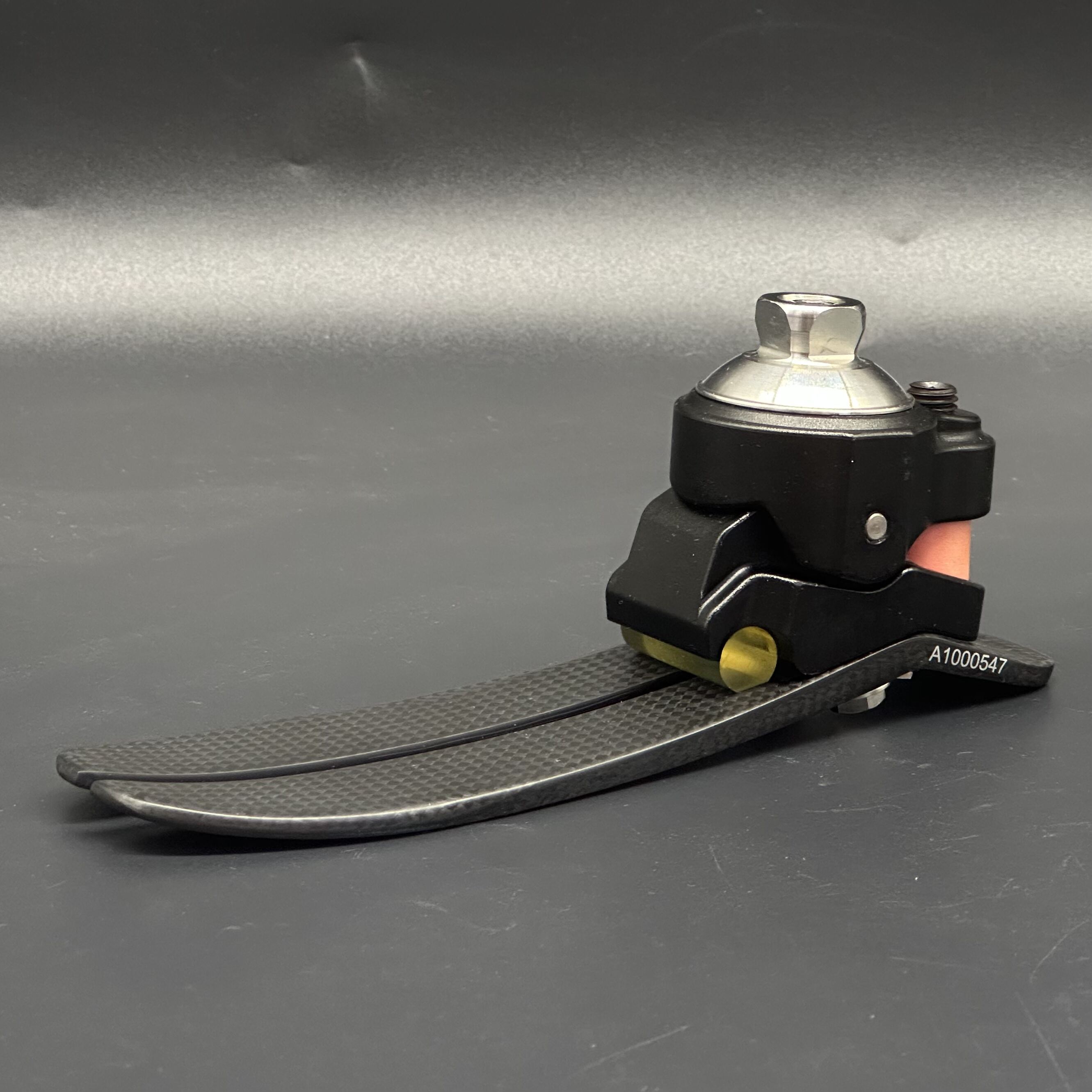
The prosthetics industry has undergone a remarkable transformation over the past decade, driven largely by innovative material technologies that prioritize both functionality and user comfort. Among the most significant breakthroughs are advanced composite materials, titanium alloys, and specialized textile solutions that dramatically reduce device weight while enhancing durability. These materials enable prosthetic users to experience greater mobility, reduced fatigue, and improved quality of life in their daily activities.
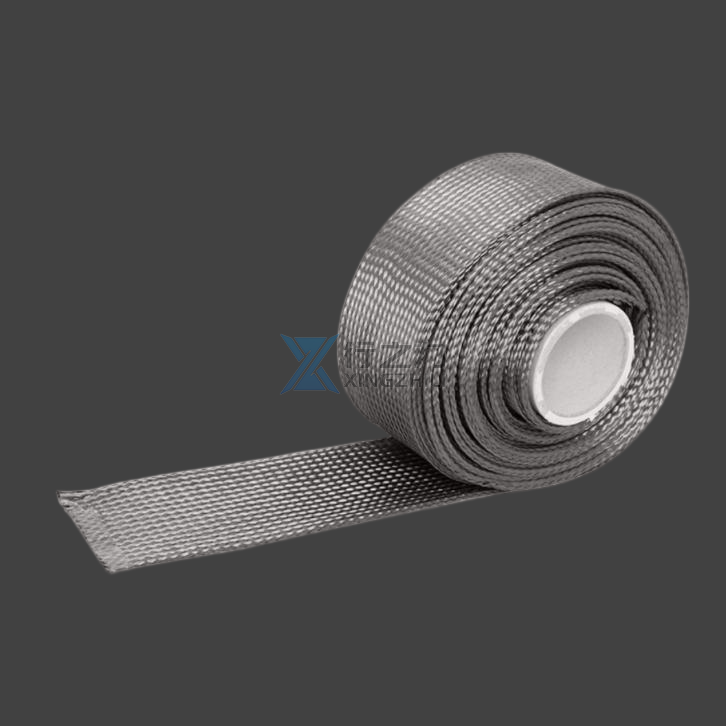
Modern prosthetic design focuses on creating devices that seamlessly integrate with the human body's natural biomechanics. Engineers and material scientists collaborate to develop solutions that address traditional challenges such as excessive weight, poor ventilation, and inadequate shock absorption. The integration of high-performance textiles like carbon fiber stockinette represents a significant step forward in creating comfortable interface materials between the residual limb and prosthetic device.
The evolution from conventional materials to advanced composites has revolutionized how prosthetic devices perform under real-world conditions. Traditional prosthetics often suffered from limitations in strength-to-weight ratios, leading to bulky designs that compromised user mobility. Contemporary materials science has addressed these shortcomings by introducing lightweight alternatives that maintain or exceed the mechanical properties of their heavier predecessors.
Revolutionary Composite Materials in Prosthetic Construction
Carbon Fiber Integration and Applications
Carbon fiber has emerged as the gold standard for prosthetic construction due to its exceptional strength-to-weight ratio and versatility in manufacturing applications. This material offers tensile strength comparable to steel while weighing approximately one-fifth as much, making it ideal for load-bearing components in prosthetic limbs. Carbon fiber's directional strength properties allow engineers to optimize fiber orientation based on specific stress patterns, resulting in highly efficient structural designs.
The manufacturing flexibility of carbon fiber enables the creation of complex geometries that conform precisely to individual anatomical requirements. Advanced weaving techniques produce carbon fiber stockinette materials that provide superior comfort and breathability compared to traditional interface materials. These textile applications demonstrate how carbon fiber technology extends beyond structural components to enhance user comfort through innovative fabric constructions.
Modern carbon fiber prosthetics incorporate various weave patterns and resin systems to achieve specific performance characteristics. Unidirectional fibers provide maximum strength in primary load directions, while woven fabrics offer multidirectional stability and impact resistance. The selection of appropriate carbon fiber configurations depends on the prosthetic application, with lower limb devices requiring different specifications than upper limb solutions.
Advanced Resin Systems and Bonding Technologies
The performance of carbon fiber prosthetics depends significantly on the resin matrix systems used to bind the individual fibers together. Epoxy resins provide excellent mechanical properties and chemical resistance, making them suitable for demanding prosthetic applications. Recent developments in toughened epoxy formulations have improved impact resistance while maintaining the lightweight characteristics essential for comfortable prosthetic use.
Thermoplastic matrix systems offer unique advantages in prosthetic manufacturing, including recyclability and the ability to reshape components through controlled heating. These materials enable rapid prototyping and customization, allowing prosthetists to make adjustments and modifications more efficiently. The combination of carbon fiber reinforcement with advanced thermoplastic matrices creates prosthetic components that balance performance, durability, and user comfort.
Hybrid resin systems combine the benefits of different polymer technologies to achieve optimal performance characteristics. These advanced formulations may incorporate impact modifiers, flame retardants, or UV stabilizers depending on the specific prosthetic application requirements. The careful selection of resin systems ensures that carbon fiber stockinette and other textile components maintain their properties throughout extended use cycles.
Titanium Alloys and Metallic Innovations
Biocompatible Titanium Applications
Titanium alloys have revolutionized prosthetic joint mechanisms and structural components through their unique combination of strength, corrosion resistance, and biocompatibility. These materials offer excellent fatigue resistance, crucial for prosthetic applications that experience millions of loading cycles throughout their service life. The low modulus of elasticity in titanium alloys more closely matches human bone properties, reducing stress concentration at attachment interfaces.
Advanced titanium processing techniques enable the creation of porous structures that promote tissue integration in implantable prosthetic components. Additive manufacturing technologies allow for complex internal geometries that reduce weight while maintaining structural integrity. These manufacturing capabilities enable the production of patient-specific components that optimize fit and function for individual users.
The corrosion resistance of titanium alloys ensures long-term reliability in prosthetic applications, particularly important for components exposed to body fluids or environmental moisture. Surface treatments such as anodization or plasma spraying can further enhance biocompatibility and wear resistance. These protective measures extend the service life of titanium prosthetic components while maintaining their mechanical properties.
Lightweight Aluminum and Magnesium Alloys
Aluminum alloys provide cost-effective solutions for prosthetic applications where the superior properties of titanium are not strictly necessary. Advanced aluminum formulations achieve impressive strength-to-weight ratios while offering excellent machinability and surface finish characteristics. Heat treatment processes can optimize the mechanical properties of aluminum components to meet specific prosthetic performance requirements.
Magnesium alloys represent an emerging category of prosthetic materials that offer the lowest density among structural metals. These materials require careful consideration of corrosion protection but provide unique opportunities for weight reduction in specific prosthetic applications. Advanced coating technologies protect magnesium components while preserving their lightweight advantages.
The selection between different metallic materials depends on the specific prosthetic application, cost considerations, and performance requirements. Hybrid designs may combine multiple materials to optimize different aspects of prosthetic function. For example, titanium joints may be combined with carbon fiber structural elements and specialized textile interfaces like carbon fiber stockinette to create comprehensive prosthetic solutions.
Smart Material Integration and Adaptive Technologies
Shape Memory Alloys and Responsive Materials
Shape memory alloys represent a breakthrough in adaptive prosthetic technology, enabling devices that respond automatically to temperature changes or applied forces. These materials can return to predetermined shapes when heated, allowing prosthetic components to adapt to different user activities or environmental conditions. Nitinol, a nickel-titanium alloy, demonstrates exceptional shape memory properties suitable for prosthetic spring mechanisms and adaptive joints.
The integration of shape memory alloys into prosthetic design enables self-adjusting mechanisms that improve user comfort and functionality. These materials can provide variable stiffness characteristics, allowing prosthetic joints to adapt between walking and running gaits automatically. The responsive nature of shape memory alloys reduces the need for manual adjustments, enhancing the user experience.
Advanced shape memory alloy applications include temperature-responsive liner materials that adjust their properties based on body heat and environmental conditions. These materials work synergistically with other comfort-enhancing components such as carbon fiber stockinette to create comprehensive prosthetic interfaces that adapt to changing conditions throughout the day.
Electronic Material Integration
Modern prosthetics increasingly incorporate electronic sensors and control systems that require specialized materials for reliable operation. Flexible printed circuit materials enable the integration of sensors directly into prosthetic structures without compromising mechanical performance. These electronic materials must withstand the mechanical stresses and environmental conditions typical of prosthetic applications.
Conductive polymers and hybrid materials enable the creation of prosthetic interfaces that can monitor user comfort, detect pressure points, and provide feedback to control systems. These smart materials bridge the gap between mechanical prosthetic structures and electronic control systems. The development of stretchable electronics allows sensors to be integrated into flexible components like carbon fiber stockinette without restricting natural movement.
Battery technologies specifically designed for prosthetic applications must balance energy density with safety and reliability requirements. Advanced lithium polymer formulations provide lightweight energy storage solutions that integrate seamlessly into prosthetic designs. These power systems enable the operation of adaptive materials and electronic control systems that enhance prosthetic functionality.
Comfort-Enhancing Interface Materials
Advanced Liner Technologies
Prosthetic liner materials play a crucial role in user comfort and device performance, requiring careful attention to breathability, cushioning, and moisture management. Modern liner formulations incorporate gel materials, foam technologies, and textile composites to create interfaces that distribute pressure evenly and reduce friction. These materials must maintain their properties under repeated loading cycles while providing consistent comfort throughout extended wear periods.
Silicone-based liner materials offer excellent biocompatibility and cushioning properties, making them ideal for sensitive skin applications. Advanced silicone formulations incorporate antimicrobial agents and moisture-wicking capabilities to maintain hygiene and comfort. The durability of silicone liners ensures consistent performance over extended service lives, reducing the frequency of replacement and associated costs.
Polyurethane liner materials provide alternative properties for users with different comfort preferences or skin sensitivities. These materials can be formulated with varying durometer ratings to achieve specific cushioning characteristics. The versatility of polyurethane chemistry allows for the incorporation of specialized additives that enhance specific performance aspects such as tear resistance or UV stability.
Breathable Textile Innovations
Textile materials specifically designed for prosthetic applications must balance comfort, durability, and moisture management properties. Carbon fiber stockinette represents a significant advancement in prosthetic textile technology, combining the structural benefits of carbon fiber with the comfort characteristics required for direct skin contact. These materials provide superior breathability compared to traditional prosthetic interface materials.
Advanced weaving techniques create three-dimensional textile structures that enhance cushioning and air circulation around the residual limb. These textiles incorporate moisture-wicking fibers that transport perspiration away from the skin surface, reducing the risk of irritation and maintaining comfort during extended wear. The construction of these materials considers the specific stress patterns encountered in prosthetic applications.
Antimicrobial textile treatments provide additional benefits for prosthetic interface materials by reducing bacterial growth and associated odors. Silver-based treatments, copper-infused fibers, and other antimicrobial technologies integrate seamlessly into carbon fiber stockinette and other prosthetic textiles. These treatments maintain their effectiveness throughout multiple washing cycles, ensuring long-term hygiene benefits.
Manufacturing Innovations and Customization Technologies
Additive Manufacturing Applications
Three-dimensional printing technologies have revolutionized prosthetic manufacturing by enabling rapid prototyping, customization, and cost-effective production of complex geometries. These manufacturing techniques allow prosthetists to create patient-specific components that optimize fit and function for individual users. The ability to iterate designs quickly accelerates the development process and improves patient outcomes.
Advanced 3D printing materials specifically formulated for prosthetic applications include carbon fiber reinforced polymers, titanium alloys, and specialized thermoplastics. These materials maintain the mechanical properties necessary for reliable prosthetic function while enabling the design freedom associated with additive manufacturing. The layer-by-layer construction process allows for the integration of internal channels, variable density regions, and complex surface textures.
Multi-material 3D printing capabilities enable the simultaneous production of prosthetic components that incorporate different materials for specific functions. Hard structural elements can be combined with soft interface materials in a single manufacturing process, reducing assembly requirements and improving component integration. This technology enables the production of prosthetics that incorporate carbon fiber stockinette-like properties directly into the printed structure.
Automated Fiber Placement and Advanced Composites
Automated fiber placement technologies enable precise control over fiber orientation and density in carbon fiber prosthetic components. These manufacturing processes optimize material usage while achieving specific performance characteristics tailored to individual user requirements. The ability to vary fiber orientation throughout a component allows for the creation of structures that respond appropriately to different loading conditions.
Continuous fiber reinforcement techniques create prosthetic components with exceptional strength and stiffness properties while maintaining lightweight characteristics. These manufacturing methods enable the production of complex curved surfaces and hollow structures that would be difficult or impossible to achieve with traditional manufacturing techniques. The resulting components demonstrate superior fatigue resistance and durability compared to chopped fiber alternatives.
Hybrid manufacturing approaches combine automated fiber placement with traditional textile techniques to create prosthetic materials that integrate structural and comfort features. These processes enable the production of carbon fiber stockinette materials with precisely controlled fiber orientations and textile properties. The integration of different manufacturing techniques expands the range of achievable material properties and design possibilities.
Future Developments and Emerging Technologies
Nanotechnology Applications
Nanotechnology offers exciting possibilities for enhancing prosthetic materials through molecular-level engineering of material properties. Carbon nanotube reinforcement can dramatically improve the strength and electrical conductivity of prosthetic components while maintaining lightweight characteristics. These nanoscale reinforcements integrate seamlessly with existing carbon fiber technologies to create next-generation composite materials.
Nanostructured surface treatments enhance the biocompatibility and antimicrobial properties of prosthetic interfaces. These treatments can be applied to carbon fiber stockinette and other textile materials to improve their performance characteristics without significantly altering their basic properties. The development of self-cleaning and self-healing material surfaces represents a significant advancement in prosthetic technology.
Smart nanomaterials that respond to environmental stimuli offer possibilities for adaptive prosthetic components that adjust their properties automatically based on user activity levels or environmental conditions. These materials could provide variable stiffness, damping, or thermal properties that optimize prosthetic performance throughout different daily activities.
Biointegrated Materials and Regenerative Technologies
The development of materials that promote biological integration represents the future of prosthetic technology, potentially eliminating the interface challenges that currently limit prosthetic comfort and function. Bioactive materials that encourage tissue growth and neural integration could create seamless connections between prosthetic devices and the human body. These materials must maintain their mechanical properties while supporting biological processes.
Regenerative material technologies aim to create prosthetic components that can repair themselves or adapt to changing user requirements over time. These materials incorporate biological or bio-inspired mechanisms that enable self-healing, growth, or adaptation. The integration of living and synthetic materials presents unique challenges and opportunities for prosthetic development.
Neural interface materials that enable direct communication between the nervous system and prosthetic devices require specialized properties including biocompatibility, electrical conductivity, and mechanical flexibility. These materials must maintain stable interfaces with neural tissues while providing reliable signal transmission. The success of neural interface technologies depends on the development of materials that can bridge the gap between biological and synthetic systems.
FAQ
How do advanced materials improve prosthetic comfort compared to traditional options
Advanced materials improve prosthetic comfort through multiple mechanisms including significant weight reduction, enhanced breathability, and superior pressure distribution. Carbon fiber stockinette and similar textile innovations provide better moisture management and skin compatibility compared to older interface materials. These materials also offer improved durability, reducing the frequency of replacements and associated discomfort from poorly fitting worn components.
What role does carbon fiber play in modern prosthetic design
Carbon fiber serves as the backbone of modern prosthetic construction due to its exceptional strength-to-weight ratio and design versatility. Beyond structural applications, carbon fiber technology extends to comfort-enhancing materials like carbon fiber stockinette that provide superior interface properties between the residual limb and prosthetic device. The material's ability to be formed into complex shapes enables custom-fitted prosthetics that optimize both function and comfort for individual users.
Are smart materials currently available in commercial prosthetic devices
Smart materials are increasingly being integrated into commercial prosthetic devices, particularly shape memory alloys in adaptive joint mechanisms and responsive liner materials. While still emerging, technologies incorporating electronic sensors and adaptive stiffness materials are becoming available in higher-end prosthetic systems. The integration of smart materials with traditional components like carbon fiber stockinette creates comprehensive solutions that enhance user experience and device functionality.
How do manufacturing innovations affect prosthetic accessibility and cost
Advanced manufacturing techniques, particularly 3D printing and automated fiber placement, are reducing prosthetic costs while improving customization capabilities. These technologies enable local production of prosthetic components, reducing shipping costs and lead times while allowing for rapid iterations and adjustments. The ability to produce patient-specific components using advanced materials like carbon fiber stockinette makes high-performance prosthetics more accessible to a broader range of users worldwide.