
 EN
EN


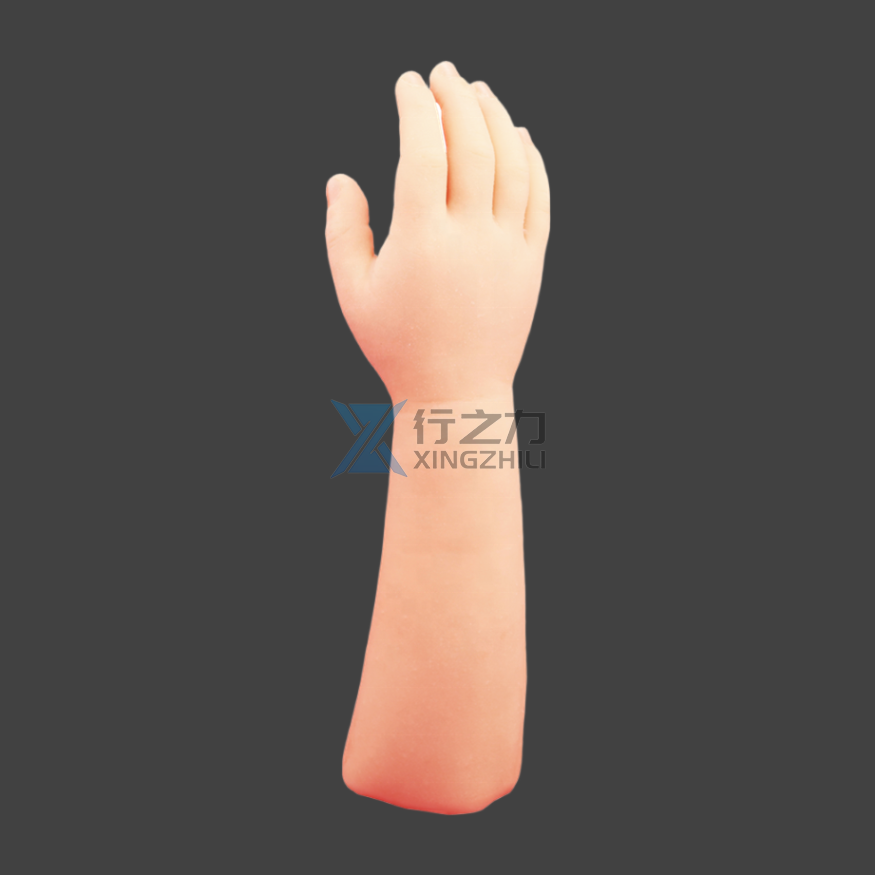
The journey of fitting a child prosthetic limb represents one of the most significant steps in pediatric rehabilitation medicine. When children face limb loss due to congenital conditions, trauma, or medical necessity, the integration of advanced prosthetic technology becomes crucial for their physical development and psychological well-being. Modern pediatric prosthetics have evolved dramatically, offering enhanced functionality that enables children to participate fully in active play, sports, and daily activities that define childhood experiences.
The transformation of pediatric prosthetic care has shifted from basic mobility restoration to comprehensive lifestyle integration. Healthcare professionals now recognize that children require prosthetic solutions that accommodate their natural desire for exploration, physical activity, and social interaction. This holistic approach ensures that prosthetic devices serve not merely as functional replacements but as tools that empower children to achieve their developmental milestones without compromise.
Understanding the unique biomechanical and psychological needs of growing children has led to innovative design principles in prosthetic manufacturing. These devices must withstand the rigorous demands of childhood activities while providing the comfort and reliability necessary for continuous wear throughout active days filled with play, learning, and social engagement.
Advanced Design Features for Pediatric Mobility
Lightweight Construction and Durability
Modern pediatric prosthetics prioritize lightweight materials without sacrificing structural integrity. Advanced composite materials, including carbon fiber and specialized polymers, create devices that children can wear comfortably for extended periods. The reduction in weight significantly impacts energy expenditure during walking, running, and playing, allowing children to maintain activity levels comparable to their peers without experiencing premature fatigue.
Durability testing for pediatric devices involves rigorous protocols that simulate the intense physical demands children place on their prosthetics. From playground activities to sports participation, these devices must maintain consistent performance under conditions that would challenge even adult prosthetics. Manufacturers incorporate reinforced stress points and impact-resistant materials to ensure longevity and reliability throughout active childhood years.
The integration of shock-absorbing components within lightweight frameworks provides additional protection for both the prosthetic device and the child's residual limb. These features become particularly important during high-impact activities such as jumping, climbing, and running, where traditional prosthetics might fail or cause discomfort to the user.
Growth-Accommodating Mechanisms
Pediatric prosthetics incorporate innovative adjustment mechanisms that accommodate rapid growth spurts common in children and adolescents. Telescoping components and modular design elements allow prosthetists to modify device length and alignment without requiring complete replacement. This adaptability significantly reduces the frequency of prosthetic renewals and maintains optimal fit throughout various growth phases.
Socket design innovations include expandable interfaces and adjustable padding systems that respond to changes in residual limb volume and length. These features ensure consistent comfort and control while minimizing the need for frequent socket replacements that can disrupt a child's adaptation process and daily routine.
Advanced fitting technologies utilize 3D scanning and computer-aided design to create precise socket geometries that can be easily modified as children grow. This technological integration streamlines the adjustment process and reduces appointment frequency, minimizing disruption to school schedules and family routines while maintaining optimal prosthetic function.
Supporting Active Play and Physical Development
Sports-Specific Adaptations
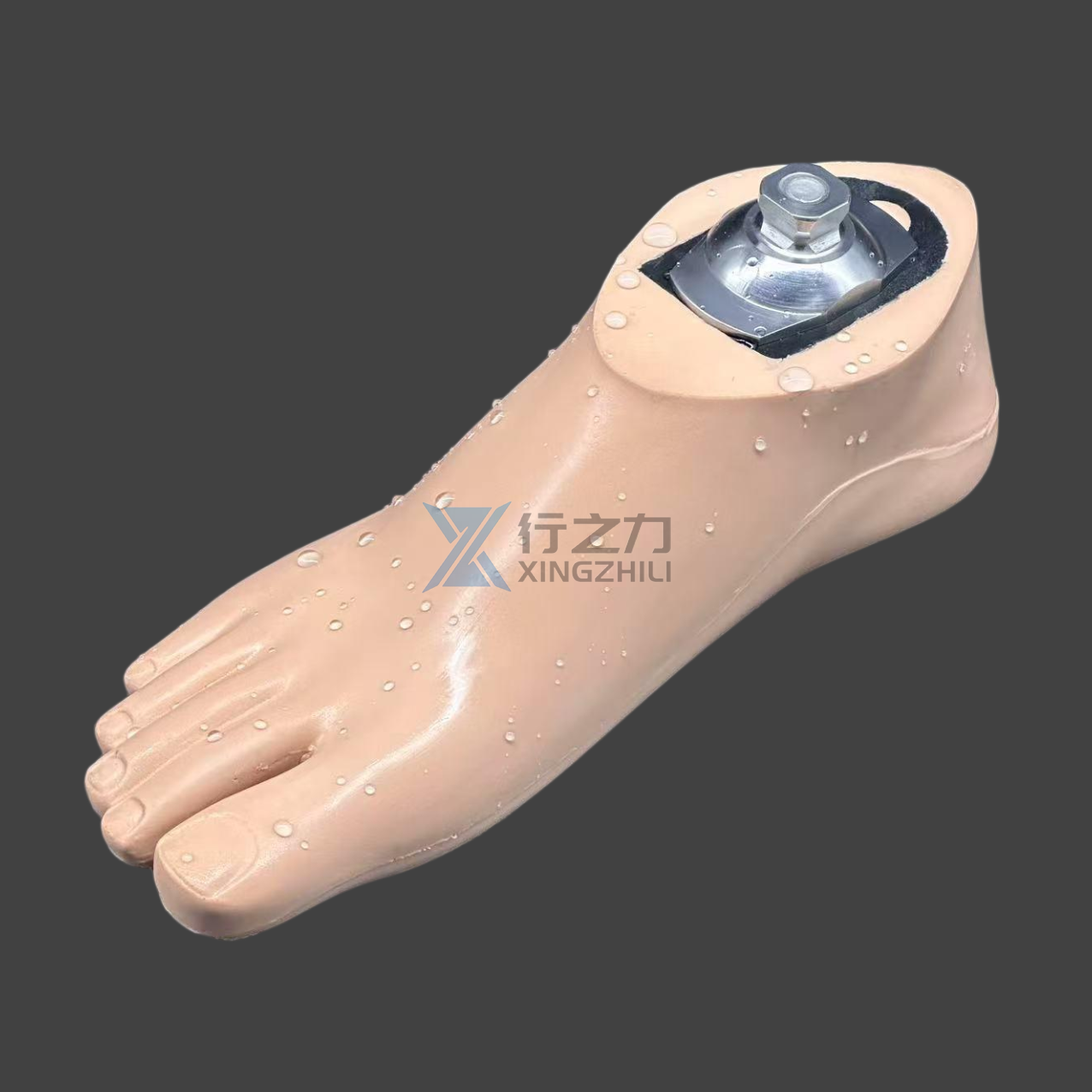
Contemporary pediatric prosthetics include sport-specific components that enable children to participate in various athletic activities. Specialized feet designed for running provide enhanced energy return and stability during high-speed movements. Swimming adaptations offer waterproof sealing and hydrodynamic profiles that support aquatic activities without compromising device integrity.
Multi-activity prosthetics feature quick-change mechanisms that allow children to switch between different functional components based on their intended activities. This versatility ensures that a single child prosthetic limb can support playground activities, organized sports, and daily mobility needs without requiring multiple complete devices.
Playground safety considerations drive the development of impact-resistant surfaces and rounded edges that minimize injury risk during falls or collisions common in active play. These safety features maintain device functionality while protecting both the prosthetic user and other children during interactive play scenarios.
Developmental Milestone Achievement
Prosthetic design increasingly focuses on supporting natural developmental progressions that occur throughout childhood. Early mobility devices emphasize stability and confidence building, while more advanced systems incorporate dynamic response characteristics that challenge growing children to develop enhanced balance and coordination skills.
Motor skill development receives particular attention in pediatric prosthetic design, with devices incorporating sensory feedback mechanisms that help children develop proprioceptive awareness. These features support the natural learning process through which children develop spatial awareness and movement control necessary for complex physical activities.
The integration of microprocessor-controlled components in advanced pediatric prosthetics provides real-time gait analysis and automatic adjustment capabilities. These intelligent systems learn from a child's movement patterns and optimize device performance to support continued skill development and activity expansion throughout the growth process.
Daily Life Integration and Comfort
School Environment Compatibility
School-based activities present unique challenges for pediatric prosthetic users, requiring devices that seamlessly integrate into classroom environments and educational activities. Quiet operation mechanisms eliminate distracting sounds during lessons, while compact profiles ensure comfortable seating in standard classroom furniture without accommodation requirements.
Physical education participation becomes achievable through versatile prosthetic designs that support various movement patterns required in school curricula. From basic calisthenics to team sports, these devices enable full participation in mandatory physical education programs while maintaining safety standards appropriate for group activities.
Social integration considerations influence prosthetic aesthetics and functionality, with designs that minimize visual differences while maximizing capability. This approach supports positive peer interactions and reduces self-consciousness that might otherwise limit a child's willingness to engage in school-based physical activities.
Family Lifestyle Accommodation
Modern pediatric prosthetics recognize the importance of family-centered activities and outdoor adventures. Weather-resistant materials and sealed components enable participation in family hiking, beach vacations, and seasonal activities without device damage or performance degradation. These capabilities ensure that prosthetic users can fully participate in family traditions and recreational activities.
Maintenance requirements for contemporary devices have been minimized through improved material selection and sealed bearing systems. This reduction in daily care needs allows families to focus on normal childhood routines rather than extensive prosthetic maintenance protocols that might otherwise consume significant time and attention.
Travel compatibility features include compact charging systems for electronic components and durable carrying cases for backup equipment. These provisions ensure that family vacations and extended trips remain feasible without compromising prosthetic function or requiring extensive planning around device limitations.
Psychological and Social Benefits
Confidence Building Through Capability
The psychological impact of advanced pediatric prosthetics extends far beyond physical function, significantly influencing self-esteem and confidence development. When children can participate fully in activities alongside their peers, they develop positive self-image and reduced anxiety about their physical differences. This confidence building creates positive feedback loops that encourage further activity participation and skill development.
Successful prosthetic integration often leads to leadership opportunities within peer groups, as children with prosthetics frequently become advocates and educators about disability awareness. This transformation from potential social isolation to community leadership represents one of the most significant psychological benefits of effective prosthetic intervention.
Independence achievement through prosthetic use eliminates many dependency relationships that might otherwise persist throughout childhood. Children who master their prosthetic devices often demonstrate enhanced problem-solving skills and resilience that benefit them across various life domains beyond physical mobility.
Peer Interaction and Social Integration
Modern prosthetic designs facilitate natural social interactions by enabling children to participate in group activities without modification or special accommodation. This seamless integration reduces the otherness that prosthetic users might otherwise experience and promotes inclusive play environments where all children can participate equally.
Educational opportunities arise when prosthetic users share their experiences with classmates and community members. These interactions often foster empathy and understanding while positioning the prosthetic user as an expert and educator rather than a recipient of sympathy or special treatment.
Team sport participation becomes possible through advanced prosthetic technologies, creating opportunities for children to develop teamwork skills and competitive spirit. These experiences contribute to normal social development and provide platforms for demonstrating ability rather than highlighting disability.
Technological Innovation in Pediatric Prosthetics
Smart Technology Integration
Contemporary pediatric prosthetics increasingly incorporate smart technology features that enhance functionality while appealing to tech-savvy young users. Bluetooth connectivity enables device monitoring through smartphone applications, allowing both users and caregivers to track performance metrics and identify potential issues before they become problematic.
Artificial intelligence algorithms within advanced prosthetic systems learn from individual user patterns and automatically optimize performance parameters. This adaptive capability ensures that the device continuously improves its function as children develop new skills and movement patterns throughout their growth.
Gamification elements integrated into prosthetic control systems can motivate children to engage in physical therapy exercises and skill development activities. These interactive features transform necessary rehabilitation activities into enjoyable games that encourage consistent practice and skill development.
Customization and Personalization
Advanced manufacturing techniques enable extensive customization options that allow children to personalize their prosthetic devices. From color selection to decorative elements, these personalization opportunities help children develop positive relationships with their prosthetics and view them as extensions of their personality rather than medical necessities.
3D printing technologies facilitate rapid prototyping and customization of prosthetic components, enabling prosthetists to create unique solutions for individual user needs. This manufacturing flexibility supports creativity in design while maintaining the precision necessary for optimal function and comfort.
Modular design philosophies allow children to modify their prosthetic appearance and functionality based on changing preferences and needs. This adaptability ensures that the prosthetic remains relevant and appealing throughout various developmental phases and interest changes common in childhood.
Long-Term Benefits and Future Considerations
Lifelong Mobility Foundation
Early intervention with high-quality pediatric prosthetics establishes movement patterns and confidence that benefit users throughout their entire lives. Children who develop natural gait mechanics and activity participation habits during formative years typically maintain higher activity levels and better overall health outcomes as adults.
The prevention of compensatory movement patterns through proper prosthetic fitting during childhood reduces the risk of secondary complications such as back pain, joint deterioration, and repetitive stress injuries that might otherwise develop later in life. This preventive approach represents significant long-term healthcare cost savings while improving quality of life.
Skill development achieved through childhood prosthetic use creates a foundation for advanced prosthetic technologies that may become available in adulthood. Children who master basic prosthetic control and integration are better positioned to benefit from future innovations and more sophisticated devices as they become available.
Educational and Career Implications
Full participation in physical activities during childhood through effective prosthetic use often influences career choices and educational opportunities in positive ways. Children who maintain active lifestyles despite limb loss frequently pursue careers in healthcare, engineering, sports, or advocacy fields where their personal experience provides valuable perspective.
The problem-solving skills developed through prosthetic adaptation often translate into enhanced analytical thinking and creativity in academic settings. Many prosthetic users report that their experience with adaptive technology sparked interests in STEM fields and innovation-focused careers.
Leadership experiences gained through peer education about prosthetics and disability awareness often contribute to strong communication skills and empathy that benefit individuals throughout their personal and professional lives. These soft skills become increasingly valuable in collaborative work environments and community leadership roles.
FAQ
What age should children begin using prosthetic devices
Children can begin using prosthetic devices as early as 6-12 months of age, depending on their individual development and the type of limb difference. Early intervention typically focuses on establishing balance and movement patterns, while more complex functional prosthetics are introduced as children develop the cognitive and physical skills necessary for device control. The timing depends on the child's readiness rather than strict age guidelines.
How often do children need prosthetic replacements due to growth
Prosthetic replacement frequency varies significantly based on growth rate, activity level, and device type. Most children require socket adjustments or replacements every 12-18 months during periods of rapid growth, while the mechanical components may last 2-3 years with proper maintenance. Growth-accommodating designs can extend these intervals and reduce the total number of replacements needed throughout childhood.
Can children participate in competitive sports with prosthetics
Modern pediatric prosthetics enable participation in virtually all sports activities, including competitive athletics. Specialized sport-specific components and training programs help young athletes achieve high performance levels. Many prosthetic users compete successfully in mainstream sports leagues, while others participate in adaptive sports programs designed specifically for athletes with limb differences.
What support services are available for families of children with prosthetics
Comprehensive support services include prosthetist consultations, physical therapy, occupational therapy, psychological counseling, and peer support groups. Many healthcare systems provide care coordination services that help families navigate insurance requirements and connect with appropriate resources. Educational support services help schools accommodate prosthetic users and promote inclusive environments for all students.