
 EN
EN


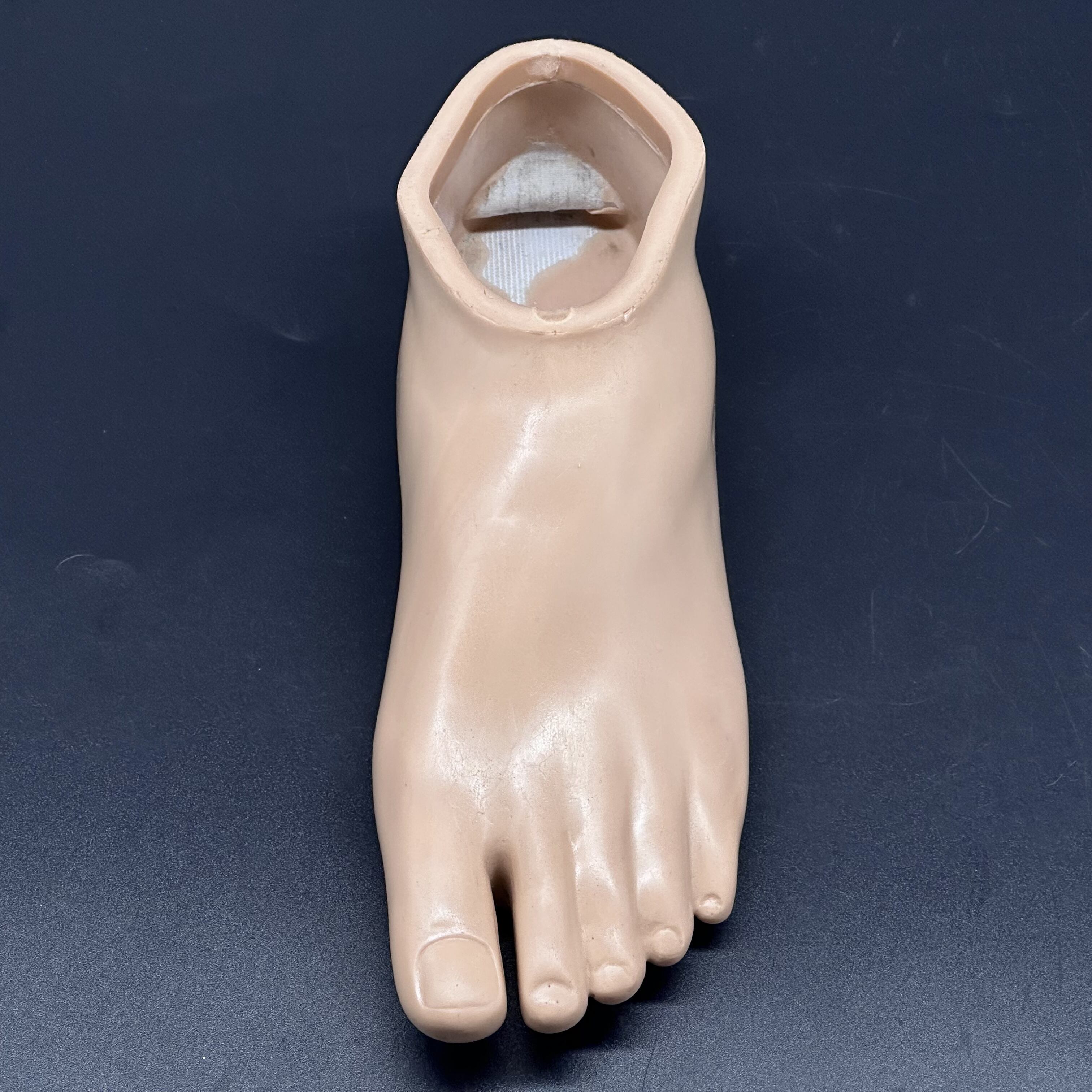
When evaluating prosthetic foot technology, most conversations focus on visible features — socket fit, cosmetic cover, or basic load-bearing capacity. Yet the most meaningful performance advantages of a lightweight dynamic prosthetic are rarely the ones displayed on a spec sheet. They operate beneath the surface, shaping how a user moves, recovers, and engages with daily life in ways that only become apparent through extended real-world use. Understanding these hidden strengths is essential for clinicians, procurement specialists, and end users who want to make genuinely informed decisions.
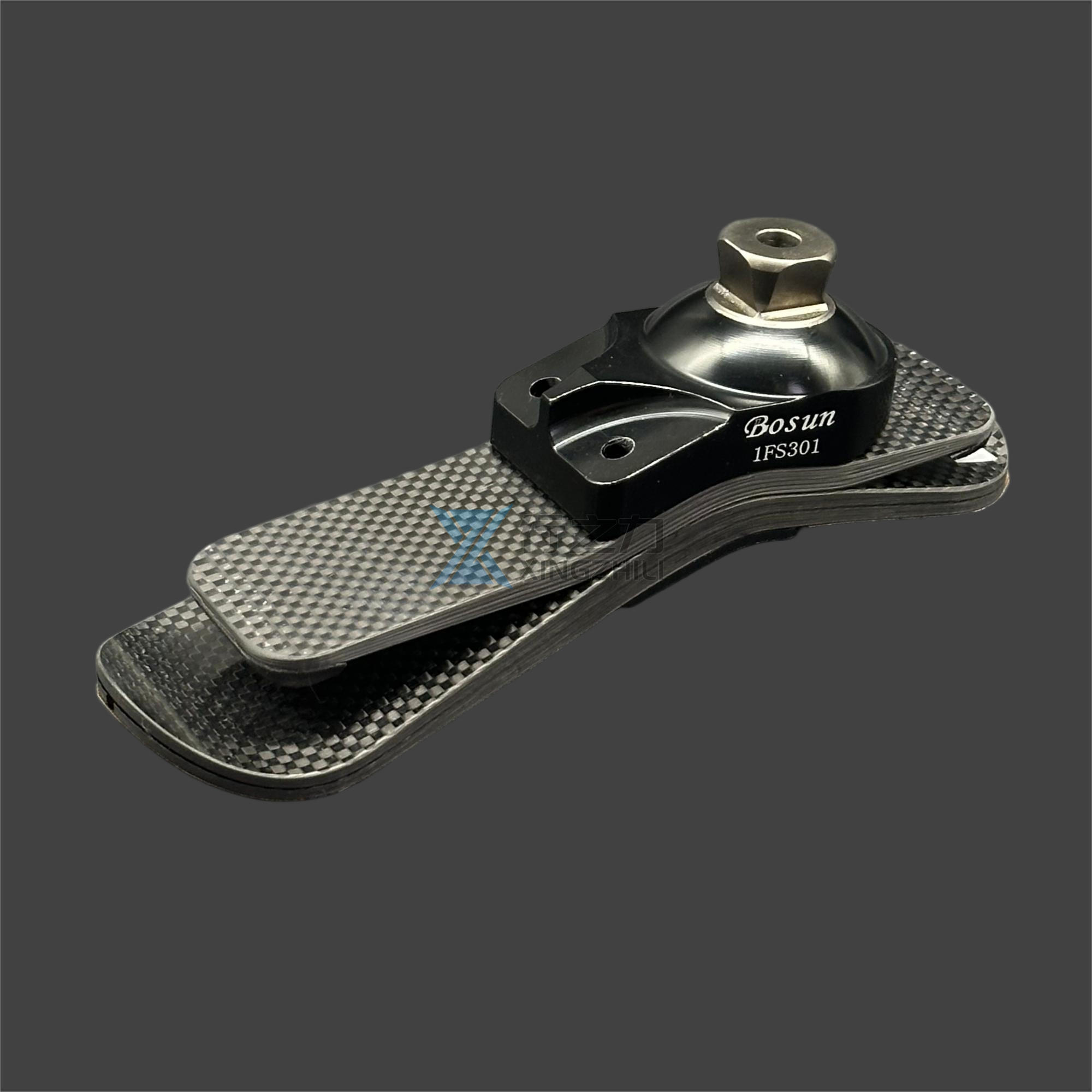
A lightweight dynamic prosthetic is engineered to do far more than simply replace a missing limb segment. Its design philosophy centers on energy return, adaptive response, and reduced systemic fatigue — qualities that compound over thousands of steps each day. The strengths explored in this article are not marketing abstractions. They are biomechanical realities that translate directly into user outcomes, rehabilitation timelines, and long-term quality of life. Each hidden advantage deserves careful examination on its own terms.
The Biomechanical Edge You Cannot See at First Glance
Energy Return as a Silent Performance Driver
One of the most underappreciated strengths of a lightweight dynamic prosthetic is its capacity for energy return during the gait cycle. As the foot loads during mid-stance, the carbon fiber or composite keel stores elastic potential energy. At toe-off, that stored energy is released, propelling the user forward with a force contribution that a rigid or heavy prosthetic simply cannot replicate. This mechanism reduces the metabolic cost of walking, meaning users expend less energy per step over the course of a full day.
The practical implication is significant. A user wearing a lightweight dynamic prosthetic can walk longer distances before experiencing fatigue, maintain a more natural cadence, and reduce compensatory strain on the residual limb and contralateral leg. These are not incremental improvements — they represent a fundamental shift in how the body manages locomotion. Clinicians who have observed patients transition from heavier, passive designs to dynamic alternatives consistently report improvements in walking endurance and self-reported comfort within the first weeks of use.
Energy return also supports more fluid transitions between walking speeds. When a user needs to move from a slow pace to a brisk walk, the dynamic response of the keel adapts proportionally. This responsiveness is built into the material properties of the prosthetic rather than requiring conscious adjustment, which means the user can focus on their environment rather than managing their gait mechanics.
Reduced Proximal Joint Loading
Every gram of weight added to a distal prosthetic component creates a disproportionate mechanical burden on proximal joints. The physics of pendulum motion mean that a heavier foot increases the rotational inertia of the entire limb during swing phase, forcing the hip and knee to work harder with every stride. A lightweight dynamic prosthetic directly addresses this by minimizing distal mass, which reduces the muscular effort required to advance the limb and lowers cumulative stress on the hip, knee, and lumbar spine.
Over months and years of daily use, this reduction in proximal loading has measurable consequences for joint health. Users of heavier prosthetic designs frequently develop secondary musculoskeletal complaints in the hip and lower back — conditions that are costly to treat and that significantly diminish quality of life. The lightweight dynamic prosthetic acts as a preventive tool in this regard, protecting the user's remaining biological joints from accelerated wear. This is a strength that does not appear in any single clinical measurement but accumulates quietly over a lifetime of use.
Psychological and Behavioral Strengths That Compound Over Time
Confidence Through Predictable Response
A lightweight dynamic prosthetic offers a consistency of response that builds user confidence in a way that heavier or less responsive designs cannot. When a user knows exactly how their prosthetic will behave on a slight incline, a wet surface, or an uneven pavement, they can commit to movement without hesitation. This predictability is a hidden strength because it operates at the level of subconscious motor planning — the user stops thinking about the prosthetic and starts thinking about where they are going.
This shift in cognitive focus has real behavioral consequences. Users who trust their lightweight dynamic prosthetic tend to participate more actively in social and professional environments. They are more willing to navigate unfamiliar terrain, engage in recreational activities, and take on physical challenges that they might otherwise avoid. The prosthetic's performance characteristics quietly expand the user's perceived range of possibility, which is a form of functional strength that no clinical measurement fully captures.
Reduced Psychological Fatigue from Gait Compensation
When a prosthetic does not respond dynamically, users unconsciously develop compensatory movement patterns to manage its limitations. These compensations — a shortened stride, an exaggerated hip hike, a lateral trunk lean — require continuous cognitive and muscular effort. Over a full day, this sustained compensation produces a form of fatigue that goes beyond physical tiredness. It is a mental exhaustion rooted in the constant low-level effort of managing an unresponsive device.
A lightweight dynamic prosthetic reduces the need for these compensations by responding more naturally to the user's movement intent. The result is a lower cognitive load during ambulation, which translates into greater mental energy available for work, social interaction, and daily decision-making. This is one of the most hidden strengths of the technology — it gives users back mental bandwidth that they did not realize they were spending.
Structural Strengths Hidden Within the Material Design
Carbon Fiber Resilience Under Cyclic Loading
The structural integrity of a lightweight dynamic prosthetic under repeated cyclic loading is a strength that is easy to overlook when evaluating a device in a clinical setting. Carbon fiber composite materials are engineered to withstand millions of load cycles without significant degradation in their elastic properties. This means the energy return characteristics of the prosthetic remain consistent over years of daily use, rather than diminishing as the material fatigues.
For users who are active walkers or who engage in light recreational activity, this durability under cyclic stress is a critical hidden advantage. A lightweight dynamic prosthetic that maintains its performance characteristics over time delivers consistent biomechanical support throughout its service life. Users do not experience a gradual decline in responsiveness that might otherwise go unnoticed until it has already affected their gait and joint health.
Thermal and Environmental Adaptability
Advanced composite materials used in a lightweight dynamic prosthetic also offer a degree of thermal stability that is rarely discussed but practically important. In hot climates or during physical exertion, materials that absorb and retain heat can cause discomfort at the socket interface and alter the mechanical properties of the keel. High-quality carbon fiber composites maintain their structural and elastic properties across a wide temperature range, ensuring that the prosthetic performs consistently whether the user is walking in a warm outdoor environment or a climate-controlled indoor space.
Moisture resistance is another environmental strength embedded in the material design of a lightweight dynamic prosthetic. Exposure to perspiration, rain, or incidental water contact does not compromise the structural integrity or the dynamic response of the keel. This resilience simplifies maintenance requirements and extends the functional lifespan of the device, which has direct implications for total cost of ownership — a consideration that matters significantly in both individual and institutional procurement contexts.
Clinical and Rehabilitation Strengths That Accelerate Outcomes
Earlier Ambulation and Faster Rehabilitation Progression
In rehabilitation settings, the weight of a prosthetic component directly influences how quickly a new user can begin meaningful ambulation training. A lightweight dynamic prosthetic lowers the physical barrier to early walking practice by reducing the effort required to initiate and control the swing phase. This allows rehabilitation therapists to introduce more complex gait training exercises earlier in the recovery timeline, which accelerates the development of motor patterns and builds user confidence more rapidly.
The dynamic response characteristics of the prosthetic also support more natural gait pattern development from the outset. When a user's first walking experiences involve a device that responds predictably and returns energy efficiently, they develop movement habits that are closer to natural biomechanics. This early foundation reduces the need for corrective interventions later in the rehabilitation process and supports better long-term outcomes. The lightweight dynamic prosthetic is, in this sense, a rehabilitation tool as much as a functional device.
Compatibility with Active Lifestyle Progression
As users progress through rehabilitation and return to more active lifestyles, the lightweight dynamic prosthetic scales with their increasing demands. Its design accommodates a range of activity levels without requiring an immediate upgrade to a more specialized device. A user who begins rehabilitation with modest walking goals and gradually progresses to longer distances, varied terrain, or light recreational activity can rely on the same lightweight dynamic prosthetic throughout that progression.
This scalability is a hidden strength that reduces the total number of device transitions a user must navigate during their rehabilitation journey. Each transition to a new prosthetic requires a period of adaptation, which temporarily disrupts gait quality and user confidence. By supporting a broader range of activity levels, the lightweight dynamic prosthetic minimizes these disruptions and allows users to focus their energy on building capability rather than adapting to new equipment.
Economic and Systemic Strengths in Long-Term Use
Lower Total Cost Through Reduced Secondary Health Burden
The economic case for a lightweight dynamic prosthetic extends well beyond the initial device cost. By reducing proximal joint loading, minimizing compensatory movement patterns, and supporting more natural gait mechanics, the device reduces the likelihood of secondary musculoskeletal conditions that require medical intervention. Hip replacements, lumbar spine treatments, and contralateral knee problems are all conditions that occur at elevated rates among prosthetic users who rely on heavier, less responsive devices over many years.
When these downstream health costs are factored into a total cost of ownership analysis, the lightweight dynamic prosthetic frequently represents a more economical choice than its initial price suggests. For healthcare systems, insurers, and institutional procurement teams, this long-term economic logic is a compelling hidden strength that deserves explicit consideration in device selection processes.
Reduced Maintenance and Replacement Frequency
The material durability of a well-engineered lightweight dynamic prosthetic also contributes to lower maintenance costs over its service life. Carbon fiber composite keels are resistant to the corrosion, deformation, and mechanical fatigue that affect less advanced materials. This translates into fewer repair interventions, longer replacement intervals, and lower total expenditure on prosthetic care over a multi-year period.
For individual users, this durability means fewer disruptions to daily life caused by device maintenance or replacement. For institutional buyers managing prosthetic programs across large user populations, the reduced maintenance burden represents a meaningful operational efficiency. The lightweight dynamic prosthetic delivers its economic strengths quietly, through the absence of problems rather than through visible performance events — which is precisely why these strengths are so often overlooked in initial procurement decisions.
FAQ
What makes a prosthetic 'dynamic' compared to a standard prosthetic foot?
A dynamic prosthetic is designed to store and return energy during the gait cycle, typically through a flexible carbon fiber or composite keel that deflects under load and springs back at toe-off. A standard or rigid prosthetic foot does not offer this energy return, which means the user must generate all forward propulsion from their residual limb and upper body. The dynamic design more closely mimics the function of a biological ankle and foot, reducing metabolic cost and supporting more natural movement patterns.
How does the weight of a prosthetic foot affect long-term joint health?
Distal weight in a prosthetic increases the rotational inertia of the limb during swing phase, which forces the hip and knee to work harder with every step. Over years of daily use, this additional mechanical stress accelerates wear on proximal joints and increases the risk of secondary musculoskeletal conditions. A lightweight dynamic prosthetic minimizes this distal mass, reducing the cumulative load on the hip, knee, and lumbar spine and supporting better long-term joint health outcomes.
Is a lightweight dynamic prosthetic suitable for users at different activity levels?
Yes. A well-designed lightweight dynamic prosthetic is engineered to support a range of activity levels, from basic household ambulation to more active community walking and light recreational use. Its dynamic response scales with the user's walking speed and load, providing appropriate energy return across different activity intensities. Clinical assessment by a qualified prosthetist is always recommended to match the specific device characteristics to the individual user's activity profile and rehabilitation goals.
How does a lightweight dynamic prosthetic contribute to rehabilitation outcomes?
The reduced weight of the device lowers the physical effort required to initiate and control the swing phase, which allows new users to begin meaningful ambulation training earlier in the rehabilitation process. The dynamic response characteristics support the development of more natural gait patterns from the outset, reducing the need for corrective interventions later. Together, these properties accelerate rehabilitation progression and help users build confidence and functional capability more efficiently than heavier or less responsive alternatives.
Table of Contents
- The Biomechanical Edge You Cannot See at First Glance
- Psychological and Behavioral Strengths That Compound Over Time
- Structural Strengths Hidden Within the Material Design
- Clinical and Rehabilitation Strengths That Accelerate Outcomes
- Economic and Systemic Strengths in Long-Term Use
-
FAQ
- What makes a prosthetic 'dynamic' compared to a standard prosthetic foot?
- How does the weight of a prosthetic foot affect long-term joint health?
- Is a lightweight dynamic prosthetic suitable for users at different activity levels?
- How does a lightweight dynamic prosthetic contribute to rehabilitation outcomes?