
 EN
EN



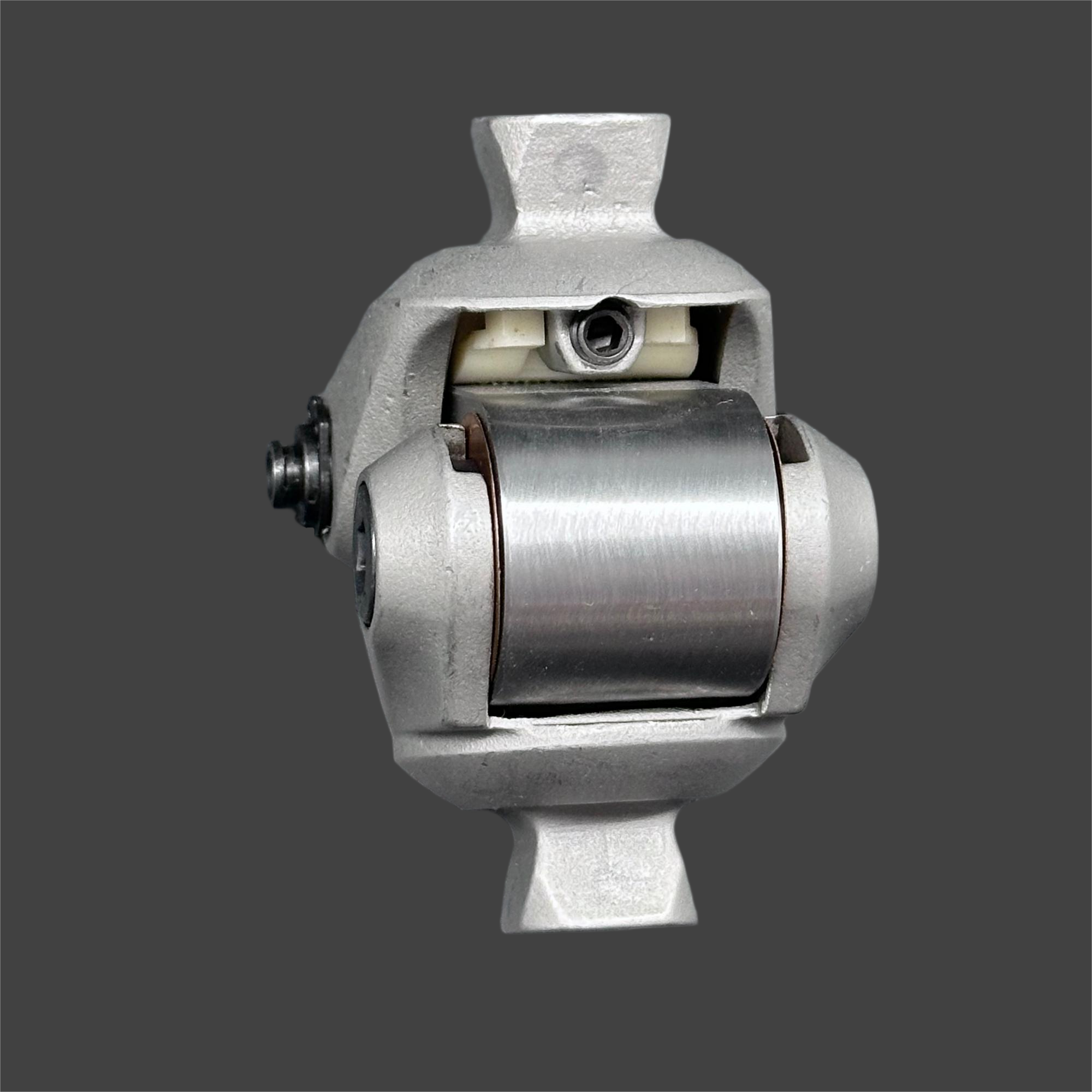
For active amputees, mobility is not a luxury — it is a core part of daily life. Whether swimming at the beach, hiking through rain-soaked trails, or simply showering after a workout, the question of water exposure is constant. A waterproof prosthetic foot has emerged as a critical solution, giving users the freedom to engage with wet environments without fear of damaging their device or risking their safety. As demand for active-lifestyle prosthetics grows, the waterproof prosthetic foot is no longer considered a premium upgrade — it is becoming a baseline expectation.
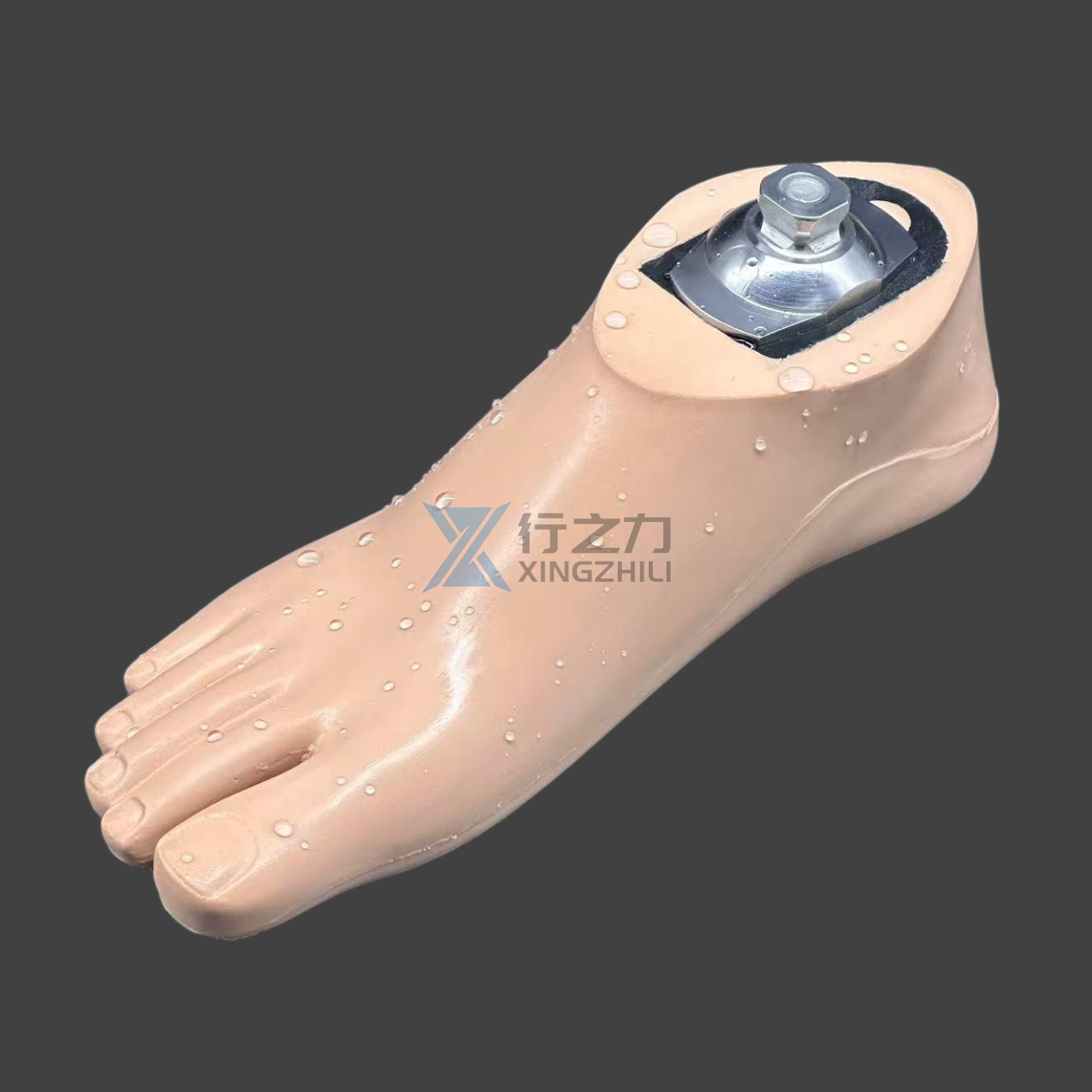
The shift toward waterproof prosthetic foot technology reflects a deeper change in how amputees define their lives. Rehabilitation no longer ends at walking indoors. Today's amputees demand a waterproof prosthetic foot that keeps pace with swimming, sports, travel, and physically demanding professions. Understanding why the waterproof prosthetic foot has become a must-have requires a close look at the real challenges active users face, the engineering that makes these devices reliable, and the lifestyle outcomes that result from choosing the right waterproof prosthetic foot.
Why Water Exposure Is a Daily Reality for Active Amputees
The Limits of Standard Prosthetic Feet Around Water
A conventional prosthetic foot is not designed with water resistance in mind. Internal carbon fiber components, metal hardware, and foam cosmetic covers can absorb moisture, corrode, or degrade when exposed to water regularly. For an amputee who showers, swims, or works outdoors, a standard prosthetic foot quickly becomes a liability. Without a waterproof prosthetic foot, users often face the uncomfortable choice of removing their device for basic hygiene routines or risking costly damage every time they step near water. The waterproof prosthetic foot directly solves this conflict by using sealed, corrosion-resistant materials that withstand full immersion.
Everyday Wet Environments Demand Waterproof Performance
Consider how frequently water appears in a typical active day. Morning showers, wet grass during an early run, rain during a commute, pool therapy sessions, beach vacations — all of these moments put stress on a non-waterproof device. A waterproof prosthetic foot is engineered to handle each of these scenarios without structural compromise. The waterproof prosthetic foot allows users to move through their day without constantly calculating whether their next step involves moisture. This freedom of movement is one of the key reasons the waterproof prosthetic foot is gaining traction across all activity levels, from recreational users to competitive athletes.
Engineering Behind a Reliable Waterproof Prosthetic Foot
Materials and Sealing Technology That Deliver True Waterproofing
A genuine waterproof prosthetic foot is built differently from the ground up. High-performance waterproof prosthetic foot designs incorporate sealed housings, non-corrosive alloys, and water-resistant polymers that prevent moisture ingress even during prolonged submersion. The structural core of a quality waterproof prosthetic foot is typically made from materials such as carbon fiber composites or marine-grade metals that resist degradation in both fresh and salt water. Equally important is the surface finish — a properly engineered waterproof prosthetic foot features smooth, non-porous outer shells that do not trap water, bacteria, or debris. These material choices directly extend the service life of the waterproof prosthetic foot, reducing maintenance costs over time.
Drainage, Stability, and Traction in Wet Conditions
Beyond waterproofing, a well-designed waterproof prosthetic foot must perform safely when wet surfaces are involved. Many waterproof prosthetic foot models include drainage channels or open-architecture frameworks that allow water to flow through the device rather than accumulate inside it. Traction is another critical factor — the sole of a waterproof prosthetic foot should grip slippery surfaces reliably, reducing the risk of falls in poolside or shower environments. Some waterproof prosthetic foot designs also feature flexible keel structures that adapt to uneven wet terrain, giving the user natural gait energy return even when moving across beach sand or wet rocks. A waterproof prosthetic foot that combines drainage, grip, and dynamic response gives active amputees genuine confidence in challenging conditions.
Lifestyle Impact of Choosing a Waterproof Prosthetic Foot
Psychological and Social Benefits Beyond Physical Function
The value of a waterproof prosthetic foot extends well beyond mechanics. For many amputees, the inability to participate in water-based activities creates a significant psychological barrier. Choosing a waterproof prosthetic foot removes that barrier. Users who invest in a waterproof prosthetic foot consistently report higher participation in social activities, greater comfort during travel, and improved confidence when engaging in physical environments that involve water. A waterproof prosthetic foot enables amputees to swim with their children, join recreational sports teams, and travel to destinations that would previously have required leaving their prosthesis behind. These outcomes reinforce why the waterproof prosthetic foot is not a niche product — it is a quality-of-life essential for any active user.
Durability, Hygiene, and Long-Term Value
A waterproof prosthetic foot also delivers measurable practical benefits over time. Standard prosthetic feet that encounter frequent moisture often develop bacterial growth, unpleasant odors, and internal corrosion that shorten device lifespan. A waterproof prosthetic foot, built with non-absorbent and easy-to-clean materials, resists these problems by design. Regular rinsing after water exposure is all that a quality waterproof prosthetic foot typically requires for maintenance. Over a multi-year ownership period, a durable waterproof prosthetic foot reduces the total cost of device care and replacement. For amputees who rely on their waterproof prosthetic foot in physically demanding roles — military service, construction, athletics — this durability translates directly into reliability in the field.
FAQ
Can a waterproof prosthetic foot be used in salt water and chlorinated pools?
Yes. A quality waterproof prosthetic foot is designed to withstand exposure to both salt water and chlorinated pool water. The materials used in a waterproof prosthetic foot are selected specifically for corrosion resistance in these environments. Rinsing the waterproof prosthetic foot with fresh water after each salt or chlorine exposure is recommended to preserve its finish and extend service life.
Is a waterproof prosthetic foot suitable for all amputation levels?
A waterproof prosthetic foot is primarily designed for below-knee (transtibial) amputees, though some configurations are compatible with above-knee prosthetic systems depending on the adapter and socket setup. A certified prosthetist can assess whether a specific waterproof prosthetic foot model is suitable for a particular amputation level and activity profile. Proper fitting is essential to ensure the waterproof prosthetic foot provides both safe performance and comfort.
How do I know if a waterproof prosthetic foot matches my activity level?
Waterproof prosthetic foot products are typically classified by activity level categories, ranging from limited household mobility to high-impact athletic use. Selecting the right waterproof prosthetic foot starts with an honest assessment of your daily physical demands, then matching those demands to the device's rated performance category. Your prosthetist can help identify a waterproof prosthetic foot model that provides the appropriate stiffness, energy return, and waterproofing grade for your lifestyle.