
 EN
EN


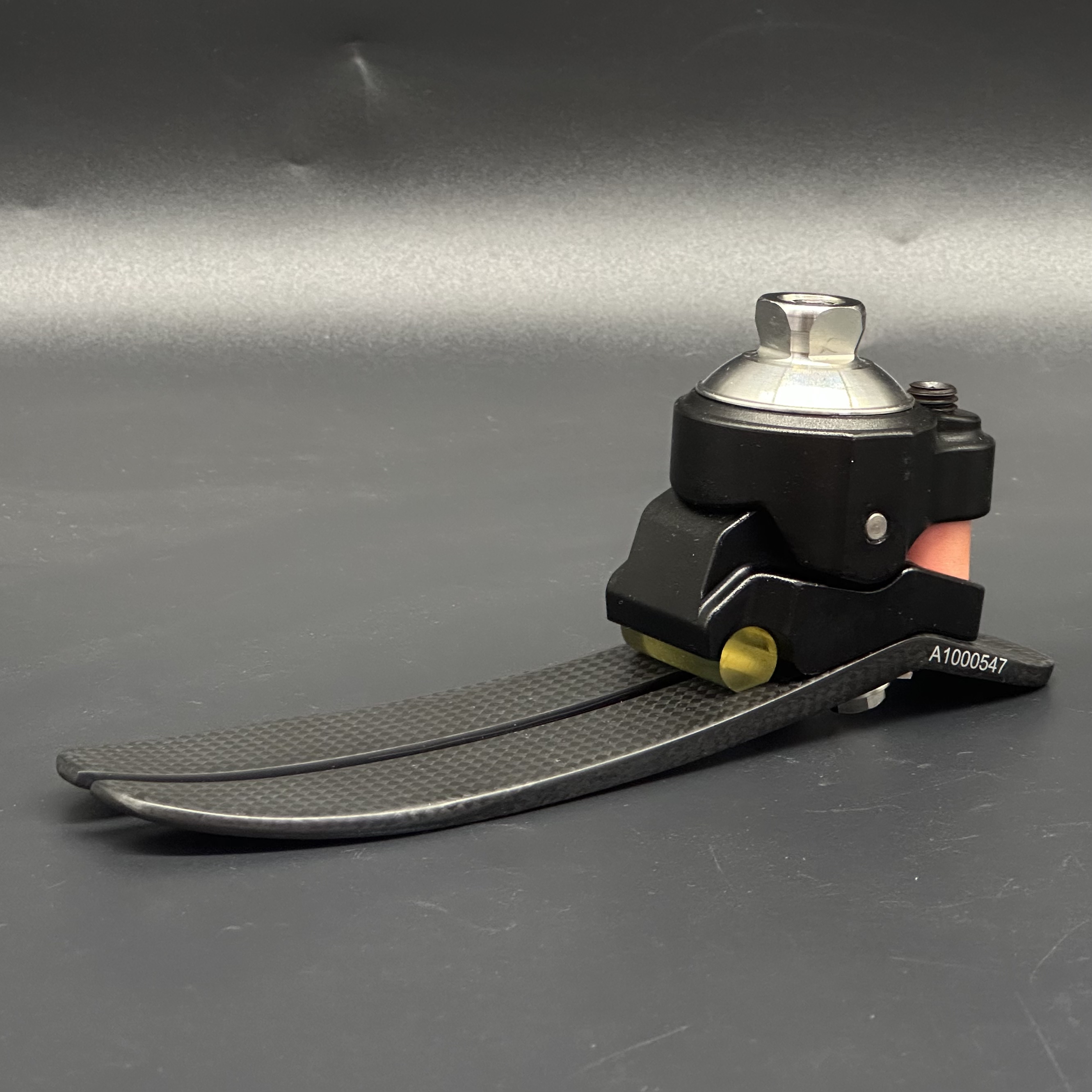
For many people living with limb loss, the question of returning to running feels distant and uncertain. A high-activity prosthesis is specifically engineered to close that gap, offering the structural energy return and dynamic response that everyday prosthetic feet cannot provide. If running has been part of your identity, understanding what a high-activity prosthesis can do is the first step toward reclaiming it.
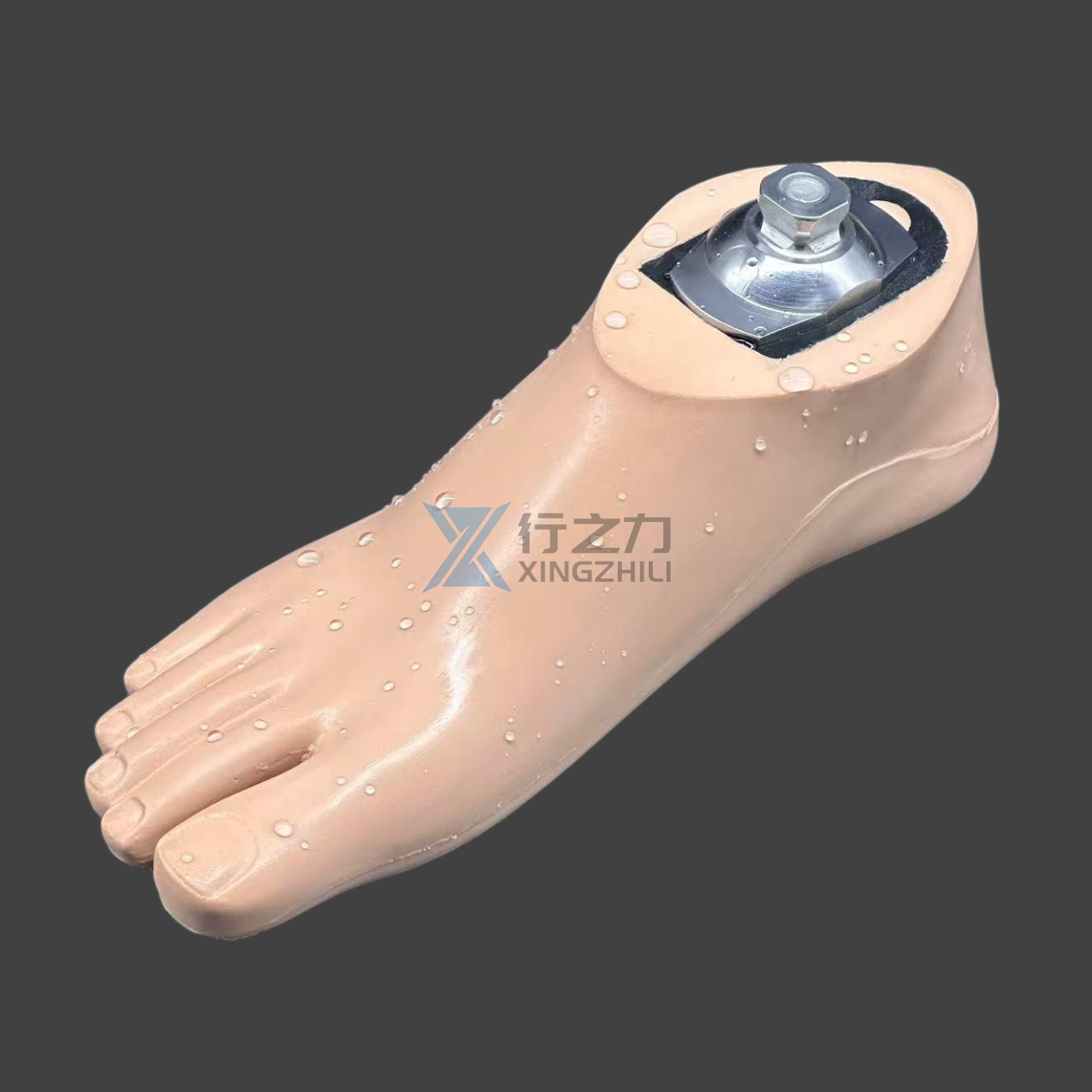
The path from limb loss to running again is not simple, but a high-activity prosthesis makes it far more achievable than it once was. Modern high-activity prosthesis designs respond to the biomechanical demands of athletic movement, providing stability during push-off, shock absorption on impact, and the kind of energy return that propels each stride forward. Choosing the right high-activity prosthesis is therefore not just a medical decision — it is a lifestyle decision rooted in your personal goals.
What Makes a High-Activity Prosthesis Different
Engineering Built Around Dynamic Motion
A standard prosthetic foot is designed for walking on flat surfaces at moderate speeds. A high-activity prosthesis, by contrast, is built to handle the forces that running and vigorous activity generate. When you run, the load through your residual limb increases significantly compared to walking, and only a high-activity prosthesis is structured to manage that stress safely. The carbon fiber or composite materials used in a high-activity prosthesis allow it to flex under load and then spring back, mimicking the natural ankle and forefoot push-off that biological limbs perform. This energy-return mechanism is what separates a high-activity prosthesis from a conventional foot component.
Activity Classification and the Right Fit
Prosthetists classify users by activity level, typically on a scale from K1 to K4. A high-activity prosthesis is generally prescribed at the K3 or K4 level, meaning the user has the ability to walk at variable cadence and perform high-impact activities. If your rehabilitation goal includes running, your care team will assess whether a high-activity prosthesis is appropriate based on your residual limb health, socket fit, and overall cardiovascular fitness. Receiving a high-activity prosthesis without the right socket interface or alignment will limit outcomes, so the full clinical picture matters as much as the device itself.
How a High-Activity Prosthesis Supports the Return to Running
Biomechanical Support During Running Gait
Running with a high-activity prosthesis requires learning a gait pattern that differs slightly from natural running. The high-activity prosthesis stores energy during the loading phase and releases it at toe-off, but the user must engage their core and residual limb actively to guide that motion. Physical therapists who specialize in prosthetic rehabilitation often describe the process as retraining the nervous system to trust the high-activity prosthesis as an extension of the body. Over weeks of practice, most active users find that their confidence with the high-activity prosthesis grows rapidly, and running pace and distance improve in measurable steps. The high-activity prosthesis essentially becomes a partner in movement rather than a passive support device.
Waterproofing and Real-World Durability
One practical concern for anyone returning to outdoor activity is weather and terrain. A high-activity prosthesis designed with waterproof materials opens up training environments that would otherwise be off-limits, including beach running, trail routes in wet conditions, and pool-side rehabilitation. Durability under repeated athletic stress is another critical factor — a high-activity prosthesis used for running absorbs thousands of impact cycles per training session. Choosing a high-activity prosthesis with a robust, weatherproof construction extends its service life and reduces maintenance costs over time. This combination of athletic performance and everyday resilience is why waterproof-rated high-activity prosthesis models have grown in popularity among active users.
Who Benefits Most From a High-Activity Prosthesis
Candidates With Strong Rehabilitation Foundations
Not every person with limb loss will immediately qualify for a high-activity prosthesis, and that is an important clinical reality. The ideal candidate for a high-activity prosthesis has completed primary rehabilitation, achieved stable socket fit, and demonstrated the cardiovascular endurance to sustain running-level exertion. Younger amputees and those who were athletes before their amputation often adapt to a high-activity prosthesis more quickly, but age alone is not a barrier. Adults in their fifties and sixties have successfully returned to recreational running with a high-activity prosthesis when they approach the process with consistent training and clinical support. The high-activity prosthesis rewards dedication and progressive loading — those who follow structured programs see the strongest outcomes.
Lifestyle Goals Beyond the Track
It is worth noting that a high-activity prosthesis does not only serve runners. Hikers, cyclists, swimmers, and people who simply want to move through their daily life at an energetic pace all benefit from a high-activity prosthesis. The increased responsiveness of a high-activity prosthesis improves balance on uneven terrain, reduces compensatory strain on the sound limb, and contributes to better long-term musculoskeletal health. Choosing a high-activity prosthesis for everyday use rather than waiting until formal 'athletic training' begins is a strategy that many prosthetists recommend. The sooner a user adapts to the dynamic feedback of a high-activity prosthesis, the more natural it begins to feel across all environments.
FAQ
How long does it take to learn to run with a high-activity prosthesis?
Most users begin to feel comfortable jogging with a high-activity prosthesis within three to six months of consistent rehabilitation. The exact timeline depends on residual limb health, prior fitness level, and how frequently the user practices with the high-activity prosthesis under guided supervision. Progress is individual, and setting incremental goals helps maintain motivation throughout the adaptation period.
Is a high-activity prosthesis covered by insurance?
Coverage for a high-activity prosthesis varies by country, insurance plan, and clinical justification. In many cases, a prosthetist must document that the high-activity prosthesis is medically necessary based on the user's functional classification and rehabilitation goals. It is advisable to work with both your clinical team and insurance provider early to understand what documentation supports a high-activity prosthesis claim.
Can a high-activity prosthesis also be used for everyday walking?
Yes, many users wear a high-activity prosthesis as their primary device throughout the day. A well-fitted high-activity prosthesis handles walking, standing, and low-impact activity effectively, and the energy-return properties that support running also make casual walking feel more fluid and less fatiguing. Some users maintain a second, lighter component for rest days, but a high-activity prosthesis is fully capable of serving as an all-day solution.