
 EN
EN



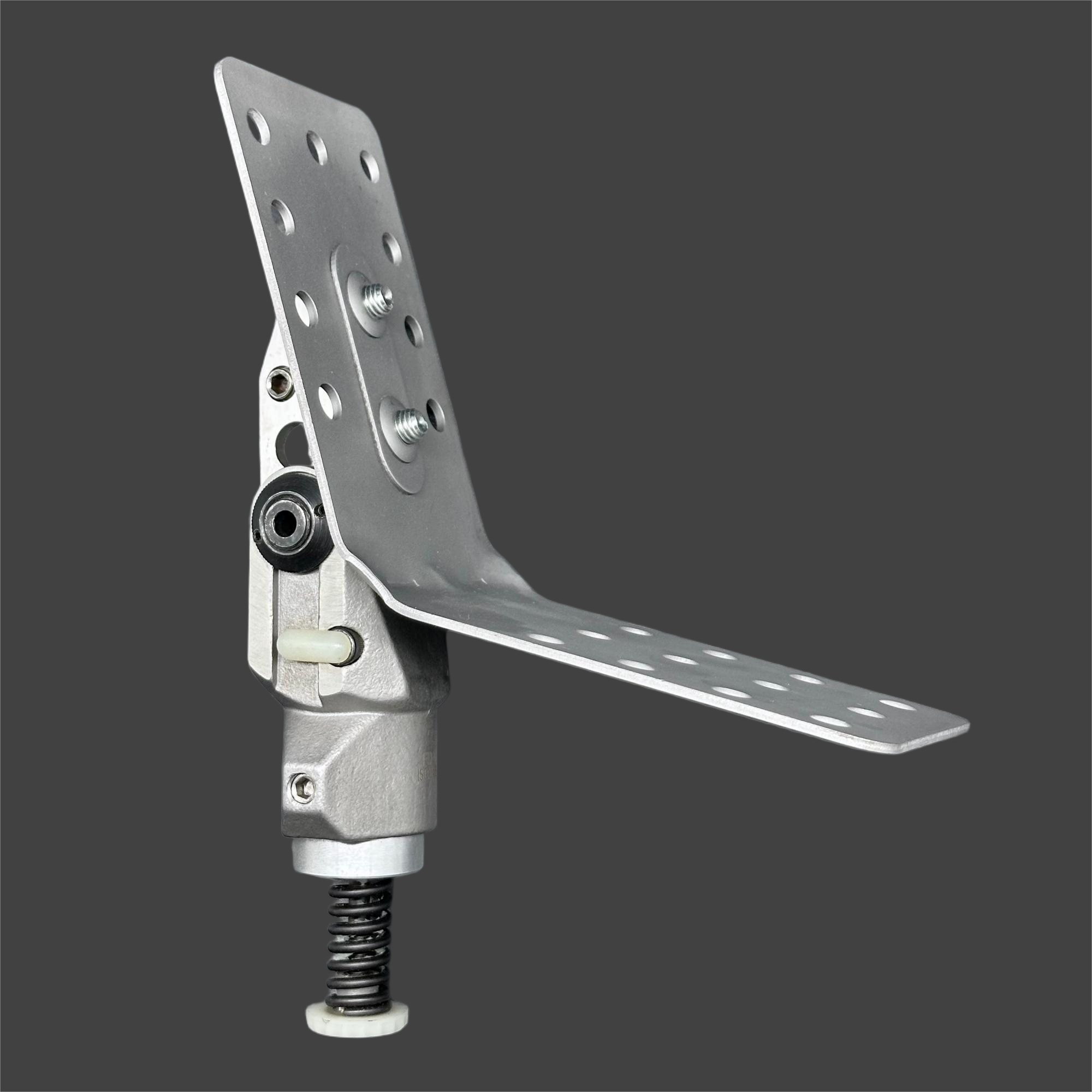
A prosthesis liner sits directly against your residual limb for hours every day, making proper cleaning and care absolutely essential. When a prosthesis liner is not cleaned correctly, bacteria, sweat, and residual skin oils accumulate inside the sleeve, creating conditions that lead to skin irritation, rashes, and even infection. Understanding a consistent care routine for your prosthesis liner is not simply about hygiene — it is about protecting your skin, preserving the integrity of the liner material, and ensuring your overall comfort throughout every activity.
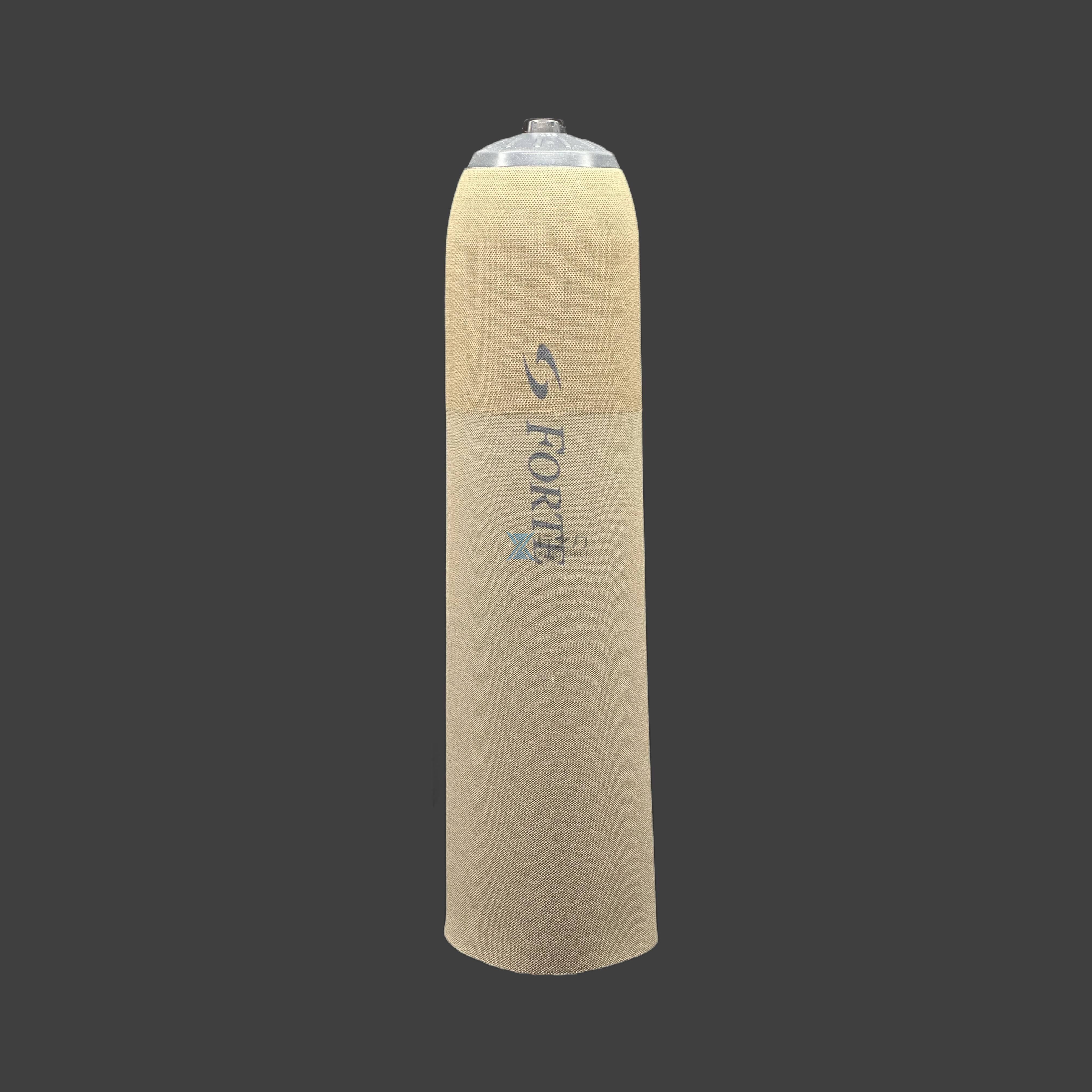
Many prosthesis liner users experience skin problems not because of the liner itself, but because of inadequate daily maintenance. Whether you use a silicone prosthesis liner, a urethane model, or a gel-based sleeve, the fundamental principles of cleaning and care remain consistent. This guide walks you through every critical step, from daily washing methods to long-term storage practices, so your prosthesis liner stays clean, functional, and safe for your skin day after day.
Daily Cleaning Routine for a Prosthesis Liner
Washing the Prosthesis Liner After Each Use
The most important habit for any prosthesis liner user is cleaning the liner every single day after removal. At the end of your day, turn the prosthesis liner inside out to expose the interior surface that was in contact with your skin. Use mild, fragrance-free soap and lukewarm water to gently wash the inner surface of the prosthesis liner. Avoid harsh detergents, alcohol-based products, or abrasive scrubbing tools, as these can degrade the silicone or gel material and cause microscopic damage that shortens the life of the prosthesis liner significantly.
After washing, rinse the prosthesis liner thoroughly to remove all soap residue. Leftover soap on the prosthesis liner can cause skin reactions, particularly for users with sensitive skin. Pat the liner dry gently with a soft, clean towel, then allow it to air dry completely before storage. Never use a hairdryer or direct heat source on a prosthesis liner, as excessive heat degrades the elastomeric material and distorts the shape of the prosthesis liner over time.
Cleaning the Outer Surface and the Pin or Locking Mechanism
Beyond the inner surface, the outer shell of the prosthesis liner also collects debris and perspiration residue. Wipe the outer surface of the prosthesis liner with a damp, lint-free cloth after each use. If your prosthesis liner uses a locking pin at the distal end, check and clean around the pin area carefully to prevent buildup that could affect the suspension mechanism. A clean, well-maintained pin ensures your prosthesis liner connects securely to the prosthetic socket without slippage during daily activities.
Protecting Your Skin When Using a Prosthesis Liner
Residual Limb Preparation Before Wearing
Skin protection begins before you even put on your prosthesis liner. Always wash your residual limb with mild soap and warm water in the morning, then dry it completely before rolling on the prosthesis liner. Moisture trapped between your skin and the prosthesis liner creates a breeding environment for bacteria, which is a leading cause of folliculitis and skin breakdown in prosthesis liner users. Some clinicians recommend applying a very thin layer of skin-conditioning lotion to the residual limb at night only, keeping the limb dry and clean in the morning before the prosthesis liner is donned.
Inspect your residual limb regularly for signs of redness, blistering, or unusual pressure marks. If irritation develops under the prosthesis liner, consult your prosthetist promptly rather than continuing to wear the same liner without investigation. Persistent skin reactions under a prosthesis liner often signal a fit problem, a hygiene issue, or a need to replace the liner with a new model.
Wearing Duration and Skin Recovery Periods
Even with a perfectly clean prosthesis liner, the skin beneath it requires periodic breaks throughout the day. Remove your prosthesis liner for brief rest periods when possible, allowing your skin to breathe and recover from compression. This practice is especially important during warm weather, when sweating under the prosthesis liner increases dramatically. Excess moisture under the prosthesis liner during warm conditions accelerates skin maceration and irritation, so monitoring your skin condition closely during summer months is a wise preventive approach.
Long-Term Care and Storage of a Prosthesis Liner
Proper Storage to Preserve Liner Integrity
How you store your prosthesis liner when it is not in use directly affects how long it remains functional. Store the prosthesis liner in a cool, dry location away from direct sunlight and away from sharp objects that could puncture or tear the material. Many users store their prosthesis liner on a liner stand or rolled gently in its natural shape to prevent creasing. Folding a prosthesis liner sharply or leaving it compressed under weight can create weak points in the material that eventually cause tears, reducing the suspension performance of the prosthesis liner.
Avoid storing the prosthesis liner near petroleum-based products, solvents, or strong chemical cleaners. These substances can permeate silicone and gel materials, compromising the structural integrity of the prosthesis liner and making it unsafe for contact with sensitive residual limb skin. A dedicated storage case or bag for the prosthesis liner keeps it protected from environmental exposure between uses.
Knowing When to Replace Your Prosthesis Liner
Even with excellent care, every prosthesis liner has a finite lifespan. Most silicone prosthesis liner products need replacement every three to six months under regular daily use, though this varies based on the individual's activity level, body chemistry, and how consistently care routines are followed. Signs that a prosthesis liner needs replacement include visible tears, loss of elasticity, persistent odor that does not resolve with cleaning, or a noticeable decline in suspension quality. Using a worn-out prosthesis liner increases the risk of skin breakdown significantly, so timely replacement is part of responsible prosthesis liner care.
FAQ
How often should I clean my prosthesis liner?
You should clean your prosthesis liner every day after removing it. Daily washing with mild soap and lukewarm water prevents bacterial buildup and protects your residual limb skin from irritation and infection caused by a dirty prosthesis liner.
Can I use alcohol or disinfectant wipes on my prosthesis liner?
It is generally not recommended to use alcohol-based products or strong disinfectant wipes on a prosthesis liner. These substances can break down the silicone or gel material of the prosthesis liner over time, reducing its elasticity and shortening its usable life. Stick to mild soap and water for regular prosthesis liner cleaning.
Why does my skin get irritated even when I clean my prosthesis liner regularly?
Skin irritation under a prosthesis liner can result from several factors beyond hygiene, including improper fit, material sensitivity, or a liner that needs replacement. If skin reactions persist despite consistent prosthesis liner cleaning, consult your prosthetist to evaluate the liner fit and explore whether a different prosthesis liner model may be more suitable for your residual limb condition.