
 EN
EN


What New Materials Are Making Knee Joint Implants Last Longer?
Advanced Engineering Materials for Enhancing the Longevity of External Knee Joint Support Systems
Material Innovation in High Performance Rehabilitation Equipment for Knee Joint Stability
In the specialized realm of prosthetic manufacturing and orthopedic design, the selection of materials for external Knee Joint support is a critical factor that determines the device's functional life and the user's quality of life. Unlike surgical implants, external Knee Joint aids must endure a diverse range of environmental stressors, including varying humidity levels, physical impacts, and the constant friction of mechanical movement. To address these challenges, material science has evolved to utilize advanced polymers and composite structures that provide exceptional fatigue resistance and structural integrity. Why is the choice of material so decisive in the longevity of a Knee Joint system? The answer lies in the material's ability to maintain its mechanical properties under millions of load cycles, which is essential for ensuring that the Knee Joint remains stable and responsive. Fujian Guozi Rehabilitation Medical Co., Ltd. has dedicated over 65 years to perfecting these solutions, combining historical expertise with modern high-tech manufacturing. By integrating materials that mimic the natural dampening effects of human tissue while providing the rigidity of skeletal structures, we can produce Knee Joint accessories that drastically reduce wear and tear. This focus on durability is not just about extending the product's life; it is about providing a reliable foundation for those relying on Knee Joint support for their daily mobility.
Structural Integrity of Advanced Composites in Rehabilitation
Carbon Fiber Reinforcement for Dynamic Knee Joint Load Distribution
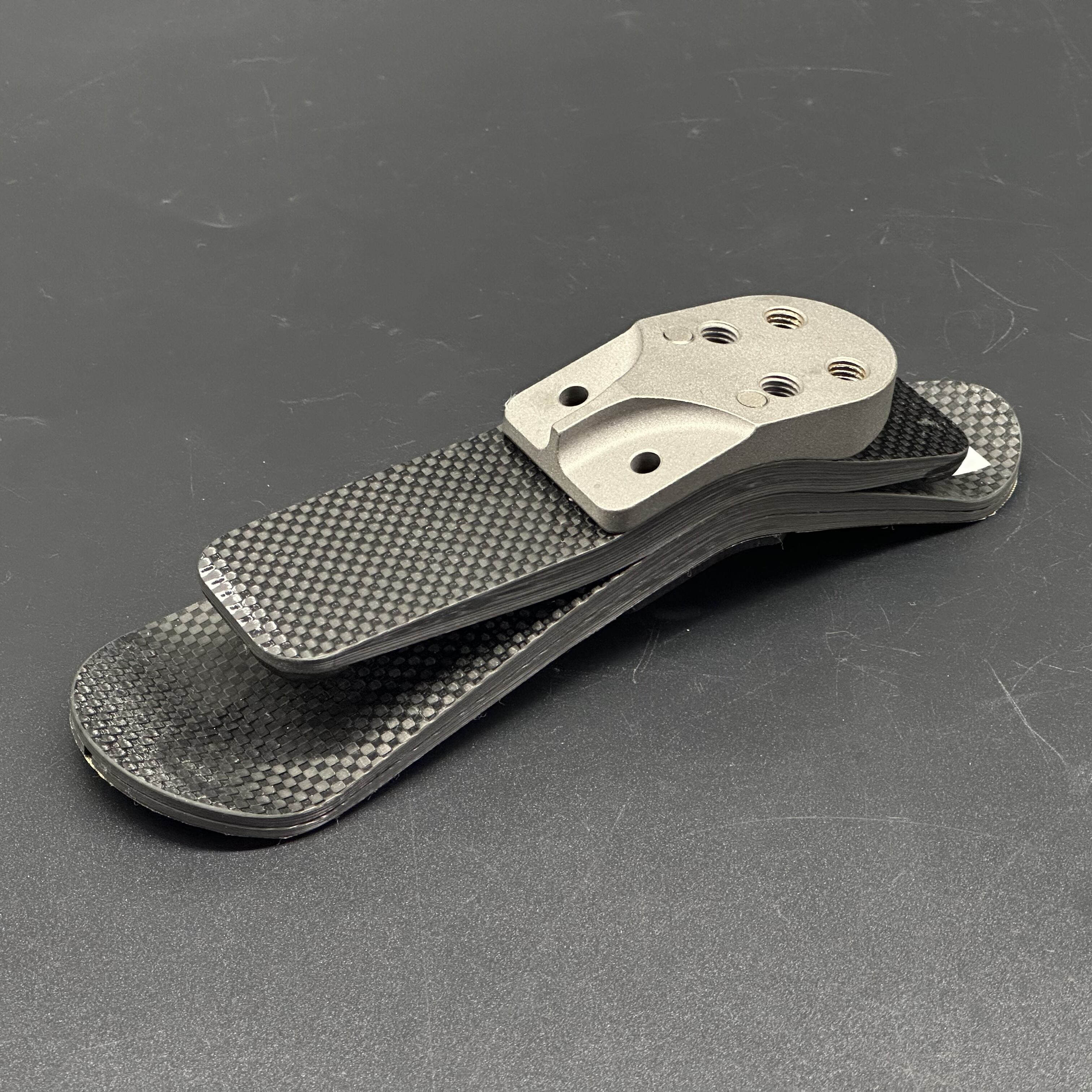
Carbon fiber reinforced polymers have revolutionized the construction of external Knee Joint supports by offering an unparalleled strength-to-weight ratio. This material allows for the creation of Knee Joint frames that are incredibly lightweight yet capable of supporting significant body weight during high-impact activities. How does carbon fiber contribute to the long-term reliability of a Knee Joint device? Its high tensile strength prevents structural deformation, ensuring that the alignment of the Knee Joint remains precise even after years of use. Furthermore, carbon fiber's inherent resistance to corrosion makes it an ideal candidate for Knee Joint systems used in diverse climates. By strategically layering the fibers, engineers can tune the flexibility of the Knee Joint support to provide energy return during the gait cycle, which reduces the mechanical strain on the hardware itself.
Aerospace Grade Alloys for Precision Knee Joint Component Assembly
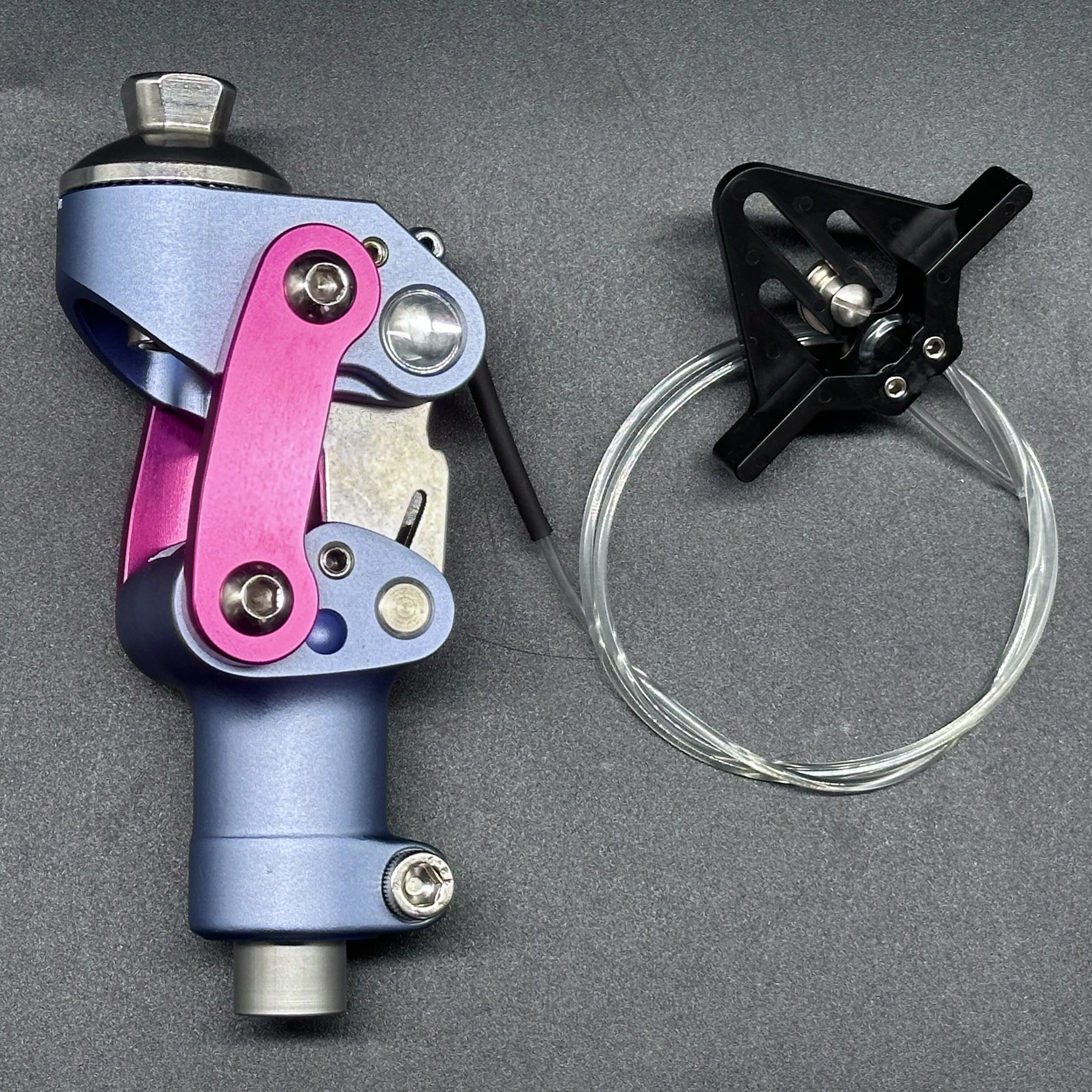
The use of aerospace-grade aluminum and titanium alloys in Knee Joint assemblies provides a robust framework that can withstand intense torsional forces. These metals are selected for their ability to be machined into high-precision components that form the core of the Knee Joint hinge mechanism. Why is metal purity so important for the longevity of a Knee Joint frame? High-quality alloys are less prone to microscopic stress fractures which can lead to catastrophic failure in lower-grade Knee Joint supports. Through advanced surface treatments like anodization, these metallic Knee Joint parts gain a protective layer that minimizes friction and prevents the accumulation of debris in moving parts. This meticulous attention to metalwork ensures that every Knee Joint produced maintains its smooth operation and structural safety throughout its entire service duration.
Polyurethane Technology in Durable Prosthetic Design
Historical Milestones in Polyurethane Production for Knee Joint Accessories
Fujian Guozi Rehabilitation Medical Co., Ltd. holds a unique position in the history of material application, having introduced China's first polyurethane foot production line in 1989 with the support of the United Nations Industrial Development Organization. This breakthrough allowed for the mass production of high-performance polyurethane components that serve as critical interfaces in Knee Joint prosthetic systems. How did this UNIDO assistance transform the quality of Knee Joint support materials? It provided the technical foundation for creating polyurethane parts with superior shock absorption and tear resistance, which are essential for protecting the mechanical Knee Joint from sudden impacts. Our 65 years of industry experience have allowed us to refine these polyurethane formulas specifically for Knee Joint applications, ensuring a level of durability that newer competitors struggle to match.
The Role of Dynamic Foot Technology in Knee Joint Stress Reduction
The development of the first China-made dynamic foot and its subsequent patents by Fujian Guozi has had a profound impact on the longevity of Knee Joint assemblies. By providing a flexible, energy-storing base, the dynamic foot absorbs much of the kinetic energy that would otherwise be transmitted directly to the mechanical Knee Joint. This synergy between the foot and the Knee Joint reduces the peak loads experienced by the joint's bearings and linkages. Is it possible to improve Knee Joint life by optimizing the distal components? Absolutely, as the dampening effect of our patented dynamic foot technology acts as a buffer, preventing the repetitive jarring that causes material fatigue in the Knee Joint structure. This holistic approach to prosthetic design ensures that each component, from the foot to the Knee Joint, works in harmony to provide a long-lasting and efficient mobility solution.
Mechanical Performance and Maintenance of External Support Systems
Rigorous Testing Protocols for Knee Joint Durability Verification
To guarantee that every Knee Joint support system meets international quality standards, rigorous cyclical testing is performed to simulate years of heavy use. During these tests, the Knee Joint is subjected to hundreds of thousands of flexions under varying loads to identify any potential material weaknesses. What does this level of testing mean for the end user of a Knee Joint device? It provides the assurance that the materials, whether they are polymers or alloys, can handle the rigors of daily life without losing their functional precision. By analyzing the data from these Knee Joint stress tests, we can continuously refine our manufacturing processes to eliminate points of friction that might lead to premature Knee Joint wear.
Surface Protection and Maintenance for Long Term Knee Joint Efficiency
Maintaining the surface integrity of Knee Joint components is essential for preventing the degradation of the underlying materials. Specialized coatings are applied to both the high-polymeric and metallic surfaces of the Knee Joint to resist chemicals, UV radiation, and moisture. How can simple maintenance routines further enhance the life of a Knee Joint system? Regularly cleaning the moving parts of the Knee Joint prevents abrasive particles from acting like sandpaper on the precision-machined surfaces. By providing users with clear guidelines on how to care for their Knee Joint support, we empower them to preserve the material quality and mechanical accuracy of their devices. This proactive approach to Knee Joint care ensures that the advanced materials used in construction can perform at their peak for as long as possible.
Industrial Leadership in Rehabilitation Aid Manufacturing
Leveraging Decades of Expertise in Knee Joint System Fabrication
Since its establishment in 1959, Fujian Guozi Rehabilitation Medical Co., Ltd. has evolved into a high-tech enterprise that manages the entire industry chain of rehabilitation aids, with a heavy focus on Knee Joint solutions. This comprehensive control over the manufacturing process allows us to select only the most durable materials for our Knee Joint components. How does a 65-year legacy influence the quality of modern Knee Joint devices? It provides a vast database of material performance in real-world conditions, allowing us to avoid the pitfalls common in the production of Knee Joint supports. Our status as a specialized enterprise means that every Knee Joint we produce is a culmination of decades of research, development, and feedback from the global rehabilitation community.
Integration of Patent Protected Technologies in Knee Joint Design
The patents held by Fujian Guozi in the field of rehabilitation aids are a testament to our commitment to innovation in Knee Joint technology. These patents cover unique structural designs and material applications that specifically address the problem of mechanical wear in Knee Joint systems. By utilizing these exclusive technologies, we can offer Knee Joint supports that distribute weight more evenly and reduce the stress on critical pivot points. What advantage does a patent-protected design provide to the user of a Knee Joint aid? It ensures that they are using a product that has been scientifically proven to provide superior stability and longevity compared to generic Knee Joint alternatives. Our continuous investment in research ensures that our Knee Joint systems remain at the cutting edge of durability and performance.
FAQ
What are the most durable materials used in external Knee Joint supports
The most durable materials for external Knee Joint supports include carbon fiber composites, aerospace-grade aluminum alloys, and high-performance polyurethane. Carbon fiber provides a rigid, lightweight frame for the Knee Joint, while alloys are used for the high-precision moving parts that require extreme strength. High-performance polyurethane is often used in the foot and connection components of the Knee Joint system to provide shock absorption and protect the mechanical parts from impact-related damage.
How does Fujian Guozi ensure the quality of its Knee Joint components
Fujian Guozi ensures the quality of its Knee Joint components by leveraging over 65 years of manufacturing experience and maintaining a full industry chain. Our process includes the use of China's first polyurethane production technology and patented designs for dynamic feet that work in tandem with the Knee Joint. Every Knee Joint device undergoes strict quality control and stress testing based on standards established during our long history of international cooperation, including assistance from UNIDO.
Can the material of a prosthetic foot affect the life of a Knee Joint
Yes, the material and design of a prosthetic foot can significantly affect the lifespan of a Knee Joint. A high-quality dynamic foot, like the ones pioneered by Fujian Guozi, absorbs shock and vibration during walking. This reduces the amount of mechanical stress transferred to the Knee Joint assembly, thereby preventing premature wear of the bearings and structural components. By using energy-returning materials in the foot, the entire Knee Joint system experiences less friction and stress.
What is the difference between external Knee Joint aids and medical implants
External Knee Joint aids are non-invasive devices, such as prosthetics or orthotic braces, designed to provide support, stability, and mobility to the user from outside the body. Unlike medical implants, which are surgically placed inside the body to replace a biological Knee Joint, external aids must be durable enough to withstand environmental factors and provide structural support for the user's weight during activity. These devices focus on mechanical engineering and material science to ensure a long service life without the need for surgery.
Table of Contents
- Material Innovation in High Performance Rehabilitation Equipment for Knee Joint Stability
- Structural Integrity of Advanced Composites in Rehabilitation
- Polyurethane Technology in Durable Prosthetic Design
- Mechanical Performance and Maintenance of External Support Systems
- Industrial Leadership in Rehabilitation Aid Manufacturing
- FAQ