
 EN
EN



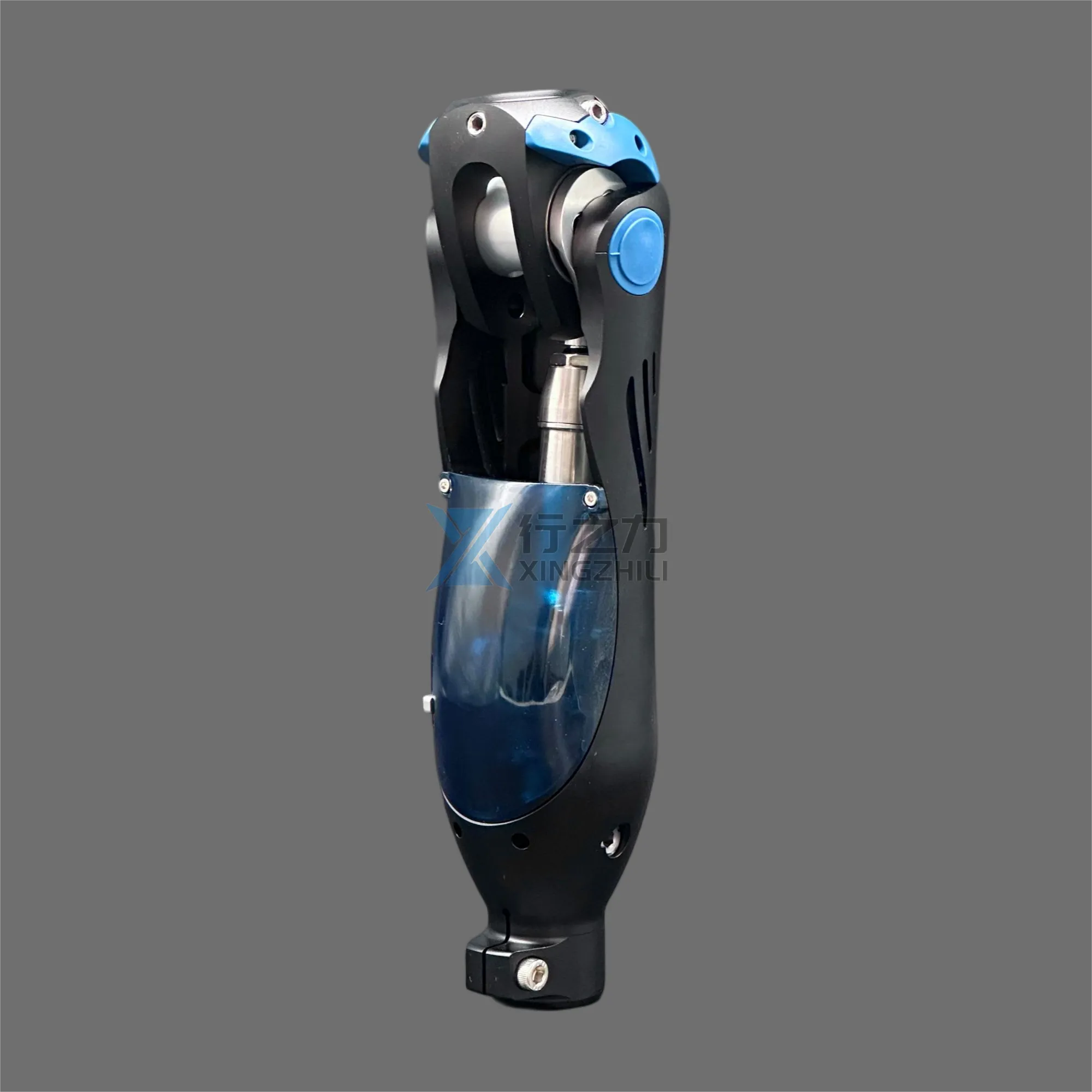
The advancement of prosthetic technology has revolutionized mobility for individuals with limb differences, and one of the most significant breakthroughs involves the integration of carbon fiber materials into prosthetic design. A lightweight prosthetic limb constructed with carbon fiber components offers distinct advantages that directly impact energy return during ambulation. Energy return refers to the ability of a prosthetic foot or limb system to store mechanical energy during the loading phase of gait and release it during push-off, mimicking the natural spring-like behavior of biological tendons and muscles. The question of whether carbon fiber components enhance this crucial biomechanical property has profound implications for prosthetic users seeking improved function, reduced metabolic cost, and enhanced quality of life. Understanding the mechanics behind energy storage and release in carbon fiber prosthetics requires examining material properties, structural design, and real-world performance outcomes that distinguish these advanced systems from traditional alternatives.
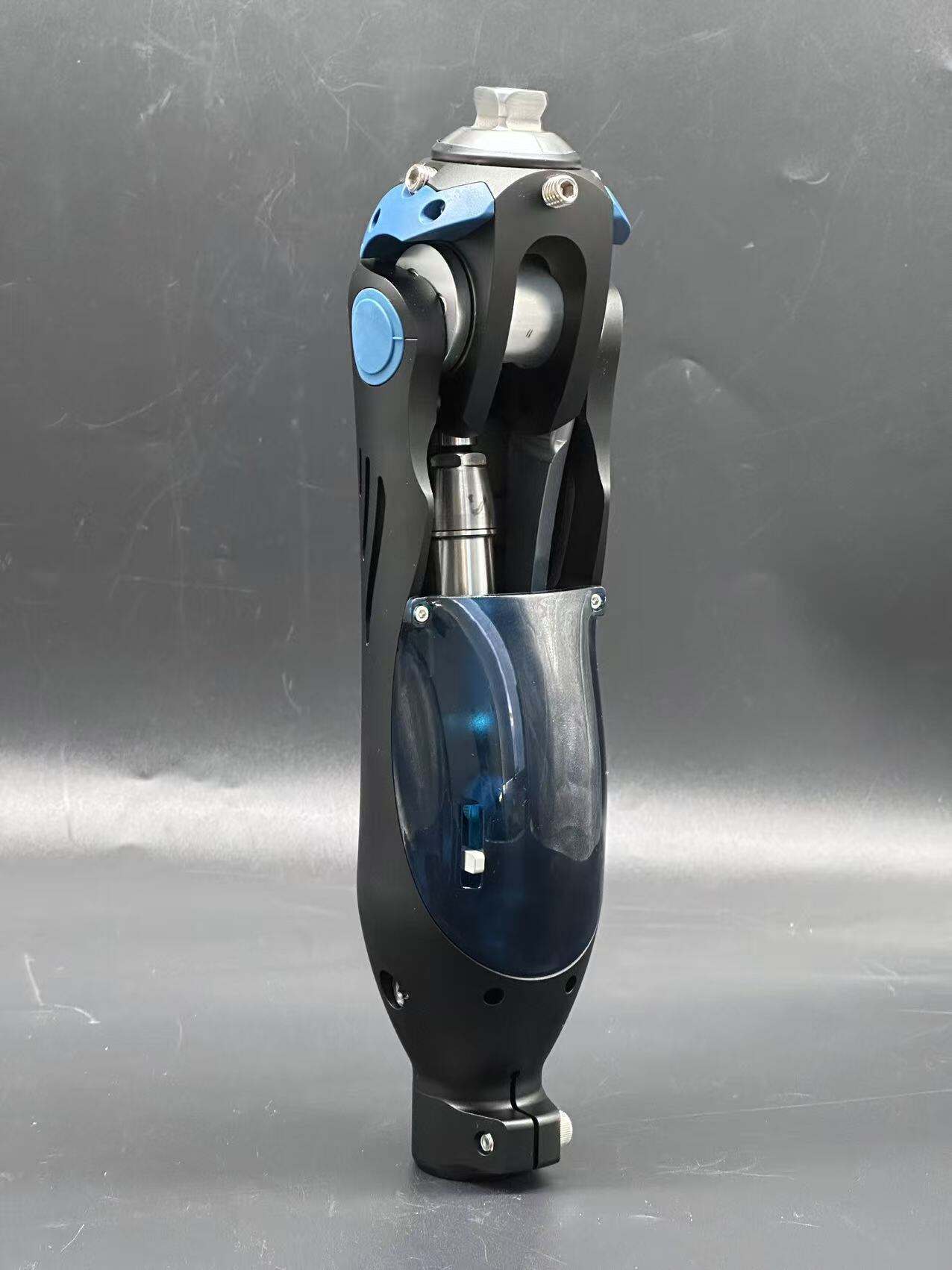
Carbon fiber has emerged as the material of choice for high-performance prosthetic components due to its exceptional strength-to-weight ratio, elastic properties, and fatigue resistance. When incorporated into a lightweight prosthetic limb, carbon fiber elements create a dynamic response system that actively participates in the gait cycle rather than serving as passive structural supports. The biomechanical efficiency of a prosthetic device is measured not only by its ability to support body weight but also by how effectively it can convert and return stored energy to propel the user forward. This energy return capacity directly reduces the metabolic effort required for walking or running, which translates into less fatigue, greater endurance, and improved functional outcomes. For prosthetic users, especially those with active lifestyles or athletic pursuits, the difference between a conventional prosthetic limb and a carbon fiber-based lightweight prosthetic limb can be transformative in terms of performance capabilities and daily activity levels.
Material Science Behind Carbon Fiber Energy Storage in Prosthetic Systems
Structural Composition and Elastic Modulus Characteristics
Carbon fiber composite materials used in lightweight prosthetic limb construction consist of thin strands of carbon atoms bonded together in crystalline structures, embedded within a resin matrix that provides shape and protection. This composite architecture delivers an elastic modulus that allows controlled deformation under load followed by complete recovery to original shape. The elastic behavior is critical for energy return because it enables the prosthetic component to flex during heel strike and mid-stance, storing potential energy that releases during toe-off to assist propulsion. Unlike metals or rigid plastics, carbon fiber composites can be engineered with specific layup patterns and fiber orientations that optimize stiffness in certain directions while maintaining flexibility in others. This anisotropic property allows prosthetists to customize the mechanical response of a lightweight prosthetic limb to match individual user characteristics such as body weight, activity level, and gait pattern.
Energy Absorption and Release Mechanisms
The energy return cycle in a carbon fiber lightweight prosthetic limb follows a predictable sequence aligned with the phases of human gait. During initial contact and loading response, vertical ground reaction forces compress the prosthetic foot or knee component, causing controlled deflection of the carbon fiber elements. This deformation stores strain energy within the molecular structure of the carbon fiber composite, similar to how a spring stores energy when compressed. As the gait cycle progresses through mid-stance to terminal stance, the stored energy remains captured within the flexed carbon fiber until the moment of push-off. At toe-off, the prosthetic component rapidly returns to its neutral position, releasing the stored energy and contributing to forward propulsion. Research has demonstrated that high-quality carbon fiber prosthetic feet can return up to 90% of the energy absorbed during loading, significantly higher than conventional prosthetic designs that may return only 60-70% of absorbed energy. This difference in energy return efficiency has measurable effects on walking speed, metabolic cost, and user satisfaction with their lightweight prosthetic limb.
Fatigue Resistance and Long-Term Performance
One of the most important characteristics of carbon fiber in prosthetic applications is its resistance to fatigue failure despite repeated loading cycles. A typical prosthetic user takes thousands of steps daily, subjecting their lightweight prosthetic limb to continuous stress-strain cycles that would cause premature failure in many materials. Carbon fiber composites maintain their elastic properties and energy return capacity through millions of loading cycles when properly manufactured and maintained. The fatigue resistance stems from the material's homogeneous structure and the absence of defects that propagate cracks in metals. This durability ensures that the energy return performance of a carbon fiber lightweight prosthetic limb remains consistent over years of use, providing reliable function without degradation of mechanical properties. The long-term stability of carbon fiber components also means that users can depend on predictable biomechanical performance during varied activities, from casual walking to athletic pursuits, without concern about sudden changes in prosthetic response.
Biomechanical Advantages of Energy Return in Daily Function
Reduction in Metabolic Energy Expenditure
The enhanced energy return provided by carbon fiber components in a lightweight prosthetic limb directly translates into reduced metabolic cost during ambulation. Studies using oxygen consumption measurements have shown that prosthetic users walking with energy-storing carbon fiber feet demonstrate lower metabolic rates compared to walking with conventional prosthetic designs. This reduction occurs because the prosthetic device contributes mechanical energy to propulsion, reducing the muscular work required from the user's sound limb and residual limb musculature. For individuals with transtibial or transfemoral amputations, walking already requires significantly more energy than able-bodied gait due to asymmetric loading patterns and compensatory movements. A lightweight prosthetic limb that efficiently returns energy helps to offset this increased metabolic demand, allowing users to walk longer distances with less fatigue. The metabolic benefits become even more pronounced during activities requiring higher energy expenditure, such as ascending stairs, walking on inclines, or running, where the energy storage and release cycle repeats more rapidly and with greater force magnitudes.
Improved Gait Symmetry and Walking Speed
Energy return from carbon fiber components in a lightweight prosthetic limb promotes more symmetrical gait patterns by providing propulsive assistance that more closely approximates biological ankle function. Natural human gait relies heavily on the elastic energy storage in the Achilles tendon and plantarflexor muscles, which contribute approximately 35% of the mechanical work during push-off. When a prosthetic device can replicate even a portion of this energy return, prosthetic users experience improved stride length, reduced step-to-step variability, and more balanced temporal-spatial parameters. Gait symmetry is important not only for functional efficiency but also for reducing compensatory stress on joints of the sound limb, which can lead to secondary musculoskeletal problems over time. Additionally, the propulsive assistance from energy-returning carbon fiber components enables prosthetic users to achieve faster walking speeds without proportionally increasing effort, expanding their ability to navigate community environments and participate in social activities that require keeping pace with others. The psychological benefits of feeling less encumbered by the prosthetic device contribute to greater confidence and willingness to engage in physical activities.
Enhanced Performance in Athletic and High-Demand Activities
For prosthetic users who participate in sports or physically demanding occupations, the energy return characteristics of a carbon fiber lightweight prosthetic limb become even more critical to performance outcomes. Running-specific prosthetic feet designed with carbon fiber J-shaped or C-shaped configurations maximize energy storage and release during the brief ground contact phase of running gait. These specialized designs can store and return sufficient energy to enable competitive running speeds, with Paralympic athletes using carbon fiber running prostheses achieving times that rival able-bodied competitors in some events. The lightweight nature of carbon fiber construction reduces the moment of inertia during swing phase, allowing for quicker limb repositioning and higher cadence. Beyond running, activities such as hiking, cycling, and occupational tasks involving climbing or heavy lifting benefit from the responsive energy return of carbon fiber components. Users of a lightweight prosthetic limb with optimized carbon fiber elements report feeling more capable and less limited in their activity choices, which positively impacts overall health, fitness, and psychological well-being.
Design Factors That Optimize Energy Return in Carbon Fiber Prosthetics
Keel Length and Stiffness Categorization
The energy return performance of a carbon fiber lightweight prosthetic limb depends significantly on the design parameters of the foot or knee component, particularly the length and stiffness category of the carbon fiber keel or spring element. Prosthetic feet are typically categorized by stiffness levels ranging from very soft to very stiff, with the appropriate category selected based on user body weight and activity level. A properly matched stiffness ensures that the carbon fiber element deflects within the optimal range during loading, neither bottoming out with excessive deformation nor remaining too rigid to store meaningful energy. Longer keels generally provide greater energy storage capacity because they distribute the bending stress over a larger area and allow for greater total deflection before reaching material limits. However, longer keels also require more space within the prosthetic socket and may not be suitable for all users depending on their residual limb length and prosthetic socket design. Prosthetists must carefully evaluate these design trade-offs when prescribing a lightweight prosthetic limb to ensure that the carbon fiber components are optimized for maximum energy return within the constraints of the individual user's anatomy and functional goals.
Multi-Axial Movement and Adaptive Response Features
Advanced carbon fiber lightweight prosthetic limb designs incorporate multi-axial movement capabilities that allow the foot to adapt to uneven terrain while maintaining energy return efficiency. These designs use carbon fiber components arranged in configurations that permit controlled motion in multiple planes—dorsiflexion-plantarflexion, inversion-eversion, and rotation—while still providing the longitudinal stiffness necessary for energy storage. The ability to adapt to surface variations ensures that the carbon fiber elements remain properly aligned with ground reaction forces across different walking conditions, optimizing energy storage even on slopes, stairs, or irregular surfaces. Some sophisticated designs employ split-toe carbon fiber configurations that allow independent deflection of medial and lateral forefoot sections, further enhancing adaptability and energy return during turning or side-to-side movements. The integration of hydraulic or mechanical ankle mechanisms with carbon fiber foot components creates hybrid systems that combine energy storage with controlled motion dampening, providing both energy return during level walking and stability during transitions or challenging terrain. These adaptive features expand the functional envelope of a lightweight prosthetic limb beyond simple sagittal plane ambulation to support the full range of real-world mobility demands.
Integration with Socket Design and Suspension Systems
The energy return potential of carbon fiber components can only be fully realized when the lightweight prosthetic limb is properly integrated with an optimized socket and suspension system that maintains stable interface with the residual limb. Any pistoning or movement between the socket and residual limb dissipates energy that would otherwise be transmitted through the prosthetic structure and returned during push-off. Advanced socket designs using flexible carbon fiber or composite materials create a dynamic interface that moves with the residual limb tissues while maintaining secure coupling during loading. Elevated vacuum suspension systems actively pull the residual limb deeper into the socket during stance phase, minimizing interface movement and maximizing energy transmission efficiency. The combination of a responsive carbon fiber foot with a well-fitted socket and effective suspension creates a biomechanically efficient system where energy flows smoothly from ground contact through the prosthetic components and into the user's body, then back through the system during push-off. Prosthetists increasingly recognize that component selection must be holistic, considering how each element—from socket to suspension to carbon fiber foot—contributes to overall energy return and functional performance of the lightweight prosthetic limb system.
Clinical Evidence and User Outcomes Related to Energy Return
Quantitative Gait Analysis Findings
Laboratory studies using instrumented gait analysis equipment have provided objective evidence that carbon fiber lightweight prosthetic limb designs enhance energy return compared to conventional prosthetic alternatives. Motion capture systems measuring joint kinematics reveal that users of carbon fiber energy-storing feet demonstrate greater prosthetic ankle plantarflexion angles during terminal stance, indicating active contribution to push-off rather than passive rollover. Force plate measurements show increased vertical ground reaction forces and anterior-posterior propulsive forces during the prosthetic limb stance phase when using carbon fiber components, confirming that mechanical energy is being returned to assist propulsion. Inverse dynamics calculations that determine joint powers and mechanical work demonstrate positive power generation at the prosthetic ankle during pre-swing when using energy-returning carbon fiber feet, whereas conventional feet show predominantly negative power absorption. These quantitative findings validate the mechanical principles underlying carbon fiber energy return and demonstrate that the theoretical benefits translate into measurable biomechanical improvements during actual walking. The magnitude of improvement varies with specific prosthetic designs, user characteristics, and activity demands, but the consistent pattern across multiple studies confirms that properly prescribed carbon fiber lightweight prosthetic limb systems enhance energy return compared to non-energy-storing alternatives.
Patient-Reported Functional Outcomes
Beyond laboratory measurements, the real-world impact of energy return in carbon fiber lightweight prosthetic limb designs is reflected in patient-reported outcome measures and quality of life assessments. Prosthetic users consistently rate energy-storing carbon fiber feet higher on outcome instruments measuring mobility, self-selected walking speed, daily step counts, and participation in recreational activities. Subjective reports frequently describe feeling of greater propulsion, reduced effort during walking, and improved confidence navigating varied terrains and environmental challenges. Users transitioning from conventional prosthetic feet to carbon fiber designs often report immediate perception of difference in how the device responds during push-off, describing sensations of being pushed forward or feeling a spring-like assist. Long-term follow-up studies show sustained satisfaction with carbon fiber lightweight prosthetic limb systems and lower rates of component abandonment compared to less responsive prosthetic designs. The psychological and social benefits of improved function extend beyond physical capabilities to include increased employment participation, expanded social engagement, and reduced feelings of disability or limitation. These patient-centered outcomes demonstrate that the engineering advantages of carbon fiber energy return translate into meaningful improvements in daily life that matter most to prosthetic users.
Comparative Studies Across Prosthetic Categories
Research comparing different categories of prosthetic feet ranging from solid ankle cushion heel designs to dynamic response carbon fiber lightweight prosthetic limb components reveals a clear performance gradient corresponding to energy return capacity. Entry-level prosthetic feet designed primarily for stability rather than energy return show minimal assistance with propulsion and require greater user effort to achieve normal walking speeds. Mid-level designs incorporating some flexible elements provide moderate energy storage but lack the efficiency and responsiveness of carbon fiber construction. High-performance carbon fiber prosthetic feet demonstrate superior energy return across multiple walking speeds and activity levels, with the greatest advantages appearing during faster walking and running activities. Interestingly, studies show that the benefits of carbon fiber energy return extend across amputation levels, with transtibial and transfemoral users both experiencing improvements when upgraded to carbon fiber components appropriate for their prosthetic configuration. Even users with limited mobility who walk primarily indoors can benefit from the reduced effort associated with energy return, though the magnitude of benefit increases with activity level. These comparative findings help guide clinical prescription decisions, identifying which prosthetic users will gain the most functional advantage from investment in carbon fiber lightweight prosthetic limb technology.
Practical Considerations for Maximizing Energy Return Performance
Proper Component Selection and Fitting Procedures
Achieving optimal energy return from a carbon fiber lightweight prosthetic limb requires careful component selection matched to individual user characteristics and functional goals. Prosthetists must consider multiple factors including body weight, residual limb length, activity level, walking speed preference, and specific activity demands when prescribing carbon fiber components. Manufacturers provide detailed selection guidelines categorizing prosthetic feet by weight ranges and impact levels, ensuring that the carbon fiber elements will deflect appropriately during loading without exceeding material limits or failing to engage sufficiently. Alignment of the prosthetic components critically affects energy return efficiency, with even small deviations from optimal alignment reducing energy storage or causing premature energy release that doesn't assist propulsion. The height adjustment of the prosthetic foot relative to the socket and the anterior-posterior position of the foot relative to the vertical support axis both influence how ground reaction forces load the carbon fiber components. Dynamic alignment procedures that observe gait patterns and make fine adjustments based on how the carbon fiber elements respond during walking ensure that the lightweight prosthetic limb functions as designed, maximizing energy return for each individual user's gait characteristics.
Maintenance Requirements and Performance Monitoring
While carbon fiber components in a lightweight prosthetic limb offer excellent durability, regular maintenance and periodic inspection ensure continued optimal energy return performance throughout the device lifespan. Prosthetists should establish monitoring schedules that include visual inspection for surface cracks, delamination, or signs of material fatigue that could compromise structural integrity and energy return capacity. The cosmetic covering or protective boot that shields carbon fiber components from environmental exposure should be checked for wear or damage that might allow moisture intrusion, which can degrade the resin matrix bonding the carbon fibers. Users should be educated about activity limits appropriate for their specific prosthetic category, understanding that exceeding weight limits or impact specifications can cause permanent deformation that reduces energy return effectiveness. Some advanced carbon fiber lightweight prosthetic limb systems incorporate instrumentation that monitors loading patterns and can detect changes in mechanical response that indicate component wear or misalignment. Establishing a relationship with a qualified prosthetist who can perform periodic evaluations and make adjustments as user needs or activity levels change ensures that the energy return benefits of carbon fiber components are sustained over time.
Activity-Specific Optimization Strategies
Prosthetic users engaged in diverse activities may benefit from having multiple prosthetic feet optimized for different demands, with each carbon fiber lightweight prosthetic limb configuration tuned for specific energy return characteristics. A foot designed for everyday walking may emphasize stability and consistent energy return across moderate speeds, while a running-specific prosthetic maximizes energy storage and release at the expense of some stability during slow walking. Occupational activities requiring prolonged standing may benefit from carbon fiber components with moderate stiffness that reduce fatigue while still providing assistance during occasional walking. Recreational athletes participating in sports such as cycling, swimming, or hiking might use specialized carbon fiber components designed for the specific loading patterns and movement demands of each activity. The modular nature of contemporary prosthetic systems allows users to switch between different feet relatively easily, using a standard adapter interface. This approach enables optimization of energy return for each activity context rather than compromising on a single all-purpose design. Prosthetists can work with active users to develop an activity-based component strategy that ensures optimal carbon fiber energy return performance across the full range of mobility demands encountered in daily life.
FAQ
How much energy can a carbon fiber lightweight prosthetic limb actually return compared to biological ankle function?
High-performance carbon fiber prosthetic feet can return approximately 80-90% of the energy absorbed during loading, which represents about 50-60% of the energy return provided by a biological ankle-foot complex. The human ankle and Achilles tendon system stores and returns significant mechanical energy through muscle-tendon elastic properties that current prosthetic technology cannot fully replicate. However, carbon fiber lightweight prosthetic limb designs provide substantially more energy return than conventional prosthetic feet, which may return only 60-70% of absorbed energy. The practical effect of this improved energy return is measurable reduction in metabolic cost and improved walking efficiency, even though complete restoration of biological ankle function remains an engineering challenge. Continued research into advanced carbon fiber layup patterns and hybrid prosthetic designs aims to further narrow the performance gap between prosthetic and biological energy return.
Does the energy return benefit of carbon fiber justify the higher cost compared to basic prosthetic feet?
The cost-benefit analysis of carbon fiber lightweight prosthetic limb components depends on individual user activity levels, functional goals, and overall mobility needs. For prosthetic users who are ambulatory and engage in community mobility, employment, or recreational activities, the reduced effort, increased walking speed, and expanded functional capabilities provided by carbon fiber energy return typically justify the additional investment. The metabolic energy savings during daily walking accumulate over time, reducing fatigue and potentially supporting greater overall activity levels that contribute to long-term health outcomes. Additionally, the durability and longevity of carbon fiber components often result in fewer replacements over time compared to less robust alternatives. For users with very limited mobility who primarily transfer short distances or use wheelchairs as primary mobility, the functional advantages of energy return may be less pronounced, and basic prosthetic designs may be more appropriate. Clinical prescription should involve thorough discussion between prosthetist and user about realistic activity expectations and whether the performance characteristics of carbon fiber technology align with individual functional goals and lifestyle requirements.
Can carbon fiber prosthetic components lose their energy return properties over time with repeated use?
Carbon fiber composite materials used in quality lightweight prosthetic limb construction maintain their elastic properties and energy return capacity through millions of loading cycles when manufactured to appropriate standards. Unlike metals that can experience fatigue crack propagation, properly produced carbon fiber composites demonstrate excellent resistance to performance degradation with repeated loading. However, several factors can affect long-term energy return performance including exposure to UV radiation, moisture intrusion into the resin matrix, impact damage from excessive loading, or manufacturing defects that create stress concentrations. Users should follow manufacturer guidelines regarding weight limits, impact specifications, and environmental protection to preserve optimal function. Periodic evaluation by a prosthetist can identify any changes in mechanical response that might indicate material degradation or structural damage requiring component replacement. Most manufacturers provide warranty periods that reflect expected lifespan under normal use conditions, typically ranging from one to three years depending on the specific prosthetic category and anticipated activity level. With appropriate care and maintenance, carbon fiber components in a lightweight prosthetic limb should maintain consistent energy return throughout their designed service life.
Are there specific walking techniques that prosthetic users can employ to maximize energy return from carbon fiber components?
Prosthetic users can optimize energy return from their carbon fiber lightweight prosthetic limb by developing gait patterns that effectively load and unload the carbon fiber components during the stance phase. Achieving full knee extension during mid-stance ensures that body weight is properly aligned over the prosthetic foot, maximizing the vertical loading that stores energy in the carbon fiber elements. Maintaining forward momentum through terminal stance and actively pulling the body over the prosthetic foot rather than vaulting over it allows the carbon fiber to deflect fully before push-off. Rolling smoothly from heel contact through toe-off rather than abruptly transitioning between gait phases enables the energy storage-release cycle to function as designed. Physical therapy and gait training with a prosthetist can help users develop the muscle strength and motor control necessary to effectively utilize their prosthetic components. Core stability, hip extensor strength, and residual limb muscle control all contribute to optimal prosthetic loading patterns. Some users benefit from feedback during gait training using pressure sensors or video analysis to visualize how their walking pattern affects carbon fiber deflection and energy return, allowing them to make adjustments that improve efficiency and reduce compensatory movements.
Table of Contents
- Material Science Behind Carbon Fiber Energy Storage in Prosthetic Systems
- Biomechanical Advantages of Energy Return in Daily Function
- Design Factors That Optimize Energy Return in Carbon Fiber Prosthetics
- Clinical Evidence and User Outcomes Related to Energy Return
- Practical Considerations for Maximizing Energy Return Performance
-
FAQ
- How much energy can a carbon fiber lightweight prosthetic limb actually return compared to biological ankle function?
- Does the energy return benefit of carbon fiber justify the higher cost compared to basic prosthetic feet?
- Can carbon fiber prosthetic components lose their energy return properties over time with repeated use?
- Are there specific walking techniques that prosthetic users can employ to maximize energy return from carbon fiber components?