
 EN
EN



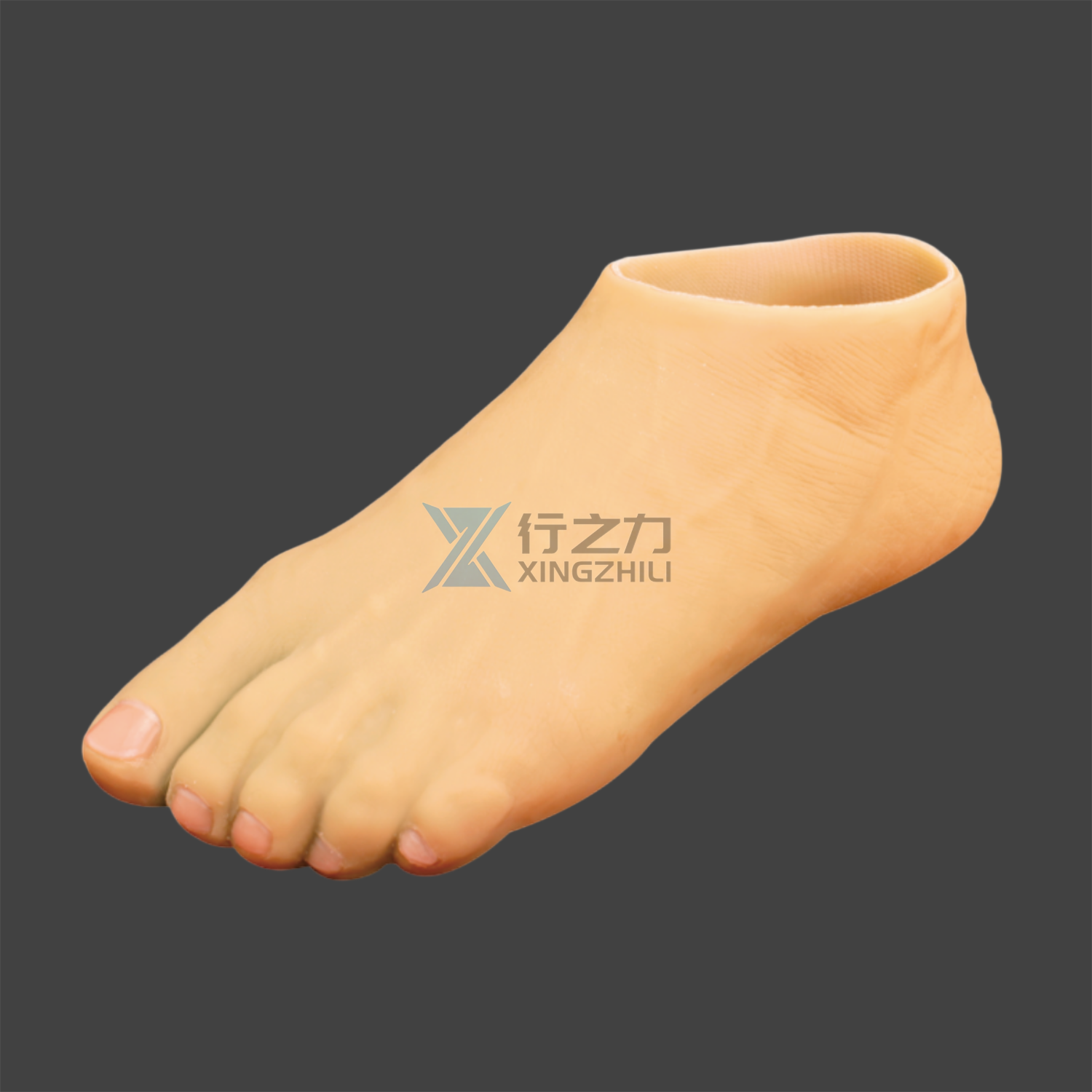
Modern prosthetic technology has revolutionized mobility solutions for amputees, with material science playing a crucial role in developing components that offer superior performance and durability. Among the various materials used in prosthetic feet manufacturing, polyurethane has emerged as the gold standard for creating lightweight yet robust mobility support devices. The unique properties of polyurethane make it an ideal choice for prosthetic applications, combining flexibility, strength, and longevity in a single material that can withstand the daily demands of active users.
The development of polyurethane-based prosthetic feet represents a significant advancement in assistive technology, offering users enhanced comfort and functionality compared to traditional materials. This synthetic polymer exhibits remarkable versatility, allowing manufacturers to create prosthetic components that closely mimic the natural biomechanics of human locomotion while providing exceptional durability and weather resistance.
Understanding Polyurethane Material Properties
Chemical Composition and Structure
Polyurethane belongs to a family of polymers created through the reaction of polyols with diisocyanates, resulting in a material with exceptional mechanical properties. The molecular structure of polyurethane allows for customizable hardness levels, making it possible to create prosthetic feet with varying degrees of flexibility to match individual user requirements. This chemical versatility enables manufacturers to fine-tune the material properties during production, ensuring optimal performance for different activity levels and body weights.
The cross-linked polymer chains in polyurethane provide excellent elasticity and recovery characteristics, essential for absorbing impact forces during walking and running activities. Unlike traditional materials such as wood or basic plastics, polyurethane maintains its structural integrity under repeated stress cycles, reducing the likelihood of fatigue failure and extending the operational lifespan of prosthetic devices.
Mechanical Advantages
The mechanical properties of polyurethane make it exceptionally well-suited for prosthetic foot applications, particularly its ability to provide controlled energy return during the gait cycle. The material's viscoelastic behavior allows it to store energy during the heel strike phase and release it during toe-off, contributing to more natural and efficient walking patterns. This energy return mechanism reduces the metabolic cost of locomotion for prosthetic users, helping to minimize fatigue during extended periods of activity.
Polyurethane's high tear strength and abrasion resistance ensure that prosthetic feet maintain their performance characteristics even under challenging conditions. The material can withstand exposure to various environmental factors, including temperature fluctuations, moisture, and UV radiation, without experiencing significant degradation in mechanical properties. This durability translates to reduced maintenance requirements and longer replacement intervals for users.
Lightweight Design Benefits
Weight Reduction Impact
One of the most significant advantages of using polyurethane in prosthetic foot construction is the substantial weight reduction compared to traditional materials. A typical polyurethane foot weighs significantly less than equivalent devices made from metal or dense composite materials, reducing the overall burden on the user's residual limb and proximal joints. This weight reduction is particularly beneficial for above-knee amputees, who must compensate for the additional mass of both the prosthetic foot and knee components.
The lightweight nature of polyurethane prosthetic feet contributes to improved gait symmetry and reduced compensatory movement patterns that can lead to secondary complications such as back pain or joint dysfunction. Users report increased confidence in their mobility and reduced fatigue levels throughout the day when using lightweight polyurethane-based devices compared to heavier alternatives.
Enhanced User Comfort
The reduced weight of polyurethane prosthetic feet directly translates to enhanced user comfort during extended wear periods. Lower limb prosthetic users often experience increased comfort and reduced skin irritation at the socket interface when using lightweight components, as there is less gravitational force pulling on the residual limb throughout the day. This improvement in comfort can significantly impact the user's quality of life and willingness to remain active.
The material's inherent flexibility also contributes to comfort by providing a more natural feel during ground contact and push-off phases of walking. Polyurethane can be engineered to provide appropriate compliance levels that match the user's specific needs, whether they require maximum stability for daily activities or enhanced responsiveness for athletic pursuits.
Performance Characteristics in Mobility Applications
Dynamic Response Properties
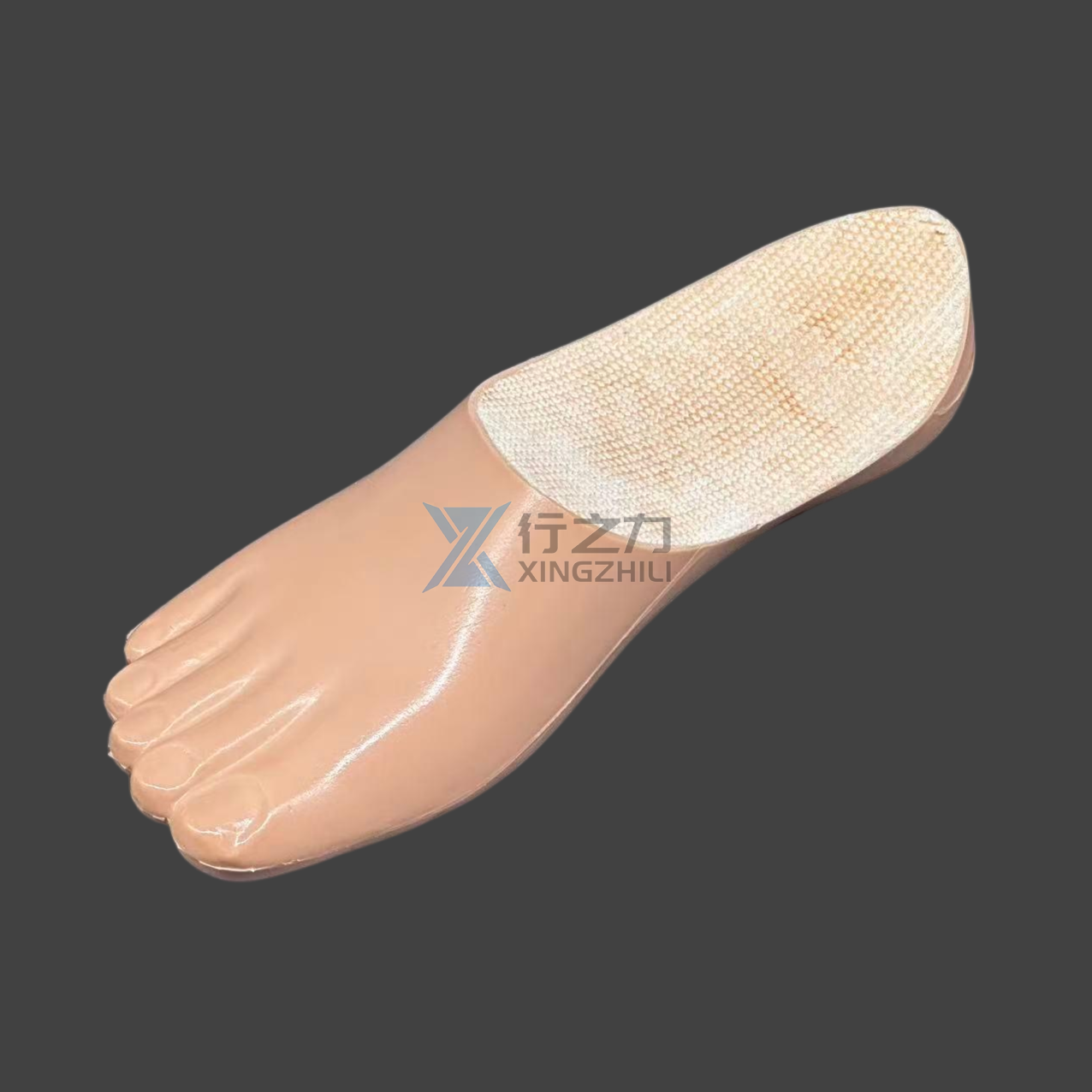
Polyurethane prosthetic feet excel in providing dynamic response characteristics that closely approximate natural foot function during various activities. The material's ability to deform under load and return to its original shape enables efficient energy transfer throughout the gait cycle, promoting smoother transitions between stance and swing phases. This dynamic response is particularly noticeable during activities that require rapid direction changes or variable walking speeds.
Advanced polyurethane formulations can be tailored to provide different response characteristics for various user categories, from sedentary individuals requiring basic stability to high-activity users demanding maximum energy return. The material's consistent performance across different temperatures ensures reliable function in various climatic conditions, making polyurethane feet suitable for users in diverse geographical locations.
Adaptability to Different Terrains
The flexible nature of polyurethane allows prosthetic feet to adapt more effectively to uneven surfaces and varying terrain conditions compared to rigid alternatives. This adaptability enhances user confidence when walking on grass, gravel, inclined surfaces, or other challenging environments where surface irregularities might otherwise pose stability concerns. The material's compliance enables better ground contact and improved proprioceptive feedback through the prosthetic system.
Polyurethane's resistance to environmental factors such as moisture, salt, and temperature variations makes it particularly suitable for active users who engage in outdoor activities or live in harsh climates. The material maintains its performance characteristics across a wide temperature range, ensuring consistent function whether used in hot summer conditions or cold winter environments.
Manufacturing and Customization Advantages
Production Flexibility
The manufacturing processes used to create polyurethane prosthetic feet offer significant advantages in terms of customization and quality control. Polyurethane can be molded using various techniques, including injection molding and casting processes, allowing manufacturers to create complex geometries and integrate multiple durometer zones within a single component. This manufacturing flexibility enables the production of prosthetic feet with optimized performance characteristics for specific user requirements.
Modern polyurethane formulations can be colored during the manufacturing process, eliminating the need for external coatings that might wear off over time. This integrated coloring approach ensures long-lasting aesthetic appeal while maintaining the material's performance properties. Additionally, the manufacturing process allows for precise control over wall thickness and internal structures, enabling weight optimization without compromising strength.
Quality Assurance and Consistency
Polyurethane manufacturing processes enable high levels of quality control and product consistency, essential factors in medical device production. The material's chemical properties can be precisely monitored and controlled during production, ensuring that each prosthetic foot meets strict performance specifications. This consistency is crucial for users who rely on predictable device behavior for safe mobility.
Advanced testing protocols for polyurethane prosthetic feet include fatigue testing, impact resistance evaluation, and environmental durability assessments that simulate years of use in accelerated timeframes. These comprehensive testing procedures help ensure that polyurethane feet will maintain their performance characteristics throughout their intended service life, providing users with reliable mobility support.
Comparison with Alternative Materials
Carbon Fiber Alternatives
While carbon fiber prosthetic feet offer excellent strength-to-weight ratios and energy return properties, polyurethane alternatives provide several distinct advantages in specific applications. Polyurethane feet typically offer superior impact absorption and vibration dampening compared to rigid carbon fiber constructions, resulting in more comfortable walking experiences on hard surfaces. The material's inherent flexibility also provides better adaptation to uneven terrain without requiring complex mechanical joints or articulation systems.
Cost considerations often favor polyurethane prosthetic feet, as the material and manufacturing processes are generally less expensive than advanced carbon fiber composites. This cost advantage makes high-quality prosthetic feet more accessible to users with limited insurance coverage or financial resources, while still providing excellent performance characteristics for most activity levels.
Traditional Material Limitations
Older prosthetic foot designs utilizing materials such as wood, leather, or basic plastics suffer from significant limitations that polyurethane effectively addresses. Traditional materials often lack the durability required for modern active lifestyles and may require frequent replacement or repair. Wood components, while providing some natural compliance, are susceptible to moisture damage and dimensional changes that can affect fit and function over time.
Metal prosthetic feet, while durable, typically add considerable weight to the prosthetic system and may provide insufficient shock absorption during high-impact activities. The superior fatigue resistance of polyurethane compared to metals means fewer stress concentration points and reduced likelihood of catastrophic failure during use, enhancing user safety and confidence.
Maintenance and Longevity Considerations
Durability in Daily Use
Polyurethane prosthetic feet demonstrate exceptional longevity under normal use conditions, with many users reporting satisfactory performance for several years before replacement becomes necessary. The material's resistance to wear and environmental degradation contributes to this extended service life, reducing the total cost of ownership for prosthetic users. Regular inspection and basic maintenance can further extend the operational life of polyurethane feet.
The non-porous nature of polyurethane prevents the accumulation of bacteria and odor-causing substances that can affect other materials, contributing to better hygiene and user comfort. Simple cleaning procedures using standard disinfectants are sufficient to maintain the prosthetic foot in sanitary condition, making it suitable for users with active lifestyles or those in healthcare environments.
Repair and Replacement Protocols
When polyurethane prosthetic feet do reach the end of their service life, the replacement process is typically straightforward due to standardized connection interfaces and widespread availability of compatible components. The material's properties allow for some field repairs of minor damage, such as small cuts or abrasions, using appropriate polyurethane adhesives and patches, extending the useful life of the device.
Manufacturers often provide comprehensive warranty coverage for polyurethane prosthetic feet, reflecting confidence in the material's durability and performance characteristics. This warranty protection provides users with peace of mind and protection against premature device failure, ensuring continued mobility support throughout the expected service life of the prosthetic foot.
FAQ
How long does a polyurethane prosthetic foot typically last?
A well-maintained polyurethane prosthetic foot typically lasts between 2 to 5 years, depending on the user's activity level, body weight, and environmental conditions. Active users who engage in high-impact activities may need replacement sooner, while less active individuals may experience longer service life. Regular inspection by a qualified prosthetist can help determine when replacement is necessary to ensure optimal performance and safety.
Can polyurethane prosthetic feet be used for athletic activities?
Yes, polyurethane prosthetic feet are excellent for many athletic activities due to their energy return properties and lightweight construction. The material's flexibility and shock absorption characteristics make it suitable for running, walking, and various sports activities. However, specific activity levels and sport requirements should be discussed with a prosthetist to ensure the selected polyurethane foot design matches the intended use and provides adequate support and performance.
Are there any disadvantages to using polyurethane prosthetic feet?
While polyurethane prosthetic feet offer many advantages, they may not be suitable for all users or applications. Some high-performance athletes might prefer carbon fiber alternatives for maximum energy return, and users with very high activity levels might experience faster wear rates. Additionally, polyurethane can be susceptible to cuts from sharp objects, requiring users to be cautious in certain environments. The material may also have limited customization options compared to some advanced composite alternatives.
How do I maintain my polyurethane prosthetic foot?
Maintaining a polyurethane prosthetic foot involves regular cleaning with mild soap and water, inspection for signs of wear or damage, and protection from sharp objects that could cause cuts or punctures. Users should avoid exposing the foot to extreme temperatures or harsh chemicals that might degrade the material. Regular follow-up appointments with a prosthetist are recommended to assess the condition of the foot and make any necessary adjustments to ensure optimal performance and fit.