
 EN
EN



The journey to regain mobility after lower limb amputation presents unique challenges that require advanced prosthetic solutions. A well-designed knee joint prosthesis serves as the critical component that determines an amputee's ability to walk, climb stairs, and perform daily activities with confidence. Modern prosthetic knee joints incorporate sophisticated mechanical and hydraulic systems that closely mimic natural knee function, providing essential stability during various phases of the gait cycle. Understanding how these devices support post-surgery stability helps patients make informed decisions about their prosthetic options while setting realistic expectations for their rehabilitation journey.
Biomechanical Principles of Prosthetic Knee Stability
Weight-Bearing Mechanisms in Modern Designs
Contemporary knee joint prosthesis designs utilize advanced biomechanical principles to ensure optimal weight distribution and load transfer throughout the prosthetic limb. The primary mechanism involves a controlled stance phase that locks or provides resistance during weight-bearing activities, preventing unexpected collapse that could lead to falls. These systems employ various technologies including mechanical locks, hydraulic dampening, and microprocessor-controlled units that automatically adjust to different walking conditions and user requirements.
The weight-bearing capacity of prosthetic knee joints depends on precise engineering that accounts for the user's body weight, activity level, and specific mobility goals. Modern designs incorporate safety margins that exceed typical daily loading requirements, ensuring reliable performance during normal activities while accommodating occasional higher-impact situations. This engineering approach provides users with confidence in their prosthetic device, knowing that the knee joint will support them during various daily activities.
Swing Phase Control and Momentum Management
During the swing phase of walking, the knee joint prosthesis must provide controlled flexion and extension to ensure natural gait patterns and prevent stumbling. Advanced hydraulic and pneumatic systems regulate the speed of knee flexion, allowing for smooth leg advancement while maintaining proper ground clearance. This controlled movement prevents the prosthetic foot from catching on irregular surfaces or obstacles, significantly reducing the risk of falls and improving overall user confidence.
Momentum management systems in modern prosthetic knees adapt to different walking speeds automatically, providing appropriate resistance levels for both slow, deliberate steps and faster walking patterns. These adaptive mechanisms ensure that users can vary their walking pace naturally without compromising stability or requiring conscious adjustment of their prosthetic device. The result is a more intuitive walking experience that closely resembles natural limb function.
Advanced Safety Features and Stability Enhancement
Multi-Axis Joint Technology
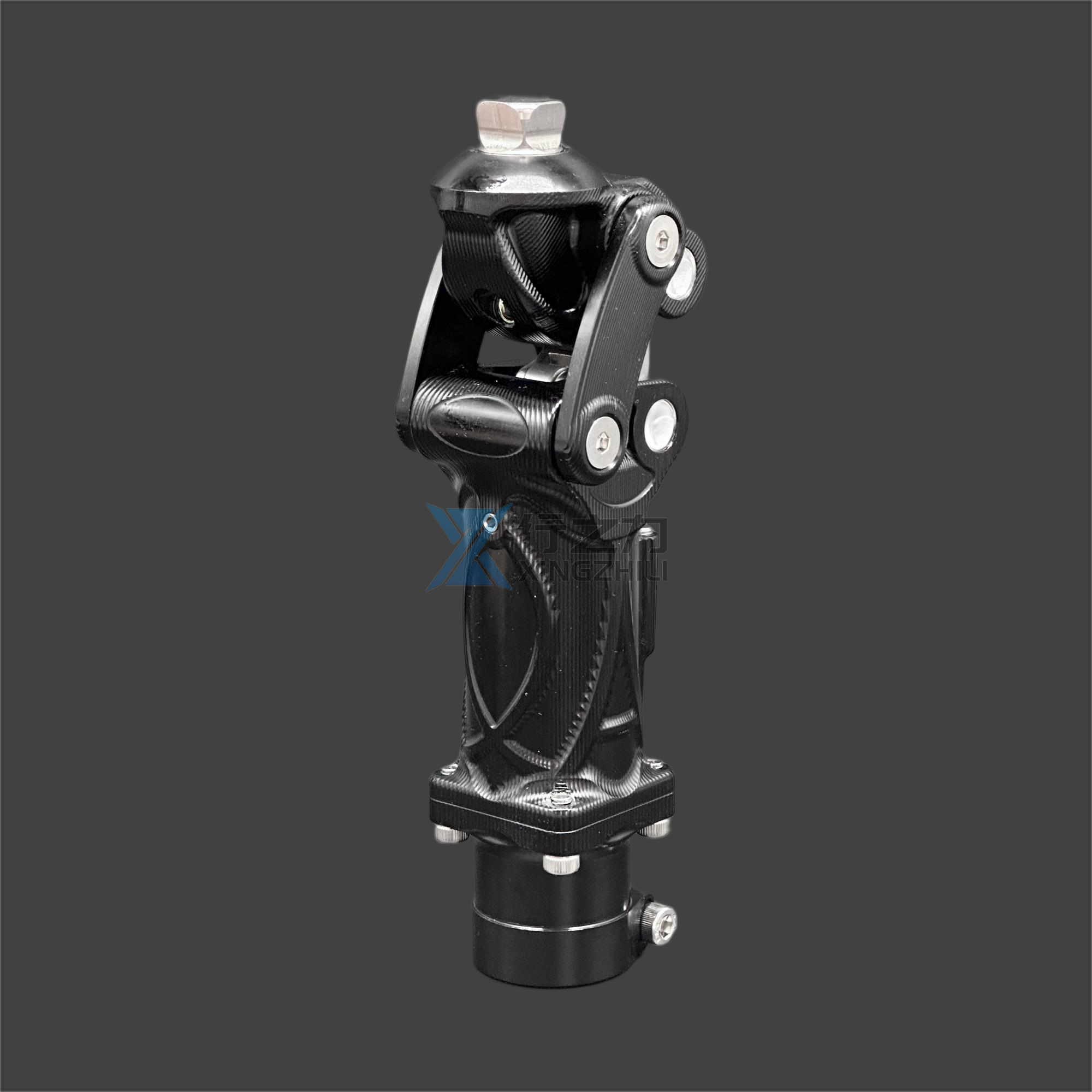
State-of-the-art knee joint prosthesis designs incorporate multi-axis technology that allows for natural knee movement in multiple planes, closely mimicking the complex motion patterns of biological knee joints. This technology provides enhanced stability by accommodating the slight rotational and lateral movements that occur during normal walking, stair climbing, and directional changes. The multi-axis design reduces stress on the residual limb and improves overall comfort during extended wear periods.
The implementation of multi-axis joints also contributes to improved proprioception, allowing users to better sense their limb position and movement patterns. This enhanced feedback mechanism supports better balance control and reduces the cognitive load required for walking, enabling users to focus on their environment rather than constantly monitoring their prosthetic limb function. The technology represents a significant advancement in prosthetic engineering that directly translates to improved user outcomes.
Emergency Lock Mechanisms
Modern prosthetic knee joints feature sophisticated emergency lock systems that engage automatically when unexpected forces or movements are detected. These safety mechanisms prevent sudden knee collapse during activities such as stumbling, unexpected weight shifts, or when encountering uneven terrain. The emergency lock systems are designed to activate quickly while still allowing for normal gait patterns, providing an essential safety net without interfering with regular mobility.
The sensitivity and response time of emergency lock mechanisms can often be adjusted to match individual user preferences and activity levels. More active users may prefer systems with higher thresholds that allow for dynamic activities, while those seeking maximum security may opt for more sensitive settings. This customization capability ensures that each knee joint prosthesis can be optimized for the specific needs and lifestyle of its user.
Rehabilitation Integration and Functional Outcomes
Gait Training Compatibility
The design of modern knee joint prosthesis systems specifically supports comprehensive gait training programs that are essential for successful rehabilitation outcomes. These devices feature adjustable parameters that allow prosthetists and physical therapists to modify resistance levels, lock settings, and swing phase characteristics as patients progress through their rehabilitation journey. This adaptability ensures that the prosthetic knee can evolve with the user's improving skills and confidence levels.
Integration with rehabilitation protocols enables gradual progression from basic stability exercises to advanced mobility challenges such as stairs, ramps, and uneven terrain navigation. The prosthetic knee's ability to provide consistent, predictable performance during training sessions accelerates the learning process and builds user confidence more effectively than static or overly complex systems. This systematic approach to rehabilitation integration significantly improves long-term functional outcomes.
Activity-Specific Performance Optimization
Contemporary knee joint prosthesis designs recognize that users engage in diverse activities requiring different performance characteristics from their prosthetic devices. Advanced systems offer programmable modes for various activities including walking on level surfaces, stair navigation, sitting and standing transitions, and even recreational activities. These activity-specific settings optimize knee behavior for each situation, providing enhanced stability and more natural movement patterns.
The ability to switch between different performance modes, either manually or automatically through sensor systems, allows users to maintain active lifestyles without compromising safety or comfort. This versatility supports better long-term outcomes by encouraging continued physical activity and social engagement, which are crucial factors in successful prosthetic adaptation and overall quality of life improvement.
Long-term Stability and Maintenance Considerations
Durability Engineering for Sustained Performance
The long-term stability of a knee joint prosthesis depends heavily on robust engineering that accounts for the repetitive loading and environmental stresses encountered during daily use. Modern designs incorporate high-grade materials and precision manufacturing techniques that ensure consistent performance over extended periods, typically supporting hundreds of thousands of gait cycles without significant degradation in function or safety characteristics.
Advanced sealing systems protect internal mechanisms from moisture, debris, and other environmental factors that could compromise performance over time. These protective features are particularly important for users who engage in outdoor activities or live in challenging climates, ensuring that their prosthetic knee continues to provide reliable stability regardless of environmental conditions. The combination of durable construction and environmental protection contributes to reduced maintenance requirements and extended device lifespan.
Preventive Maintenance Protocols
Maintaining optimal stability in knee joint prosthesis systems requires adherence to systematic maintenance protocols that address both mechanical and hydraulic components. Regular inspection schedules help identify potential issues before they compromise device performance or user safety, while proper cleaning and lubrication procedures ensure smooth operation of moving parts. These maintenance requirements are typically designed to be manageable for users while providing comprehensive protection for critical components.
Professional service intervals complement user maintenance routines by providing thorough evaluation of internal mechanisms, calibration verification, and replacement of wear components as needed. This two-tiered maintenance approach maximizes device reliability while minimizing unexpected failures that could compromise user safety or mobility. Proper maintenance protocols significantly extend the functional life of prosthetic knee joints while maintaining their stability characteristics throughout their service period.
FAQ
How long does it take to adapt to a new knee joint prosthesis
Adaptation to a new knee joint prosthesis typically requires 4-12 weeks of intensive rehabilitation, though individual timelines vary based on factors such as amputation level, physical condition, and previous prosthetic experience. Initial basic walking skills usually develop within the first few weeks, while advanced activities like stair climbing and uneven terrain navigation may require several months of practice. Consistent participation in physical therapy and gradual activity progression are essential for achieving optimal functional outcomes and building confidence with the new device.
What maintenance is required for optimal knee prosthesis stability
Daily maintenance includes visual inspection for damage, cleaning of external surfaces, and ensuring all adjustment mechanisms are properly secured. Weekly maintenance involves more thorough cleaning and checking for unusual sounds or movement patterns that might indicate mechanical issues. Professional servicing should occur every 6-12 months depending on usage patterns, involving internal mechanism inspection, hydraulic fluid checks, and calibration verification to maintain optimal stability and safety performance.
Can knee joint prosthesis systems handle high-impact activities
Many modern knee joint prosthesis designs are engineered to accommodate moderate high-impact activities such as jogging, recreational sports, and occupational demands that exceed normal walking loads. However, the specific impact tolerance varies by model and design specifications, making it essential to consult with prosthetists about activity-appropriate device selection. Some specialized prosthetic knees are specifically designed for athletic activities, while others prioritize stability for daily living activities over high-impact performance.
How do weather conditions affect knee prosthesis stability
Environmental conditions can influence knee prosthesis performance through effects on hydraulic fluid viscosity, mechanical component expansion, and user comfort levels that indirectly affect gait patterns. Cold temperatures may increase fluid thickness, slightly altering swing phase characteristics, while extreme heat can affect component materials and user comfort. Modern designs incorporate compensation mechanisms and environmental sealing to minimize these effects, but users should be aware of potential performance variations and adjust their activities accordingly during extreme weather conditions.