
 EN
EN



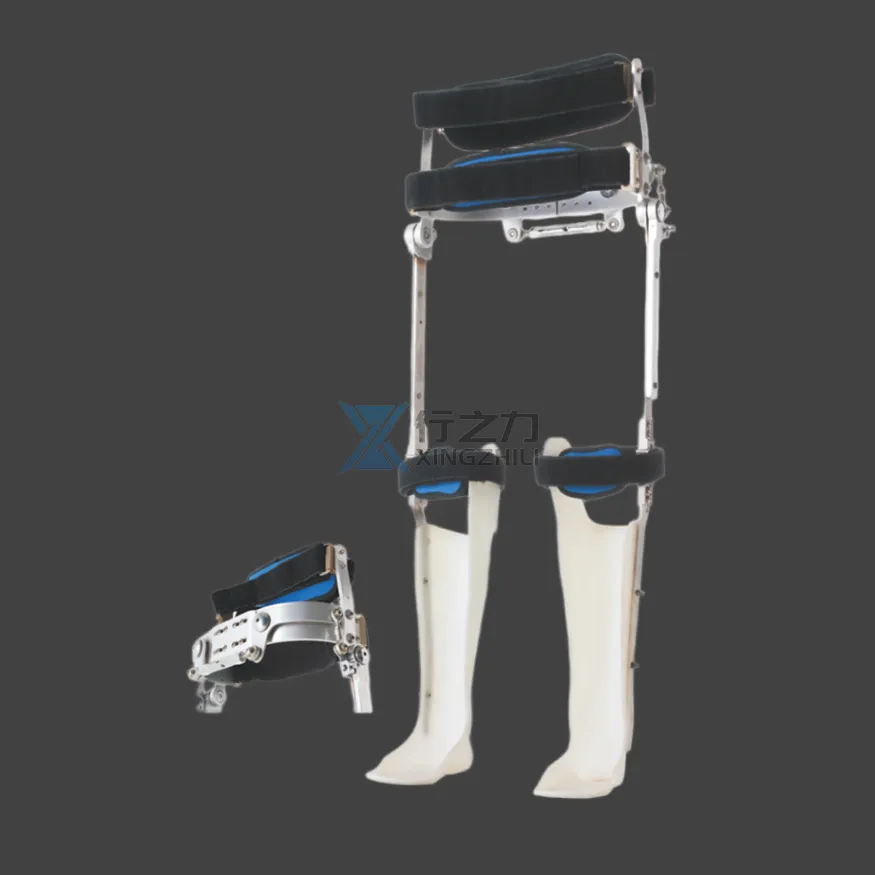
The selection of appropriate orthotic components represents a critical decision point that directly impacts patient outcomes, comfort, and long-term mobility goals. Healthcare professionals and patients alike must navigate a complex landscape of materials, designs, and functional specifications when choosing these essential medical devices. Understanding the fundamental principles behind orthotic component selection ensures optimal therapeutic results and maximizes the investment in assistive technology. The process involves careful evaluation of biomechanical requirements, patient-specific factors, and environmental considerations that influence daily use patterns.
Modern orthotic solutions encompass a broad spectrum of mechanical and electronic systems designed to restore function, provide support, and enhance quality of life for individuals with mobility impairments. The evolution of these technologies has introduced sophisticated materials and manufacturing processes that allow for unprecedented customization and performance optimization. From traditional metal and leather constructions to advanced composite materials and microprocessor-controlled systems, today's orthotic components offer remarkable versatility in addressing diverse clinical presentations and patient preferences.
Understanding Biomechanical Requirements
Gait Analysis and Movement Patterns
Comprehensive gait analysis forms the foundation of effective orthotic component selection, providing objective data about movement patterns, force distribution, and compensatory mechanisms. Advanced motion capture systems and pressure mapping technologies reveal subtle abnormalities that may not be apparent through visual observation alone. This detailed biomechanical assessment identifies specific deficits in joint mobility, muscle strength, and coordination that must be addressed through appropriate orthotic intervention. The data collected during gait analysis directly informs component selection by highlighting areas requiring stabilization, assistance, or correction.
Ground reaction forces and joint moments throughout the gait cycle provide crucial insights into the mechanical demands placed on orthotic components during functional activities. Peak loading conditions, duration of stance phase, and swing phase characteristics all influence material selection and structural design requirements. Understanding these biomechanical parameters ensures that chosen components can withstand repetitive loading cycles while maintaining their therapeutic function over extended periods of use.
Joint Function and Range of Motion
Each joint system presents unique biomechanical challenges that require specific orthotic solutions tailored to restore or supplement natural function. Hip, knee, and ankle joints each contribute distinct movement patterns and force transmission characteristics that must be carefully considered during component selection. The degree of residual joint mobility, presence of contractures, and potential for functional improvement all influence the choice between static, dynamic, or adjustable orthotic systems.
Range of motion limitations may necessitate accommodation through specialized joint mechanisms that allow controlled movement within safe parameters while preventing harmful extremes. Progressive conditions require orthotic components capable of adjustment as joint function changes over time, ensuring continued therapeutic benefit throughout disease progression. The integration of multiple joint systems within a single orthotic device demands careful attention to kinematic compatibility and coordinated function.
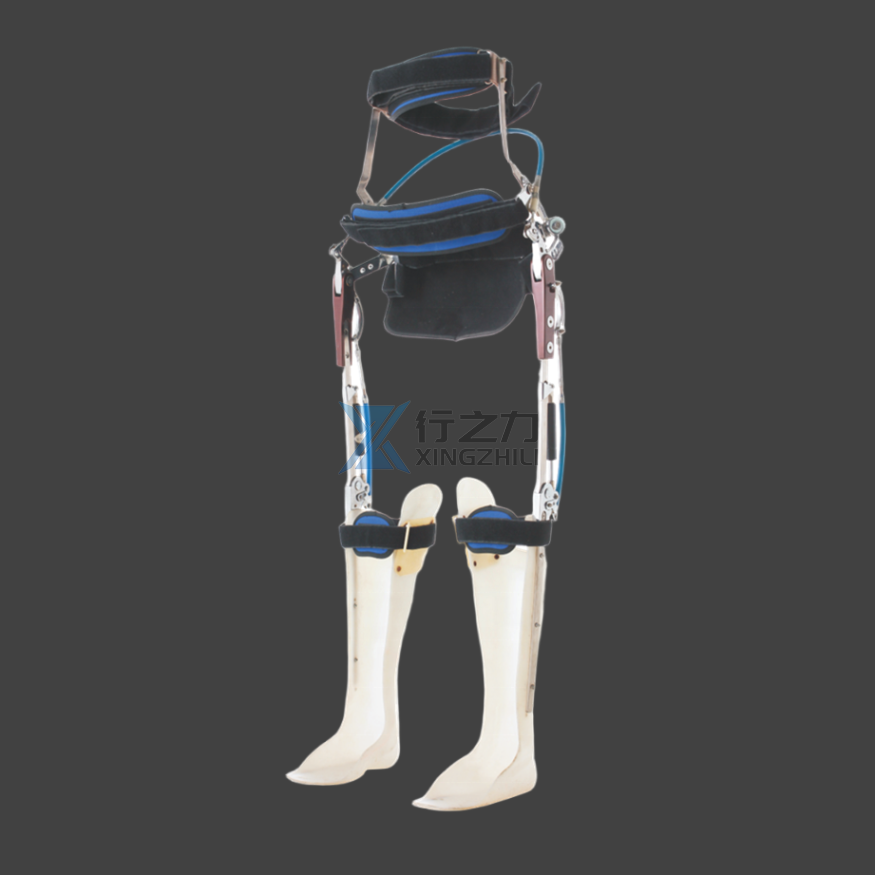
Material Properties and Durability Considerations
Advanced Composite Materials
Carbon fiber composites have revolutionized orthotic component manufacturing by providing exceptional strength-to-weight ratios and customizable stiffness characteristics. These materials allow for precise tuning of mechanical properties to match specific biomechanical requirements while minimizing overall device weight. The directional properties of carbon fiber enable engineers to optimize strength and flexibility in specific orientations, creating components that provide maximum support where needed while maintaining compliance in appropriate directions.
Thermoplastic materials offer advantages in terms of adjustability, repairability, and cost-effectiveness for many orthotic applications. Modern thermoplastics can be repeatedly heated and reformed, allowing for ongoing modifications as patient needs change or as fitting requirements evolve. The selection between rigid and flexible thermoplastic formulations depends on the specific mechanical requirements and patient comfort considerations associated with each application.
Metal Alloys and Traditional Materials
Stainless steel and aluminum alloys continue to play important roles in orthotic component design, particularly for high-load applications and situations requiring exceptional durability. These materials provide reliable performance in challenging environments and offer predictable mechanical behavior under various loading conditions. The integration of metal components within composite structures can provide localized reinforcement and wear resistance at critical stress points.
Traditional materials such as leather and fabric remain relevant for specific applications where comfort, breathability, and conformability are paramount. The selection of interface materials directly affects patient compliance and long-term use patterns, making material comfort characteristics as important as mechanical performance in many situations. Hybrid designs that combine multiple materials can optimize both functional performance and user comfort.
Patient-Specific Factors and Customization
Anthropometric Considerations
Individual body dimensions, weight distribution, and limb proportions significantly influence orthotic component selection and sizing requirements. Accurate measurement techniques and consideration of growth potential in pediatric patients ensure proper fit and function throughout the intended service life. Weight-bearing patterns and pressure distribution characteristics vary considerably between individuals, necessitating customized interface designs and support structures.
Body composition factors including muscle mass, adipose tissue distribution, and bone density affect both fitting requirements and mechanical loading patterns. These anthropometric variables influence component sizing, interface design, and attachment methodologies to ensure secure, comfortable, and effective orthotic function. Consideration of bilateral symmetry or asymmetry guides decisions regarding unilateral versus bilateral orthotic solutions.
Activity Level and Lifestyle Requirements
Patient activity levels and lifestyle demands directly impact component selection criteria, with higher activity individuals requiring more robust and responsive orthotic systems. Occupational requirements, recreational activities, and daily living tasks all influence the mechanical properties and durability specifications needed for optimal performance. The selection of orthotic components must account for the full range of activities the patient expects to perform while wearing the device.
Environmental exposure conditions including temperature extremes, humidity, and contact with various substances affect material selection and protective coating requirements. Indoor versus outdoor use patterns influence durability specifications and maintenance requirements that must be communicated to patients during the selection process. The balance between performance optimization and practical usability often determines the most appropriate component choices for individual patients.
Technology Integration and Smart Components
Microprocessor-Controlled Systems
Advanced microprocessor-controlled orthotic components offer unprecedented levels of adaptability and real-time response to changing gait conditions. These systems continuously monitor joint position, loading patterns, and movement velocities to automatically adjust resistance and assistance levels throughout the gait cycle. The integration of sensors, processors, and actuators creates intelligent orthotic systems capable of learning and adapting to individual user patterns over time.
Battery life, charging requirements, and system reliability become critical considerations when selecting microprocessor-controlled components. The added complexity of electronic systems requires careful evaluation of maintenance requirements, technical support availability, and user training needs. Cost-benefit analysis must weigh the improved functional outcomes against increased initial investment and ongoing maintenance expenses.
Sensor Integration and Feedback Systems
Modern orthotic components increasingly incorporate various sensor technologies to provide feedback about device performance, wear patterns, and patient compliance. Pressure sensors, accelerometers, and gyroscopes can monitor device function and alert users or healthcare providers to potential issues before they result in component failure or injury. This data collection capability enables evidence-based adjustments and optimization of orthotic function over time.
Wireless connectivity allows for remote monitoring and data analysis, enabling healthcare providers to track patient progress and device performance without requiring frequent clinic visits. The integration of smartphone applications and cloud-based data management systems creates new opportunities for patient engagement and clinical oversight. Privacy and data security considerations must be addressed when implementing connected orthotic systems.
Economic Factors and Insurance Considerations
Cost-Benefit Analysis
The economic evaluation of orthotic components extends beyond initial purchase price to include long-term durability, maintenance costs, and replacement schedules. Higher-quality components often provide better value over extended service life despite greater upfront investment. The analysis must consider both direct costs and indirect benefits such as improved function, reduced caregiver burden, and enhanced quality of life.
Insurance coverage policies and reimbursement criteria significantly influence component selection decisions, often requiring balance between optimal clinical outcomes and approved coverage limits. Documentation requirements and pre-authorization processes can affect the timing and availability of preferred orthotic solutions. Understanding insurance policies and working within coverage guidelines ensures patient access to necessary orthotic components.
Maintenance and Service Life
Regular maintenance requirements and component replacement schedules must be factored into the total cost of ownership for orthotic systems. Some components require frequent adjustment, lubrication, or replacement of wear items, while others offer maintenance-free operation for extended periods. The availability of service technicians and replacement parts affects the practical viability of different component choices in various geographic locations.
Modular designs that allow for selective component replacement can reduce long-term costs while maintaining optimal function throughout the device service life. The ability to upgrade or modify components as patient needs change extends the useful life of orthotic systems and improves overall value. Planning for future modifications and upgrades should be considered during initial component selection.
FAQ
How long do orthotic components typically last
The service life of orthotic components varies significantly depending on material selection, patient activity level, and maintenance practices. High-quality carbon fiber components may last 3-5 years with proper care, while thermoplastic components typically require replacement every 2-3 years. Microprocessor-controlled systems generally have 2-4 year service lives due to electronic component limitations and battery degradation over time.
What factors determine the cost of orthotic components
Component costs are influenced by material selection, manufacturing complexity, customization requirements, and technology integration level. Basic thermoplastic components may cost several hundred dollars, while advanced microprocessor-controlled systems can exceed ten thousand dollars. Insurance coverage, volume pricing, and geographic location also significantly affect final component costs for patients.
Can orthotic components be modified after initial fitting
Many orthotic components are designed with adjustability features that allow for ongoing modifications as patient needs change. Thermoplastic materials can be reheated and reshaped, while mechanical joints often include adjustment mechanisms for fine-tuning alignment and function. However, major modifications may require component replacement or professional refabrication to ensure safety and effectiveness.
How do I know if my orthotic components need replacement
Signs of component wear include visible cracking, deformation, or material degradation, changes in device function or comfort, and increased maintenance requirements. Regular inspection by qualified technicians can identify potential issues before they compromise safety or function. Patients should report any changes in device performance or comfort to their healthcare provider for professional evaluation.