
 EN
EN



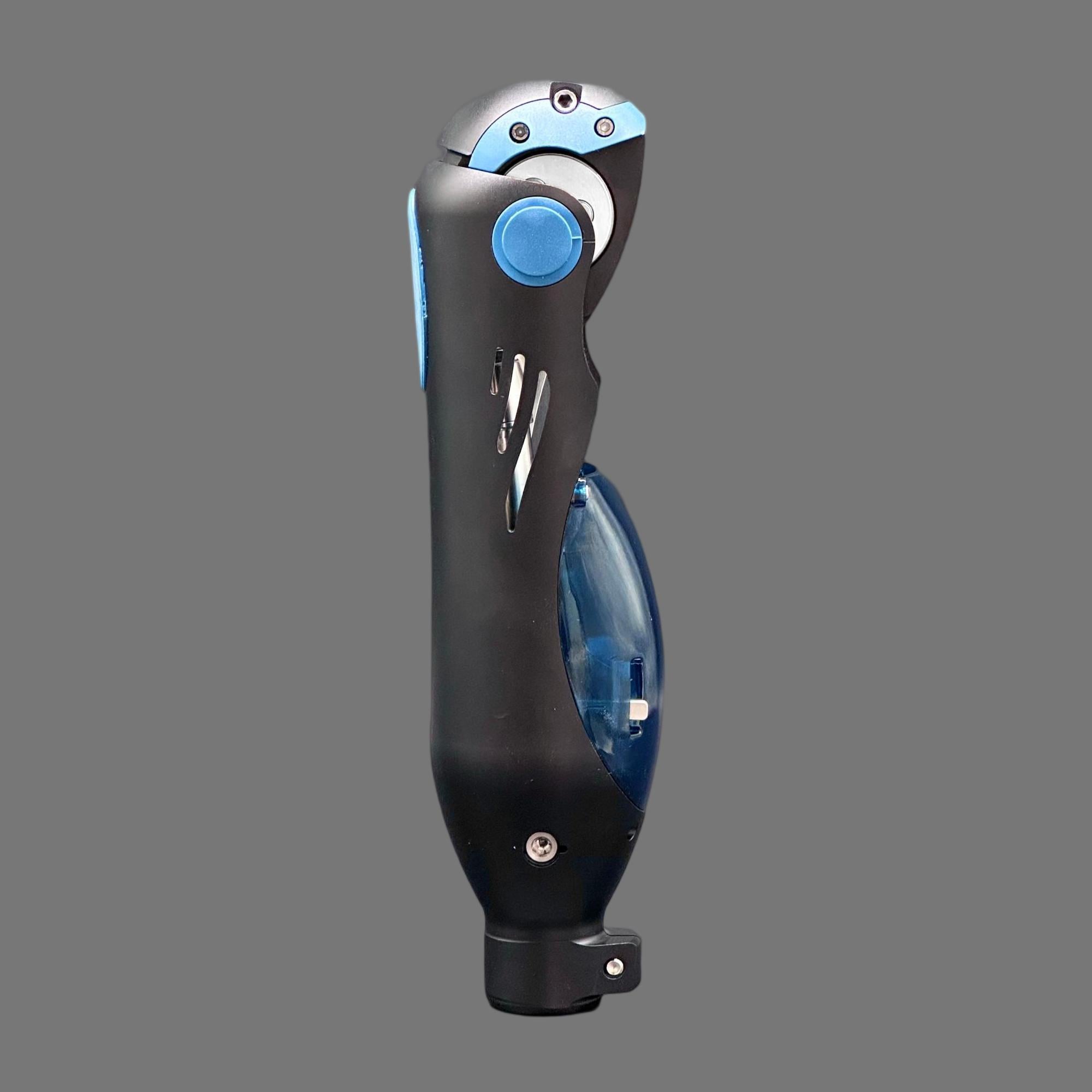
When selecting a prosthetic knee for daily walking, the choice between a hydraulic knee joint and a pneumatic knee joint represents one of the most important decisions in mobility restoration. Both technologies aim to restore natural gait patterns, but they operate through fundamentally different mechanisms that directly impact stride quality, comfort, and overall user experience during routine daily activities.
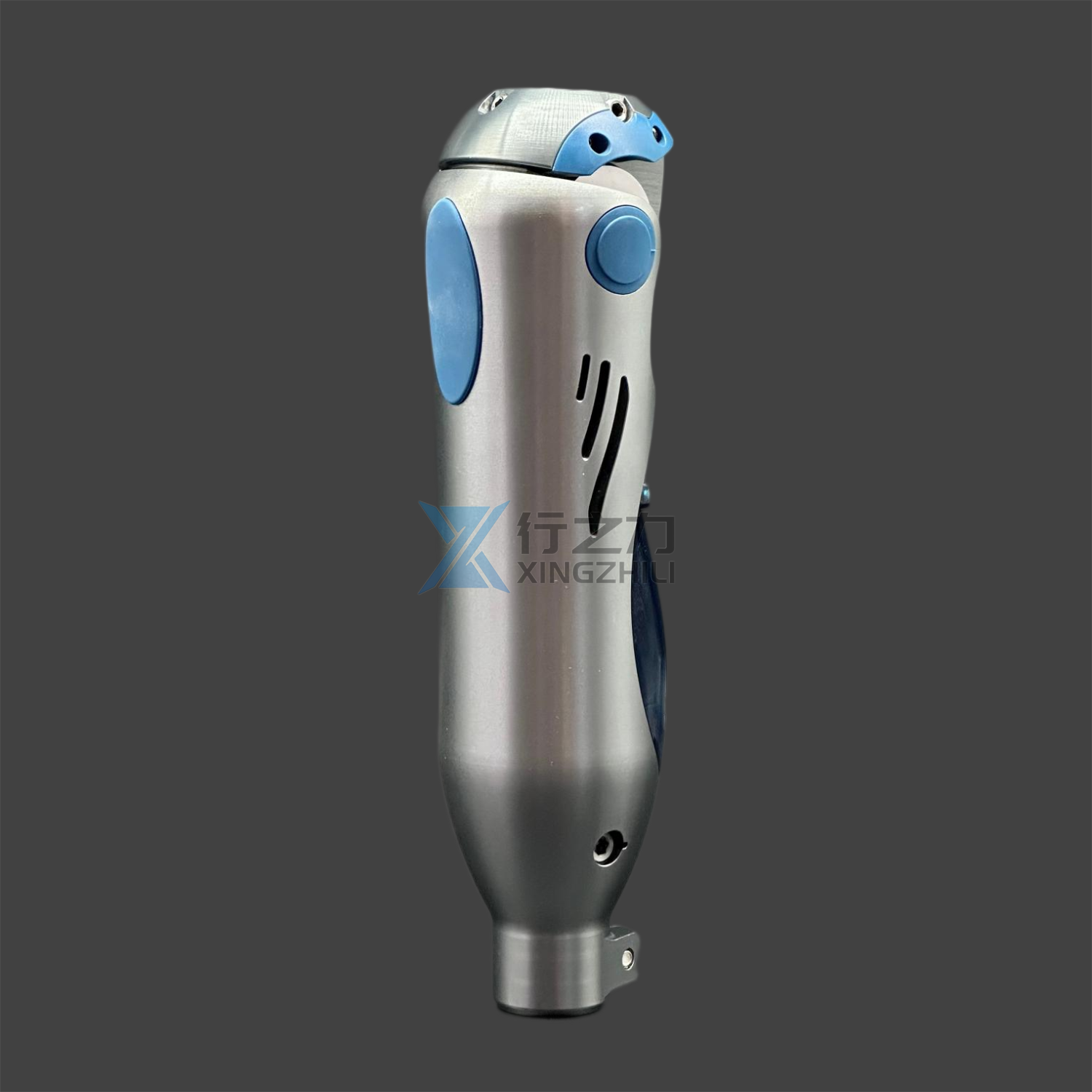
Understanding the differences between these two technologies is essential for individuals, prosthetists, and clinicians seeking to optimize mobility outcomes. A hydraulic knee joint provides distinct advantages in stride smoothness, while pneumatic systems offer their own benefits in specific use cases. This comprehensive guide explores how each technology functions, their impact on daily walking performance, and which may be better suited to your personal mobility needs.
How Hydraulic Knee Joint Technology Works
Hydraulic Mechanism and Fluid Dynamics
A hydraulic knee joint operates by using incompressible fluid to control knee motion during the gait cycle. The hydraulic knee joint system relies on oil or silicone fluid that flows through precision-engineered chambers and valves, creating resistance that adapts automatically to walking speed. When a user steps down, the fluid is forced through resistive pathways, which dampens the motion and provides a controlled descent into the stance phase. This hydraulic knee joint design means the resistance adjusts naturally as you walk faster or slower without requiring manual adjustments.
Stance and Swing Phase Control
During the stance phase, the hydraulic knee joint provides proportional braking that becomes firmer as you load weight on the prosthetic leg. This proportional resistance is critical for stability during single-leg support. The hydraulic knee joint responds continuously to pressure changes, offering smooth energy dissipation that prevents abrupt locking or sudden release of the knee. During swing phase, the hydraulic knee joint allows the leg to accelerate and decelerate smoothly, enabling a more natural knee bend that closely mimics biological movement. This dual-phase control is why a hydraulic knee joint tends to deliver superior stride smoothness compared to simpler mechanical alternatives.
Pneumatic Knee Joint Performance and Characteristics
Air-Based Resistance System
A pneumatic knee joint uses compressed air chambers to create resistance during walking. When you step down, air is compressed within sealed chambers, and this compressed air opposes the motion of the knee. The pneumatic knee joint system typically includes adjustable air vents or caps that allow users to fine-tune resistance levels manually. Unlike the fluid dynamics of a hydraulic knee joint, a pneumatic knee joint operates on the principle of air compressibility, which means resistance can change based on altitude, temperature, and external pressure conditions. This makes a pneumatic knee joint more sensitive to environmental variables than a hydraulic knee joint.
Adjustment and Maintenance Requirements
Users of a pneumatic knee joint often need to periodically adjust air pressure settings to maintain optimal performance, especially when traveling to different altitudes or seasons. The pneumatic knee joint may require regular maintenance to ensure air seals remain intact and functional. A pneumatic knee joint can be lighter and more affordable than a hydraulic knee joint, making it accessible for users with budget constraints. However, the pneumatic knee joint typically offers less adaptive control than a hydraulic knee joint, particularly at varying walking speeds. For individuals with predictable walking routines in consistent environments, a pneumatic knee joint can provide adequate performance, though a hydraulic knee joint generally delivers smoother, more responsive results.
Stride Smoothness: Hydraulic Knee Joint Advantages
Continuous Adaptive Response
The primary advantage of a hydraulic knee joint for daily walking lies in its ability to provide continuous, automatic resistance adjustment. A hydraulic knee joint adapts instantaneously to changes in walking speed, terrain, and load without any user intervention. When you transition from normal walking to climbing stairs or walking downhill, a hydraulic knee joint responds proportionally to pressure changes, maintaining smooth motion throughout the adjustment. This automatic adaptation means a hydraulic knee joint eliminates the jerky, discrete resistance changes that can occur with pneumatic systems. Users consistently report that a hydraulic knee joint feels more natural and predictable during daily activities, as the knee resistance flows seamlessly rather than stepping through fixed resistance levels.
Improved Cadence and Gait Quality
Clinical studies have demonstrated that users of a hydraulic knee joint achieve more symmetric gait patterns compared to pneumatic alternatives. A hydraulic knee joint allows the prosthetic leg to swing more naturally, reducing compensatory movements in the sound limb. The smooth deceleration provided by a hydraulic knee joint during swing phase prevents the foot from slapping the ground at the end of the stride. This reduction in impact jarring protects both the prosthetic socket and the residual limb from excessive shock transmission. Users report that a hydraulic knee joint enables them to walk for longer periods with less fatigue, as the smooth motion requires less muscular compensation and maintains better overall biomechanics throughout the day.
Practical Considerations for Daily Use
Real-World Performance Across Environments
For individuals engaged in typical daily walking activities, a hydraulic knee joint performs consistently across various conditions. A hydraulic knee joint maintains stable performance whether you are walking on level ground, navigating stairs, or traversing outdoor surfaces with variable terrain. The hydraulic knee joint's resistance remains proportional and predictable regardless of ambient temperature or environmental changes. A pneumatic knee joint, by contrast, may require adjustment when moving between indoor and outdoor environments or when traveling to different altitudes. For someone whose daily routine involves diverse walking situations, a hydraulic knee joint reduces the cognitive load of manual adjustments and simply delivers smoother, more reliable performance throughout the day.
Long-Term Comfort and Socket Interface
The smoother deceleration and reduced impact forces generated by a hydraulic knee joint translate directly into improved comfort at the socket interface. A hydraulic knee joint minimizes repetitive shock transmission to the residual limb, reducing tissue stress and discomfort during extended wear. Users of a hydraulic knee joint report fewer skin irritations and less socket-related pressure sensitivity compared to those using pneumatic alternatives. The natural cadence enabled by a hydraulic knee joint also promotes better weight distribution during walking, reducing localized pressure concentrations within the socket. Over the course of a typical day involving multiple hours of walking, the cumulative comfort benefit of a hydraulic knee joint becomes increasingly apparent as fatigue from compensatory movement is minimized.
FAQ
Does a hydraulic knee joint require more maintenance than a pneumatic knee joint?
A hydraulic knee joint typically requires less routine user maintenance than a pneumatic knee joint, as it does not need pressure adjustments or seasonal recalibration. However, a hydraulic knee joint may require periodic professional servicing to inspect fluid levels and seals. A pneumatic knee joint requires regular user checks and manual pressure adjustments to maintain performance across different environments. Most users find the minimal maintenance of a hydraulic knee joint acceptable given the superior performance benefits it delivers during daily walking activities.
Can I wear a hydraulic knee joint in water or humid environments?
A hydraulic knee joint is generally more water-resistant than a pneumatic knee joint due to sealed fluid chambers. However, most standard hydraulic knee joint models are not specifically designed for submersion in water. A pneumatic knee joint is equally vulnerable to water damage, as moisture can compromise air seals. For individuals planning frequent water exposure, specialized waterproof prosthetic knee designs exist, but standard models of either type should be protected from prolonged water contact. Always consult your prosthetist about the specific water-resistance capabilities of your hydraulic knee joint model.
Will a hydraulic knee joint feel heavy compared to a pneumatic knee joint?
Modern hydraulic knee joint designs are considerably lighter than earlier generations, and weight differences between hydraulic and pneumatic models have narrowed significantly. A hydraulic knee joint typically weighs only slightly more than a pneumatic equivalent, and many users find the improved performance of a hydraulic knee joint worth any minimal weight difference. The reduced overall musculoskeletal strain from using a hydraulic knee joint can actually make walking feel easier despite the slightly increased prosthetic weight. Your prosthetist can provide specific weight comparisons for the exact models being considered for your individual situation.