
 EN
EN


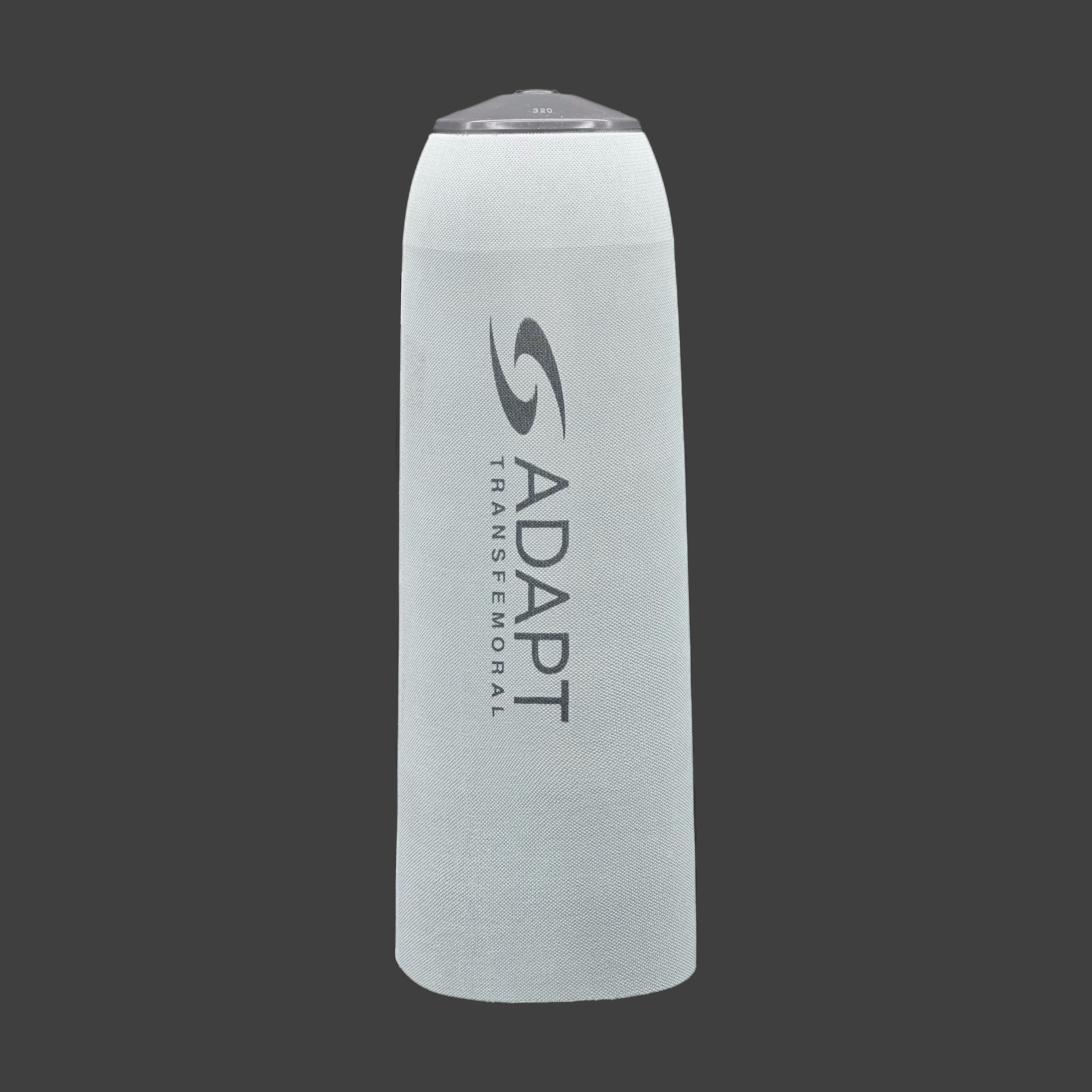
A modern prosthetic leg represents a remarkable fusion of engineering innovation and medical expertise, designed to restore functional mobility and independence for individuals following lower limb amputation. These sophisticated devices go far beyond simple replacement limbs, incorporating advanced materials, intelligent joint systems, and biomechanical designs that closely mimic natural human movement patterns. The restoration of mobility through a prosthetic leg involves a comprehensive approach that addresses not only the physical mechanics of walking but also the psychological and social aspects of returning to an active lifestyle.
The journey from amputation to restored mobility with a prosthetic leg requires careful consideration of multiple factors including residual limb condition, individual activity goals, and the selection of appropriate prosthetic components. Modern prosthetic leg technology has evolved dramatically, offering solutions that can accommodate various amputation levels from partial foot amputations to hip disarticulation. Understanding how these devices work to restore mobility requires examining the intricate relationship between prosthetic design, user adaptation, and rehabilitation protocols that together enable individuals to regain their independence and quality of life.
Advanced Component Technologies in Modern Prosthetic Leg Systems
Intelligent Knee Joint Mechanisms
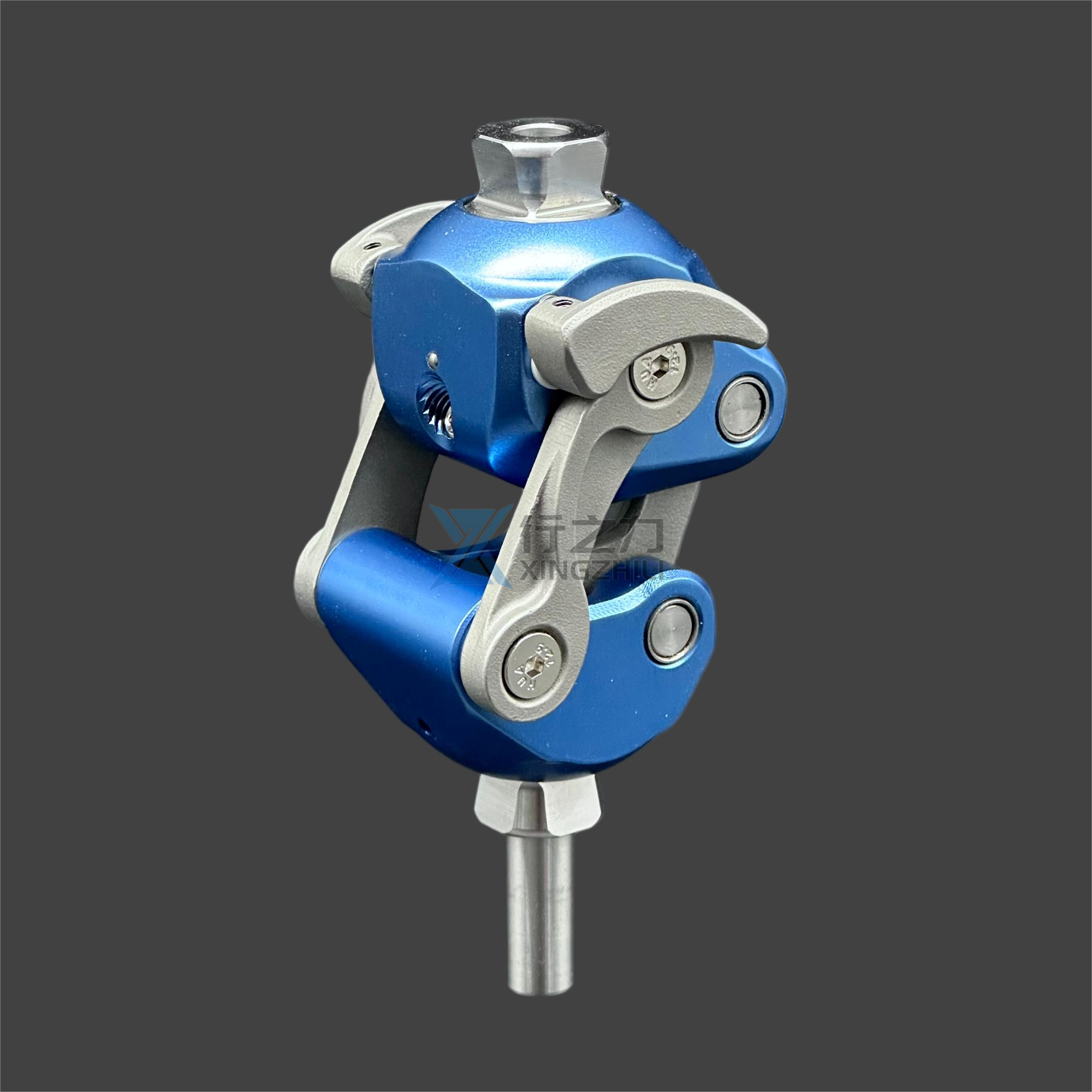
Modern prosthetic leg systems incorporate sophisticated knee joint technologies that dramatically enhance mobility restoration by providing stable, controlled movement during both stance and swing phases of walking. Microprocessor-controlled knee joints represent the pinnacle of prosthetic leg innovation, utilizing real-time sensors to monitor walking speed, terrain changes, and user movement patterns. These intelligent systems automatically adjust resistance and support levels, allowing users to navigate stairs, uneven surfaces, and varying walking speeds with greater confidence and natural gait patterns.
The integration of hydraulic and pneumatic damping systems within prosthetic leg knee joints provides smooth, controlled flexion and extension that closely mimics biological knee function. These advanced mechanisms eliminate the abrupt stopping motions common in mechanical knee systems, reducing user fatigue and improving overall walking efficiency. Four-bar linkage designs in modern prosthetic leg joints offer enhanced stability during the stance phase while maintaining sufficient ground clearance during swing phase, addressing two critical requirements for successful mobility restoration.
Smart Ankle and Foot Technologies
Contemporary prosthetic leg foot components feature dynamic response systems that store and release energy during each step, actively contributing to forward propulsion and reducing the metabolic cost of walking. Carbon fiber construction in prosthetic leg feet provides optimal spring characteristics that adapt to various walking speeds and activities, from casual strolling to athletic pursuits. These energy-return feet significantly improve the efficiency of mobility restoration by reducing the compensatory movements typically required with rigid prosthetic systems.
Adaptive ankle mechanisms in modern prosthetic leg designs automatically adjust to terrain variations, providing dorsiflexion for ramp ascent and plantar flexion for ramp descent. Multi-axial ankle systems allow for inversion and eversion movements, enhancing stability on uneven surfaces and reducing the risk of falls during daily activities. The incorporation of shock-absorbing elements within prosthetic leg ankle systems minimizes impact forces transmitted to the residual limb, improving user comfort and reducing long-term joint stress.
Biomechanical Restoration Principles
Gait Pattern Optimization
The restoration of natural gait patterns through a prosthetic leg requires careful attention to biomechanical alignment and component selection that matches individual user characteristics and activity demands. Proper prosthetic leg alignment ensures optimal weight distribution, reduces compensatory movements, and minimizes energy expenditure during walking activities. Advanced alignment techniques consider not only static positioning but also dynamic factors such as walking speed variations, directional changes, and terrain adaptations that occur during real-world mobility scenarios.
Modern prosthetic leg systems enable symmetric gait patterns by providing appropriate stance phase stability and controlled swing phase clearance, addressing the two fundamental requirements for efficient bipedal locomotion. The restoration of push-off power through energy-storing prosthetic leg components helps normalize stride length and cadence, reducing the asymmetric walking patterns that can lead to secondary musculoskeletal problems. Computer-aided gait analysis during prosthetic leg fitting and adjustment processes ensures optimal biomechanical outcomes and identifies areas requiring fine-tuning for maximum mobility restoration.
Weight Distribution and Load Management
Effective mobility restoration through a prosthetic leg depends on proper load distribution between the residual limb and the prosthetic interface, minimizing pressure points while maintaining secure attachment during dynamic activities. Advanced socket designs incorporate pressure-mapping technology and custom contouring to optimize weight-bearing patterns and reduce interface stresses that could limit mobility or cause discomfort. The integration of liner systems and suspension mechanisms in prosthetic leg designs ensures consistent fit and function throughout daily activity cycles.
Modern prosthetic leg systems address load management through graduated weight-bearing protocols that allow residual limb tissues to adapt progressively to prosthetic use. Adjustable socket systems accommodate volume fluctuations in the residual limb, maintaining optimal fit and function as healing progresses and activity levels increase. The incorporation of shock-absorbing elements within prosthetic leg suspension systems reduces impact forces and vibrations, protecting residual limb tissues while enabling more aggressive mobility activities.
Rehabilitation and Adaptation Processes
Progressive Training Protocols
Successful mobility restoration with a prosthetic leg requires structured rehabilitation programs that systematically develop balance, strength, and coordination skills necessary for safe and efficient prosthetic use. Initial training phases focus on basic weight-bearing tolerance and static balance activities, gradually progressing to dynamic balance challenges and functional mobility tasks. The rehabilitation process for prosthetic leg users incorporates gait training protocols that address specific movement patterns, timing sequences, and compensatory strategies needed for various walking environments.
Advanced prosthetic leg training programs include obstacle navigation, stair climbing, and emergency response maneuvers that prepare users for real-world mobility challenges. Virtual reality and biofeedback systems enhance traditional rehabilitation approaches by providing real-time performance feedback and safe practice environments for complex mobility scenarios. The integration of strength training and cardiovascular conditioning within prosthetic leg rehabilitation programs addresses the increased energy demands associated with prosthetic ambulation and improves overall functional capacity.
Psychological Adaptation and Confidence Building
The psychological aspects of mobility restoration through a prosthetic leg are equally important as the physical components, requiring comprehensive support systems that address body image concerns, activity fears, and social reintegration challenges. Successful prosthetic leg adaptation involves developing trust in the device's capabilities through graduated exposure to increasingly challenging mobility situations. Peer support programs and adaptive sports activities provide valuable opportunities for prosthetic leg users to observe successful outcomes and develop confidence in their mobility potential.
Professional counseling and psychological support services play crucial roles in helping individuals adapt to life with a prosthetic leg, addressing grief processes, identity adjustments, and goal-setting strategies. The development of problem-solving skills and adaptive strategies enables prosthetic leg users to independently manage device-related challenges and maintain their mobility in various situations. Educational programs that teach prosthetic leg maintenance, troubleshooting, and backup planning ensure long-term mobility success and user independence.
Activity-Specific Mobility Solutions
Occupational and Recreational Adaptations
Modern prosthetic leg technology enables return to diverse occupational activities through specialized component selections and adaptive strategies tailored to specific work environments and job demands. Heavy-duty prosthetic leg systems designed for industrial applications incorporate enhanced durability features, improved traction systems, and reinforced attachment mechanisms that withstand demanding work conditions. Professional-grade prosthetic leg components address the unique requirements of healthcare workers, educators, and service professionals who require extended standing, frequent position changes, and reliable mobility throughout long work shifts.
Recreational mobility restoration through prosthetic leg technology includes specialized components for swimming, cycling, running, and team sports activities that enable participation in preferred leisure pursuits. Sport-specific prosthetic leg designs optimize performance characteristics for particular activities while maintaining safety and reliability standards. The availability of multiple prosthetic leg systems allows users to maintain both daily mobility devices and specialized recreational equipment, ensuring optimal performance across diverse activity contexts.
Environmental Adaptability
Contemporary prosthetic leg systems incorporate weather-resistant materials and sealing technologies that enable reliable mobility in various environmental conditions, from humid climates to dusty work environments. All-terrain prosthetic leg foot designs provide enhanced traction and stability on wet surfaces, loose gravel, and uneven terrain commonly encountered in outdoor activities. Waterproof prosthetic leg components enable swimming and water sports participation, expanding recreational opportunities and improving quality of life for active users.
Climate adaptability in modern prosthetic leg systems addresses temperature-related challenges through breathable liner materials, moisture-wicking technologies, and thermal regulation features that maintain comfort during extended use. Cold-weather prosthetic leg modifications include insulation elements and non-slip surface treatments that ensure safe mobility in winter conditions. The integration of quick-change mechanisms allows prosthetic leg users to adapt their devices for different environmental conditions without requiring professional assistance.
Long-Term Mobility Outcomes and Maintenance
Device Longevity and Performance Monitoring
Long-term mobility success with a prosthetic leg requires regular monitoring of device performance, user adaptation patterns, and changing functional requirements that occur over time. Preventive maintenance protocols for prosthetic leg systems include regular component inspections, wear pattern assessments, and alignment verifications that ensure continued optimal performance. Advanced prosthetic leg monitoring systems incorporate wear sensors and performance tracking capabilities that alert users and clinicians to potential issues before they impact mobility.
The evolution of user needs and activity goals necessitates periodic prosthetic leg evaluations and potential component upgrades to maintain optimal mobility outcomes. Residual limb changes due to aging, weight fluctuations, or activity modifications may require socket adjustments or replacement to preserve proper fit and function. Modern prosthetic leg service models emphasize proactive care approaches that prevent mobility limitations and maintain user satisfaction throughout the device lifecycle.
Technological Advancement Integration
The rapid pace of prosthetic leg technological advancement provides ongoing opportunities for mobility enhancement through component upgrades and system modifications. Modular prosthetic leg designs enable selective component replacements that incorporate new technologies without requiring complete device replacement. The integration of smart technologies and connectivity features in modern prosthetic leg systems enables remote monitoring, performance optimization, and predictive maintenance capabilities that enhance long-term mobility outcomes.
Future prosthetic leg developments focus on neural interface technologies, advanced materials, and artificial intelligence systems that promise even greater mobility restoration capabilities. User participation in prosthetic leg research and development programs provides valuable feedback for technology refinement and ensures that new innovations address real-world mobility needs. The commitment to continuous improvement in prosthetic leg technology reflects the ongoing dedication to enhancing quality of life for individuals seeking mobility restoration after amputation.
FAQ
How long does it take to restore mobility with a modern prosthetic leg after amputation?
Mobility restoration with a prosthetic leg typically occurs over 3-6 months following amputation, though the timeline varies significantly based on individual factors such as amputation level, overall health, residual limb healing, and previous activity level. Initial prosthetic leg fitting usually begins 6-8 weeks post-amputation once adequate healing has occurred, followed by progressive rehabilitation training that gradually builds mobility skills and confidence. Advanced prosthetic leg users often achieve independent community ambulation within 2-4 months of beginning training, with continued improvement in efficiency and activity tolerance occurring over the following year.
What factors determine the success of mobility restoration with a prosthetic leg?
Success in restoring mobility with a prosthetic leg depends on multiple interconnected factors including residual limb health and length, overall physical fitness, motivation level, quality of prosthetic components, and access to comprehensive rehabilitation services. Proper prosthetic leg fitting and alignment are crucial technical factors, while psychological adaptation, family support, and realistic goal-setting significantly influence long-term outcomes. The selection of appropriate prosthetic leg technology that matches individual activity goals and lifestyle requirements plays a fundamental role in achieving optimal mobility restoration results.
Can a prosthetic leg restore mobility for high-impact activities and sports?
Modern prosthetic leg technology can successfully restore mobility for many high-impact activities and competitive sports, though the level of participation depends on factors such as amputation level, residual limb condition, and individual athletic ability. Specialized sport-specific prosthetic leg components are designed for running, jumping, and other high-impact activities, enabling participation in activities ranging from recreational hiking to Paralympic competition. The key to successful athletic mobility restoration with a prosthetic leg lies in proper component selection, comprehensive training, and gradual activity progression under professional guidance.
How does a prosthetic leg compare to biological leg function in restoring mobility?
While modern prosthetic leg technology cannot fully replicate all aspects of biological leg function, advanced systems can restore 70-90% of normal mobility capacity for most daily activities, with some users achieving near-normal walking efficiency and speed. Prosthetic leg systems excel in providing stability and controlled movement but cannot match the sensory feedback, proprioception, and fine motor control of biological limbs. The gap between prosthetic and biological leg function continues to narrow with technological advances, particularly in areas of energy return, terrain adaptation, and intuitive control systems that enhance mobility restoration outcomes.
Table of Contents
- Advanced Component Technologies in Modern Prosthetic Leg Systems
- Biomechanical Restoration Principles
- Rehabilitation and Adaptation Processes
- Activity-Specific Mobility Solutions
- Long-Term Mobility Outcomes and Maintenance
-
FAQ
- How long does it take to restore mobility with a modern prosthetic leg after amputation?
- What factors determine the success of mobility restoration with a prosthetic leg?
- Can a prosthetic leg restore mobility for high-impact activities and sports?
- How does a prosthetic leg compare to biological leg function in restoring mobility?