
 EN
EN


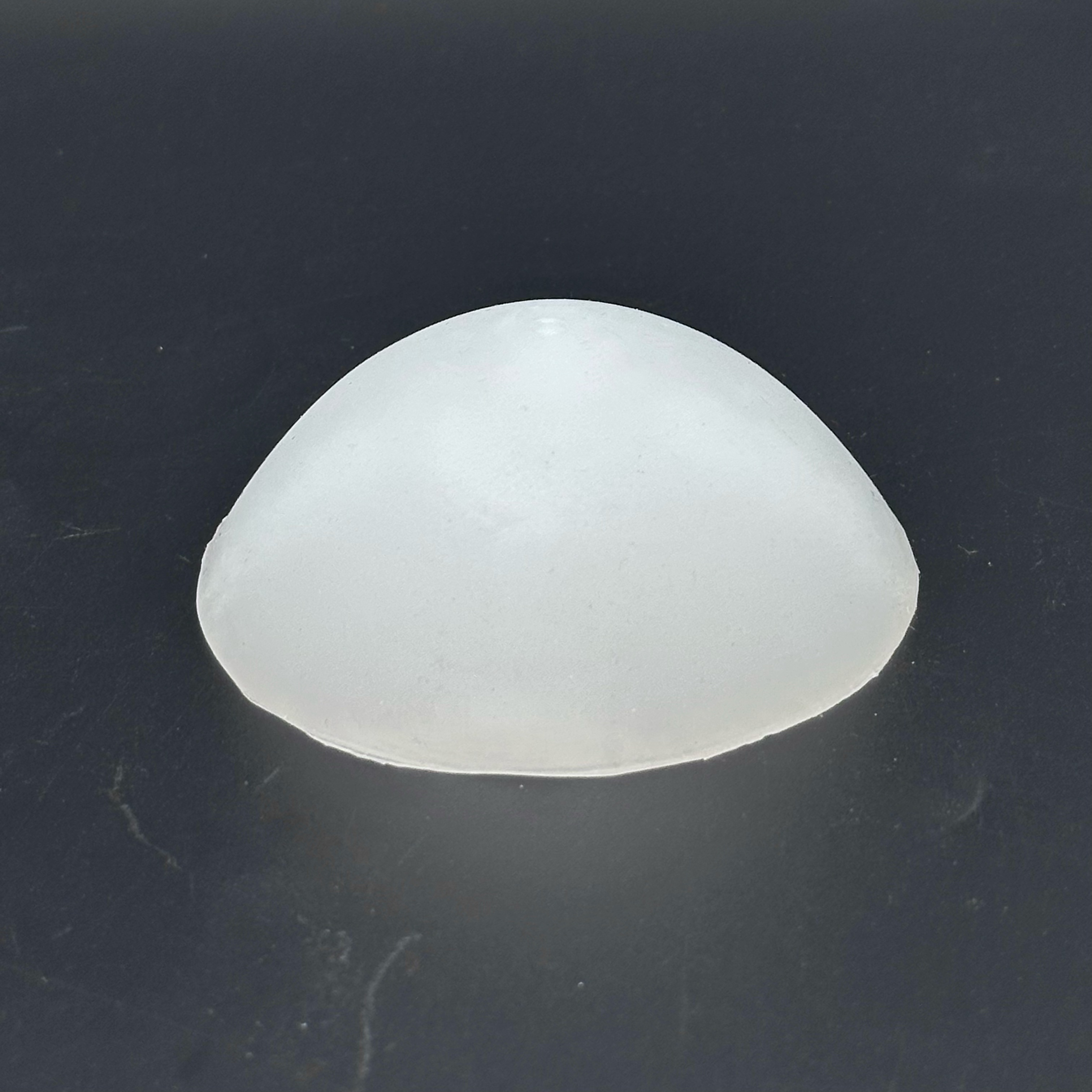
Selecting the right socket design is critical for above-knee amputees seeking comfort, stability, and long-term wearability. The socket serves as the interface between the residual limb and the prosthetic device, making socket design above-knee amputees one of the most important considerations in prosthetic fitting. Poor socket design can lead to skin breakdown, reduced mobility, and abandonment of the prosthesis altogether. Understanding the biomechanical and physiological requirements of socket design above-knee amputees helps clinicians and users make informed decisions that enhance quality of life and functional outcomes.
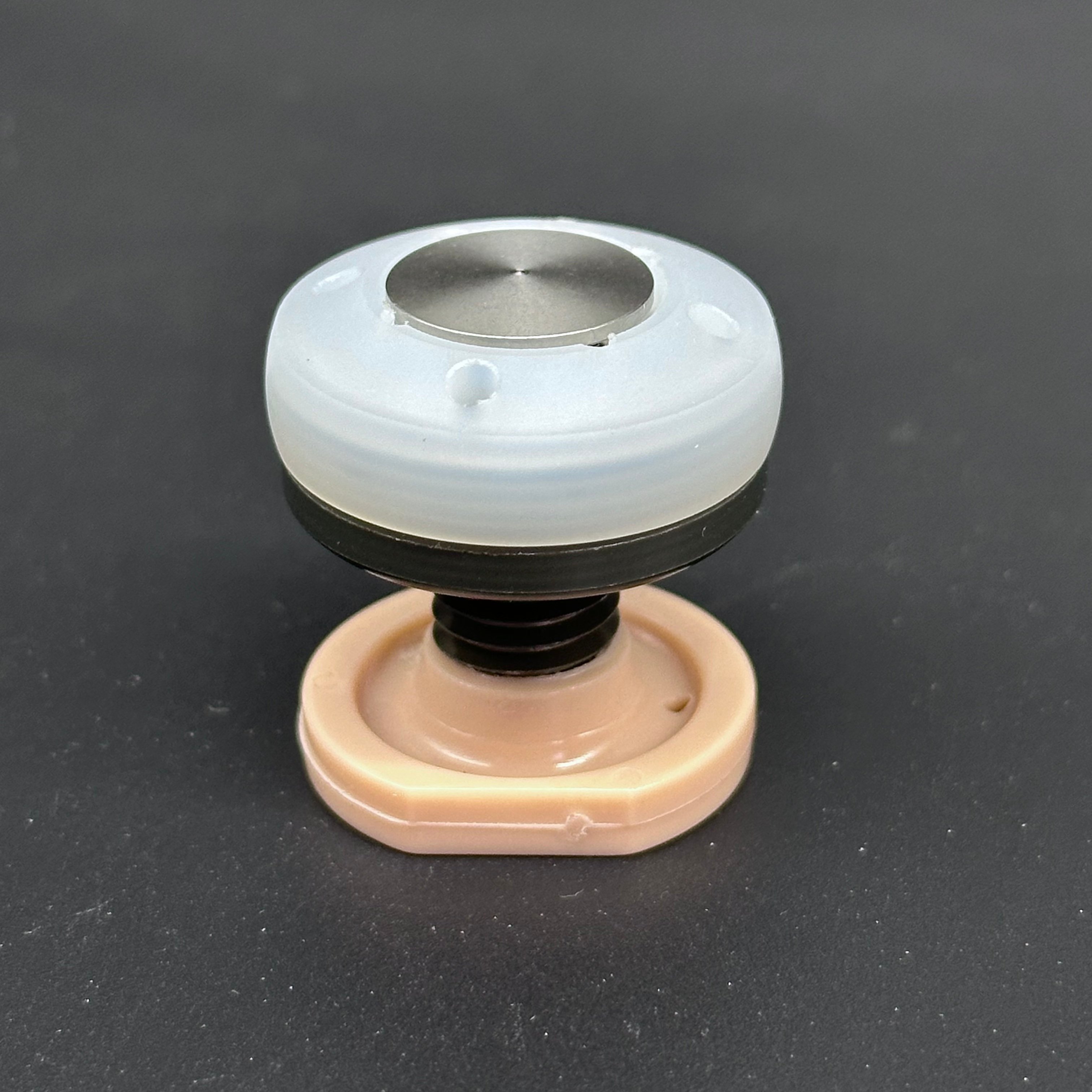
Above-knee amputees face unique challenges during weight-bearing and gait cycles due to the loss of knee function and extended residual limb length. Socket design above-knee amputees must accommodate forces that are significantly higher than those in below-knee prostheses. The ischial tuberosity and gluteal tissues bear much of the load, requiring socket design above-knee amputees that distributes pressure evenly across multiple anatomical contact areas. Modern socket designs incorporate advanced materials, contouring techniques, and pressure-relieving principles to address these complex biomechanical demands.
Understanding Pressure Distribution in Socket Design Above-Knee Amputees
Load-Bearing Zones and Anatomical Considerations
Effective socket design above-knee amputees requires detailed knowledge of load-bearing zones along the residual limb. The ischial tuberosity is designed to bear significant load, but socket design above-knee amputees must also protect sensitive tissues including nerves, blood vessels, and bony prominences. The medial aspect of the socket, in contact with the adductor longus tendon area, demands careful pressure management. Proper socket design above-knee amputees incorporates relief areas at these sensitive locations while maintaining adequate support in weight-bearing zones. Clinicians assess individual limb anatomy through detailed measurements and sometimes three-dimensional scanning to optimize socket design above-knee amputees for each user.
Pressure Mapping and Force Analysis
Modern socket design above-knee amputees benefits from pressure mapping technology that visualizes how forces distribute across the residual limb during walking. Pressure sensors embedded in test sockets provide real-time feedback, allowing prosthetists to refine socket design above-knee amputees for optimal load distribution. Peak pressures should remain below tissue tolerance thresholds to prevent skin breakdown and tissue damage. Socket design above-knee amputees that achieves balanced pressure distribution typically results in improved comfort, reduced friction, and extended wearing tolerance. Pressure mapping also helps identify problem areas early, enabling adjustments to the socket design above-knee amputees before tissue complications develop.
Key Socket Design Features for Above-Knee Prosthesis Users
Contoured Socket Geometry and Quadrilateral Design
The quadrilateral socket design has long been a standard approach for socket design above-knee amputees, featuring a square-like cross-section with specific contours at the anterior wall, medial wall, lateral wall, and posterior wall. This socket design above-knee amputees places the ischial tuberosity on a shelf-like posterior support, distributing weight across a broader surface. The anterior wall relief in socket design above-knee amputees accommodates the rectus femoris muscle and protects the anterior bony structures. Modern socket design above-knee amputees may also incorporate ischial containment concepts, where the socket design above-knee amputees more fully encompasses the ischial tuberosity for improved stability. Each approach to socket design above-knee amputees offers distinct advantages, and the choice depends on individual residual limb anatomy, activity level, and user preference.
Material Selection and Cushioning Systems
Socket design above-knee amputees increasingly incorporates advanced materials that provide both structural support and pressure relief. Multi-layer socket design above-knee amputees typically includes a rigid outer shell for stability combined with soft liner materials that conform to residual limb contours. Gel or foam liners used in socket design above-knee amputees reduce peak pressures and distribute loads more gradually across tissue surfaces. Socket design above-knee amputees with pressure-relieving liners can significantly improve comfort during prolonged wear. The selection of liner thickness and material stiffness in socket design above-knee amputees represents a balance between comfort, proprioception, and durability. Custom liners improve socket design above-knee amputees outcomes by allowing precise pressure management in specific anatomical zones.
Clinical Implementation and Fitting Optimization
Assessment and Measurement Protocols
Successful socket design above-knee amputees begins with comprehensive residual limb assessment, including circumference measurements at multiple levels and identification of anatomical landmarks. Prosthetists conducting socket design above-knee amputees evaluations examine skin condition, tissue quality, bone prominence, and muscle mass to inform design decisions. Socket design above-knee amputees protocols may involve fabricating test sockets before creating the final prosthesis, allowing for pressure testing and user feedback. This iterative approach to socket design above-knee amputees ensures the final device meets individual biomechanical and comfort requirements. Regular follow-up assessments following socket design above-knee amputees delivery help identify early problems and guide necessary adjustments.
Donning, Doffing, and Ongoing Adjustments
User education regarding proper donning and doffing techniques is essential for maintaining the benefits of optimized socket design above-knee amputees. Skin care practices directly support the success of any socket design above-knee amputees, as compromised skin integrity reduces tolerance for prosthetic wear. Socket design above-knee amputees may require periodic adjustments as residual limb volume changes, particularly during the first year post-amputation. Regular contact with the prosthetic team helps address early signs of pressure problems before they compromise the effectiveness of socket design above-knee amputees. Advanced socket design above-knee amputees with adjustable features allow modifications without complete socket replacement, extending the functional life of the device.
FAQ
What factors most influence comfort in socket design above-knee amputees?
Socket fit, pressure distribution, material selection, and residual limb volume stability are the primary factors affecting comfort in socket design above-knee amputees. A well-designed socket that evenly distributes pressure across load-bearing tissues while protecting sensitive areas significantly enhances wearing tolerance. Socket design above-knee amputees that accommodate muscle contractions during gait and activity also improves comfort and functional performance.
How often should socket design above-knee amputees be reassessed?
Socket design above-knee amputees should be evaluated within the first few weeks after initial fitting, then regularly during the first year as residual limb volume stabilizes. After the stabilization period, socket design above-knee amputees typically requires reassessment annually or whenever users report changes in comfort or fit. Changes in weight, activity level, or skin condition may necessitate earlier reassessment of socket design above-knee amputees to maintain optimal pressure distribution and functionality.
Can socket design above-knee amputees improve gait quality and stability?
Yes, proper socket design above-knee amputees significantly impacts gait quality and stability by providing secure contact between the residual limb and prosthetic device. When socket design above-knee amputees maintains stable positioning without excessive movement or pressure points, users can focus on walking mechanics rather than managing discomfort. Superior socket design above-knee amputees enables users to achieve more natural gait patterns and increased confidence during ambulation and daily activities.