
 EN
EN



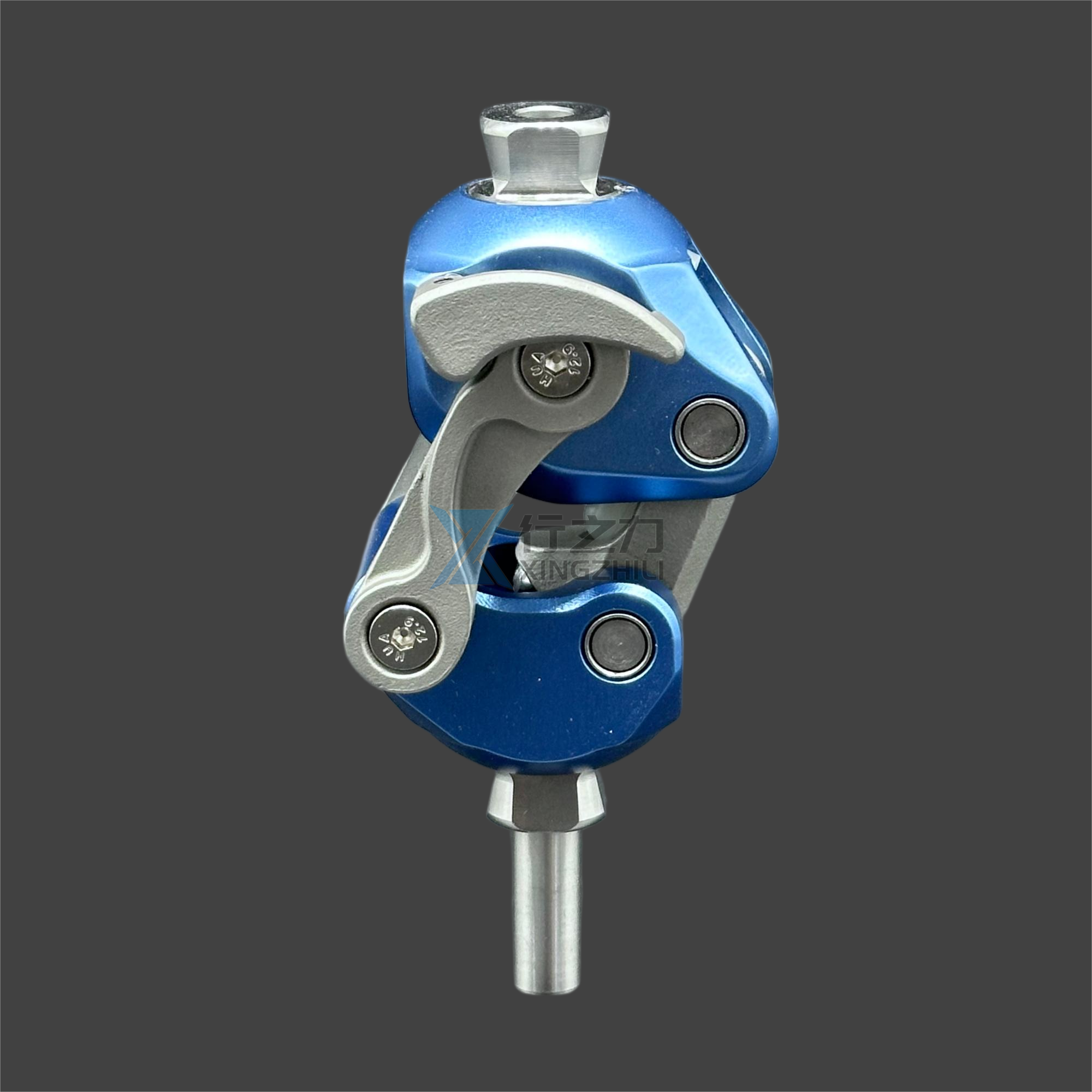
A well-functioning prosthetic knee joint is essential for mobility, confidence, and daily independence. However, squeaking noises and structural loosening can develop over time, compromising both comfort and safety. Understanding the critical maintenance steps for prosthetic knee joint maintenance ensures your device remains reliable and performs optimally throughout its service life. Regular upkeep prevents premature wear, extends device longevity, and maintains the smooth operation that users depend on.
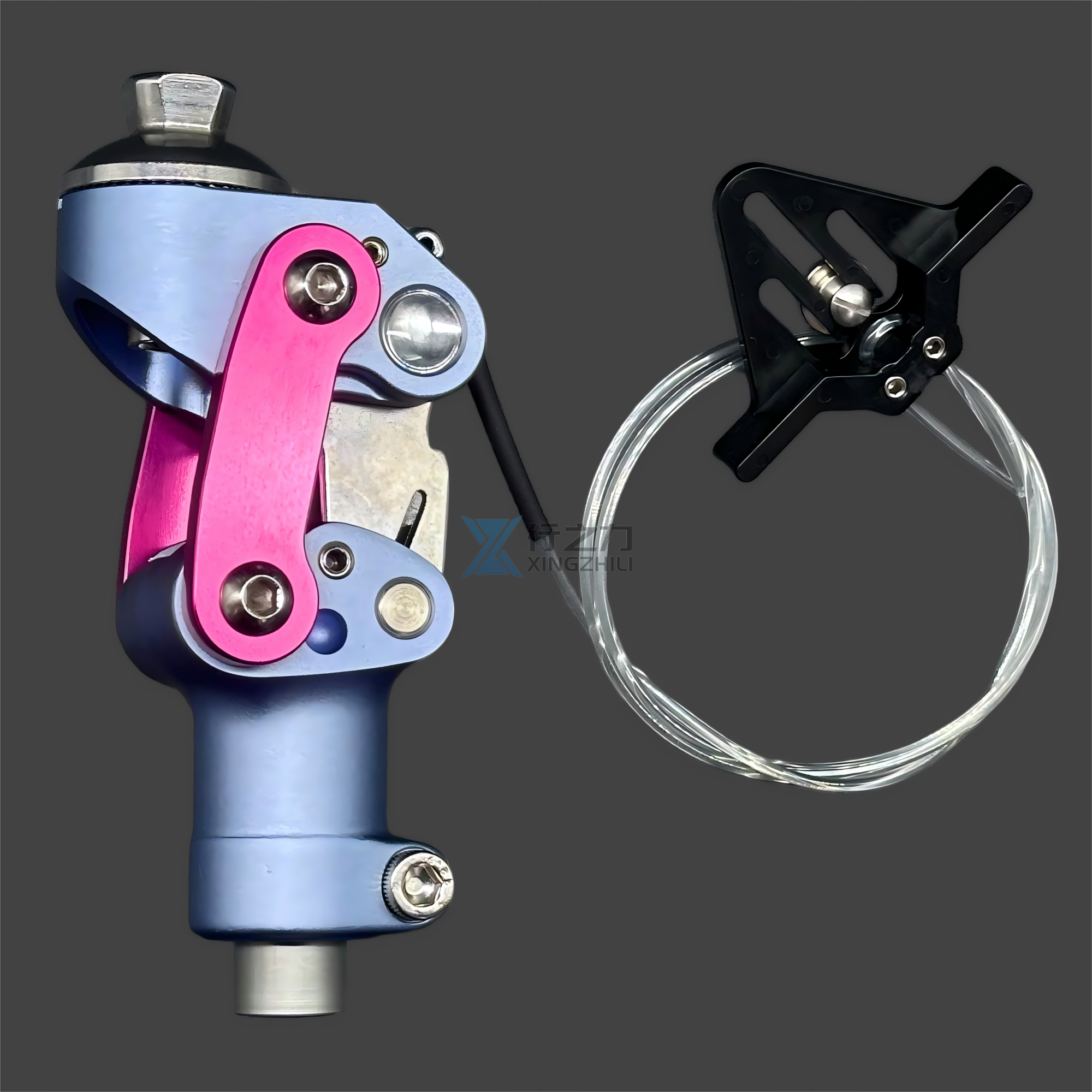
Squeaking and loosening issues in prosthetic devices typically stem from inadequate lubrication, accumulated debris, moisture exposure, and mechanical wear between joint components. By implementing consistent prosthetic knee joint maintenance routines, users can identify problems early, prevent component deterioration, and avoid sudden failures during critical activities. Proactive care also reduces the need for expensive repairs and unexpected replacement of the entire prosthetic system.
Understanding Common Squeaking and Loosening Issues
Root Causes of Squeaking Noises
Squeaking in a prosthetic knee joint typically occurs when friction develops between metal and plastic components or when debris lodges between articulating surfaces. Without proper prosthetic knee joint maintenance, lubrication films break down, causing direct contact friction that generates audible noise. Environmental factors such as humidity and temperature fluctuations can also affect joint lubrication viscosity, leading to temporary or persistent squeaking sounds. Understanding these root causes forms the foundation for effective preventive maintenance strategies.
Structural Loosening and Its Impact
Loosening of prosthetic knee joint components occurs when fasteners gradually become slack through repeated mechanical stress and vibration. Without adequate prosthetic knee joint maintenance protocols, small movements accumulate, creating larger gaps between parts and reducing load-bearing efficiency. Loosening compromises the biomechanical alignment of the entire prosthetic system, potentially causing pain, instability during walking, and uneven wear patterns. Early detection and intervention prevent cascading failures that could render the prosthetic knee joint unusable.
Essential Lubrication and Cleaning Procedures
Selecting Appropriate Lubricants
Choosing the right lubricant is fundamental to prosthetic knee joint maintenance because different materials require specific formulations. Silicone-based lubricants offer excellent water resistance and long-lasting protection without attracting dust particles. For comprehensive prosthetic knee joint maintenance, apply lubricants specifically designed for medical devices to avoid incompatible substances that might degrade plastic or seal components. Always consult manufacturer guidelines before selecting any lubricant product to ensure compatibility with your specific prosthetic knee joint design.
Regular Cleaning Techniques
Cleaning is a cornerstone of effective prosthetic knee joint maintenance that removes accumulated dirt, sweat, and environmental debris. Gently wipe the knee joint with a soft, dry cloth daily to prevent buildup around articulation points. For deeper cleaning as part of your prosthetic knee joint maintenance routine, use a slightly dampened cloth with mild soap, ensuring no water enters sealed mechanisms. Dry thoroughly and reapply appropriate lubricant afterward to maintain protective films that prevent squeaking and structural corrosion.
Inspection and Tightening Protocols
Visual Inspection Best Practices
Regular visual inspection is critical for identifying early warning signs of wear or loosening in your prosthetic knee joint maintenance plan. Examine all visible fasteners, connection points, and alignment markers for signs of movement or misalignment. Look for visible cracks, discoloration changes, or unusual surface deterioration that might indicate material stress or chemical exposure. Establish a monthly prosthetic knee joint maintenance inspection routine to catch problems before they develop into functional issues affecting your daily mobility and comfort.
Mechanical Fastener Management
Fasteners require periodic attention to maintain structural integrity within your prosthetic knee joint maintenance framework. Using a prosthetic-appropriate tool kit, carefully check all accessible bolts, screws, and connection points for slack or movement. Apply gentle, controlled torque when tightening—excessive force can strip threads or damage precision components, compromising prosthetic knee joint maintenance efforts. Create a maintenance log documenting inspection dates and tightening actions to establish patterns and identify components requiring more frequent attention or potential replacement.
Environmental Factors and Protective Measures
Moisture Management
Moisture exposure represents a significant threat to prosthetic knee joint maintenance effectiveness because water infiltration accelerates corrosion and lubricant breakdown. Avoid prolonged water immersion, and if your prosthetic knee gets wet, pat dry immediately with absorbent cloths. Store your prosthetic in a dry environment with stable humidity levels to prevent moisture accumulation during non-use periods. Incorporating moisture barriers or protective covers into your prosthetic knee joint maintenance routine can extend component lifespan and prevent premature squeaking caused by corrosion.
Temperature and Use Considerations
Temperature extremes affect lubricant viscosity and material properties, making temperature management essential for prosthetic knee joint maintenance. Avoid exposing your device to direct sunlight for extended periods or storing it in locations with significant temperature swings. Heavy-use activities may accelerate wear cycles, requiring more frequent prosthetic knee joint maintenance interventions. Adjust your maintenance schedule based on activity level, climate conditions, and individual usage patterns to maintain optimal performance and prevent squeaking or loosening issues.
FAQ
How often should I perform prosthetic knee joint maintenance checks?
Establish a monthly inspection routine for basic prosthetic knee joint maintenance, including visual checks and lubrication. If you use your prosthetic daily or engage in high-activity pursuits, increase inspection frequency to every two weeks. After exposure to water, dirt, or extreme conditions, perform immediate prosthetic knee joint maintenance cleaning and lubrication. Document all maintenance activities to identify patterns and determine if your device requires professional servicing.
Can squeaking in a prosthetic knee joint indicate a serious problem?
Squeaking is often an early warning sign that prosthetic knee joint maintenance intervention is needed, though it does not automatically indicate failure. Consistent squeaking may signal inadequate lubrication, loose fasteners, or developing material wear requiring professional evaluation. However, sudden loud squeaking accompanied by instability warrants immediate professional assessment rather than relying solely on home prosthetic knee joint maintenance. Regular maintenance often prevents squeaking from developing into more serious functional problems.
What should I do if loosening persists despite prosthetic knee joint maintenance efforts?
If components remain loose after careful tightening, the prosthetic knee joint maintenance issue may involve stripped threads or component-level damage beyond home care. Contact your prosthetic provider or orthotist immediately to assess whether components require professional adjustment or replacement. Continued use with persistent loosening can accelerate wear and potentially compromise safety during ambulation. Professional servicing ensures proper alignment and function that home-based prosthetic knee joint maintenance cannot achieve when structural issues develop.