
 EN
EN



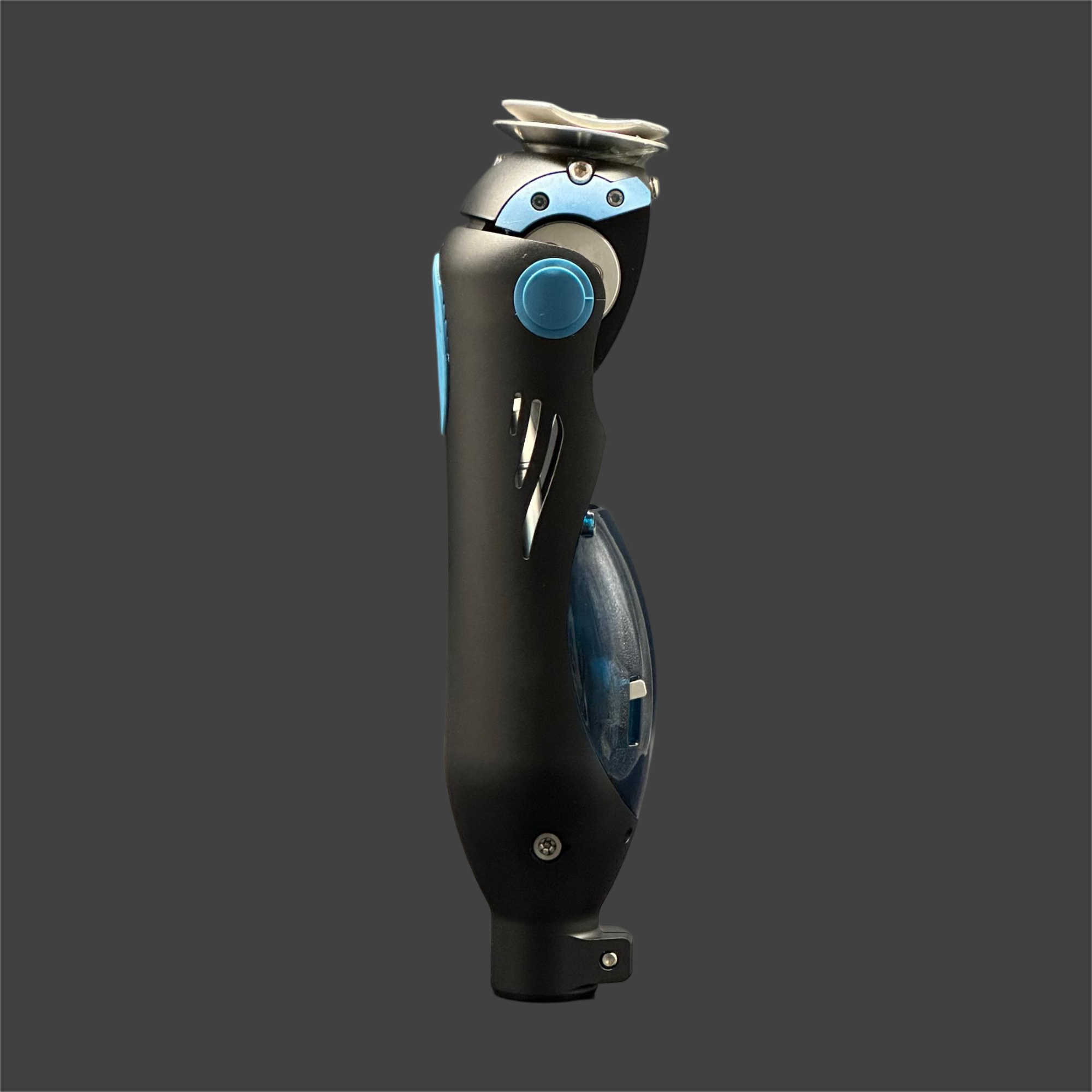
Selecting the right prosthetic knee-foot combination is one of the most critical decisions for amputees seeking to restore natural movement on challenging terrain. While many prosthetic solutions perform adequately on flat, level surfaces, the ability to navigate slopes—whether climbing hills, descending ramps, or traversing uneven ground—requires a carefully matched prosthetic knee-foot combination that can dynamically respond to changing angles and load distribution. The challenge lies in finding a prosthetic knee-foot combination that seamlessly integrates hydraulic, pneumatic, or microprocessor-controlled components to mimic the natural ankle, knee, and hip mechanics that non-amputees take for granted when moving on inclined surfaces.
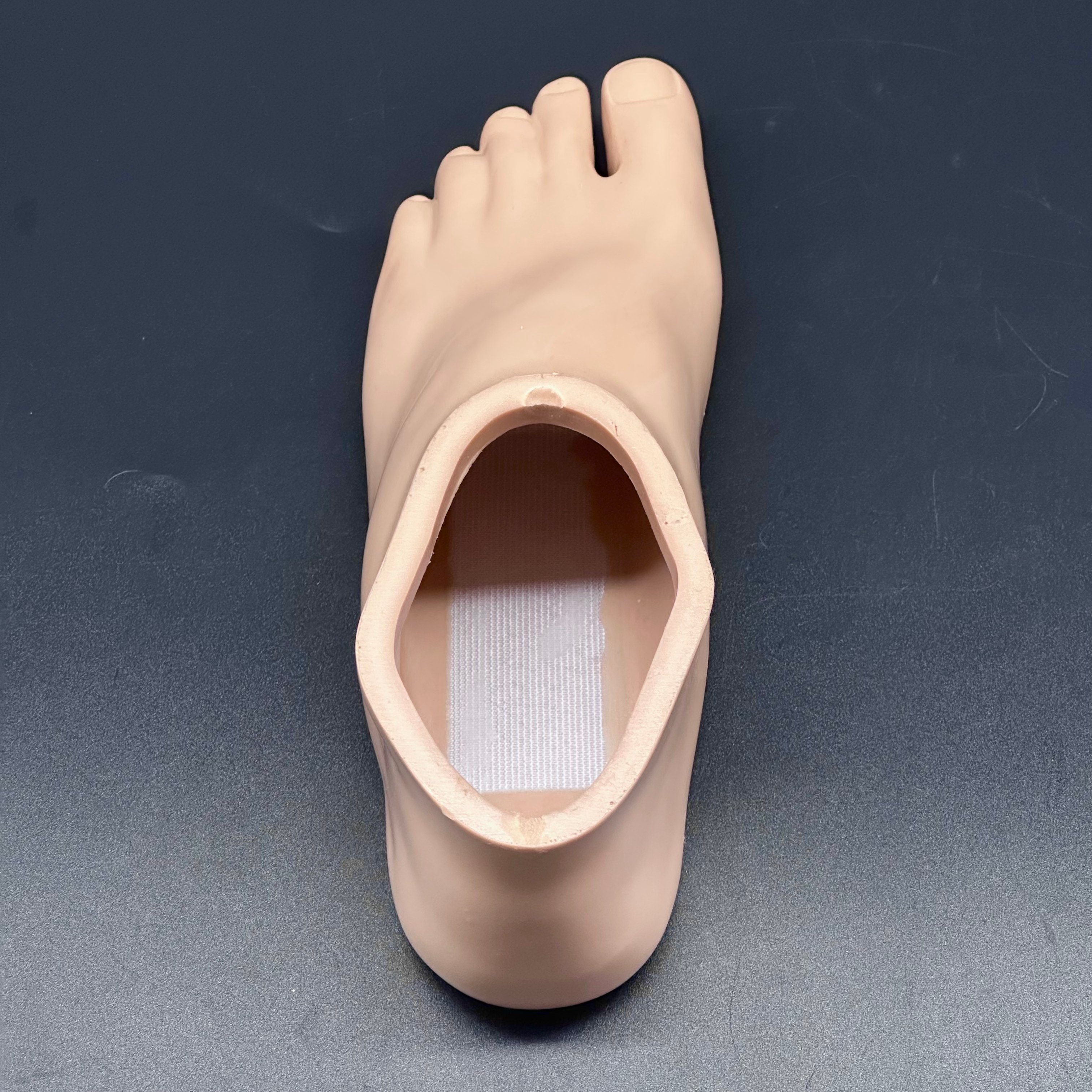
The biomechanics of slope walking differ significantly from level-ground walking. When ascending or descending an incline, the prosthetic knee-foot combination must adjust joint angles, stiffness, and damping in real time to maintain stability and propulsive power. This is why modern prosthetic knee-foot combination systems incorporate advanced technologies such as stance-phase control, swing-phase management, and predictive algorithms that detect terrain changes before weight transfer occurs. For users who spend time in environments with regular slope exposure—whether hiking, rural living, or urban settings with significant grade changes—investing in a high-performance prosthetic knee-foot combination can make the difference between confident mobility and cautious, energy-intensive compensation patterns.
Understanding Prosthetic Knee-Foot Integration for Slope Performance
How Slope Terrain Demands Different Prosthetic Response
Slope walking introduces forces and angles that flat-ground prosthetics are not optimized to handle. When using a prosthetic knee-foot combination on an incline, the foot must plantarflex (point downward) more aggressively on ascent and dorsiflex (point upward) more gradually on descent to maintain contact with the surface and preserve balance. A standard prosthetic knee-foot combination designed primarily for level walking often fails to provide sufficient dorsiflexion range or plantarflexion stiffness to accommodate these requirements. The ankle component must work in concert with the knee to distribute ground reaction forces appropriately, preventing excessive stress on the residual limb and reducing the risk of falls or compensatory strain on the intact limb.
Key Technical Features for Slope Capability
The most effective prosthetic knee-foot combination systems for slope performance incorporate microprocessor-controlled knees or hydraulic damping mechanisms that adjust resistance thousands of times per second. An advanced prosthetic knee-foot combination with stance-phase stance flexion allows the knee to bend slightly during weight acceptance on descents, absorbing impact and maintaining alignment with the slope surface. Additionally, a high-quality prosthetic knee-foot combination features a foot component with a multi-axis or articulated design, enabling the foot to invert and evert (rock side-to-side) on uneven terrain while maintaining stability. The integration of these technologies into a unified prosthetic knee-foot combination ensures that each component works predictively, not reactively, reducing lag and improving user confidence on challenging terrain.
Matching Prosthetic Knee-Foot Combinations to User Goals and Environments
Assessing Slope-Related Activity Demands
Before selecting a prosthetic knee-foot combination, users and prosthetists must evaluate the specific slope challenges the user will face. A prosthetic knee-foot combination suited for occasional mild slopes differs substantially from one designed for frequent steep hiking or daily navigation of hilly urban environments. Users who regularly encounter slopes benefit from a prosthetic knee-foot combination with wider dorsiflexion and plantarflexion ranges, faster response times, and higher load-bearing capacity. Conversely, a prosthetic knee-foot combination optimized for primarily flat-ground use with occasional slope exposure may suffice for less demanding scenarios. Understanding the user's lifestyle, occupation, recreation interests, and local terrain is foundational to recommending the right prosthetic knee-foot combination that will not only improve mobility but also reduce compensatory stress and long-term tissue damage.
Alignment and Tuning Considerations
Even the most advanced prosthetic knee-foot combination performs poorly if alignment is incorrect. Prosthetists must set the prosthetic knee-foot combination with appropriate alignment offsets that account for the user's residual limb geometry, body mass, gait speed, and intended slope exposure. A prosthetic knee-foot combination may require slightly more dorsiflexion angle at the ankle or different knee flexion settings for slope use compared to level-ground settings. Fine-tuning a prosthetic knee-foot combination involves gait analysis, repeated fitting adjustments, and user feedback over multiple sessions. The prosthetist may need to modify the prosthetic knee-foot combination's alignment, damping coefficients, or component selection based on observed gait patterns and user reports of comfort and confidence. This iterative process ensures that the prosthetic knee-foot combination performs optimally not just in the clinic but in the user's real-world environments, including the slopes and inclines they encounter daily.
Component Selection and Technology Levels for Slope Walking
Microprocessor-Controlled versus Passive Prosthetic Knee-Foot Combinations
The primary distinction lies between passive prosthetic knee-foot combination systems and those with active control. Passive prosthetic knee-foot combination designs rely on springs, geometry, and static stiffness tuning, making them lighter, more durable, and lower cost but less adaptive to slope changes. Microprocessor-controlled prosthetic knee-foot combination systems use sensors to detect slope angles, walking speed, and load distribution, then dynamically adjust knee damping and foot compliance. For users prioritizing slope performance, a microprocessor-controlled prosthetic knee-foot combination offers superior safety and energy efficiency, though at higher initial cost. Some users may opt for a hybrid approach: a passive prosthetic knee-foot combination for everyday use and a specialized slope-optimized prosthetic knee-foot combination for recreational or occupational activities. The choice depends on user goals, budget, and lifestyle frequency of slope exposure.
Foot Component Technology and Multi-Axis Design
The foot component within a prosthetic knee-foot combination is equally important as the knee for slope performance. Single-axis feet offer limited slope capability, while multi-axis prosthetic feet built into a prosthetic knee-foot combination can invert, evert, and articulate in multiple planes, enabling the user to maintain a flatter foot contact on angled terrain. Some prosthetic knee-foot combination systems incorporate shock-absorbing feet or terrain-responsive feet that dampen impact on descent and provide propulsive assist on ascent. Energy-return feet paired with a well-tuned prosthetic knee-foot combination enhance efficiency on slopes, reducing fatigue and compensatory strain. Hydraulic feet or pneumatic feet, when integrated into a comprehensive prosthetic knee-foot combination, provide smoother slope transitions and more natural gait characteristics compared to purely mechanical designs, particularly on steep grades where control is paramount.
FAQ
What is the main difference between a prosthetic knee-foot combination designed for slopes versus flat ground?
A slope-optimized prosthetic knee-foot combination includes enhanced dorsiflexion and plantarflexion range, faster response damping, and often multi-axis foot technology to accommodate changing terrain angles. Flat-ground prosthetic knee-foot combinations prioritize comfort and efficiency on level surfaces but may lack the dynamic control needed for safe slope navigation. Slope-capable prosthetic knee-foot combinations typically feature microprocessor control, terrain-sensing technology, or sophisticated hydraulic damping that adjusts in real time, whereas basic flat-ground prosthetic knee-foot combinations rely on fixed stiffness and geometry.
Can a standard prosthetic knee-foot combination handle occasional slopes?
A standard prosthetic knee-foot combination can manage gentle, infrequent slopes with careful user technique, but it will not perform optimally or safely on steep or frequent inclines. Users with a standard prosthetic knee-foot combination on slopes often develop compensatory gait patterns, experiencing increased residual limb pain and higher fall risk. For users who encounter slopes regularly—even moderate inclines a few times per week—upgrading to a slope-specific prosthetic knee-foot combination is recommended to improve safety, reduce tissue stress, and enhance quality of life.
How does prosthetist alignment affect prosthetic knee-foot combination performance on slopes?
Prosthetist alignment is critical: a prosthetic knee-foot combination must be tuned with the correct foot-to-knee angle, knee-to-hip alignment, and damping settings for the user's body weight and anticipated slope grades. Even an excellent prosthetic knee-foot combination will feel unstable or uncomfortable if alignment is off by a few millimeters. Prosthetists use gait analysis and iterative fitting to optimize the prosthetic knee-foot combination's alignment specifically for slope use, ensuring that the user can confidently navigate inclines without excessive compensatory stress or fatigue.