
 EN
EN



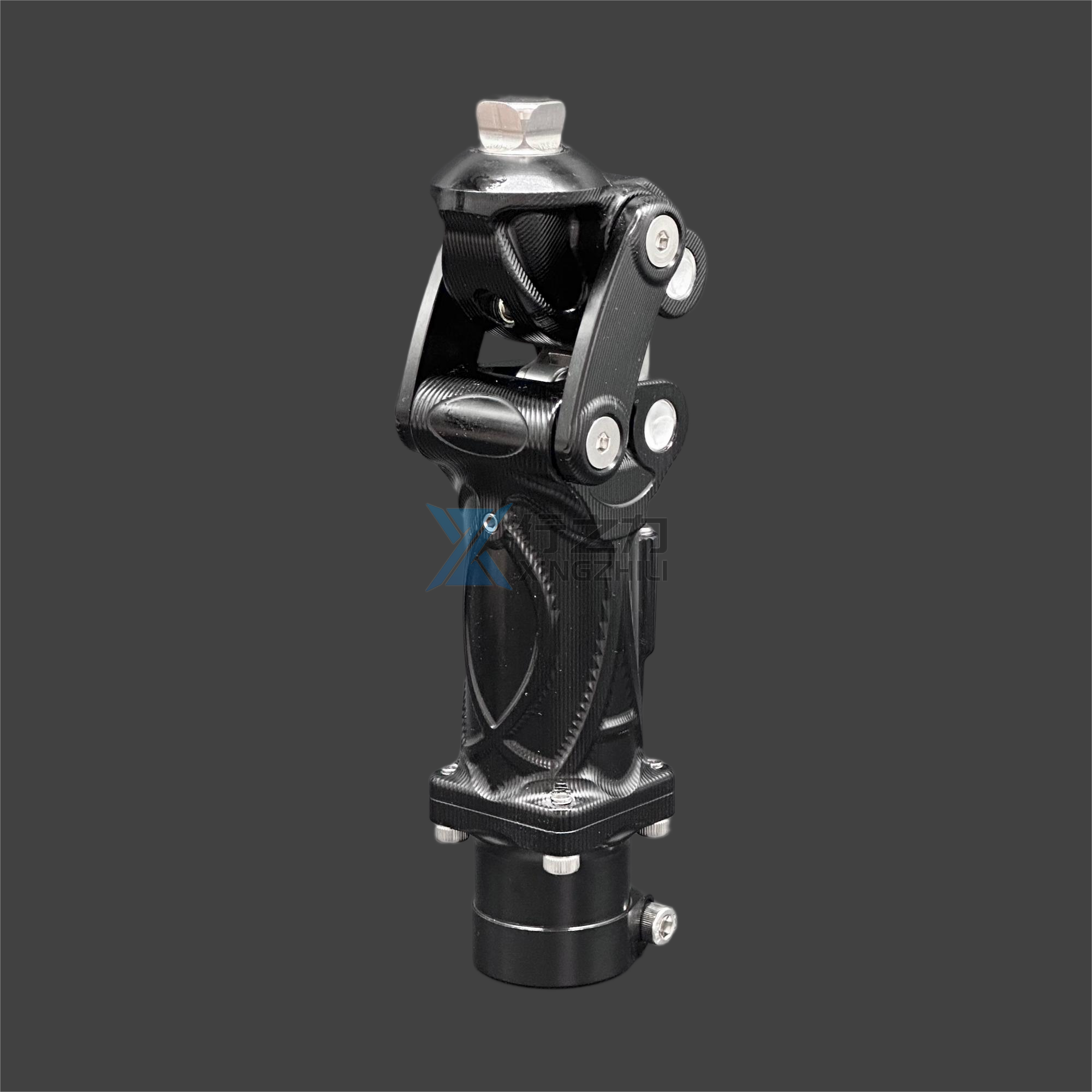
Mechanical prosthetic knee joints are precision-engineered devices designed to restore mobility and independence for individuals with lower limb amputations. Despite their robust construction, these components face continuous mechanical stress during daily activities, making proactive maintenance essential for longevity and optimal performance. Understanding the specific maintenance steps that prevent wear and tear in mechanical prosthetic knee joints enables users and prosthetists to preserve functionality, reduce repair costs, and maintain safety standards throughout the device's operational life.
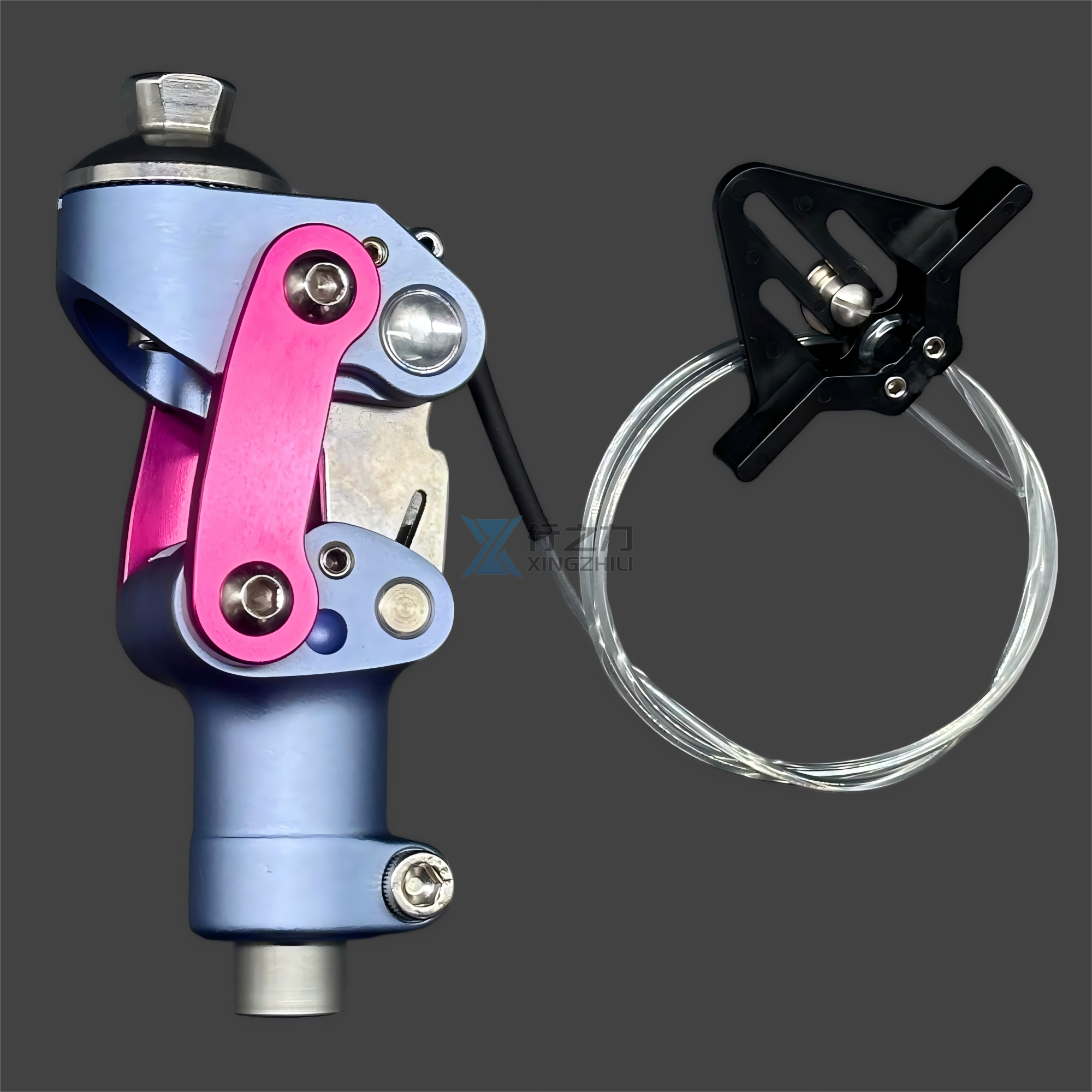
The maintenance requirements for mechanical prosthetic knee joints differ significantly from microprocessor-controlled alternatives, as they rely primarily on mechanical linkages, friction elements, and hydraulic or pneumatic systems. Without the protective algorithms found in computerized knees, mechanical prosthetic knee joints demand disciplined maintenance protocols that address friction points, structural integrity, and environmental exposure. This comprehensive guide outlines the critical maintenance steps that directly prevent wear and tear, organized around inspection routines, cleaning procedures, lubrication practices, alignment verification, and component replacement strategies.
Regular Inspection Protocols for Mechanical Prosthetic Knee Joints
Visual Assessment of Structural Components
Establishing a consistent visual inspection routine represents the foundational maintenance step for preventing wear and tear in mechanical prosthetic knee joints. Users should examine the knee housing, connecting brackets, and pyramid adapters at least weekly for signs of surface damage, corrosion, or structural fatigue. Cracks in aluminum housings, even hairline fractures, can propagate rapidly under cyclic loading and compromise the entire prosthetic system. Prosthetists recommend using adequate lighting and magnification when inspecting connection points where stress concentrations naturally develop during gait cycles.
The inspection process should specifically target areas where dissimilar materials meet, as galvanic corrosion can develop at these interfaces when moisture penetrates protective coatings. Mechanical prosthetic knee joints with stainless steel components attached to aluminum housings require particular attention to fastener integrity and surface finish degradation. Any discoloration, pitting, or powder-like residue at connection points indicates corrosion activity that will accelerate wear if left unaddressed. Documentation of these observations through photography or written notes helps track degradation patterns over time and informs replacement decisions before catastrophic failures occur.
Functional Testing for Wear Indicators
Beyond visual inspection, functional testing reveals internal wear patterns in mechanical prosthetic knee joints that may not be immediately visible. Users should perform controlled flexion and extension movements while listening for unusual sounds such as clicking, grinding, or squeaking, which indicate insufficient lubrication or component misalignment. Increased resistance during range-of-motion testing suggests friction element degradation or contamination within hydraulic damping systems. These functional indicators often precede visible damage and provide early warning of maintenance needs.
Testing the locking mechanisms in manual-lock mechanical prosthetic knee joints requires specific attention, as wear in the engagement surfaces directly affects safety during stance phase. The lock should engage positively with minimal force and release smoothly without binding or hesitation. Any degradation in lock performance creates fall risks and indicates that internal components have experienced sufficient wear to compromise function. Prosthetists can perform more sophisticated testing using torque measurements and flexion resistance quantification during clinical appointments, establishing baseline values that enable objective tracking of wear progression.
Cleaning Procedures That Minimize Degradation
Surface Cleaning Techniques for External Components
Proper cleaning of mechanical prosthetic knee joints removes abrasive particles and corrosive substances that accelerate wear on moving surfaces and protective coatings. Daily cleaning should involve wiping external surfaces with a slightly damp cloth to remove dust, perspiration salts, and environmental contaminants. Unlike computerized prosthetics, most mechanical prosthetic knee joints tolerate more aggressive cleaning, but submersion and high-pressure water application should still be avoided to prevent moisture infiltration into bearing surfaces and damping chambers.
The selection of cleaning agents significantly impacts the longevity of mechanical prosthetic knee joints. Mild soap solutions with neutral pH values effectively remove organic contaminants without degrading anodized finishes or rubber components. Alcohol-based cleaners should be used sparingly and only on metal surfaces, as they can dry out seals and O-rings that maintain hydraulic fluid containment. After cleaning, thorough drying with a lint-free cloth prevents water spotting and reduces corrosion initiation, particularly in threaded connections and adjustment mechanisms where moisture can become trapped.
Deep Cleaning for Internal Components
Periodic deep cleaning of mechanical prosthetic knee joints requires disassembly by qualified prosthetists to access internal bearing surfaces, friction pads, and hydraulic chambers. This maintenance step typically occurs during annual servicing or when functional testing indicates contamination. Internal cleaning removes accumulated wear particles, degraded lubricants, and moisture that has penetrated seals, all of which accelerate abrasive wear on precision-machined surfaces. The disassembly process itself provides opportunity for detailed inspection of components that are never visible during external examination.
During deep cleaning, prosthetists evaluate the condition of bushings, bearings, and articulating surfaces within mechanical prosthetic knee joints. Solvent cleaning removes old lubricants and contaminants, while ultrasonic cleaning can be applied to small components like fasteners and adjustment screws. This thorough cleaning process extends component life by eliminating the three-body abrasive wear that occurs when hard particles become embedded in softer materials. Following cleaning, components must be completely dried and immediately relubricated to prevent flash corrosion on newly exposed metal surfaces.
Lubrication Practices for Extended Service Life
Lubricant Selection and Application Points
Appropriate lubrication represents perhaps the most critical maintenance step for preventing wear in mechanical prosthetic knee joints, as it directly addresses friction between moving surfaces. The selection of lubricants must consider the specific materials, operating temperatures, and environmental conditions encountered during use. Most mechanical prosthetic knee joints benefit from synthetic lubricants that resist oxidation, maintain viscosity across temperature ranges, and provide superior boundary lubrication compared to petroleum-based alternatives. These lubricants form protective films that separate metal surfaces even under the high contact pressures experienced during weight-bearing activities.
Application points for lubrication in mechanical prosthetic knee joints include pivot pins, bushing interfaces, extension assist mechanisms, and manual lock engagement surfaces. Over-lubrication should be avoided as excess lubricant attracts dust and abrasive particles that accelerate wear. The optimal approach involves applying minimal quantities directly to bearing surfaces and working the joint through its range of motion to distribute the lubricant evenly. Transparent or translucent housings on some mechanical prosthetic knee joints allow visual verification of lubricant distribution, while opaque designs require reliance on the tactile feedback of smooth, consistent movement.
Lubrication Frequency and Reapplication Protocols
The frequency of lubrication for mechanical prosthetic knee joints depends on activity level, environmental conditions, and specific design characteristics. High-activity users in dusty or humid environments require more frequent lubrication than sedentary users in controlled indoor settings. General guidelines suggest lubrication every three to six months for typical users, with more frequent application for athletic activities or occupational exposure to contaminating environments. Prosthetists establish individualized maintenance schedules based on wear indicators observed during functional testing and clinical examinations.
Reapplication of lubricants to mechanical prosthetic knee joints should follow a cleaning step to remove degraded lubricant and accumulated contaminants. Simply adding fresh lubricant over old, contaminated material dilutes the protective properties and can actually increase abrasive wear by creating a slurry of particles within the lubricant film. The reapplication process provides opportunity to assess lubricant consumption rates, as excessive consumption indicates seal degradation or abnormal wear patterns requiring professional evaluation. Documentation of lubrication dates and observations enables tracking of maintenance effectiveness over the service life of the device.
Alignment Verification and Adjustment Procedures
Static Alignment Assessment
Proper alignment of mechanical prosthetic knee joints within the overall prosthetic system directly influences wear patterns and component longevity. Static alignment assessment involves verifying the relationship between the socket, knee center, and foot during standing without weight bearing. Deviations from optimal alignment create abnormal loading patterns that concentrate stress on specific bearing surfaces, accelerating localized wear. Prosthetists use alignment devices, plumb lines, and laser systems to quantify alignment parameters and compare them to established benchmarks for the specific knee design and user anatomy.
Malalignment in mechanical prosthetic knee joints often manifests as asymmetric wear on pivot bearings, uneven friction pad degradation, or premature failure of extension bumpers. Even small angular deviations, measured in degrees, can double or triple the stress on certain components during repetitive gait cycles. Regular alignment verification, recommended every six months or after any modification to the prosthetic system, identifies drift from optimal parameters before significant wear develops. This preventive approach contrasts sharply with reactive maintenance that addresses alignment only after component failure occurs.
Dynamic Alignment Optimization
Dynamic alignment assessment for mechanical prosthetic knee joints evaluates the device during actual walking and observes the interaction between gait pattern and knee function. Video gait analysis reveals timing irregularities, excessive knee flexion or hyperextension, and compensatory movements that indicate suboptimal alignment. These dynamic factors create loading conditions that accelerate wear even when static alignment appears correct. Prosthetists adjust the anteroposterior position, mediolateral placement, and rotational orientation of mechanical prosthetic knee joints to optimize gait efficiency and minimize abnormal stress concentrations.
The dynamic tuning process for mechanical prosthetic knee joints with adjustable friction or hydraulic damping involves iterative refinement based on user feedback and objective gait metrics. Excessive resistance settings increase the work required during swing phase and accelerate wear on friction elements, while insufficient resistance allows uncontrolled motion that impacts mechanical stops with destructive force. Achieving the optimal balance requires understanding of the user's cadence, stride length, and activity demands. Regular reassessment of dynamic alignment accounts for changes in user strength, gait pattern evolution, and normal wear progression that gradually alters the mechanical properties of the knee.
Component Replacement Strategies and Timing
Identifying Components Requiring Replacement
Systematic component replacement before complete failure represents an essential maintenance philosophy for mechanical prosthetic knee joints. Certain components experience predictable wear patterns and have defined service intervals based on loading cycles and material properties. Friction pads, extension bumpers, and seals typically require replacement before structural components like housings or pivot pins. Prosthetists track the service history of mechanical prosthetic knee joints and recommend replacement based on both time in service and functional indicators of degradation.
The decision to replace specific components in mechanical prosthetic knee joints balances safety considerations against cost implications. Worn friction pads may still provide adequate function but with reduced stability margins that become critical during unexpected perturbations. Extension bumpers showing compression set or surface cracking require replacement even if still functional, as sudden failure during heel strike creates fall risks. Bearing surfaces exhibiting measurable wear beyond manufacturer specifications compromise the precision of knee motion and accelerate degradation of adjacent components through increased play and misalignment.
Preventive Replacement Scheduling
Implementing preventive replacement schedules for wear components in mechanical prosthetic knee joints significantly reduces the risk of unexpected failures and extends the overall service life of the device. Manufacturers provide guidance on typical component lifespans based on average activity levels, but individual variation requires customization of replacement intervals. High-impact users may need friction pad replacement annually, while less active individuals might extend this interval to two or three years. The key principle involves replacing components while they still retain functional capacity rather than waiting for complete failure.
Prosthetists often recommend replacing multiple wear components simultaneously during servicing of mechanical prosthetic knee joints, even if some have not reached their individual replacement criteria. This approach, sometimes called opportunistic replacement, minimizes the number of service appointments and ensures that all wear-prone components have similar remaining service life. The strategy proves particularly valuable for components whose replacement requires extensive disassembly, as the labor cost of accessing internal components often exceeds the material cost of the parts themselves. Coordinated replacement scheduling optimizes both safety and economic efficiency over the long-term use of mechanical prosthetic knee joints.
Environmental Protection and Storage Considerations
Protection from Moisture and Contaminants
Environmental exposure represents a significant factor in the wear progression of mechanical prosthetic knee joints, making protective measures essential maintenance steps. Moisture infiltration through compromised seals or fastener threads initiates corrosion on bearing surfaces and degrades hydraulic fluids, while dust and sand particles create abrasive wear when they penetrate moving joints. Users should avoid unnecessary exposure to rain, pool chemicals, and saltwater environments that accelerate corrosion processes. When exposure occurs, immediate cleaning and drying minimize damage, while periodic inspection of seals and boots ensures environmental barriers remain intact.
Protective boots and covers designed specifically for mechanical prosthetic knee joints provide an additional barrier against contaminants when operating in challenging environments. These accessories prove particularly valuable for users working in construction, agriculture, or industrial settings where dust, metal particles, and chemical exposure are routine. The protective barriers must be regularly inspected for tears or degradation and replaced when compromised. Some mechanical prosthetic knee joints feature sealed designs that inherently resist environmental contamination, but even these benefit from external protection in severe conditions.
Proper Storage Practices
When mechanical prosthetic knee joints are removed for extended periods, proper storage prevents degradation during dormancy. The devices should be cleaned, dried, and lightly lubricated before storage to prevent corrosion on exposed metal surfaces. Storage environments should maintain moderate temperatures and low humidity to minimize material degradation, with particular attention to avoiding temperature extremes that can damage seals and hydraulic fluids. Positioning the knee in a mid-flexion angle during storage prevents constant compression of extension bumpers or friction elements in a single configuration.
Long-term storage of mechanical prosthetic knee joints exceeding several months requires periodic inspection and movement through the range of motion to redistribute lubricants and prevent seal adhesion. Hydraulic and pneumatic systems benefit from pressure cycling to maintain seal flexibility and identify any fluid leaks that develop during storage. Before returning stored mechanical prosthetic knee joints to service, comprehensive functional testing and professional inspection ensure that the device has not experienced degradation that would compromise safety or performance. This reactivation protocol proves especially important for backup prosthetic systems maintained for emergency use.
FAQ
How often should mechanical prosthetic knee joints undergo professional servicing?
Most manufacturers and prosthetists recommend professional servicing of mechanical prosthetic knee joints every six to twelve months, depending on activity level and environmental conditions. High-activity users, those working in demanding occupations, or individuals exposed to harsh environments should lean toward the more frequent six-month interval. These professional service appointments include comprehensive inspection, internal cleaning, bearing assessment, alignment verification, and replacement of wear components as needed. Between professional services, users should maintain regular cleaning and lubrication routines and monitor for any changes in function that might indicate accelerated wear requiring earlier professional evaluation.
Can users perform lubrication maintenance on mechanical prosthetic knee joints themselves?
Users can safely perform external lubrication maintenance on mechanical prosthetic knee joints after receiving proper training from their prosthetist. This typically involves applying appropriate lubricants to accessible pivot points, manual lock mechanisms, and adjustment components using the specific products recommended by the manufacturer. However, internal lubrication requiring disassembly should only be performed by qualified prosthetists to prevent contamination, improper reassembly, or damage to precision components. Prosthetists provide individualized training on user-level maintenance tasks and clearly distinguish these from professional-only procedures. Maintaining the prescribed balance between user maintenance and professional service optimizes both device longevity and user safety.
What signs indicate that mechanical prosthetic knee joints require immediate professional attention?
Several warning signs demand immediate professional evaluation of mechanical prosthetic knee joints rather than waiting for scheduled service appointments. These include sudden changes in flexion or extension resistance, new sounds during movement such as clicking or grinding, visible cracks in structural components, fluid leakage from hydraulic systems, loosening of fasteners despite proper torque, and degradation of lock function in manual-lock designs. Any of these indicators suggests that wear or damage has progressed beyond normal parameters and may compromise safety. Users experiencing these symptoms should reduce activity level and contact their prosthetist promptly, as continued use with compromised function can cause catastrophic failure or injury.
How does activity level influence maintenance requirements for mechanical prosthetic knee joints?
Activity level directly correlates with maintenance frequency and intensity for mechanical prosthetic knee joints because higher activity generates more loading cycles and greater cumulative stress on components. Athletic users or those with physically demanding occupations may accumulate as many loading cycles in six months as sedentary users experience in several years, proportionally accelerating wear on friction elements, bearings, and structural components. High-activity users require more frequent lubrication, more aggressive inspection protocols, and shorter replacement intervals for wear components. Prosthetists establish individualized maintenance schedules based on estimated activity levels, then refine these recommendations based on observed wear patterns during service appointments. This personalized approach ensures that maintenance intensity matches actual device utilization rather than following generic schedules that may be inadequate for demanding users or excessive for low-activity individuals.
Table of Contents
- Regular Inspection Protocols for Mechanical Prosthetic Knee Joints
- Cleaning Procedures That Minimize Degradation
- Lubrication Practices for Extended Service Life
- Alignment Verification and Adjustment Procedures
- Component Replacement Strategies and Timing
- Environmental Protection and Storage Considerations
-
FAQ
- How often should mechanical prosthetic knee joints undergo professional servicing?
- Can users perform lubrication maintenance on mechanical prosthetic knee joints themselves?
- What signs indicate that mechanical prosthetic knee joints require immediate professional attention?
- How does activity level influence maintenance requirements for mechanical prosthetic knee joints?