
 EN
EN



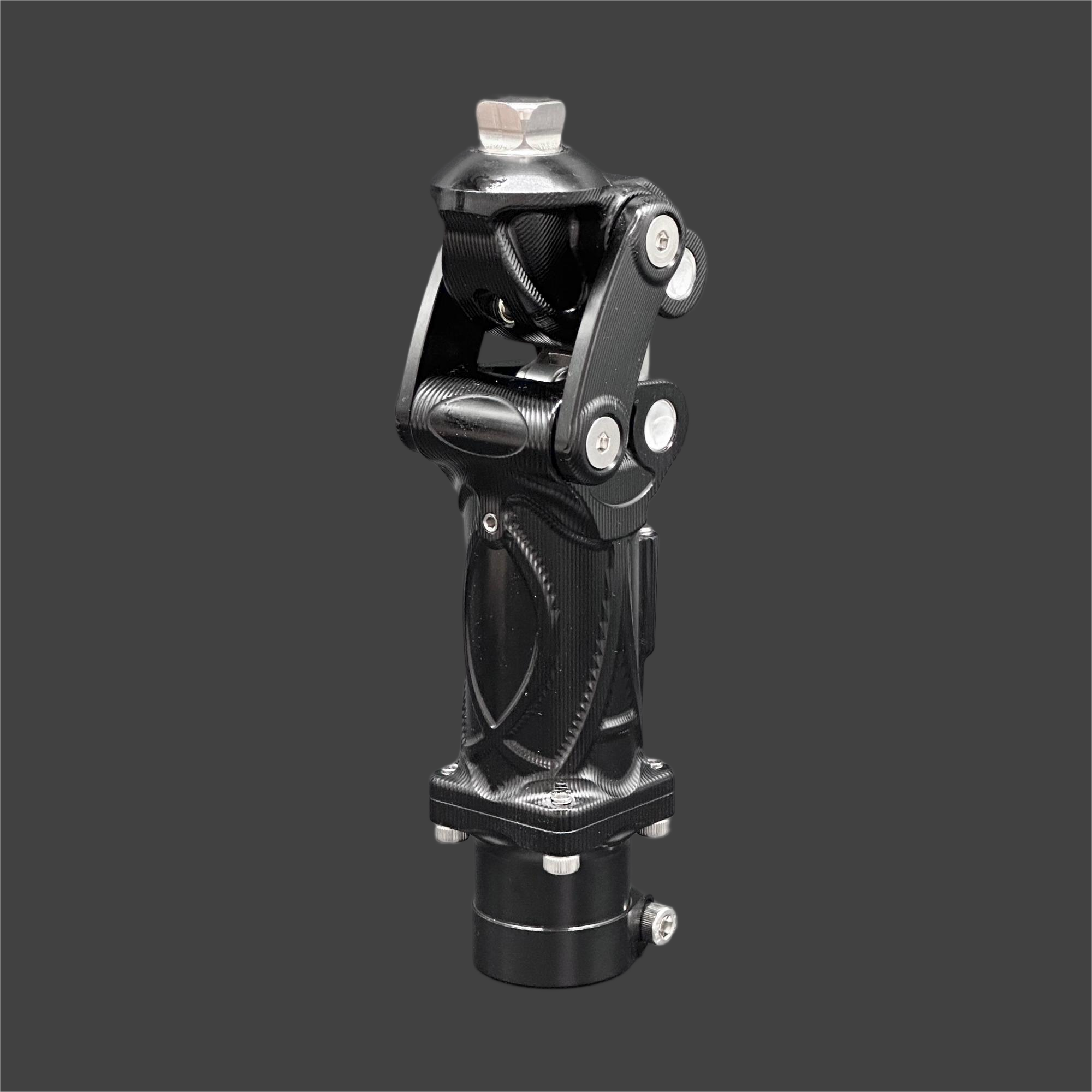
Selecting the right prosthetic knee joint is one of the most important decisions for anyone pursuing an active lifestyle. Whether you are returning to sports, hiking, or daily high-impact activities, understanding the differences between polycentric and single-axis knee joints will directly influence your comfort, stability, and long-term satisfaction. Both designs offer distinct advantages and limitations, and choosing between polycentric and single-axis knee joints requires careful consideration of your specific activity level, terrain preferences, and personal biomechanics.
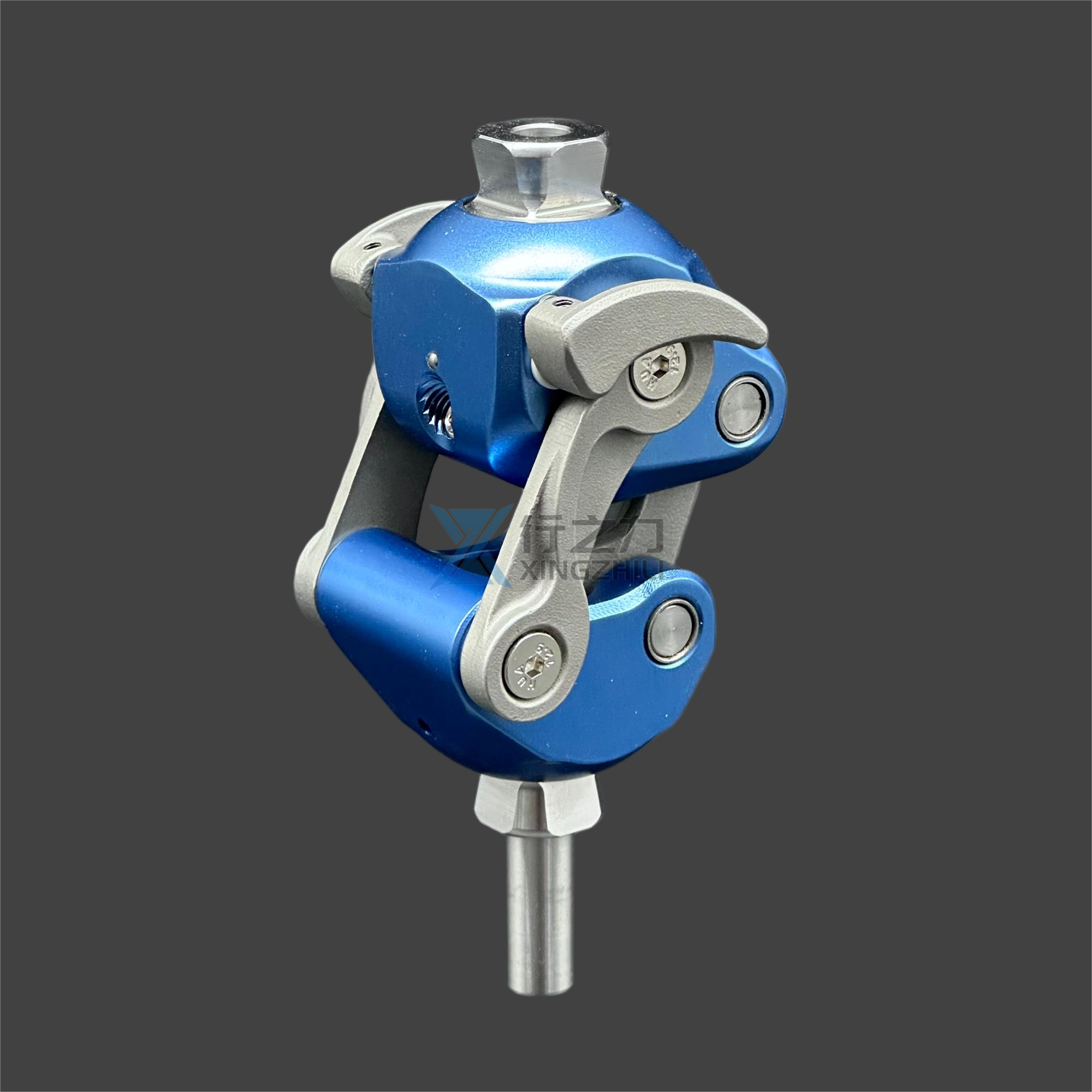
The distinction between polycentric and single-axis knee joints lies in how the knee mechanisms respond to weight-bearing and movement. Single-axis knee joints feature a fixed axis of rotation, while polycentric and single-axis knee joints differ fundamentally in their mechanical geometry. Understanding these mechanical principles helps you evaluate which design aligns with your lifestyle goals and physical demands.
Mechanical Differences Between Polycentric and Single-Axis Knee Joints
Single-Axis Knee Joint Construction
A single-axis knee joint uses a straightforward hinge mechanism with one fixed pivot point. This simple design creates predictable, consistent motion throughout the entire range of flexion and extension. When comparing polycentric and single-axis knee joints, the single-axis model excels at providing reliable stability during weight-bearing activities. The mechanical simplicity of single-axis knee joints means fewer moving components and reduced maintenance complexity, making them durable for rugged terrain and demanding outdoor activities.
Single-axis knee joints offer a smooth, consistent resistance pattern as you bend and extend your leg. This predictable motion helps develop natural walking rhythm for users who prioritize simplicity and stability over advanced features.
Polycentric Knee Joint Construction
Polycentric and single-axis knee joints differ significantly in their mechanical geometry. Polycentric knee joints feature multiple centers of rotation that shift throughout the walking cycle, creating a more anatomically natural movement pattern. This variable axis design allows polycentric and single-axis knee joints to respond dynamically to different walking speeds, terrain changes, and activity demands. The polycentric mechanism mimics biological knee behavior more closely, which many active users find more comfortable during extended periods of activity.
The advantage of polycentric and single-axis knee joints comparison shows that polycentric models provide superior toe clearance during swing phase and better weight distribution at heel strike. These characteristics make polycentric and single-axis knee joints particularly suitable for users who engage in variable-speed activities or navigate uneven surfaces regularly.
Performance Comparison for Active Lifestyles
Stability and Load Bearing
When choosing between polycentric and single-axis knee joints for high-impact activities, stability becomes paramount. Single-axis knee joints deliver straightforward, predictable stability because their fixed pivot point creates consistent resistance throughout the gait cycle. This consistent stability makes single-axis knee joints ideal for sprinting, lateral movements, and activities requiring explosive power. The mechanical simplicity ensures that polycentric and single-axis knee joints deliver different stability profiles, with single-axis designs providing more immediate feedback and control.
Polycentric and single-axis knee joints offer distinct load-bearing characteristics. Polycentric joints distribute forces across multiple contact points, potentially reducing stress concentration on any single component. For users engaging in long-distance running or sustained standing activities, polycentric and single-axis knee joints present different trade-offs regarding impact absorption and fatigue resistance.
Adaptability to Terrain and Speed Variation
Single-axis knee joints function consistently across terrain types because their fixed axis remains unchanged regardless of walking speed or surface conditions. This consistency appeals to active users who want predictable, no-nonsense performance on rocky trails, stairs, or unpredictable landscapes. However, polycentric and single-axis knee joints demonstrate different advantages when speed changes rapidly. Polycentric knee joints automatically adjust their resistance characteristics as walking speed increases or decreases, making polycentric and single-axis knee joints fundamentally different in adaptive capability.
Polycentric and single-axis knee joints show distinct performance when transitioning between different activities. Users who alternate between walking, light jogging, and recreational sports may find polycentric designs more forgiving because they naturally accommodate variable speeds without requiring conscious adjustment from the user.
Selecting the Right Design for Your Activity Profile
Decision Factors and Personal Goals
Choosing between polycentric and single-axis knee joints depends on your specific activity profile and personal priorities. If your active lifestyle emphasizes consistent, predictable activities like distance running or sports requiring explosive power, single-axis knee joints deliver the mechanical directness you need. Conversely, if your lifestyle involves mixed-pace walking, hiking with terrain variation, or social activities requiring smooth transitions between speeds, polycentric and single-axis knee joints offer different advantages, with polycentric models providing more natural adaptability.
Consider your terrain preferences when deciding between polycentric and single-axis knee joints. Steep hills, uneven ground, and variable-elevation trails favor polycentric and single-axis knee joints, with polycentric designs offering superior weight-shifting capability. Flat, predictable surfaces work equally well with either design, though personal comfort remains the deciding factor.
Weight, Durability, and Maintenance
Single-axis knee joints typically weigh less than polycentric models because their simpler mechanical structure requires fewer components. If weight reduction is critical for your comfort during extended activities, comparing polycentric and single-axis knee joints shows that single-axis designs offer weight advantages. Polycentric and single-axis knee joints also differ in maintenance requirements. Single-axis joints generally require less frequent servicing due to their straightforward mechanical design. Polycentric and single-axis knee joints demonstrate different durability profiles depending on activity intensity and environmental conditions.
Longevity considerations should influence your choice between polycentric and single-axis knee joints. Both designs are engineered for durability, but the specific conditions you encounter affect component wear rates. Users who engage in consistent, predictable activities may find single-axis knee joints offer longer functional intervals between maintenance. Those choosing polycentric and single-axis knee joints for highly variable conditions should discuss maintenance scheduling with their prosthetist to ensure optimal performance.
FAQ
What is the primary mechanical difference between polycentric and single-axis knee joints?
The primary difference between polycentric and single-axis knee joints lies in their rotation axis. Single-axis knee joints feature one fixed pivot point, creating consistent, predictable motion. Polycentric and single-axis knee joints differ because polycentric models have multiple centers of rotation that shift during the gait cycle, creating more anatomically natural movement that adjusts to walking speed and terrain changes.
Which design is better for high-impact sports activities?
Single-axis knee joints typically perform better for high-impact sports because their fixed axis provides immediate, consistent stability and feedback. However, the choice between polycentric and single-axis knee joints depends on the specific sport. Running and sprinting favor single-axis designs, while recreational sports involving varied movements may benefit from polycentric models. Consult your prosthetist about polycentric and single-axis knee joints specific to your sport.
How do polycentric and single-axis knee joints compare for hiking and outdoor activities?
Hiking typically involves variable terrain, changing speeds, and weight shifts across uneven surfaces. Polycentric and single-axis knee joints offer different advantages for hiking. Polycentric models excel at adapting to terrain changes and variable speed, automatically adjusting their mechanical response. Single-axis knee joints provide stable, straightforward performance on consistent slopes. Your choice between polycentric and single-axis knee joints should reflect your specific trail preferences and terrain difficulty.