
 EN
EN


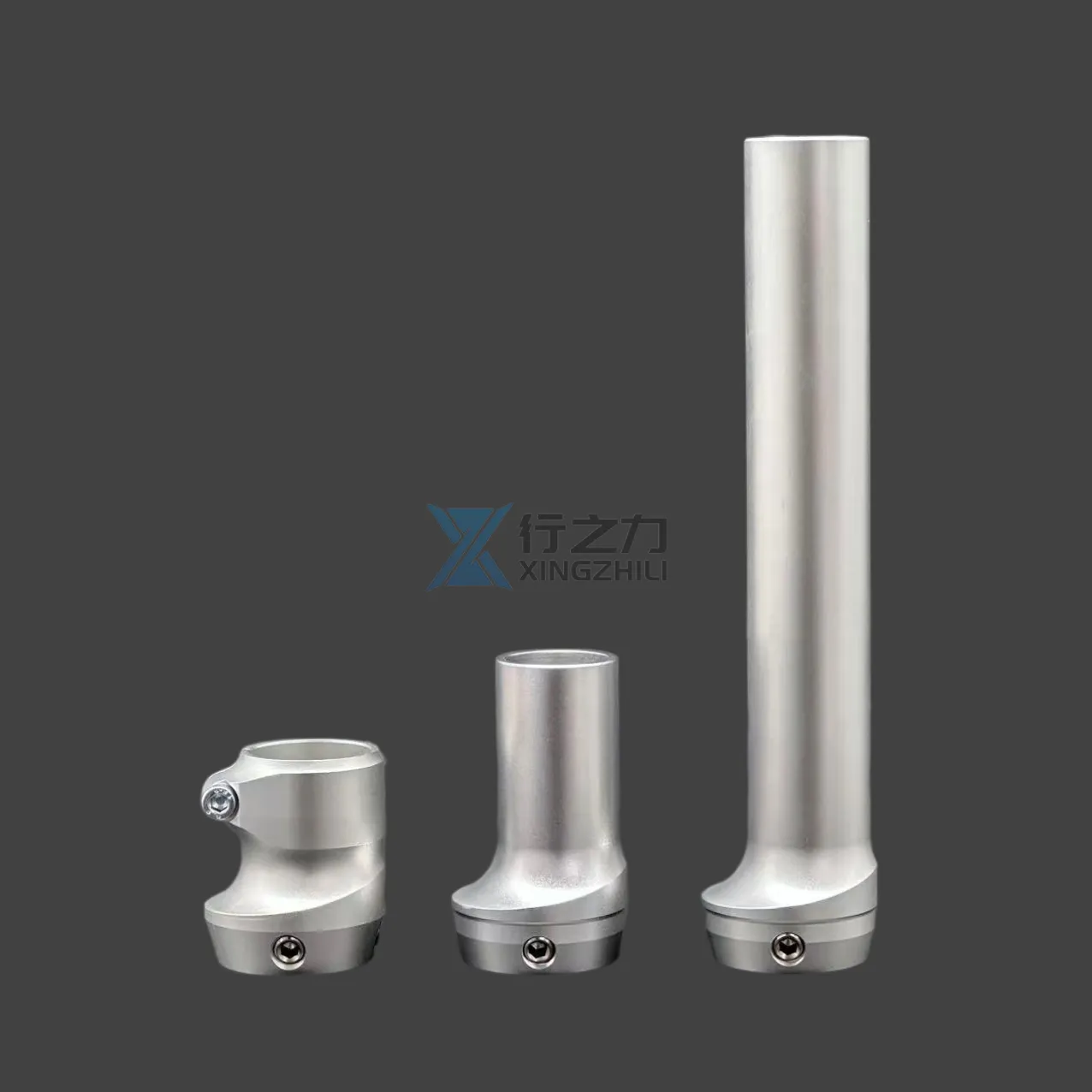
Living with mobility challenges presents unique obstacles that can significantly impact daily life, independence, and overall well-being. However, the advancement of modern assistive technology has revolutionized how individuals with disabilities navigate their world. A disability assistive device serves as a bridge between limitation and possibility, offering unprecedented opportunities for enhanced mobility, independence, and quality of life. These sophisticated tools represent more than mere equipment; they embody hope, freedom, and the fundamental right to participate fully in society regardless of physical limitations.
Enhanced Physical Independence and Mobility
Restoration of Basic Movement Functions
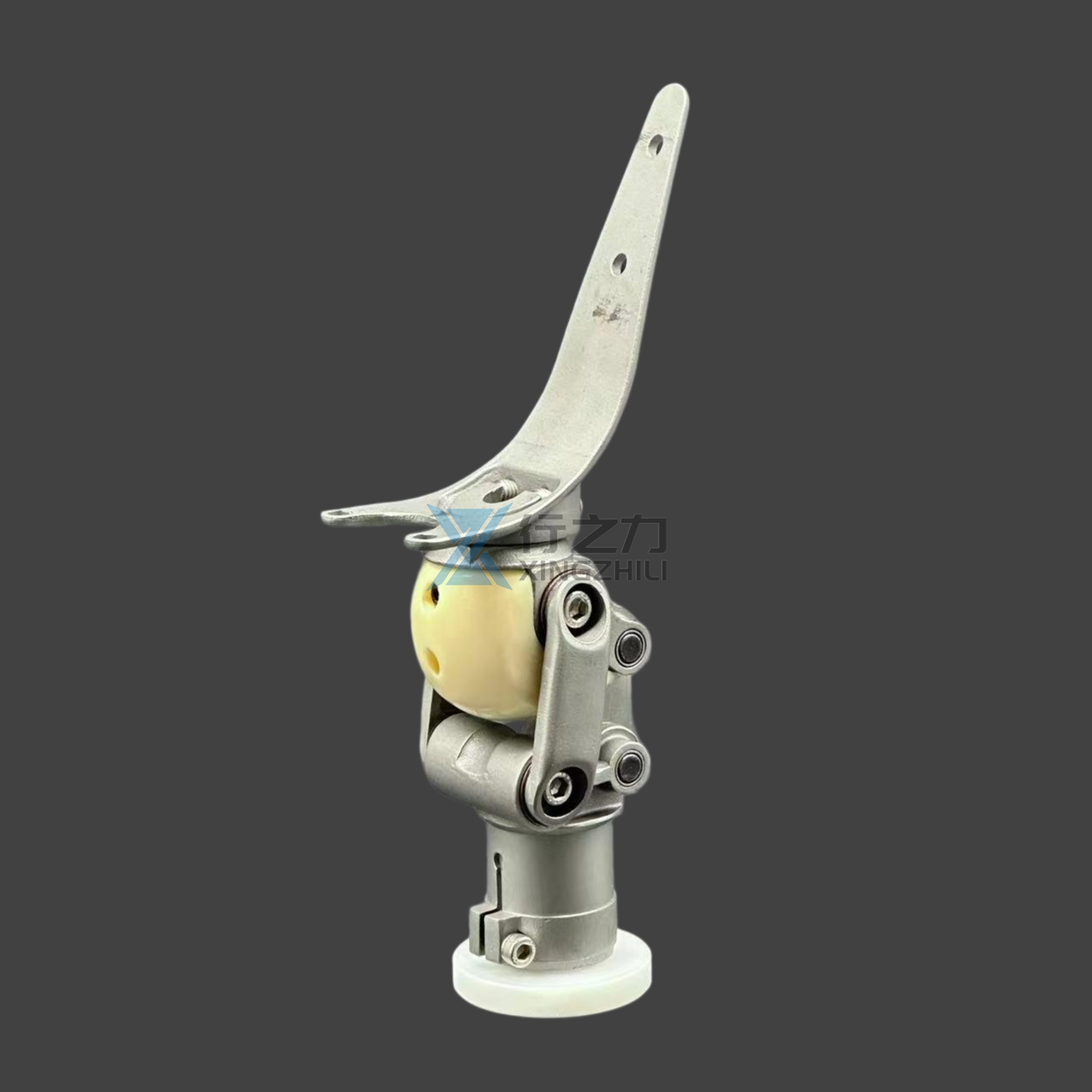
The primary benefit of any disability assistive device lies in its ability to restore fundamental movement capabilities that may have been compromised due to injury, illness, or congenital conditions. These devices work by compensating for weakened or paralyzed muscle groups, providing structural support, and enabling controlled movement patterns that would otherwise be impossible. Advanced orthotic systems, for example, can facilitate walking motions through sophisticated mechanical assistance that mimics natural gait patterns while providing necessary stability and support.
Modern assistive technology incorporates biomechanical principles that align with human anatomy, ensuring that each disability assistive device functions harmoniously with the user's existing capabilities. This integration allows individuals to perform activities that were previously challenging or impossible, from simple tasks like standing and walking to more complex movements required for recreational activities or professional responsibilities.
Expanded Range of Daily Activities
Beyond basic mobility, these devices significantly expand the range of activities individuals can perform independently. A well-designed disability assistive device enables users to navigate various terrains, climb stairs, and access previously inaccessible areas of their homes, workplaces, and communities. This expanded mobility directly translates to greater participation in social, professional, and recreational activities that contribute to a fulfilling lifestyle.
The versatility of modern assistive devices means that users are no longer confined to limited environments or dependent on constant assistance from caregivers. This newfound freedom allows for spontaneous activities, travel opportunities, and the ability to maintain employment in diverse settings, fundamentally changing the trajectory of life possibilities for individuals with mobility challenges.
Psychological and Emotional Well-being Improvements
Restored Sense of Dignity and Self-Worth
The psychological impact of regaining mobility through a disability assistive device cannot be overstated. When individuals can once again perform basic functions independently, their sense of personal dignity and self-worth experiences a profound restoration. This psychological benefit extends far beyond the physical capabilities provided by the device itself, influencing every aspect of personal and social interaction.
Independence in mobility directly correlates with improved mental health outcomes, reduced depression, and enhanced overall life satisfaction. The confidence that comes from knowing one can navigate their environment safely and effectively creates a positive feedback loop that encourages further engagement with life activities and social relationships.
Reduced Anxiety and Increased Confidence
Many individuals with mobility challenges experience significant anxiety related to fall risks, dependency on others, and limitations in their ability to respond to emergencies or unexpected situations. A reliable disability assistive device provides peace of mind by offering stable support and controlled movement capabilities that dramatically reduce these concerns.
This increased confidence manifests in various ways, from willingness to engage in social activities to pursuing educational or career opportunities that were previously considered impossible. The security provided by assistive technology empowers users to take calculated risks and embrace new experiences, leading to personal growth and expanded life horizons.
Long-term Health and Medical Benefits
Prevention of Secondary Health Complications
Extended periods of immobility or limited mobility can lead to numerous secondary health complications, including muscle atrophy, bone density loss, cardiovascular deconditioning, and circulatory problems. A properly fitted disability assistive device promotes regular movement and weight-bearing activities that help prevent these complications from developing or progressing.
Regular use of assistive mobility devices encourages proper posture, maintains joint flexibility, and supports cardiovascular health through increased activity levels. These benefits contribute to better overall health outcomes and can potentially reduce long-term healthcare costs associated with managing secondary complications related to immobility.
Improved Circulation and Muscle Maintenance
The controlled movement facilitated by a disability assistive device promotes healthy blood circulation throughout the body, particularly in the lower extremities where circulatory problems commonly develop in individuals with limited mobility. This improved circulation helps maintain tissue health, reduces swelling, and minimizes the risk of pressure sores and other skin-related complications.
Additionally, the mechanical assistance provided by these devices helps maintain existing muscle tone and can even contribute to strengthening supporting muscle groups. This physiological benefit extends the functional lifespan of the user's remaining capabilities while potentially slowing the progression of muscle weakness in conditions where deterioration is expected.
Social Integration and Community Participation
Enhanced Access to Public Spaces
One of the most significant social benefits of utilizing a disability assistive device is the enhanced access it provides to public spaces, community events, and social gatherings. These devices enable users to navigate environments that may not be fully accessible through traditional wheelchair access alone, opening doors to participation in activities that contribute to community integration and social connection.
The ability to stand and walk, even with assistance, allows for more natural social interactions and reduces the physical barriers that can create social distance between individuals with and without mobility challenges. This enhanced accessibility promotes inclusion and helps break down societal barriers that often segregate individuals based on their mobility capabilities.
Professional and Educational Opportunities
Career advancement and educational pursuits often require mobility within various environments, from navigating campus facilities to accessing different areas of a workplace. A disability assistive device can make the difference between limited opportunities and full participation in professional and academic settings, enabling individuals to pursue their goals without being constrained by mobility limitations.
The professional confidence gained through reliable mobility support often translates into improved job performance, career advancement opportunities, and the ability to take on leadership roles that may require physical presence and mobility within work environments. This professional growth contributes to economic independence and career satisfaction.
Economic and Practical Advantages
Reduced Dependency on Caregivers
The independence provided by a disability assistive device significantly reduces the need for constant caregiver assistance, which can result in substantial cost savings over time. While the initial investment in quality assistive technology may be significant, the long-term reduction in care costs often makes these devices economically advantageous for both individuals and healthcare systems.
This reduced dependency also benefits family members who may have been providing care, allowing them to maintain their own careers and personal lives while still supporting their loved one's needs. The emotional benefits of this arrangement extend to all family members, reducing stress and improving overall family dynamics.
Long-term Cost Effectiveness
When evaluated over extended periods, a high-quality disability assistive device often proves more cost-effective than alternative care arrangements or medical treatments for mobility-related complications. The prevention of secondary health issues alone can result in significant healthcare savings, while the maintenance of independence reduces ongoing care costs.
Additionally, the ability to maintain employment and participate in economic activities enabled by assistive devices contributes to financial stability and independence, creating positive economic outcomes that extend far beyond the initial device investment.
Technological Advancement and Customization
Personalized Fitting and Adjustment
Modern disability assistive device technology allows for extensive customization to meet individual needs, body mechanics, and specific mobility challenges. This personalization ensures optimal function and comfort, maximizing the benefits while minimizing potential complications or discomfort associated with poorly fitted equipment.
Advanced materials and manufacturing techniques enable the creation of lightweight, durable devices that can be adjusted as needs change over time. This adaptability ensures that the investment in assistive technology continues to provide value even as circumstances or conditions evolve.
Integration with Smart Technology
Contemporary assistive devices increasingly incorporate smart technology features that enhance functionality and provide valuable feedback to both users and healthcare providers. These technological integrations can monitor usage patterns, detect potential issues before they become problems, and provide data that helps optimize device performance and user outcomes.
The connectivity features of modern devices also enable remote monitoring and support, reducing the need for frequent clinical visits while ensuring that any issues are promptly addressed. This technological advancement represents the future of assistive device development and promises even greater benefits as technology continues to evolve.
FAQ
How long does it typically take to adapt to using a disability assistive device
The adaptation period for a disability assistive device varies significantly depending on individual circumstances, the complexity of the device, and the user's previous mobility experience. Most individuals begin seeing benefits within the first few weeks of use, with full adaptation typically occurring within 2-6 months. Proper training, gradual introduction, and professional support during the initial period significantly improve adaptation outcomes and user satisfaction.
What factors should be considered when selecting a disability assistive device
Selecting the appropriate disability assistive device requires careful evaluation of multiple factors including the specific nature of the mobility challenge, lifestyle requirements, physical capabilities, environmental needs, and long-term goals. Professional assessment by qualified healthcare providers, consideration of daily activity requirements, budget constraints, and maintenance capabilities all play crucial roles in determining the most suitable device for individual circumstances.
Are disability assistive devices covered by insurance or government programs
Coverage for disability assistive device varies widely depending on insurance type, specific medical conditions, and regional policies. Many insurance plans provide partial or full coverage for medically necessary assistive devices, particularly when prescribed by qualified healthcare providers and deemed essential for maintaining independence or preventing complications. Government programs, Medicare, Medicaid, and various assistance programs may also provide funding support, though eligibility requirements and coverage limitations vary by jurisdiction.
How do I maintain and care for a disability assistive device properly
Proper maintenance of a disability assistive device is essential for ensuring safety, longevity, and optimal performance. Regular cleaning according to manufacturer specifications, routine inspection for wear or damage, proper storage when not in use, and scheduled professional maintenance checks help maximize device lifespan. Users should receive comprehensive training on daily care procedures and understand when professional service is required to address mechanical issues or adjustments.
Table of Contents
- Enhanced Physical Independence and Mobility
- Psychological and Emotional Well-being Improvements
- Long-term Health and Medical Benefits
- Social Integration and Community Participation
- Economic and Practical Advantages
- Technological Advancement and Customization
-
FAQ
- How long does it typically take to adapt to using a disability assistive device
- What factors should be considered when selecting a disability assistive device
- Are disability assistive devices covered by insurance or government programs
- How do I maintain and care for a disability assistive device properly