
 EN
EN


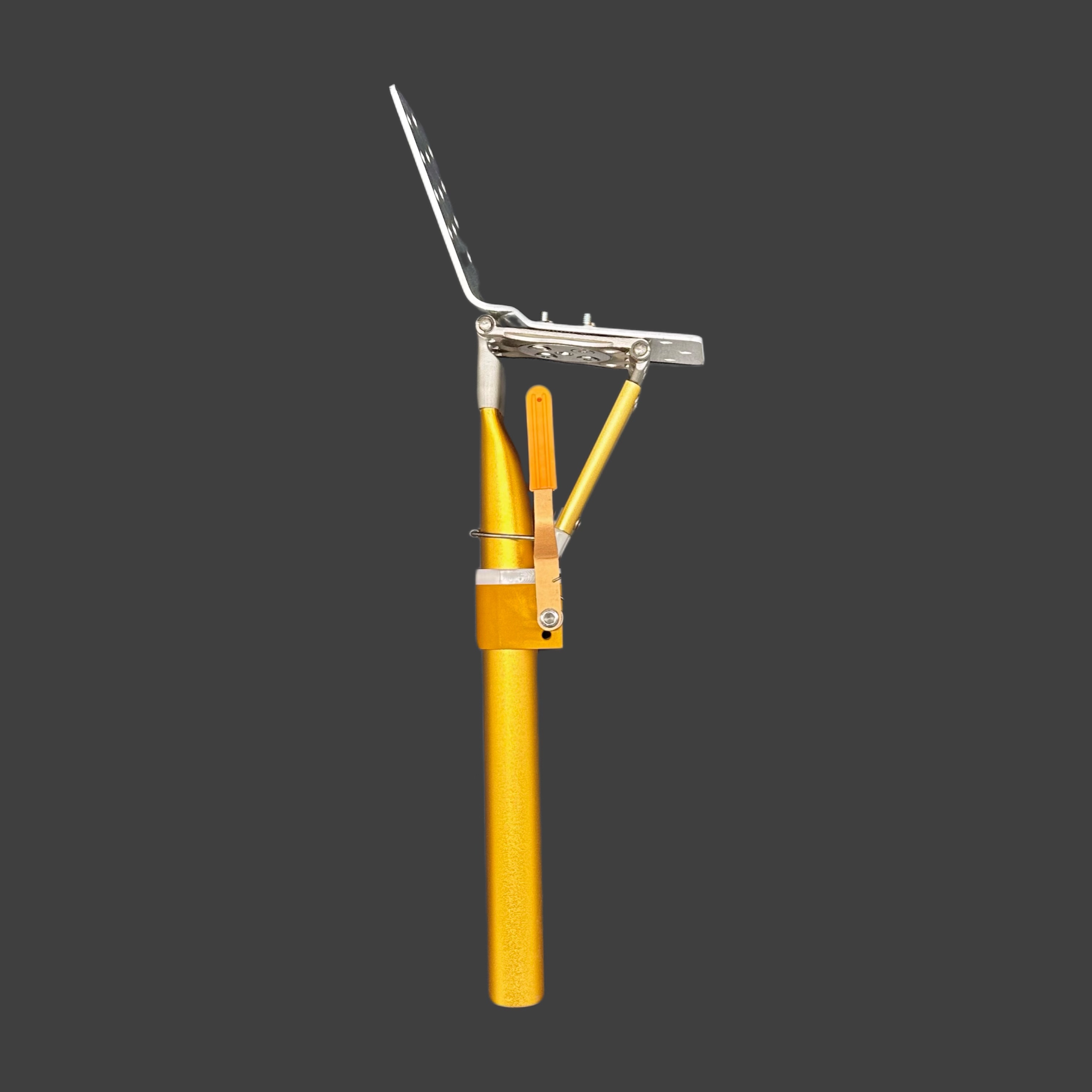
A hip joint replacement is one of the most significant orthopedic interventions available today, designed to restore function, eliminate chronic pain, and help patients regain independence. When a patient undergoes a hip joint replacement, the damaged joint is replaced with a prosthetic component that closely mimics natural movement. The surgical outcome directly influences how quickly and how fully a patient recovers, which is why understanding the relationship between hip joint replacement and rehabilitation is essential for both patients and clinical teams.
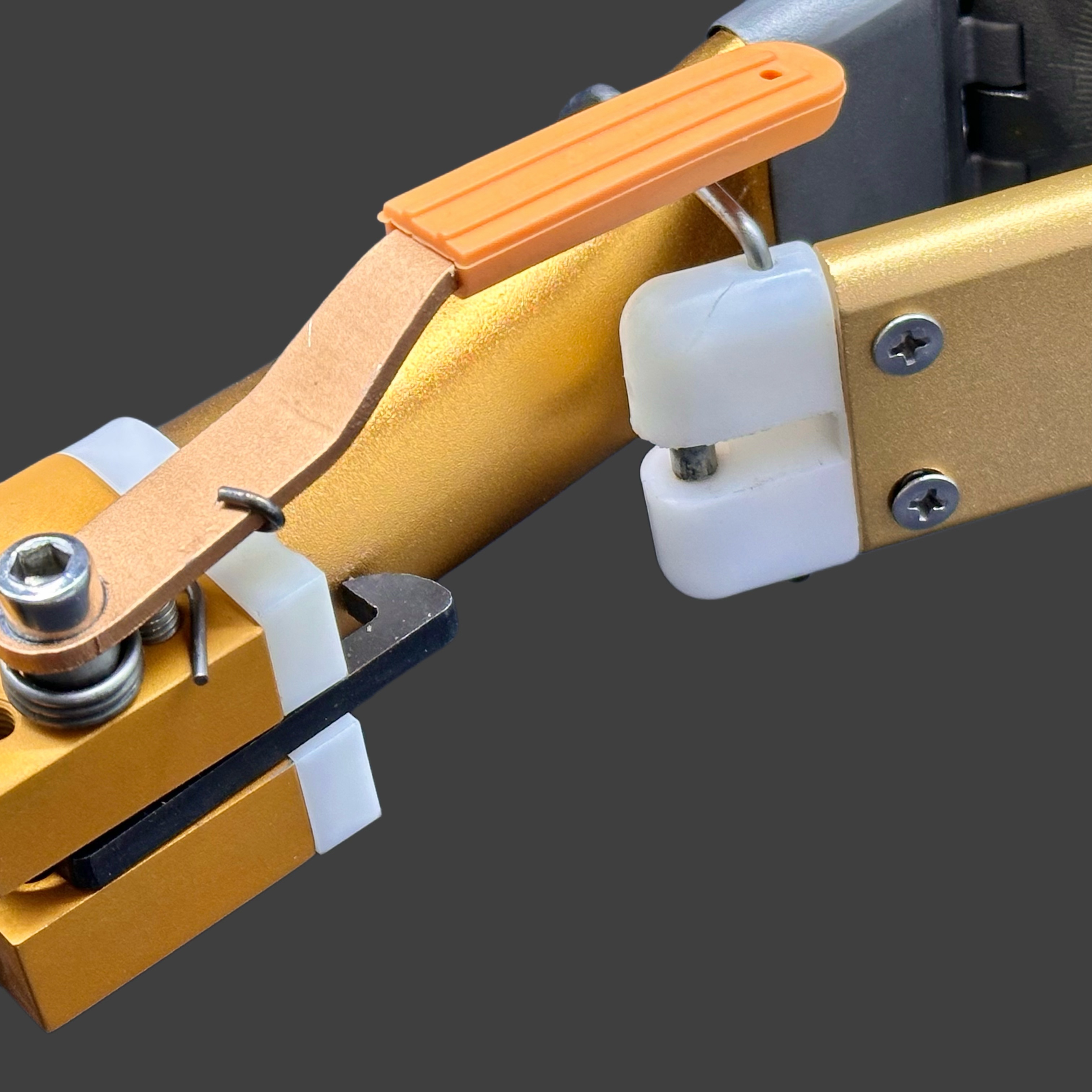
The design and biomechanical performance of a hip joint replacement play a central role in how efficiently rehabilitation progresses. Modern prosthetic designs, including single-axis hip joint systems, are engineered to support controlled movement from the earliest stages of recovery. When the hip joint replacement integrates well with the residual limb or skeletal structure, patients can begin weight-bearing activities sooner, which accelerates muscle re-engagement and functional restoration. This article explores the specific mechanisms through which a hip joint replacement contributes to faster, more successful rehabilitation.
Biomechanical Design of a Hip Joint Replacement
How Component Alignment Supports Early Movement
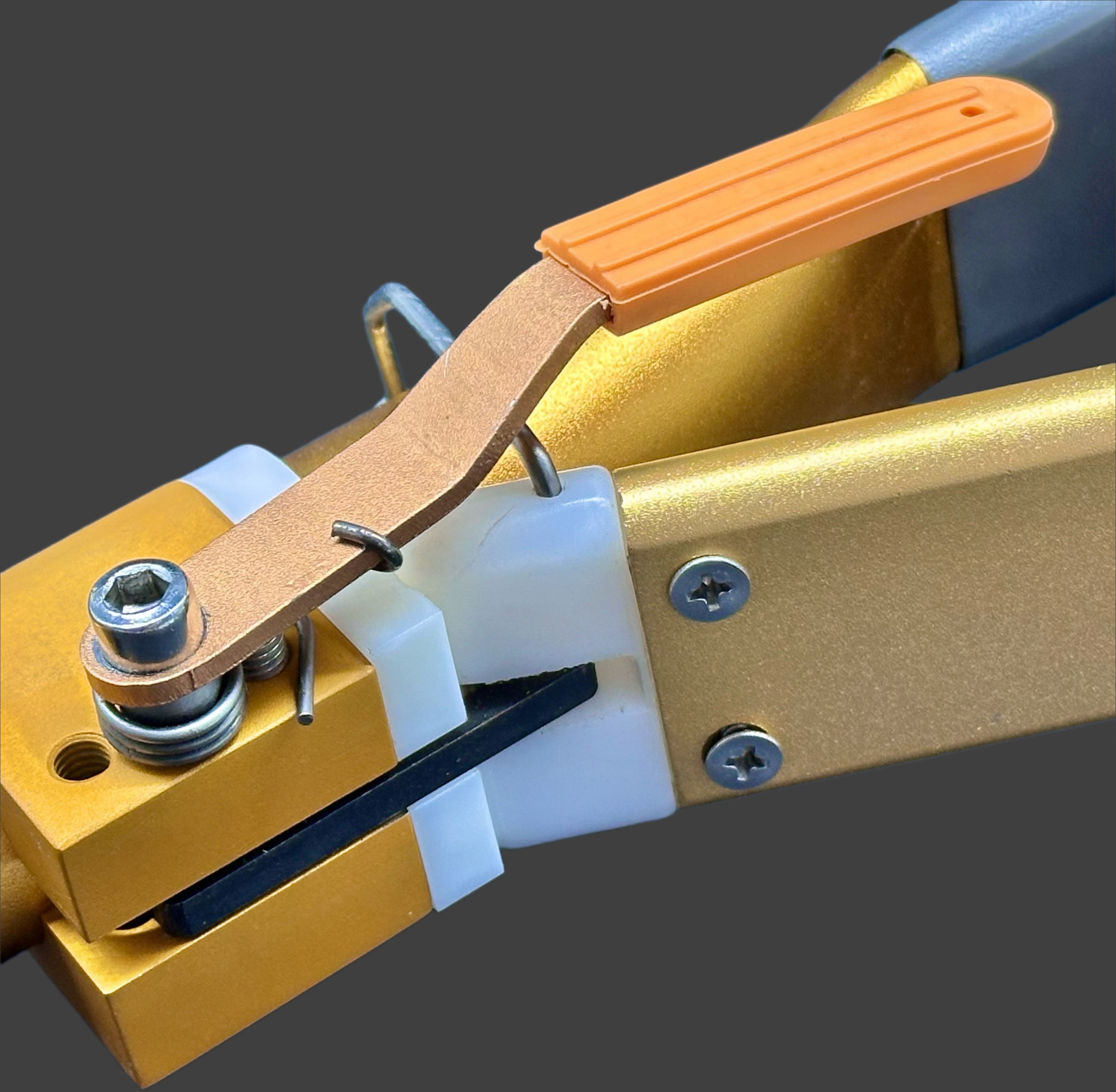
The biomechanical design of a hip joint replacement is the foundation of early rehabilitation success. A well-aligned hip joint replacement allows the body to distribute load evenly across the prosthetic structure, minimizing compensatory movement patterns that slow recovery. When a hip joint replacement features precise axis alignment, patients experience more predictable movement arcs that physical therapists can work with from day one. This alignment reduces the risk of joint instability, which is one of the most common factors that delay rehabilitation after a hip joint replacement.
Single-axis hip joint replacement designs are particularly effective in early rehabilitation because they constrain movement to a controlled plane. This controlled motion prevents excessive rotation or lateral displacement, which can strain surrounding soft tissue. When a patient uses a hip joint replacement with stable axis mechanics, the neuromuscular system adapts more quickly, and gait training becomes more productive. Therapists can introduce progressive loading protocols earlier when a hip joint replacement provides consistent, reliable feedback through every step.
Material and Interface Quality in Hip Joint Replacement
Material quality in a hip joint replacement directly affects tissue response and recovery speed. High-quality interface materials in a hip joint replacement reduce friction, support smooth articulation, and minimize the inflammatory response in surrounding tissue. When inflammation is controlled, the body directs its healing resources toward muscle recovery rather than managing joint irritation. A hip joint replacement built with durable, biocompatible materials allows the patient to engage in rehabilitation exercises with greater comfort and confidence. This comfort factor should not be underestimated, as patient motivation is strongly linked to recovery speed following a hip joint replacement.
Rehabilitation Protocols Supported by Hip Joint Replacement
Early Weight-Bearing After Hip Joint Replacement
One of the most important advantages of a modern hip joint replacement is that it supports early weight-bearing rehabilitation. Clinical evidence consistently shows that patients who begin controlled weight-bearing within the first days after a hip joint replacement recover faster than those who remain non-weight-bearing for extended periods. A hip joint replacement that provides structural stability allows therapists to initiate standing exercises, parallel bar walking, and balance training early in the recovery timeline. These activities stimulate bone remodeling around the hip joint replacement, which strengthens the interface between the prosthesis and the body.
Early ambulation after hip joint replacement also reduces the risk of secondary complications such as deep vein thrombosis, muscle atrophy, and joint contracture. When a hip joint replacement allows a patient to move safely within the first 24 to 48 hours post-surgery or post-fitting, the overall rehabilitation trajectory improves significantly. Physical therapists structure gait re-education programs specifically around what the hip joint replacement design permits, ensuring that each exercise reinforces correct movement patterns and builds strength progressively.
Functional Training Milestones with a Hip Joint Replacement
Rehabilitation with a hip joint replacement follows structured milestones that build progressively from basic mobility to complex functional tasks. In the first weeks, the focus is on achieving comfortable ambulation with a hip joint replacement and establishing stable gait mechanics. As strength and coordination improve, the rehabilitation program expands to include stair negotiation, uneven terrain walking, and activities of daily living. Each milestone reflects how well the hip joint replacement is integrating with the patient's movement system and how effectively the surrounding musculature is supporting the prosthetic structure.
Monitoring these milestones allows clinicians to adjust the rehabilitation program in response to how the hip joint replacement is performing. If a patient reaches early milestones ahead of schedule, the program can be accelerated safely. Conversely, if a particular movement reveals weakness or discomfort around the hip joint replacement, targeted interventions can be introduced before the issue becomes a setback. This adaptive approach to rehabilitation is only possible when the hip joint replacement is consistent and reliable in its mechanical behavior.
Patient-Centered Benefits of Hip Joint Replacement in Recovery
Pain Reduction and Psychological Readiness
A well-fitted hip joint replacement dramatically reduces the chronic pain that originally limited the patient's mobility. Pain reduction following hip joint replacement creates a positive feedback loop in rehabilitation: as pain decreases, the patient becomes more willing to engage in exercise, which builds strength, which further reduces discomfort. This cycle is central to why hip joint replacement supports faster rehabilitation compared to conservative management. When patients experience tangible improvements in comfort early in their recovery, their psychological readiness and compliance with the rehabilitation program increase substantially.
Long-Term Functional Independence After Hip Joint Replacement
The ultimate measure of a successful hip joint replacement is the patient's ability to function independently in daily life. A hip joint replacement that performs reliably over time enables patients to maintain the functional gains achieved during formal rehabilitation. Independent ambulation, community mobility, and return to occupational activities are all realistic goals following a well-executed hip joint replacement and a structured rehabilitation program. Ongoing assessment of the hip joint replacement's condition and the patient's movement quality ensures that long-term independence is maintained and any emerging issues are addressed promptly.
FAQ
How soon can rehabilitation begin after a hip joint replacement?
Rehabilitation after a hip joint replacement typically begins within 24 to 48 hours of the procedure, depending on the patient's condition and the type of hip joint replacement used. Early mobilization is encouraged to reduce complications and support faster recovery.
What exercises are most effective during hip joint replacement rehabilitation?
The most effective exercises during hip joint replacement rehabilitation include controlled weight-bearing activities, gait training, balance exercises, and progressive strengthening routines. The specific program depends on the design of the hip joint replacement and the patient's overall physical condition.
How does hip joint replacement design affect rehabilitation outcomes?
The design of a hip joint replacement significantly influences rehabilitation outcomes by determining the range of motion available, the stability of the joint during movement, and the comfort of early weight-bearing. A hip joint replacement with precise axis alignment and quality materials supports more effective and efficient rehabilitation from the earliest stages of recovery.