
 EN
EN



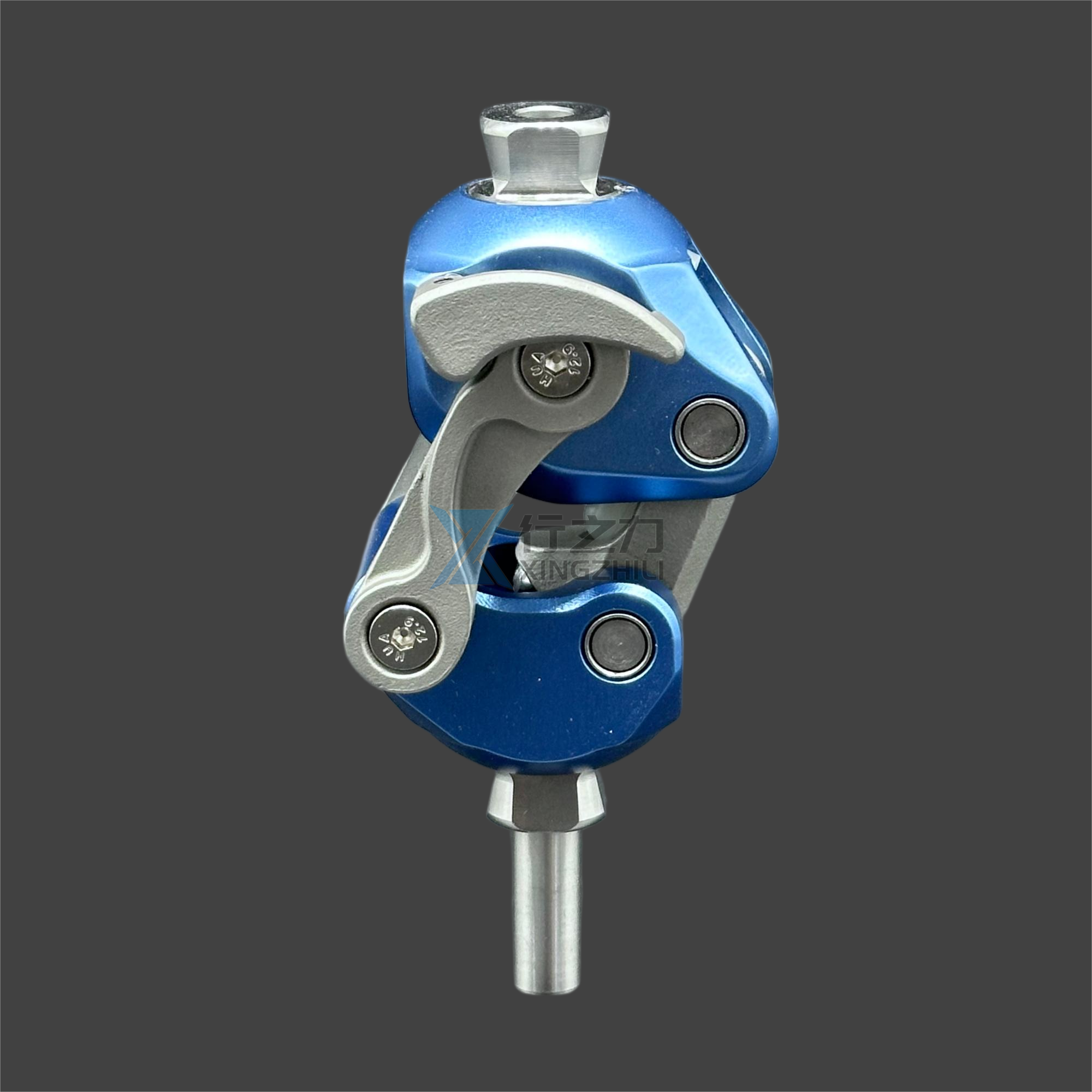
Selecting and fitting a knee joint prosthesis represents one of the most critical decisions in lower limb rehabilitation. The difference between a poorly fitted knee joint prosthesis and an optimally fitted one can dramatically impact mobility, daily comfort, and long-term quality of life for patients. A knee joint prosthesis that does not align properly with the patient's anatomy can lead to gait abnormalities, chronic pain, tissue breakdown, and psychological frustration. Understanding how to ensure the best fit and comfort in a knee joint prosthesis is essential for clinicians, prosthetists, and patients alike.
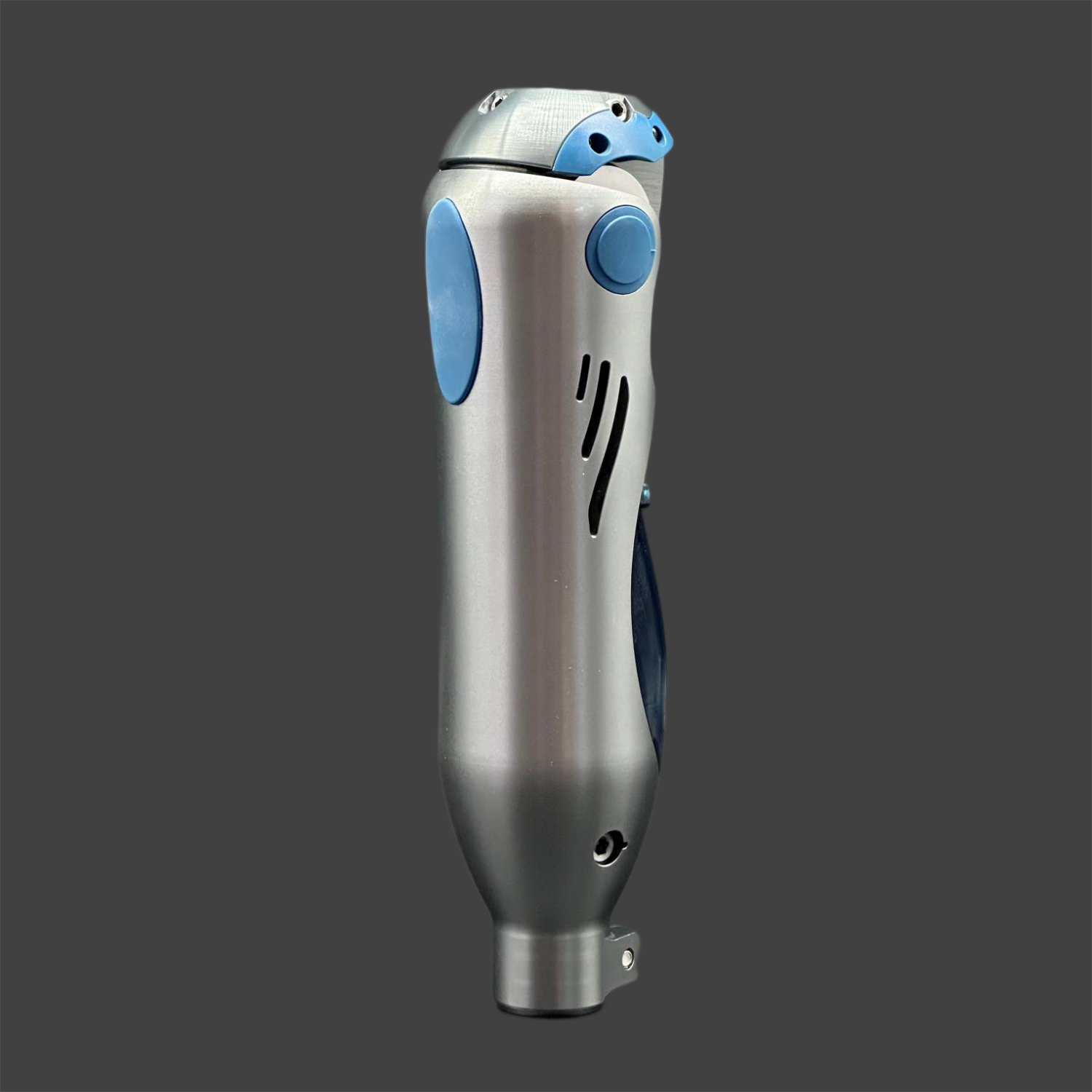
The process of achieving comfort and fit in a knee joint prosthesis goes far beyond simply choosing the right size. It involves careful assessment of the patient's residual limb anatomy, activity level, functional goals, and socket interface design. A well-fitted knee joint prosthesis enables natural movement patterns, reduces compensatory stress on other joints, and allows users to return to meaningful activities with confidence. This comprehensive guide explores the essential factors that contribute to successful knee joint prosthesis fitting and comfort optimization.
Understanding Socket Design and Alignment for Knee Joint Prosthesis Fit
Socket Interface and Pressure Distribution
The socket serves as the critical interface between the residual limb and the knee joint prosthesis. A properly designed socket distributes pressure evenly across the residual limb, preventing high-pressure areas that can cause tissue damage, discomfort, and skin breakdown. The socket must accommodate the unique contours of each patient's residual limb while maintaining secure suspension. Socket materials, including thermoplastic composites and custom-molded options, allow for personalized fitting that adapts to the specific anatomy. Modern knee joint prosthesis socket design considers weight distribution, volume changes throughout the day, and the patient's activity demands to maximize comfort during extended wear.
Alignment and Biomechanical Positioning
Alignment represents the cornerstone of comfort and functionality in a knee joint prosthesis. Static alignment during initial fitting must be verified through careful measurement and visual assessment to ensure the knee joint prosthesis maintains proper stance geometry. The prosthetic knee must align vertically under the body's center of gravity to prevent excessive shear forces and compensatory movements. Dynamic alignment, assessed during gait analysis, determines whether the knee joint prosthesis functions naturally during walking. Adjustments to ankle position, knee flexion angles, and hip positioning directly influence how the entire knee joint prosthesis performs throughout the gait cycle. Prosthetists must spend adequate time during the fitting appointment verifying alignment through standing, walking, and stair navigation tests.
Selecting the Right Knee Joint Prosthesis Components for Individual Comfort
Knee Mechanism Features and Activity Levels
Different knee joint prosthesis mechanisms serve different functional needs and comfort profiles. Passive mechanisms offer simplicity and lightweight characteristics ideal for patients with lower activity demands, while microprocessor-controlled knee joint prosthesis options provide enhanced stability and natural gait for more active users. The choice of knee joint prosthesis mechanism directly impacts comfort during various activities. Stance control features prevent unwanted knee buckling, reducing user anxiety and enabling confident walking on varied terrain. Swing phase control allows smoother, more natural leg movement during walking, enhancing comfort and reducing fatigue. Patients who prioritize comfort during standing should consider knee joint prosthesis models with stance phase stability, while those seeking natural gait patterns benefit from advanced control systems integrated into their knee joint prosthesis selection.
Suspension Systems and Interface Security
Secure suspension of the knee joint prosthesis prevents pistoning, skin irritation, and the psychological discomfort of a loose prosthetic device. Vacuum suspension systems maintain consistent pressure and comfort throughout the day for many knee joint prosthesis users. Mechanical suspension methods, including straps and waist belts, offer alternatives suited to specific patient anatomies and preferences. The suspension approach chosen for a knee joint prosthesis must balance security with comfort during extended wear. Skin irritation and pressure sores represent major comfort complaints when suspension is inadequate, making proper suspension design integral to long-term knee joint prosthesis satisfaction. Regular assessment of suspension effectiveness ensures the knee joint prosthesis remains comfortable as the residual limb volume changes over time.
Fitting Process and Comfort Verification for Knee Joint Prosthesis Users
Proper Measurement and Casting Techniques
Accurate measurement and casting of the residual limb form the foundation for a comfortable knee joint prosthesis. Prosthetists must capture the limb's shape, volume, and contours precisely to create a socket that achieves optimal fit. The casting process accounts for postural positions, allowing the socket to accommodate functional positioning during standing and walking with a knee joint prosthesis. Digital scanning technology now enhances the precision of knee joint prosthesis socket design, capturing detailed three-dimensional limb geometry. However, experienced manual assessment remains valuable for identifying pressure-sensitive areas and tissue quality variations that affect knee joint prosthesis comfort. Custom modifications to the knee joint prosthesis socket based on initial fit testing ensure that discomfort spots receive attention before the device is finalized.
Comprehensive Fitting and Adjustment Sessions
A thorough fitting appointment for a knee joint prosthesis requires adequate time for walking trials, gait observation, and comfort assessment in multiple positions. Users should test their knee joint prosthesis while sitting, standing, walking on level surfaces, navigating stairs, and performing daily activities. Prosthetists must ask specific questions about pressure points, areas of excessive movement, and functional limitations to refine the knee joint prosthesis fit. Follow-up appointments scheduled within the first weeks of knee joint prosthesis use allow for fine-tuning adjustments that dramatically improve comfort. Socket modifications, suspension adjustments, and alignment tweaks during these sessions translate directly into enhanced wearability. Patients should expect their prosthetist to carefully document all adjustments and maintain detailed records of knee joint prosthesis specifications for future reference and modifications.
Long-Term Comfort Management and Maintenance of Your Knee Joint Prosthesis
Residual Limb Volume Changes and Socket Fit
The residual limb undergoes volume changes throughout the first year after amputation and continues minor fluctuations thereafter, directly affecting knee joint prosthesis comfort. Weight gain or loss, increased activity levels, and aging all contribute to changes in how a knee joint prosthesis fits. Users who experience discomfort or increased pistoning should schedule appointments to assess whether socket modification is needed. Prosthetic liners and socket adjustments can accommodate volume changes without requiring complete knee joint prosthesis replacement. Some practitioners recommend socket modifications or re-casting when volume changes exceed ten percent, ensuring the knee joint prosthesis maintains optimal comfort and function. Ongoing communication between users and their prosthetist enables timely interventions that preserve comfort as the body changes.
Skin Care and Daily Comfort Practices
Maintaining healthy skin is fundamental to achieving comfortable knee joint prosthesis wear. Users must establish daily skin hygiene routines, inspecting the residual limb for signs of irritation or pressure damage caused by knee joint prosthesis friction. Proper hygiene prevents infections and skin conditions that would compromise comfort and necessitate time away from the knee joint prosthesis. Using appropriate liners and moisturizing products as recommended by healthcare providers supports skin health under the knee joint prosthesis. Gradually increasing wear time when first using a knee joint prosthesis allows skin to adapt and prevents excessive irritation. Educating patients about signs of potential problems, including persistent redness, blistering, or unusual discomfort, ensures issues affecting knee joint prosthesis comfort receive prompt professional attention. Many comfort problems can be prevented entirely through education and proactive skin care practices recommended by the knee joint prosthesis care team.
FAQ
What factors are most important when fitting a knee joint prosthesis?
Socket fit, alignment, suspension security, and component selection represent the four pillars of successful knee joint prosthesis fitting. Socket design must distribute pressure evenly across the residual limb without creating high-pressure zones. Alignment ensures the knee joint prosthesis functions biomechanically within normal parameters, preventing gait deviations and joint stress. Suspension must keep the knee joint prosthesis secure without creating skin irritation or limiting movement. Finally, selecting knee mechanisms and features appropriate for the patient's activity level and functional goals ensures the knee joint prosthesis delivers long-term comfort and satisfaction.
How often should a knee joint prosthesis be adjusted or re-fitted?
Initial fitting typically requires multiple appointments within the first month to optimize the knee joint prosthesis. Follow-up adjustments at two weeks, one month, and three months after initial fitting address comfort issues and refine performance. Thereafter, annual or bi-annual appointments are recommended to assess whether the knee joint prosthesis continues to fit properly. More frequent visits may be necessary if the patient experiences significant weight changes, increased activity levels, or skin complications. As residual limb volume stabilizes, the knee joint prosthesis fitting generally becomes more stable, though continued professional oversight ensures comfort is maintained long-term.
Can a knee joint prosthesis be adjusted if comfort problems develop later?
Yes, most comfort issues with a knee joint prosthesis can be addressed through adjustments, modifications, or changes to liners and suspension systems. Socket modifications using heat molding or material removal can relieve pressure-sensitive areas affecting knee joint prosthesis comfort. Suspension adjustments or upgrades can improve security and reduce pistoning that causes discomfort. In some cases, component changes to the knee joint prosthesis mechanism itself may enhance comfort for specific activities. Persistent comfort problems should always be reported to the prosthetist rather than endured, as professional intervention often provides effective solutions that restore satisfaction with the knee joint prosthesis.