Get a Free Quote

Our representative will contact you soon.
Email
Name
Company Name
Mobile
Message
0/1000

Child Prosthetic Limb: What Maintenance Tips Help Extend Its Lifespan?

2025-12-23 09:07:00
Child Prosthetic Limb: What Maintenance Tips Help Extend Its Lifespan?

Proper maintenance of a child prosthetic limb is essential for ensuring optimal function, comfort, and longevity. Unlike adult prosthetics, pediatric devices face unique challenges due to rapid growth, active lifestyles, and the developing musculoskeletal system. Understanding comprehensive maintenance protocols can significantly extend the lifespan of these critical mobility aids while ensuring consistent performance throughout a child's developmental years.

The investment in a quality child prosthetic limb represents both financial commitment and hope for enhanced mobility. Regular maintenance not only protects this investment but also ensures continuous functional independence for young users. Professional prosthetists emphasize that consistent care routines can double the effective lifespan of pediatric prosthetic devices while maintaining safety standards essential for growing children.

Daily Cleaning and Hygiene Protocols

Socket Cleaning Techniques

The residual limb socket requires meticulous daily cleaning to prevent bacterial growth and skin irritation. Begin each morning by removing the child prosthetic limb and inspecting the socket interior for debris, moisture, or unusual odors. Use mild antibacterial soap diluted in warm water to gently clean all interior surfaces, paying special attention to areas where the socket contacts the skin directly.

After cleaning, thoroughly rinse the socket with clean water to remove all soap residue, which can cause skin irritation if left behind. Allow the socket to air dry completely before reapplication, typically requiring fifteen to twenty minutes depending on ambient humidity levels. This drying period is crucial for preventing moisture-related complications that commonly affect young users of prosthetic devices.

Component Surface Maintenance

External components of the child prosthetic limb require different cleaning approaches based on their materials and construction. Metal components should be wiped down with a damp cloth followed by immediate drying to prevent corrosion or oxidation. Plastic and composite materials can be cleaned with mild detergent solutions, avoiding harsh chemicals that might degrade protective coatings or structural integrity.

Pay particular attention to joints, hinges, and moving parts where dirt and debris commonly accumulate during active use. A soft-bristled toothbrush can effectively remove stubborn particles from crevices and mechanical interfaces without causing surface damage. Regular cleaning of these areas prevents premature wear and maintains smooth operation throughout the device's service life.

Mechanical Inspection and Adjustment Procedures

Joint and Hardware Assessment

Weekly mechanical inspections are vital for identifying potential issues before they compromise function or safety. Examine all bolts, screws, and fasteners for signs of loosening, which commonly occurs due to the dynamic stresses generated during childhood activities. Use appropriate tools to gently tighten any loose hardware, being careful not to over-torque connections that could strip threads or crack components.

Check joint mechanisms for smooth operation and proper range of motion. A child prosthetic limb should move freely through its intended range without binding, grinding, or unusual resistance. Listen for unusual sounds during movement, as clicking, grinding, or squeaking often indicates the need for lubrication or component replacement.

Alignment Verification

Proper alignment is critical for both function and comfort in pediatric prosthetics. Observe the child's gait pattern regularly, looking for signs of compensatory movements, asymmetrical wear patterns, or discomfort during use. Misalignment in a child prosthetic limb can lead to secondary complications including back pain, joint stress, and abnormal development of the contralateral limb.

Document any changes in alignment or function using photographs and written descriptions to share with the prosthetist during regular appointments. Early detection of alignment issues allows for minor adjustments that prevent more significant problems requiring extensive modifications or component replacement.

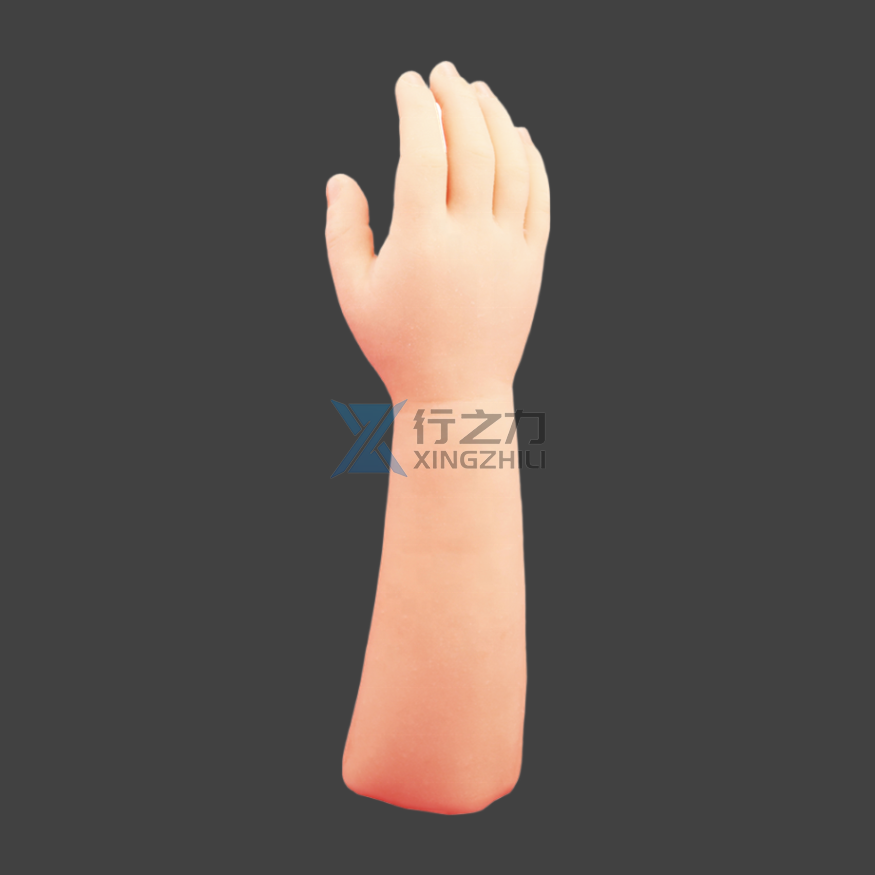
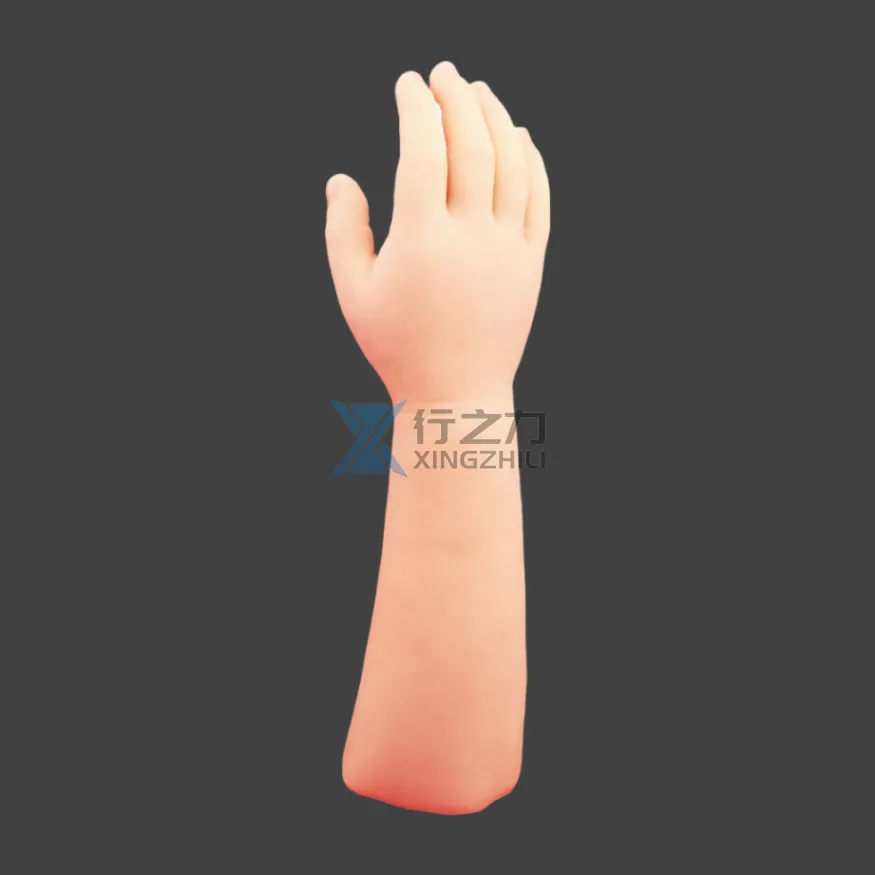
CHS70 Cosmetic Glove for Child

Liner and Interface Management

Liner Rotation and Replacement

Prosthetic liners experience significant wear due to daily use and should be rotated regularly to extend their collective lifespan. Maintain at least two liners for each child prosthetic limb, allowing one to be cleaned and dried while the other is in use. This rotation prevents the breakdown of materials caused by continuous moisture exposure and mechanical stress.

Inspect liners weekly for signs of tearing, thinning, or loss of elasticity. Small tears can quickly propagate into major failures that compromise the interface between the residual limb and the prosthetic device. Replace liners showing significant wear before they fail completely, as emergency replacements can be difficult to obtain and may interrupt the child's daily activities.

Skin Health Monitoring

The interface between skin and the child prosthetic limb requires constant attention to prevent complications. Examine the residual limb daily for redness, abrasions, blisters, or other signs of irritation. Document any persistent problem areas and modify wearing schedules or interface materials as needed to prevent progression to more serious complications.

Maintain appropriate skin hydration using prosthetist-recommended moisturizers, avoiding petroleum-based products that can degrade liner materials. Proper skin conditioning prevents cracking and irritation while maintaining the flexibility necessary for comfortable prosthetic use throughout the child's active day.

Storage and Transportation Guidelines

Proper Storage Techniques

When not in use, store the child prosthetic limb in a clean, dry environment away from direct heat sources and extreme temperatures. Use the storage case or stand provided by the manufacturer, which is designed to maintain proper positioning and prevent damage to delicate components. Avoid storing the device in areas where it might be knocked over or subjected to impacts from other objects.

Ensure adequate ventilation in storage areas to prevent moisture accumulation, which can lead to bacterial growth or material degradation. Consider using moisture-absorbing packets in storage cases, particularly in humid environments or during extended storage periods when the child prosthetic limb may not be used regularly.

Travel and Transportation Safety

During travel, protect the child prosthetic limb from impacts, pressure, and temperature extremes using appropriate carrying cases. Airline travel requires special consideration, as cargo holds can expose prosthetic devices to significant temperature variations and rough handling. When possible, carry prosthetic devices as personal items rather than checking them as luggage.

Prepare backup plans for travel situations, including contact information for prosthetists in destination areas and documentation of device specifications for emergency repairs or replacements. Travel insurance that covers prosthetic devices can provide additional protection against loss or damage during transportation.

Growth Accommodation Strategies

Monitoring Physical Development

Children's rapid growth requires frequent assessment of prosthetic fit and function. Monitor changes in residual limb length, circumference, and shape that occur during normal development. Document these changes with measurements and photographs to track progression and anticipate necessary modifications to the child prosthetic limb system.

Establish regular measurement protocols using standardized techniques to ensure consistency and accuracy. Work with healthcare providers to coordinate prosthetic assessments with regular medical checkups, allowing for comprehensive evaluation of the child's overall development and prosthetic needs.

Adjustment and Modification Procedures

Many child prosthetic limb designs incorporate adjustment mechanisms to accommodate growth without requiring complete replacement. Learn proper adjustment techniques from prosthetists and maintain appropriate tools for making authorized modifications. Document all adjustments made, including dates, measurements, and reasons for changes.

Recognize the limits of field adjustments and know when professional intervention is required. Attempting modifications beyond recommended parameters can compromise safety and function, potentially leading to injury or device failure. Establish clear communication protocols with prosthetists for guidance when questions arise about appropriate adjustment procedures.

Troubleshooting Common Issues

Performance Problems

Common performance issues with child prosthetic limb devices include reduced range of motion, unusual sounds during operation, and changes in comfort or fit. Develop systematic approaches to identifying and addressing these problems, starting with basic maintenance procedures before seeking professional assistance. Many issues can be resolved through proper cleaning, lubrication, or minor adjustments.

Maintain a troubleshooting log documenting problems encountered, solutions attempted, and outcomes achieved. This information helps identify recurring issues and provides valuable data for prosthetists when more complex problems require professional intervention. Pattern recognition can reveal underlying causes that might not be apparent from isolated incidents.

Emergency Response Procedures

Develop emergency response procedures for situations involving child prosthetic limb failure or damage. Identify temporary solutions that can maintain mobility while permanent repairs are arranged, including backup devices, crutches, or wheelchairs as appropriate. Prepare emergency contact lists including prosthetists, suppliers, and medical professionals who can provide immediate assistance.

Educate caregivers and the child about recognizing situations requiring immediate attention versus those that can wait for scheduled appointments. Safety should always take priority over convenience, and any concerns about device integrity or child safety warrant immediate professional evaluation.

FAQ

How often should I clean my child's prosthetic limb

Daily cleaning is essential for maintaining hygiene and preventing complications with a child prosthetic limb. The socket should be cleaned every morning and evening with mild antibacterial soap, while external components need thorough cleaning at least once daily. More frequent cleaning may be necessary during periods of high activity or in dusty environments.

What signs indicate my child needs professional prosthetic maintenance

Schedule professional maintenance when you notice changes in gait patterns, persistent discomfort, unusual sounds during movement, or visible wear on components. Redness or irritation of the residual limb that doesn't resolve with rest, loose hardware, or any compromise to the structural integrity of the child prosthetic limb requires immediate professional attention.

How can I protect the prosthetic limb during sports activities

Use appropriate protective covers or guards designed for the specific sport and prosthetic type. Ensure proper warm-up and cool-down procedures to prevent overheating of components. Inspect the child prosthetic limb before and after activities for damage or loosened components. Consider having sport-specific prosthetic devices for high-impact activities to preserve the everyday prosthetic.

When should prosthetic components be replaced due to growth

Component replacement timing depends on the child's growth rate and the specific prosthetic design. Generally, sockets require modification or replacement every 6-12 months during rapid growth periods. Monitor fit indicators such as difficulty donning the device, pressure points, or changes in suspension effectiveness. Work with your prosthetist to establish a replacement schedule based on your child's individual growth patterns and the capabilities of their current child prosthetic limb system.